
The apparel manufacturing industry has experienced a significant transformation over the past decade, especially in the field of seamless garment production. Consumers today demand clothing that is lightweight, comfortable, durable, fashionable, and functional. As a result, seamless garment bonding technology has become increasingly important in sportswear, underwear, shapewear, yoga apparel, swimwear, medical garments, and performance clothing. Among the many types of machinery used in this advanced manufacturing process, the lace sewing machine plays a vital role in combining decorative aesthetics with high-performance bonding technology.
A lace sewing machine is traditionally associated with decorative stitching and lace attachment in garments. However, with the rapid development of seamless bonding technologies, modern lace sewing machines have evolved to support precision bonding, elastic material integration, ultrasonic sewing, hot melt adhesive applications, and decorative seamless finishing. In seamless garment manufacturing, these machines are no longer used solely for decoration; they have become critical equipment for improving production efficiency, garment comfort, and fashion appeal.
This article explores the applications of lace sewing machines in the seamless garment bonding industry, including their functions, advantages, working principles, material compatibility, industrial applications, technological innovations, and future development trends.
Understanding Seamless Garment Bonding Technology
Seamless garment bonding technology refers to the process of joining fabrics without traditional needle-and-thread stitching. Instead, manufacturers use adhesive films, hot melt tapes, ultrasonic welding, thermal bonding, or laser bonding to create smooth, flat, and comfortable seams.
This technology offers several advantages over conventional sewing methods:
- Reduced skin irritation
- Improved elasticity and flexibility
- Enhanced waterproof and windproof performance
- Better appearance and cleaner garment lines
- Increased comfort for sports and activewear
- Lightweight garment construction
- Higher production efficiency
Seamless bonding is commonly used in:
- Sports bras
- Yoga wear
- Compression garments
- Functional underwear
- Outdoor jackets
- Swimwear
- Cycling apparel
- Medical textiles
- Seamless lingerie
Despite the popularity of bonding technology, decorative elements such as lace still remain highly important in fashion garments. This is where lace sewing machines become essential.
What Is a Lace Sewing Machine?
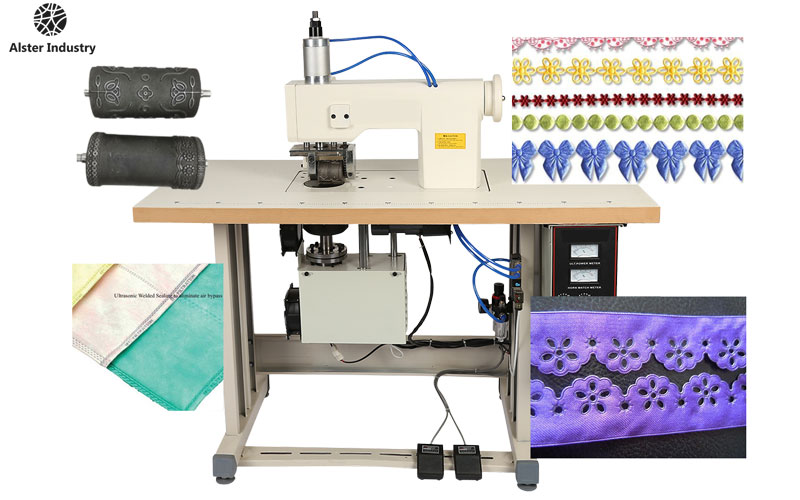
A lace sewing machine is specialized equipment designed for attaching lace trims, elastic tapes, decorative ribbons, and ornamental fabric components onto garments. Modern lace sewing machines are engineered with advanced automation systems and can work alongside seamless bonding equipment.
Traditional lace sewing machines mainly relied on mechanical stitching, but today’s machines can integrate:
- Ultrasonic welding
- Hot air seam sealing
- Heat bonding
- Elastic tape feeding
- Automatic tension control
- Computerized pattern programming
- Laser positioning systems
These advanced features allow lace sewing machines to function effectively within seamless garment production lines.
Why Lace Is Important in Seamless Garments
Lace has long been associated with elegance, femininity, and luxury fashion. In modern apparel manufacturing, lace is widely used in:
- Lingerie
- Bras
- Women’s underwear
- Fashion sportswear
- Sleepwear
- Bridal garments
- Shapewear
However, traditional stitching methods can create bulky seams, discomfort, and visible stitch marks. Seamless bonding technology solves these problems while preserving the decorative beauty of lace.
By using advanced lace sewing machines in seamless garment production, manufacturers can achieve:
- Flat and invisible seams
- Soft skin contact
- Stretchable decorative integration
- Strong bonding strength
- Enhanced garment aesthetics
- Better durability after washing
This combination of comfort and beauty is one of the main reasons why lace sewing machines are becoming increasingly important in seamless apparel manufacturing.
Working Principles of Lace Sewing Machines in Seamless Bonding
Modern lace sewing machines used in seamless garment bonding operate through several integrated technologies.
1. Hot Melt Adhesive Bonding
One of the most common methods involves hot melt adhesive films or tapes. The machine applies heat and pressure to activate the adhesive layer between the lace and fabric.
This process creates:
- Strong adhesion
- Elastic bonding
- Smooth seam surfaces
- Minimal fabric damage
Common adhesive materials include:
- TPU adhesive film
- EVA adhesive film
- PES hot melt film
- PA adhesive film
The bonding temperature and pressure can be precisely controlled depending on fabric type and lace material.
2. Ultrasonic Lace Welding
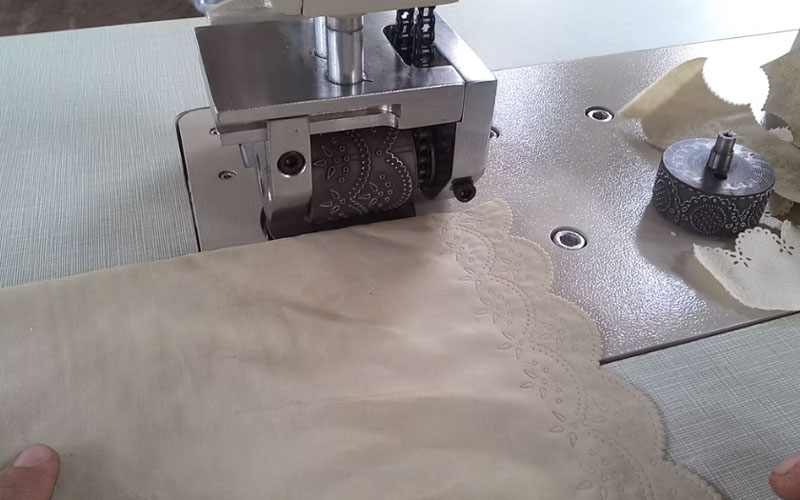
Ultrasonic lace sewing machines use high-frequency vibrations to fuse synthetic fabrics and lace materials together without thread.
Advantages include:
- No needle holes
- Waterproof seams
- Fast production speed
- Reduced material waste
- Cleaner edge finishing
Ultrasonic technology is especially suitable for:
- Nylon lace
- Polyester lace
- Spandex fabrics
- Microfiber textiles
This technology is widely used in high-end lingerie and sports underwear production.
3. Elastic Tape Integration
Many seamless garments require elastic support. Lace sewing machines can simultaneously feed and bond elastic tapes with decorative lace trims.
This is particularly important for:
- Bra straps
- Waistbands
- Leg openings
- Compression zones
Modern machines use computerized tension control systems to ensure consistent elasticity throughout the garment.
4. Computerized Pattern Sewing
Advanced lace sewing machines are equipped with programmable pattern systems that allow manufacturers to create highly complex lace applications.
Features include:
- Automatic positioning
- Pattern memory storage
- Multi-axis movement
- Precision edge alignment
- Consistent decorative patterns
This significantly improves both productivity and product consistency.
Applications of Lace Sewing Machines in Seamless Garments
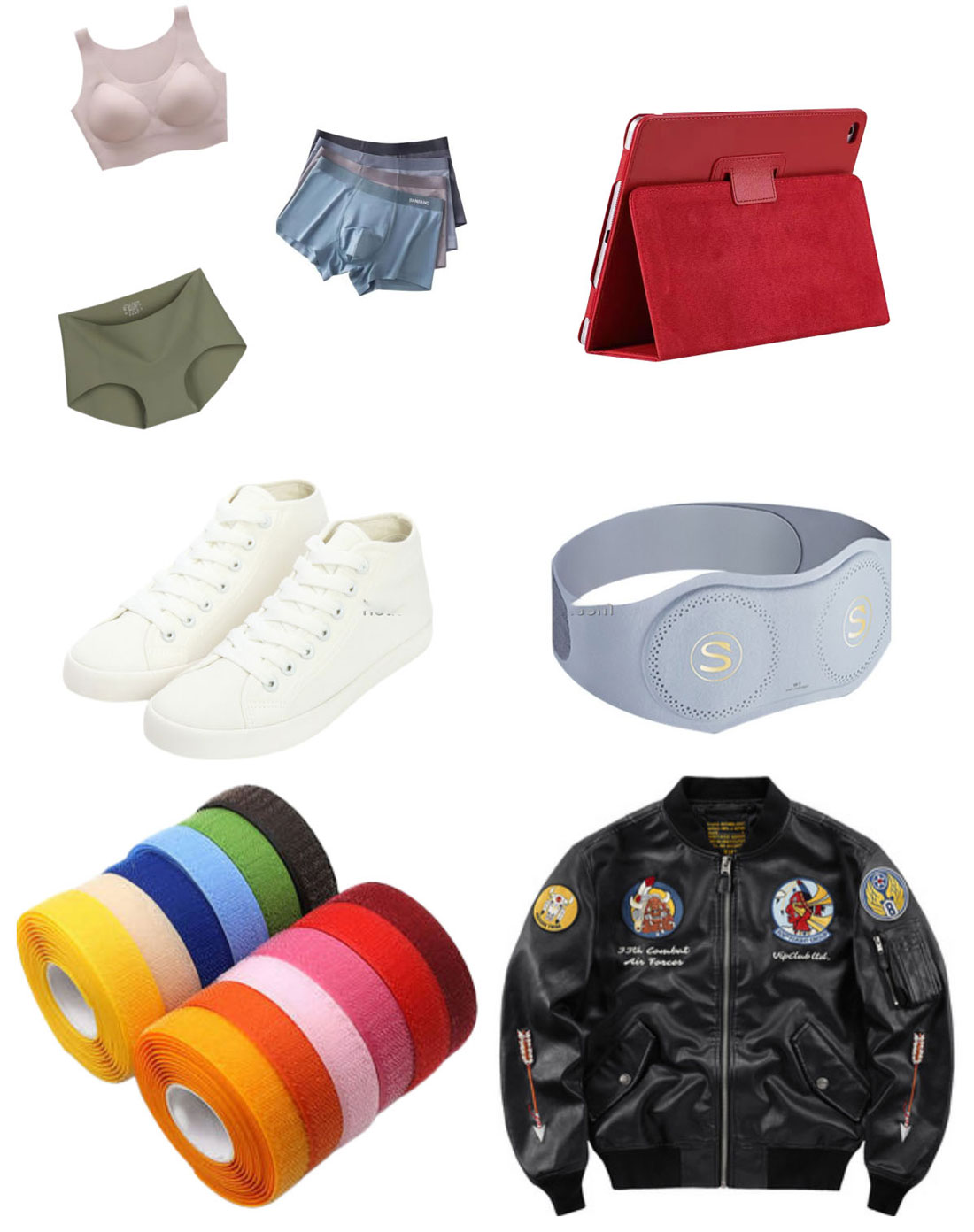
1. Seamless Lingerie Manufacturing
The lingerie industry is one of the largest users of lace sewing machines combined with seamless bonding technology.
Applications include:
- Lace bra cups
- Decorative side panels
- Seamless panties
- Lace waistbands
- Invisible underwear edges
Consumers increasingly prefer lingerie that combines comfort with attractive design. Seamless lace bonding helps eliminate uncomfortable stitched seams while maintaining a luxurious appearance.
2. Sportswear and Activewear
Modern sportswear increasingly incorporates lace and decorative mesh panels for both fashion and ventilation purposes.
Lace sewing machines are used for:
- Bonded decorative panels
- Breathable mesh integration
- Stretch lace attachments
- Lightweight sports bras
- Yoga apparel design elements
Because seamless sportswear must maintain high elasticity, lace bonding machines are designed to preserve fabric stretchability.
3. Shapewear Production
Compression garments and shapewear require both strength and comfort. Traditional stitching may create pressure points and discomfort during long-term wear.
Lace sewing machines help manufacturers produce:
- Seamless compression zones
- Decorative shaping panels
- Smooth waistbands
- Flat bonded edges
The result is a garment that provides body shaping without sacrificing comfort.
4. Swimwear Manufacturing
Swimwear manufacturers increasingly use seamless bonding technology to improve water resistance and comfort.
Lace sewing machines support:
- Decorative swimwear trims
- Bonded stretch lace
- Chlorine-resistant lace attachment
- Flat seam finishing
Ultrasonic bonding is especially useful for swimwear because it minimizes water penetration through seams.
5. Medical and Functional Garments
Medical garments often require soft seams to prevent skin irritation.
Applications include:
- Post-surgery bras
- Compression garments
- Rehabilitation clothing
- Sensitive skin apparel
Lace sewing machines enable manufacturers to create comfortable medical garments with both functional and aesthetic value.
Materials Compatible with Lace Sewing Machines
Modern seamless lace sewing machines are compatible with a wide range of materials.
Common Fabric Types
- Nylon
- Polyester
- Spandex
- Lycra
- Microfiber
- Cotton blends
- Mesh fabrics
- Elastic fabrics
Lace Materials
- Stretch lace
- Raschel lace
- Embroidered lace
- Elastic lace
- Jacquard lace
Bonding Materials
- TPU hot melt film
- EVA adhesive film
- PES film
- Seam sealing tape
- Thermoplastic adhesives
Material compatibility is crucial because different fabrics require different bonding temperatures and pressure settings.
Advantages of Using Lace Sewing Machines in Seamless Bonding
1. Improved Comfort
Seamless bonded lace garments eliminate thick stitched seams that can irritate the skin.
Benefits include:
- Smooth touch
- Reduced friction
- Better flexibility
- Enhanced wearing experience
2. Better Appearance
Bonded lace applications create a cleaner and more premium look compared to traditional stitching.
Advantages include:
- Invisible seams
- Flat garment structure
- Luxury aesthetics
- Modern fashion appearance
3. Increased Production Efficiency
Automated lace sewing machines significantly improve manufacturing productivity.
Features supporting efficiency include:
- Automatic feeding
- Programmable operations
- High-speed bonding
- Reduced manual labor
This helps manufacturers lower production costs while maintaining quality consistency.
4. Enhanced Durability
Advanced bonding technology creates strong and durable seam structures.
High-quality bonded lace garments can resist:
- Repeated stretching
- Frequent washing
- Sweat exposure
- Fabric deformation
5. Reduced Material Waste
Precision bonding systems minimize fabric waste and improve material utilization rates.
This supports:
- Sustainable manufacturing
- Lower production costs
- Reduced environmental impact
Automation and Smart Manufacturing Trends
The garment industry is rapidly moving toward Industry 4.0 manufacturing systems. Modern lace sewing machines are increasingly integrated with intelligent technologies.
Smart Features Include
- AI-assisted quality control
- Vision inspection systems
- IoT connectivity
- Automatic defect detection
- Digital pattern programming
- Robotic material handling
These smart technologies improve production precision and reduce human error.
Challenges in Seamless Lace Bonding
Although lace sewing machines offer many advantages, manufacturers still face several technical challenges.
1. Fabric Stretch Control
Elastic fabrics can deform during bonding if tension is not properly controlled.
Manufacturers must carefully adjust:
- Temperature
- Pressure
- Feeding speed
- Tension balance
2. Lace Alignment Precision
Decorative lace patterns require extremely accurate positioning.
Any misalignment can affect:
- Garment appearance
- Product quality
- Consumer satisfaction
Advanced vision systems are increasingly used to solve this issue.
3. Adhesive Compatibility
Not all adhesive films work well with every fabric type.
Manufacturers must test compatibility between:
- Lace material
- Base fabric
- Adhesive film
- Washing conditions
4. Heat Sensitivity
Some delicate lace materials may become damaged under excessive heat.
Modern machines therefore use:
- Precision temperature control
- Infrared heating
- Low-temperature adhesives
Future Development Trends
The future of lace sewing machines in seamless garment bonding looks highly promising.
1. More Sustainable Production
Eco-friendly manufacturing is becoming increasingly important.
Future developments include:
- Recyclable adhesive films
- Solvent-free bonding
- Energy-efficient machines
- Biodegradable materials
2. Higher Automation Levels
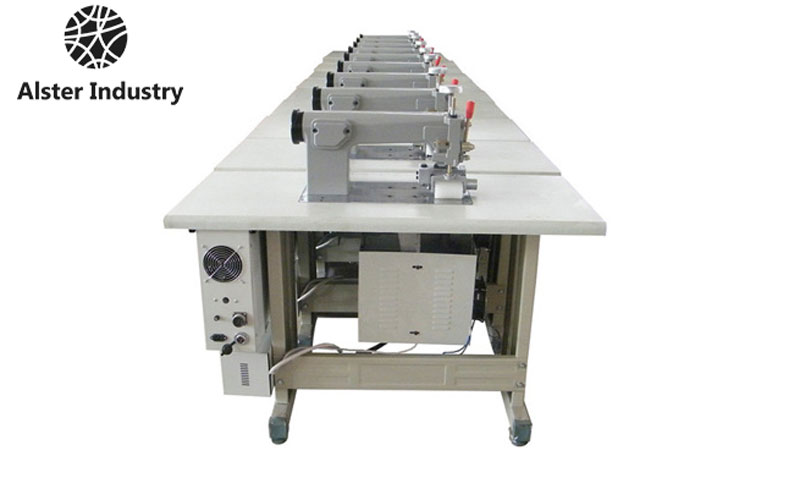
Manufacturers are investing heavily in fully automated seamless garment production lines.
Future machines may include:
- Fully robotic lace placement
- AI pattern optimization
- Self-adjusting bonding systems
- Real-time production monitoring
3. Greater Customization
Consumers increasingly demand personalized apparel products.
Advanced lace sewing machines will support:
- Digital customization
- On-demand production
- Flexible small-batch manufacturing
4. Integration with Wearable Technology
Smart garments are becoming more common in sportswear and healthcare.
Future seamless lace bonding applications may include:
- Conductive textile integration
- Sensor embedding
- Smart compression garments
- Health monitoring apparel
Choosing the Right Lace Sewing Machine for Seamless Garment Production
When selecting a lace sewing machine, manufacturers should evaluate several factors.
Key Considerations
Production Capacity
Choose machines based on:
- Daily production volume
- Product complexity
- Automation requirements
Material Compatibility
Ensure the machine supports:
- Stretch fabrics
- Delicate lace
- Adhesive bonding materials
Bonding Technology
Different machines support different technologies:
- Ultrasonic welding
- Heat bonding
- Hot air sealing
- Traditional sewing hybrid systems
Precision and Stability
High-end machines provide:
- Better alignment accuracy
- Stable tension control
- Consistent seam quality
Maintenance and Technical Support
Reliable suppliers should offer:
- Spare parts availability
- Technical training
- Maintenance support
- Software upgrades
Conclusion
The integration of lace sewing machines into seamless garment bonding technology has revolutionized modern apparel manufacturing. These machines combine decorative elegance with advanced functional performance, allowing manufacturers to produce garments that are comfortable, fashionable, durable, and highly efficient to manufacture.
From lingerie and sportswear to swimwear and medical garments, lace sewing machines play a crucial role in achieving seamless aesthetics and high-performance garment structures. With continuous advancements in automation, ultrasonic welding, adhesive bonding, and smart manufacturing systems, the future of seamless lace garment production will become even more innovative and efficient.
As consumer demand for premium comfort and stylish design continues to grow, lace sewing machines will remain an essential part of the seamless garment bonding industry, helping manufacturers create the next generation of high-quality apparel products.