
In recent years, seamless garment technology has become one of the most important innovations in the apparel industry. Consumers increasingly demand clothing that is lightweight, comfortable, durable, and aesthetically clean. Traditional sewing methods, while reliable, often create bulky seams, visible stitch lines, skin irritation, and limitations in garment design. To overcome these challenges, manufacturers are turning to advanced bonding technologies, with thermal bonding film playing a critical role.
Thermal bonding film is widely used in seamless garment production because it enables strong adhesion between fabrics without traditional stitching. From sportswear and yoga apparel to underwear, swimwear, outdoor clothing, and fashion garments, thermal bonding technology has transformed how modern garments are designed and manufactured.
This article explores the applications, advantages, types, materials, production processes, and future trends of thermal bonding film for seamless garment bonding.
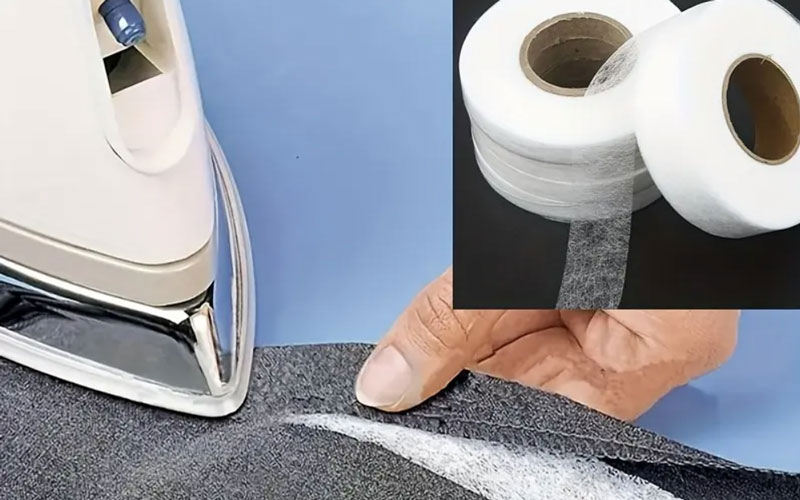
What Is Thermal Bonding Film?
Thermal bonding film is a heat-activated adhesive film designed to bond two materials together under specific temperature and pressure conditions. In the garment industry, it is primarily used to laminate fabrics, create seamless joints, reinforce garment structures, and replace traditional sewing operations.
The film is usually placed between two fabric layers and activated through heat pressing, hot air machines, ultrasonic equipment, or specialized seamless bonding machines. Once heated, the adhesive melts and creates a durable bond after cooling.
Unlike liquid adhesives, thermal bonding film offers consistent thickness, clean application, and precise bonding performance.
Why Seamless Garments Are Growing in Popularity
The demand for seamless apparel has increased rapidly across global markets. Consumers prefer seamless garments because they offer:
- Better wearing comfort
- Reduced skin friction
- Improved stretchability
- Enhanced aesthetics
- Lightweight construction
- Modern fashion appearance
- Improved athletic performance
Seamless technology is especially popular in:
- Activewear
- Sports bras
- Yoga clothing
- Compression garments
- Underwear
- Swimwear
- Outdoor jackets
- Medical textiles
- Functional fashion apparel
Thermal bonding film is one of the key enabling materials behind these products.
How Thermal Bonding Film Works in Seamless Garment Bonding
The seamless bonding process generally follows several steps:
1. Fabric Preparation
The fabrics must be clean, dry, and properly cut. Common materials include:
- Nylon
- Polyester
- Spandex
- Lycra
- Cotton blends
- TPU-coated fabrics
2. Film Placement
The thermal bonding film is positioned between fabric layers in the bonding area.
3. Heat and Pressure Application
Using a heat press or seamless bonding machine, controlled heat and pressure activate the adhesive film.
4. Cooling and Solidification
After cooling, the adhesive solidifies and creates a permanent bond.
The result is a smooth, flexible, and durable seam without visible stitches.
Main Types of Thermal Bonding Film
Several types of thermal bonding films are used in seamless garment manufacturing. Each type has unique characteristics suitable for different fabrics and applications.
1. TPU Thermal Bonding Film
TPU (Thermoplastic Polyurethane) film is the most commonly used material in seamless garment bonding.
Features
- Excellent elasticity
- Soft hand feel
- Strong adhesion
- Good wash resistance
- High flexibility
- Skin-friendly performance
Applications
- Sportswear
- Yoga wear
- Underwear
- Stretch garments
- Compression clothing
TPU films are highly suitable for elastic fabrics because they maintain stretch performance after bonding.
2. PES Thermal Bonding Film
PES (Polyester) thermal bonding film offers strong bonding strength and high temperature resistance.
Features
- Strong adhesion
- Good durability
- Excellent washing performance
- High heat resistance
Applications
- Jackets
- Outdoor garments
- Functional apparel
- Heavy fabrics
PES films are commonly selected when durability is prioritized over elasticity.
3. PA Thermal Bonding Film
PA (Polyamide) bonding films provide excellent adhesion to difficult fabrics.
Features
- Strong chemical resistance
- Good flexibility
- Excellent low-temperature performance
Applications
- Outdoor textiles
- Waterproof garments
- Technical fabrics
4. EVA Thermal Bonding Film
EVA films are cost-effective and suitable for specific garment applications.
Features
- Low melting temperature
- Good softness
- Economical pricing
Applications
- Lightweight garments
- Fashion accessories
- Decorative textile bonding
However, EVA films generally offer lower wash resistance compared to TPU films.
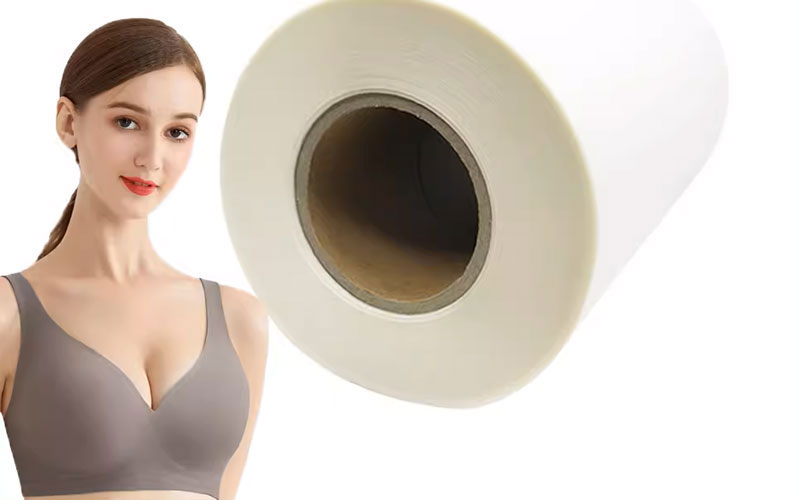
Key Advantages of Thermal Bonding Film in Seamless Garments
1. Improved Wearing Comfort
Traditional seams can create friction points that irritate the skin. Thermal bonding film eliminates bulky stitching, resulting in smooth and comfortable garments.
This is especially important for:
- Sports apparel
- Yoga wear
- Underwear
- Compression garments
2. Enhanced Aesthetic Appearance
Seamless garments provide a clean and modern appearance. Without visible stitch lines, designers can create more fashionable and streamlined products.
This aesthetic advantage is highly valued in premium sportswear and fashion markets.
3. Better Elasticity
Thermal bonding films, especially TPU films, maintain fabric stretchability. Unlike traditional stitches that may restrict movement, bonded seams move naturally with the fabric.
This improves:
- Athletic performance
- Flexibility
- Garment fit
- User comfort
4. Lightweight Construction
Replacing stitching with bonding technology reduces garment weight. This is particularly beneficial for performance apparel where lightweight construction is critical.
5. Waterproof and Windproof Performance
In outdoor apparel, thermal bonding film can help create waterproof and windproof seams.
Applications include:
- Rain jackets
- Ski wear
- Outdoor sports apparel
Bonded seams reduce needle holes that typically allow water penetration.
6. High Production Efficiency
Seamless bonding technology can reduce manufacturing steps compared to traditional sewing.
Benefits include:
- Faster production
- Lower labor costs
- Consistent quality
- Automation compatibility
Modern seamless garment factories increasingly rely on automated bonding systems.
Important Performance Requirements for Thermal Bonding Film
When selecting thermal bonding film for seamless garments, manufacturers must evaluate several key performance factors.
Adhesion Strength
The film must provide strong bonding without delamination during use or washing.
Elastic Recovery
The bonded area should stretch and recover naturally with the fabric.
Wash Resistance
Garments must withstand repeated washing cycles without bond failure.
High-quality TPU films often pass:
- 40°C washing tests
- 60°C washing tests
- Dry cleaning resistance tests
Softness
Consumers expect seamless garments to feel soft and comfortable. The bonding film should not create stiffness.
Breathability
Breathability is essential for sportswear and activewear applications.
Some advanced thermal bonding films are designed to maintain fabric ventilation.
Low Yellowing
Premium garments require bonding films with good anti-yellowing performance, especially for light-colored fabrics.
Common Applications of Thermal Bonding Film
Sportswear
Thermal bonding film is widely used in:
- Running apparel
- Cycling wear
- Gym clothing
- Athletic uniforms
Bonded seams improve comfort during high-intensity movement.
Yoga Apparel
Yoga garments require high stretchability and comfort. Seamless bonding technology helps create smooth-fitting designs with excellent flexibility.
Underwear and Lingerie
Seamless underwear has become extremely popular because bonded edges eliminate visible panty lines and improve comfort.
Applications include:
- Bras
- Panties
- Shapewear
- Base layers
Swimwear
Bonded swimwear offers:
- Better aesthetics
- Improved elasticity
- Reduced chafing
- Enhanced water resistance
Outdoor Apparel
Thermal bonding film is heavily used in waterproof outdoor garments.
Applications include:
- Hiking jackets
- Ski clothing
- Rainwear
- Mountaineering apparel
Medical and Compression Garments
Compression garments require smooth seams to avoid skin irritation. Thermal bonding technology improves patient comfort and garment functionality.
Seamless Bonding Equipment Used with Thermal Bonding Film
Several machines are commonly used in seamless garment production.
Heat Press Machines
Heat presses machines apply controlled temperature and pressure to activate the adhesive film.
Hot Air Seam Sealing Machines
These machines use hot air to melt the bonding film and create seamless joints.
Ultrasonic Bonding Machines
Ulasonic technology can combine heat and vibration for precise bonding.
Laser Cutting Machines
Laser cutting is often combined with seamless bonding to achieve precise fabric edges.
Challenges in Thermal Bonding Film Applications
Although thermal bonding technology offers many benefits, manufacturers may face certain challenges.
Fabric Compatibility
Different fabrics require different bonding films and process conditions.
Temperature Control
Incorrect temperature settings may cause:
- Weak bonding
- Fabric damage
- Film overflow
- Poor appearance
Wash Durability
Low-quality bonding films may fail after repeated washing cycles.
Cost Considerations
High-performance thermal bonding films can be more expensive than traditional sewing methods.
However, the long-term advantages often justify the investment.
Future Trends in Thermal Bonding Film for Garments
The seamless garment industry continues to evolve rapidly. Several important trends are shaping the future of thermal bonding films.
Eco-Friendly Materials
Sustainability has become a major focus in the textile industry.
Manufacturers are developing:
- Recyclable bonding films
- Bio-based adhesives
- Solvent-free materials
- Low-VOC products
Eco-friendly thermal bonding solutions are expected to gain significant market share.
Smart Textiles Integration
Thermal bonding films are increasingly used in smart clothing applications involving:
- Wearable electronics
- Sensors
- Conductive fabrics
- Heated garments
Bonding technology enables cleaner integration of electronic components.
Ultra-Thin Bonding Films
The demand for thinner and lighter garments is driving the development of ultra-thin adhesive films.
These films offer:
- Improved softness
- Better breathability
- Reduced garment weight
Higher Automation
Seamless garment production is becoming increasingly automated.
Advanced bonding systems now include:
- AI-assisted temperature control
- Robotic handling
- Precision alignment systems
- Digital production monitoring
Automation improves efficiency and product consistency.
How to Choose the Right Thermal Bonding Film
Selecting the correct thermal bonding film depends on several factors.
Consider Fabric Type
Different fabrics require different adhesive compatibility.
For example:
- Stretch fabrics often use TPU film
- Technical fabrics may require PA or PES film
Evaluate End-Use Requirements
Consider whether the garment needs:
- High elasticity
- Waterproof performance
- Soft hand feel
- High wash resistance
- Breathability
Check Processing Conditions
The bonding film should match the factory’s equipment and temperature capabilities.
Test Before Mass Production
Manufacturers should always conduct:
- Peel strength tests
- Wash tests
- Aging tests
- Stretch tests
before full-scale production.
Conclusion
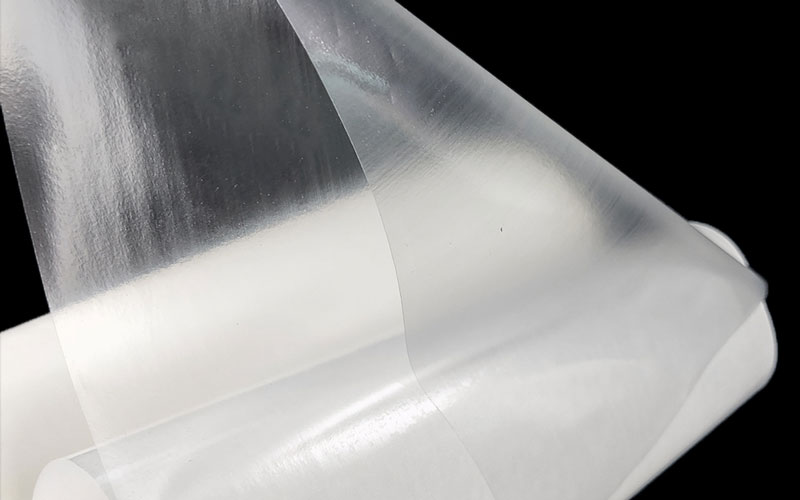
Thermal bonding film has become an essential material in modern seamless garment manufacturing. By replacing traditional stitching with advanced bonding technology, manufacturers can create apparel that is more comfortable, lightweight, durable, and aesthetically appealing.
From sportswear and yoga apparel to outdoor clothing and underwear, thermal bonding film enables innovative garment designs that meet the growing expectations of today’s consumers.
As textile technology continues to advance, the future of thermal bonding film will focus on sustainability, higher performance, thinner constructions, and smart textile integration. Manufacturers that adopt advanced seamless bonding technologies will gain significant advantages in product quality, efficiency, and market competitiveness.
For apparel brands seeking to deliver premium seamless garments, choosing the right thermal bonding film is a critical step toward achieving superior performance and customer satisfaction.