
The seamless garment industry has experienced rapid growth in recent years, driven by consumer demand for comfort, lightweight apparel, flexibility, and clean aesthetics. From sportswear and yoga clothing to underwear, outdoor apparel, and fashion garments, seamless bonding technology has become a core manufacturing solution. At the center of this innovation are hot melt adhesive films, especially EVA adhesive film and TPU adhesive film.
Both materials are widely used in seamless garment bonding, but they differ significantly in performance, flexibility, wash resistance, softness, processing temperature, and application range. Understanding the differences between EVA adhesive film and TPU adhesive film is essential for garment manufacturers, textile converters, and apparel brands seeking the best bonding solution.
This article provides a comprehensive comparison of EVA adhesive film vs TPU adhesive film in the seamless bonding garment industry, including material properties, advantages, disadvantages, applications, processing methods, and selection recommendations.
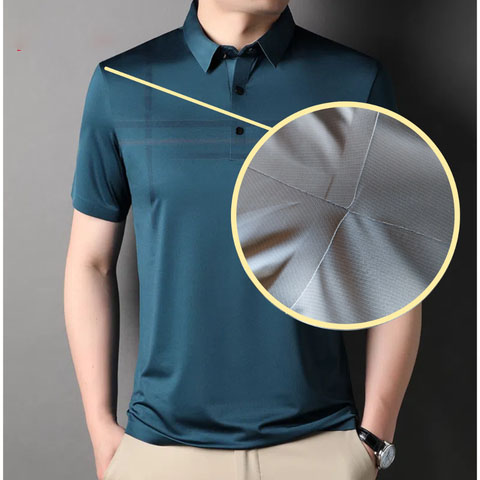
What Is EVA Adhesive Film?
EVA adhesive film is a hot melt adhesive material made primarily from Ethylene Vinyl Acetate copolymer. It is thermoplastic in nature, meaning it softens when heated and solidifies upon cooling.
EVA adhesive film is widely used in textile lamination, embroidery backing, shoe manufacturing, packaging, automotive interiors, and seamless garment bonding because of its excellent adhesion performance and cost-effectiveness.
In seamless apparel production, EVA adhesive film is commonly used to bond:
- Fabric to fabric
- Elastic tapes
- Decorative trims
- Labels and logos
- Lightweight textile components
The film is activated through heat pressing or lamination equipment, creating a clean and stitch-free bond.
What Is TPU Adhesive Film?
TPU adhesive film is a thermoplastic polyurethane-based hot melt adhesive film known for its outstanding elasticity, softness, durability, and wash resistance.
TPU adhesive film has become one of the most important materials in premium seamless garment manufacturing, especially in high-performance sportswear and functional apparel.
It is commonly used in:
- Seamless underwear
- Yoga wear
- Compression garments
- Swimwear
- Outdoor jackets
- Waterproof apparel
- Sports bras
- Stretch fabrics
Compared with EVA adhesive film, TPU adhesive film generally offers better flexibility and resilience under repeated stretching and washing conditions.
Why Adhesive Films Are Important in Seamless Garments
Traditional sewn garments often create issues such as:
- Skin irritation
- Bulky seams
- Reduced elasticity
- Visible stitch marks
- Increased production complexity
Seamless bonding technology solves these problems by replacing stitching with hot melt adhesive films.
Benefits of seamless bonding garments include:
- Improved comfort
- Better fit and flexibility
- Lightweight construction
- Cleaner appearance
- Enhanced waterproof performance
- Higher fashion appeal
- Reduced friction during movement
Both EVA adhesive film and TPU adhesive film play vital roles in achieving these benefits.
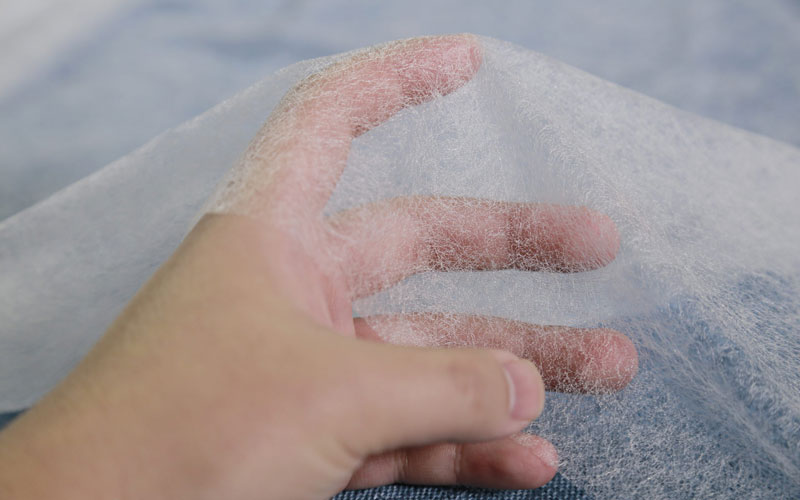
EVA Adhesive Film vs TPU Adhesive Film: Material Structure Comparison
EVA Adhesive Film Structure
EVA films are based on ethylene-vinyl acetate copolymers. Their structure provides:
- Good thermal bonding properties
- Moderate flexibility
- Strong adhesion to many textiles
- Lower processing temperatures
- Cost efficiency
However, EVA materials are less elastic than TPU materials.
TPU Adhesive Film Structure
TPU films are polyurethane-based elastomers. Their molecular structure offers:
- Excellent elasticity
- High resilience
- Superior softness
- Outstanding abrasion resistance
- Better hydrolysis resistance
- Excellent low-temperature performance
TPU materials are designed for dynamic and stretchable applications.
Key Differences Between EVA Adhesive Film and TPU Adhesive Film
1. Flexibility and Elasticity
One of the biggest differences between EVA adhesive film and TPU adhesive film is elasticity.
EVA Adhesive Film
EVA adhesive film offers moderate flexibility but limited stretch recovery. It works well for garments requiring basic bonding performance but may crack or lose adhesion after repeated stretching.
Suitable for:
- Casual garments
- Decorative bonding
- Non-high-stretch fabrics
TPU Adhesive Film
TPU adhesive film provides excellent elasticity and recovery. It stretches together with fabric and maintains bonding integrity even after repeated movement.
Suitable for:
- Sportswear
- Yoga clothing
- Compression wear
- High-stretch fabrics
For seamless athletic apparel, TPU adhesive film is usually the preferred choice.
2. Softness and Hand Feel
Softness is critical in garments worn directly against the skin.
EVA Adhesive Film
EVA adhesive film has acceptable softness but can sometimes feel slightly rigid depending on thickness and formulation.
TPU Adhesive Film
TPU adhesive film is known for its extremely soft hand feel and excellent drape compatibility. It creates a more natural fabric touch.
This makes TPU especially popular for:
- Seamless underwear
- Intimate apparel
- High-end activewear
3. Wash Resistance
Garments experience repeated laundering, making wash durability essential.
EVA Adhesive Film
EVA adhesive film offers decent wash resistance under normal conditions, but prolonged washing and high-temperature drying may weaken bonding performance.
TPU Adhesive Film
TPU adhesive film provides significantly better:
- Water resistance
- Hydrolysis resistance
- Washing durability
- Sweat resistance
High-quality TPU films can withstand multiple washing cycles while maintaining strong adhesion.
For premium apparel brands, TPU often delivers better long-term reliability.
4. Heat Resistance
EVA Adhesive Film
EVA films generally have lower heat resistance. High ironing temperatures or excessive heat exposure may soften or deform the adhesive layer.
TPU Adhesive Film
TPU adhesive films usually provide better thermal stability and can tolerate more demanding garment processing conditions.
This makes TPU more suitable for technical garments.
5. Processing Temperature
EVA Adhesive Film
EVA adhesive film typically requires lower activation temperatures, which helps:
- Reduce energy consumption
- Improve production efficiency
- Protect heat-sensitive fabrics
Typical lamination temperature:
- Around 80°C–120°C
TPU Adhesive Film
TPU adhesive film often requires higher bonding temperatures.
Typical lamination temperature:
- Around 120°C–160°C
However, modern low-temperature TPU films are increasingly available.
6. Bonding Strength
EVA Adhesive Film
EVA provides strong adhesion on many common textiles and synthetic materials.
It bonds well with:
- Polyester
- Cotton blends
- Nonwoven fabrics
TPU Adhesive Film
TPU offers superior bonding performance on elastic and technical fabrics such as:
- Spandex
- Nylon
- Lycra
- Stretch knitted fabrics
For dynamic garment structures, TPU generally performs better.
7. Breathability
Breathability is increasingly important in modern activewear.
EVA Adhesive Film
Standard EVA films may reduce garment breathability if applied over large areas.
TPU Adhesive Film
Advanced TPU films can be engineered with breathable structures, improving moisture management and wearer comfort.
This is especially valuable in sportswear applications.
8. Cost Comparison
EVA Adhesive Film
EVA adhesive film is usually more economical and suitable for cost-sensitive manufacturing projects.
Advantages:
- Lower raw material cost
- Easier processing
- Reduced production expense
TPU Adhesive Film
TPU adhesive film is generally more expensive due to:
- Advanced material properties
- Higher elasticity
- Better durability
However, many premium apparel manufacturers consider the higher cost worthwhile because of improved garment performance.
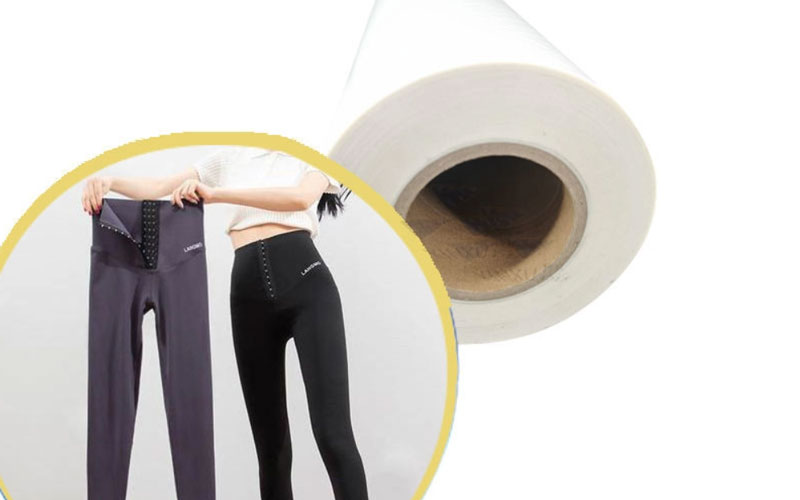
Applications of EVA Adhesive Film in Seamless Garments
EVA adhesive film is commonly used in:
1. Lightweight Casual Wear
EVA films work well in casual garments where extreme elasticity is not required.
Examples:
- T-shirts
- Fashion tops
- Decorative apparel
2. Logo and Label Bonding
EVA films provide strong adhesion for:
- Heat transfer logos
- Care labels
- Decorative patches
3. Cost-Effective Seamless Apparel
Manufacturers producing budget-friendly seamless garments often choose EVA because of its affordability.
4. Fabric Lamination
EVA adhesive film is widely used for laminating:
- Textile layers
- Foams
- Nonwoven materials
Applications of TPU Adhesive Film in Seamless Garments
TPU adhesive film dominates many high-performance apparel sectors.
1. Sportswear
TPU films are ideal for:
- Running apparel
- Cycling wear
- Fitness clothing
- Training garments
The elasticity supports intense body movement.
2. Yoga Wear
Yoga apparel requires:
- High stretch
- Soft touch
- Skin comfort
TPU adhesive films provide excellent performance in these applications.
3. Seamless Underwear
Because TPU films are soft and flexible, they are widely used in:
- Bras
- Panties
- Shapewear
4. Waterproof Outdoor Clothing
TPU adhesive films are commonly used in:
- Rain jackets
- Ski apparel
- Outdoor sportswear
They help create waterproof seam sealing systems.
5. Compression Garments
Compression wear requires stable elasticity and durability under tension. TPU films maintain performance during repeated stretching.
Manufacturing Process of Seamless Bonding Garments
The seamless bonding process usually includes the following steps:
Step 1: Fabric Preparation
The fabric surface must be:
- Clean
- Dry
- Flat
- Free from contaminants
Step 2: Adhesive Film Placement
The EVA or TPU adhesive film is positioned between fabric layers.
Step 3: Heat Press Bonding
Heat and pressure activate the adhesive film.
Important parameters:
- Temperature
- Pressure
- Dwell time
Step 4: Cooling and Stabilization
After bonding, the garment is cooled to stabilize the adhesive structure.
Step 5: Quality Inspection
Manufacturers test:
- Peel strength
- Wash resistance
- Stretch performance
- Appearance quality
How to Choose Between EVA Adhesive Film and TPU Adhesive Film
Choosing the right adhesive film depends on garment requirements.
Choose EVA Adhesive Film If:
You need:
- Lower material cost
- Basic bonding performance
- Lower processing temperature
- Faster production
- Non-extreme elasticity
Best for:
- Casual apparel
- Decorative applications
- Budget-friendly products
Choose TPU Adhesive Film If:
You need:
- High elasticity
- Superior softness
- Excellent wash resistance
- Long-term durability
- Premium garment quality
Best for:
- Sportswear
- Seamless underwear
- Compression garments
- Technical apparel
Future Trends in Seamless Bonding Garment Films
The seamless apparel market continues to evolve rapidly.
Future adhesive film developments include:
1. Eco-Friendly Films
Manufacturers are developing:
- Recyclable films
- Bio-based TPU materials
- Solvent-free production systems
Sustainability is becoming increasingly important in textile manufacturing.
2. Ultra-Thin Films
Thinner adhesive films improve:
- Comfort
- Flexibility
- Breathability
3. Low-Temperature Bonding Films
Advanced films reduce energy consumption and protect delicate fabrics.
4. High-Breathability Films
New microporous structures improve moisture transfer in sportswear.
5. Smart Textile Integration
Future adhesive films may support:
- Wearable electronics
- Conductive textiles
- Sensor integration
Common Challenges in Seamless Garment Bonding
Even high-quality films can encounter problems if processing is incorrect.
Common issues include:
- Delamination
- Edge lifting
- Poor wash durability
- Fabric scorching
- Insufficient elasticity
- Wrinkling
Proper selection of:
- Adhesive type
- Bonding temperature
- Pressure
- Fabric compatibility
is essential for successful production.
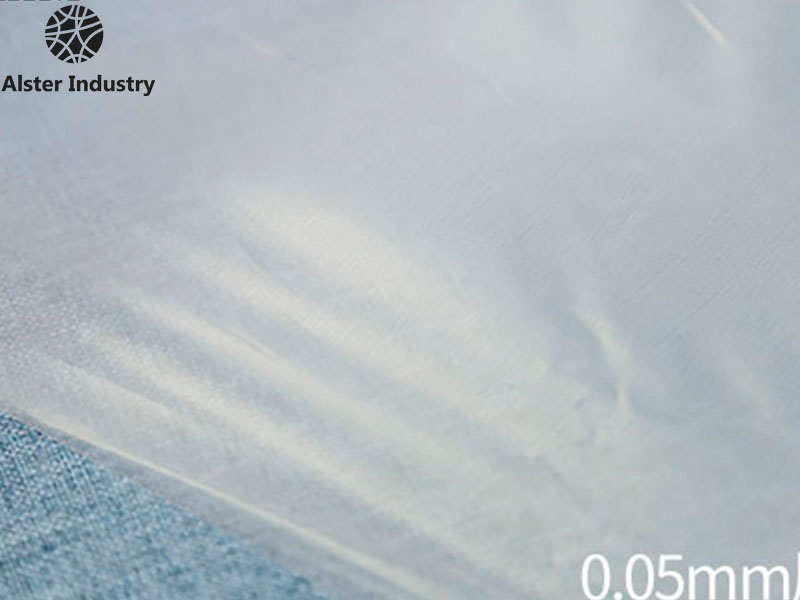
Conclusion
Both EVA adhesive film and TPU adhesive film are important materials in the seamless bonding garment industry, but they serve different performance levels and application needs.
EVA adhesive film is valued for:
- Cost efficiency
- Easy processing
- Good general adhesion
Meanwhile, TPU adhesive film stands out for:
- Superior elasticity
- Exceptional softness
- Better wash durability
- Premium garment performance
For high-end seamless sportswear and functional apparel, TPU adhesive film is often the preferred solution. For cost-sensitive applications and standard garment bonding, EVA adhesive film remains an effective and widely used option.
As seamless garment technology continues to advance, both EVA and TPU adhesive films will remain essential materials driving innovation in modern apparel manufacturing.