
The demand for comfortable, lightweight, and aesthetically clean clothing has transformed the garment manufacturing industry. Consumers increasingly prefer garments with fewer visible seams, improved flexibility, and a smooth appearance against the skin. To meet these requirements, manufacturers are adopting advanced bonding and joining technologies instead of relying only on traditional sewing methods.
An ultrasonic machine for seamless garment is one of the technologies helping manufacturers achieve efficient and reliable seamless clothing production. By using high-frequency ultrasonic vibration to generate localized heat and bond compatible textile materials, this equipment can join fabrics without conventional stitching.
From underwear and sportswear to activewear and medical textiles, ultrasonic technology offers manufacturers a practical way to improve garment appearance, production efficiency, and wearing comfort.
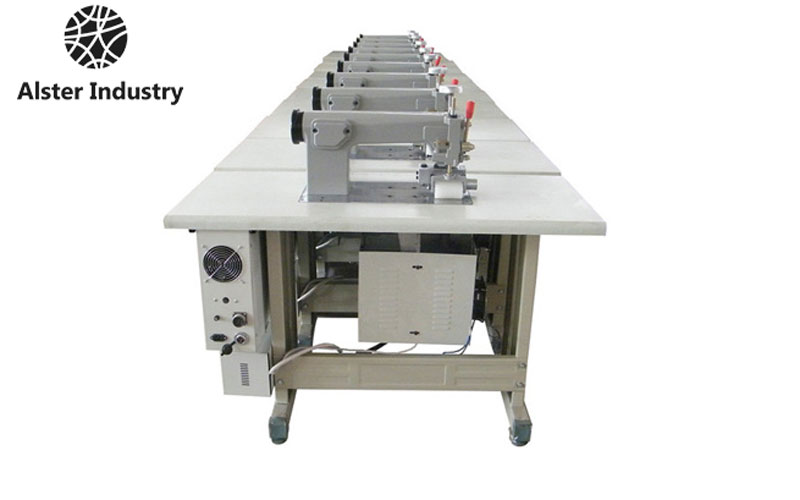
What Is an Ultrasonic Machine for Seamless Garment?
An ultrasonic machine for seamless garment is specialized textile production equipment that uses ultrasonic vibration to bond, cut, or seal fabric materials. Unlike conventional sewing machines, which use needles and threads to create seams, ultrasonic equipment works by applying high-frequency mechanical vibrations between a horn and an anvil.
When suitable fabric layers are placed between these components, ultrasonic vibration creates friction and localized heat at the bonding area. This heat softens or melts compatible thermoplastic fibers, allowing the layers to fuse together. Once the material cools, a stable bonded area is formed.
The process can be used for both joining and edge finishing. Depending on the machine configuration, manufacturers can create narrow seams, decorative bonding lines, sealed edges, and precise fabric cuts.
This technology is particularly useful for synthetic and blended fabrics containing thermoplastic fibers such as polyester, nylon, polypropylene, and certain elastomeric materials.
How Does Ultrasonic Garment Bonding Work?
The working principle of an ultrasonic machine for seamless garment is based on high-frequency vibration and controlled energy transfer.
First, the fabric layers are positioned between the ultrasonic horn and the working anvil. The machine then applies controlled pressure while the ultrasonic generator converts electrical energy into high-frequency mechanical vibration.
The vibration travels through the horn and reaches the fabric. At the contact area, rapid molecular movement produces localized heat. When the thermoplastic fibers reach their softening or melting point, the fabric layers can fuse together.
After the ultrasonic energy stops, the material cools under pressure. The resulting bond can form a clean and relatively flat connection without requiring thread.
The exact bonding conditions depend on several factors, including fabric composition, thickness, density, pressure, ultrasonic frequency, energy level, horn design, and processing speed. Therefore, manufacturers normally need to test the specific textile before establishing production parameters.
Why Use Ultrasonic Technology for Seamless Garments?
Traditional sewing remains essential for many garment applications, but it can create raised seams, needle holes, loose threads, and other features that are undesirable in certain modern clothing products.
An ultrasonic machine for seamless garment can address several of these challenges.
1. Reduced Seam Thickness
Ultrasonic bonding does not require conventional sewing thread. As a result, the finished joint can be thinner and flatter than a traditional stitched seam.
This is especially valuable for sportswear, underwear, compression clothing, leggings, and other garments where seam thickness can affect comfort.
2. Improved Wearing Comfort
Seamless or low-profile garment construction reduces friction between the garment and the wearer’s skin. A smoother internal surface can help reduce irritation during prolonged activity.
For performance apparel, this can be particularly important because athletes and active consumers often wear garments for extended periods.
3. Clean and Attractive Appearance
Ultrasonic bonding can create consistent bonding lines without visible stitches. This gives designers greater freedom to create modern garment structures with clean edges and minimalist aesthetics.
It can also help manufacturers produce garments where traditional stitching would negatively affect the visual appearance.
4. Fast Production
Ultrasonic bonding can operate at high processing speeds when the fabric and machine parameters are properly matched. Since there is no need to handle sewing thread, certain operations can be simplified.
This may help manufacturers reduce production time for suitable garment components and improve overall manufacturing efficiency.
5. No Sewing Thread
Because ultrasonic bonding relies on material fusion rather than thread stitching, manufacturers do not need sewing thread for the bonding operation.
This eliminates certain thread-related problems, such as thread breakage, thread replacement, and thread trimming. It can also reduce the number of consumable materials required for specific production processes.
Applications of Ultrasonic Machines in Seamless Garment Manufacturing
Ultrasonic technology can be applied to a wide range of textile and garment operations.
Sportswear and Activewear
Sportswear manufacturers often require lightweight construction, flexibility, and smooth seams. Ultrasonic bonding can be used for selected seams, hems, labels, panels, and other garment components.
Running shirts, cycling apparel, leggings, compression garments, and training clothing can all benefit from low-profile construction when suitable fabrics are used.
Seamless Underwear
Underwear is one of the most important applications for seamless manufacturing because comfort and smoothness are major purchasing considerations.
Ultrasonic technology can help create flatter connections and clean edges, reducing the potential discomfort associated with thick stitched seams.
Medical and Functional Textiles
Ultrasonic bonding is also used in certain medical and technical textile applications. Depending on the material and machine configuration, it can support the production of protective clothing, textile components, disposable products, and other specialized fabric structures.
Material compatibility and required performance should always be evaluated before production.
Fashion Garments
Fashion manufacturers can use ultrasonic equipment to create clean garment details and innovative constructions. Designers may combine ultrasonic bonding with other manufacturing techniques to achieve distinctive visual effects while maintaining a lightweight garment structure.
Ultrasonic Bonding vs. Traditional Sewing
The choice between ultrasonic bonding and traditional sewing depends heavily on the garment design and material.
Traditional sewing is highly versatile and works with a very broad range of fabrics. It is still the preferred method for many garments, particularly where mechanical stitching provides the required strength and flexibility.
Ultrasonic bonding, on the other hand, is particularly attractive when manufacturers want flat seams, clean edges, reduced thread usage, or high-speed processing of suitable thermoplastic textiles.
Another important difference is the nature of the joint. Sewing mechanically connects materials with thread, while ultrasonic bonding creates a fused connection by using heat generated through high-frequency vibration.
For many modern garment factories, the two technologies do not necessarily compete. They can be used together, with ultrasonic equipment handling suitable seamless or bonded operations while sewing machines perform applications where stitching remains more appropriate.
How to Choose an Ultrasonic Machine for Seamless Garment
Selecting the right equipment requires more than simply comparing machine prices. Manufacturers should consider the actual production requirements and fabric characteristics.
Fabric Compatibility
The first consideration should be the textile composition. Ultrasonic bonding works particularly well with fabrics containing thermoplastic fibers. Natural fibers without thermoplastic components may require different bonding approaches or suitable blends.
Fabric Thickness
Different machines and ultrasonic tools are designed for different material thicknesses. Manufacturers should test the actual fabric layers that will be processed rather than relying only on general specifications.
Processing Speed
For high-volume production, processing speed is an important factor. The machine should be capable of maintaining stable bonding quality at the required production rate.
Horn and Anvil Design
The ultrasonic horn and anvil directly influence the bonding pattern and processing result. Different garment applications may require different tool shapes, widths, or surface patterns.
Pressure and Energy Control
Accurate control of pressure, ultrasonic energy, and processing time is essential for consistent results. Excessive energy can damage the fabric, while insufficient energy may result in weak bonding.
Automation Requirements
Manufacturers should also consider whether they need manual, semi-automatic, or automated production. For large-scale manufacturing, automated feeding and positioning systems may improve productivity and consistency.
Maintenance and Production Considerations
Regular maintenance is important for keeping an ultrasonic machine for seamless garment operating reliably. Operators should inspect the horn, anvil, pressure system, electrical components, and fabric-contact surfaces according to the equipment manufacturer’s recommendations.
The working surfaces should remain clean and free from accumulated textile residue. Incorrect pressure, worn tooling, or unstable ultrasonic output can negatively affect bonding quality.
Manufacturers should also establish standardized operating parameters for each fabric type. Recording successful settings for different materials can make production changes faster and reduce trial-and-error during future orders.
Operator training is equally important. Even advanced equipment requires proper material positioning, parameter selection, and quality inspection to achieve stable results.
Future of Seamless Garment Manufacturing
The global garment industry is moving toward products that combine comfort, performance, appearance, and manufacturing efficiency. This trend is creating more opportunities for seamless bonding technologies.
As sportswear, functional apparel, lightweight underwear, and technical textiles continue to develop, manufacturers are looking for alternatives that can reduce traditional sewing limitations while maintaining reliable garment performance.
An ultrasonic machine for seamless garment provides one solution by combining high-frequency technology with modern textile production. Its ability to create clean, low-profile bonds makes it especially suitable for applications where comfort and appearance are important.
However, ultrasonic technology is not a universal replacement for sewing. The best production strategy depends on fabric composition, garment structure, required bond strength, production volume, and final product requirements.
Conclusion
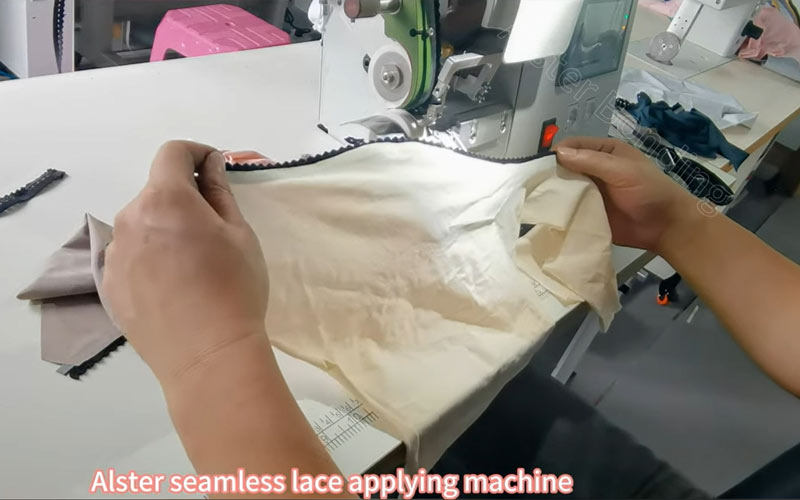
An ultrasonic machine for seamless garment is an advanced solution for manufacturers seeking cleaner, flatter, and more efficient textile joining methods. By using high-frequency ultrasonic vibration to generate localized heat, the technology can bond suitable thermoplastic fabrics without conventional thread stitching.
Its advantages include reduced seam thickness, improved comfort, clean appearance, high production efficiency, and reduced reliance on sewing thread. These characteristics make ultrasonic bonding valuable for sportswear, underwear, activewear, fashion garments, and selected technical textile applications.
Before investing in equipment, manufacturers should carefully evaluate fabric compatibility, thickness, production speed, tooling, pressure control, automation, and required bond performance. With the right machine configuration and properly optimized processing parameters, ultrasonic technology can become an important part of modern seamless garment manufacturing and help producers meet the growing demand for comfortable, lightweight, and high-quality clothing.