
Modern apparel manufacturing is moving toward lighter, smoother, and more comfortable garment construction. As consumers increasingly expect clothing with fewer visible seams, reduced bulk, and greater freedom of movement, manufacturers are exploring alternatives to traditional sewing. One of the most practical technologies supporting this shift is fabric seamless bonding film.
Fabric seamless bonding film is a heat-activated adhesive material used to join fabrics and other compatible textile components. By applying controlled heat and pressure, the film melts or softens and creates a strong bond between surfaces. This makes it possible to reduce or replace stitching in selected garment areas while achieving a cleaner and flatter appearance.
From sportswear and underwear to outdoor apparel and functional clothing, bonding film can help manufacturers improve both garment aesthetics and performance. This article explains what fabric seamless bonding film is, how it works, its major benefits, common material types, applications, and the key factors manufacturers should consider when selecting a suitable garment bonding solution.
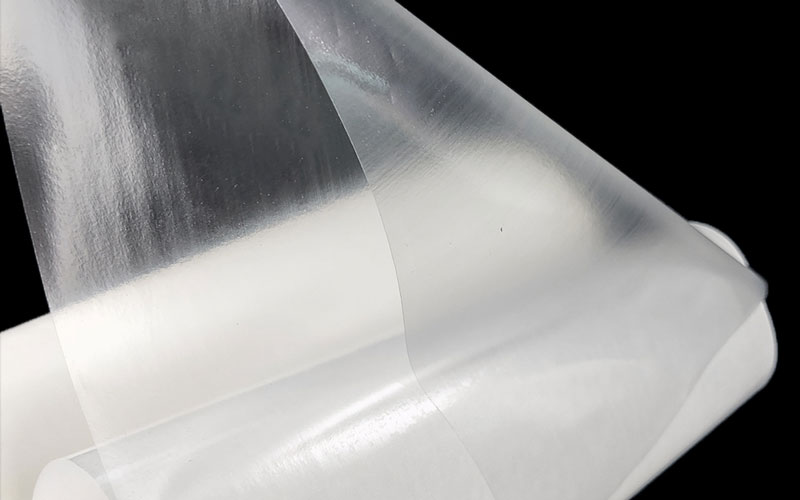
What Is Fabric Seamless Bonding Film?
Fabric seamless bonding film is a thin thermoplastic adhesive layer designed specifically for bonding textile materials. Unlike liquid adhesives, it is supplied as a solid film and can be positioned precisely between two fabric surfaces before heat and pressure are applied.
During the bonding process, the film reaches its activation temperature and becomes sufficiently fluid to interact with the fabric surfaces. Pressure helps establish contact between the adhesive and textile, and cooling then allows the adhesive to solidify into a stable bond.
The technology is particularly useful where conventional stitching may create undesirable characteristics. Thread and needle construction can produce raised seams, visible stitch lines, additional weight, or potential areas of skin friction. A properly selected bonding film can create a much flatter connection.
However, fabric seamless bonding film is not simply a universal replacement for thread. The correct film needs to match the fabric composition, elasticity, garment structure, processing temperature, washing requirements, and production equipment.
For manufacturers, successful bonding should therefore be considered as a complete system involving:
- Fabric type and surface treatment
- Adhesive film chemistry
- Film thickness
- Bonding temperature
- Pressure
- Dwell time
- Cooling conditions
- Seam design
- Required peel strength
- Washing and durability requirements
How Does Fabric Seamless Bonding Film Work?
The basic bonding process is relatively straightforward, but precise process control is important for consistent production.
1. Prepare the Fabric
The fabric surfaces should be clean, dry, and suitable for bonding. Dust, oil, finishing agents, moisture, and surface contamination can affect adhesion.
2. Position the Bonding Film
The film is placed between the textile layers or along the area that needs to be joined. Depending on the garment design, it may be used for seams, hems, edges, reinforcement zones, waistbands, cuffs, or other components.
3. Apply Heat
Heat activates the thermoplastic adhesive. The required activation temperature depends on the polymer formulation and fabric construction. Using excessive heat can damage sensitive fabrics, while insufficient heat may result in incomplete bonding.
4. Apply Pressure
Pressure brings the fabric and adhesive film into close contact. It also helps the activated adhesive interact with the textile surface.
5. Cool and Stabilize
After heating and pressing, the bonded area needs to cool sufficiently for the adhesive to regain its solid form. Proper cooling contributes to bond stability and dimensional consistency.
Depending on the manufacturing process, equipment can include heat presses, hot-air systems, hot rollers, laminating equipment, or specialized seamless bonding machines.
Why Use Fabric Seamless Bonding Film?
One of the biggest advantages of fabric seamless bonding film is its ability to create a clean garment structure without relying entirely on conventional stitching.
Reduced Seam Bulk
Traditional stitched seams require thread and overlapping fabric structures. These elements can increase thickness in certain areas. Bonding film can create a relatively thin connection, which is particularly valuable for lightweight and close-fitting garments.
Improved Wearing Comfort
A flat bonded construction can reduce the irritation or friction sometimes associated with raised seams. This is especially important for underwear, sportswear, leggings, and other garments worn directly against the skin.
Cleaner Appearance
Bonded construction can create a smooth visual finish with fewer visible stitches. This supports minimalist garment designs and premium apparel where appearance is an important selling point.
Excellent Flexibility
For stretch garments, the adhesive must move with the fabric. TPU and other flexible bonding films can provide elasticity that allows bonded areas to accommodate garment movement. TPU films are widely used for applications where softness, elasticity, and wash resistance are required.
Support for Lightweight Designs
Thin adhesive films can help manufacturers construct lightweight garments without adding substantial bulk. Film thickness can be selected according to the application, with thinner materials often being suitable for lightweight or skin-contact garments.
Design Freedom
Bonding technology can be used to join different garment components and reinforce specific areas without adding traditional stitch lines. This gives designers more flexibility when developing modern garment structures.
Main Types of Fabric Seamless Bonding Film
Different textile applications require different adhesive characteristics. Common bonding film materials include TPU, PES, and PA, among others.
TPU Bonding Film
Thermoplastic polyurethane, or TPU, is particularly suitable for stretch-oriented garment applications.
Its major characteristics can include:
- High elasticity
- Soft hand feel
- Good flexibility
- Strong adhesion
- Good wash resistance
- Compatibility with stretch fabrics
TPU bonding film is commonly considered for sports bras, leggings, yoga wear, compression garments, underwear, swimwear, and other flexible apparel.
PES Bonding Film
Polyester-based adhesive film can provide strong bonding performance and dimensional stability. It may be suitable for polyester fabrics and garments requiring stable adhesion.
PES can be used in sportswear, outdoor garments, uniforms, and other textile applications where strength and durability are important.
PA Bonding Film
Polyamide bonding film is known for strong adhesion and can be selected for applications requiring higher structural performance and temperature resistance.
The choice between TPU, PES, PA, or another adhesive system should be based on actual fabric and application requirements rather than simply selecting the most common material.
Applications of Fabric Seamless Bonding Film
Fabric seamless bonding film is used across many areas of modern apparel manufacturing.
Sportswear and Activewear
Sportswear is one of the most important applications because athletes require garments that combine flexibility, comfort, and durability.
Bonding film can be used for:
- Shoulder and side seams
- Waistbands
- Cuffs
- Hems
- Panel joining
- Reinforcement areas
- Functional details
- Reflective components
Reducing bulky seams can help create a smoother garment that moves naturally with the body.
Seamless Underwear
Underwear is particularly sensitive to seam thickness and skin comfort. Bonding film can be used around waistbands, leg openings, panels, and other areas where a flatter construction is desirable.
A suitable film can help manufacturers create soft and visually clean garments while maintaining the required flexibility.
Yoga Wear and Leggings
Yoga pants and leggings commonly use highly elastic fabrics. The bonding material therefore needs to stretch and recover with the textile.
TPU-based films are often suitable for this type of application because of their elasticity and flexibility.
Swimwear
Swimwear requires careful consideration of elasticity, moisture exposure, washing, and long-term adhesion. A suitable fabric seamless bonding film can be used for selected seams and structural areas where a clean appearance is desired.
Before mass production, manufacturers should validate the complete bonded construction under the intended water, washing, stretching, and environmental conditions.
Outdoor Apparel
Outdoor jackets and performance garments can use bonding films for fabric lamination, seam-related applications, reinforcement, and functional layers.
For waterproof or wind-resistant garments, specialized adhesive films can also support seam sealing and help avoid needle holes associated with some traditional sewing processes.
Medical and Functional Garments
Medical braces, rehabilitation garments, compression products, and other functional textiles may benefit from bonding technology because flat and flexible construction can be important for comfort and product performance.
In these applications, manufacturers should pay particular attention to material compatibility, skin-contact requirements, durability, and applicable product standards.
How to Choose the Right Fabric Seamless Bonding Film
Selecting a suitable film requires more than comparing adhesive strength.
Consider Fabric Composition
Different fabrics have different surface characteristics. Nylon, polyester, cotton, spandex, blended fabrics, fleece, mesh, and coated textiles may require different adhesive formulations.
Consider Stretch Requirements
Highly elastic fabrics need a bonding film that can stretch without cracking or losing adhesion. A rigid adhesive may create a weak point in a highly flexible garment.
Consider Film Thickness
Film thickness affects hand feel, flexibility, appearance, and bond performance. Ultra-thin films may be preferable for intimate apparel and lightweight clothing, while thicker films may be useful for reinforcement or demanding applications.
Consider Activation Temperature
The bonding temperature must be compatible with both the adhesive and fabric. Heat-sensitive textiles may require lower-temperature bonding systems.
Consider Washing Requirements
Garments can undergo repeated washing, drying, stretching, and other forms of mechanical stress. Therefore, manufacturers should test the bonded construction under realistic conditions before commercial production.
Consider Production Equipment
The selected film should work effectively with the available heat press, laminating machine, hot-air system, or other bonding equipment.
Best Practices for Seamless Garment Bonding
Successful production depends on controlling the entire bonding process rather than relying on adhesive film alone.
First, manufacturers should conduct sample testing using the actual fabric combination intended for production. Fabric coatings, dyes, finishes, stretch levels, and construction can all influence adhesion.
Second, optimize temperature, pressure, and dwell time through controlled trials. The goal is to establish a stable processing window rather than simply using the highest possible temperature.
Third, evaluate bonded samples after washing and mechanical testing. Peel strength immediately after production does not necessarily represent long-term performance.
Finally, inspect the bonded area for visible adhesive marks, edge lifting, stiffness, discoloration, fabric damage, and delamination.
Fabric Seamless Bonding Film vs. Traditional Sewing
Bonding film and sewing each have their own advantages.
Sewing remains highly versatile and is suitable for many garment structures. It can also provide strong mechanical connections without requiring heat-sensitive adhesive materials.
Fabric seamless bonding film, however, offers advantages where manufacturers prioritize flat construction, reduced seam bulk, smooth appearance, elasticity, and comfort.
For many modern garments, the most practical approach may not be to eliminate sewing completely. Instead, bonding can be integrated into selected areas while conventional stitching remains available for structural or high-load sections.
This hybrid approach allows manufacturers to choose the most appropriate construction method for each garment component.
Conclusion
Fabric seamless bonding film has become an important garment bonding solution for manufacturers seeking cleaner, lighter, and more comfortable apparel construction. By using heat and pressure to create adhesive connections between compatible textile materials, bonding film can reduce seam bulk, improve appearance, support flexibility, and provide new possibilities for garment design.
Its applications range from sportswear, yoga wear, underwear, and swimwear to outdoor, medical, and functional apparel. TPU, PES, PA, and other adhesive systems provide different combinations of elasticity, adhesion, softness, temperature resistance, and durability.
The key to successful implementation is selecting the film according to the actual fabric, garment structure, equipment, and performance requirements. Proper testing and process optimization are equally important to ensure reliable bonding throughout the product’s service life.
As apparel manufacturers continue developing lightweight and seamless products, fabric seamless bonding film provides a practical technology for creating smooth, flexible, and high-performance garments while expanding the possibilities of modern garment manufacturing.