
An ultrasonic lace cutting machine is a specialized piece of equipment that uses high-frequency ultrasonic vibrations to perform a variety of textile processing functions, such as cutting, trimming, embossing, and bonding. This innovative technology is revolutionizing the textile and nonwoven fabric industries by offering high efficiency, precision, and environmental benefits. It eliminates the need for traditional sewing methods and produces intricate lace designs without the use of needles or threads. In this blog post, we will explore the main functions, advantages, and applications of ultrasonic lace cutting machines.
What Is an Ultrasonic Lace Cutting Machine?
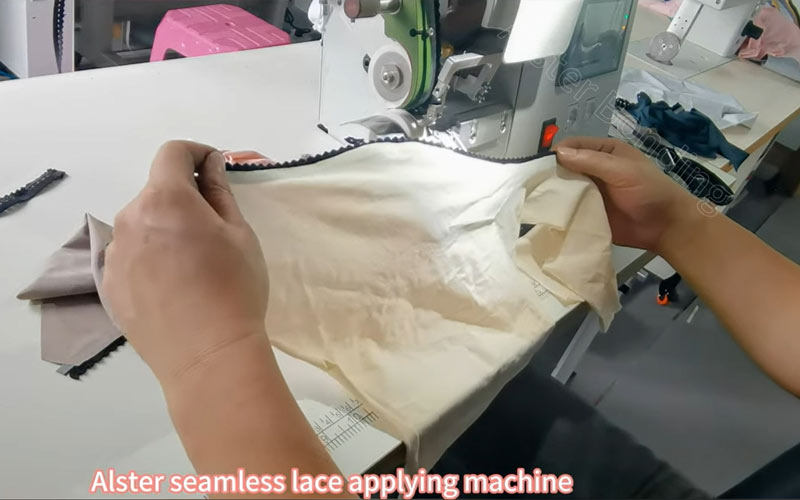
An ultrasonic lace cutting machine uses ultrasonic waves to create detailed lace patterns on textiles, chemical fibers, and other materials. By converting electrical energy into high-frequency mechanical vibrations, the machine can perform tasks such as sewing, cutting, embossing, and sealing edges. This process not only enhances the appearance of the material but also increases the overall product value.
Unlike traditional sewing methods, ultrasonic lace cutting machines do not require needles or thread. Instead, the ultrasonic vibrations generate localized heat that fuses the material together. This seamless process results in precise, durable, and aesthetically pleasing patterns that are highly resistant to wear and tear.
Key Functions of an Ultrasonic Lace Cutting Machine
Ultrasonic lace cutting machines are highly versatile and offer a wide range of functions that enhance production quality and efficiency. Here are some of the main functions:
- Seamless Stitching
The primary advantage of ultrasonic lace cutting machines is their ability to perform seamless stitching. This method eliminates the use of needles and threads, preventing issues such as stitch breakage or uneven stitching common with traditional sewing machines. The ultrasonic process bonds the materials at the molecular level, resulting in strong, durable seams. - Embossing
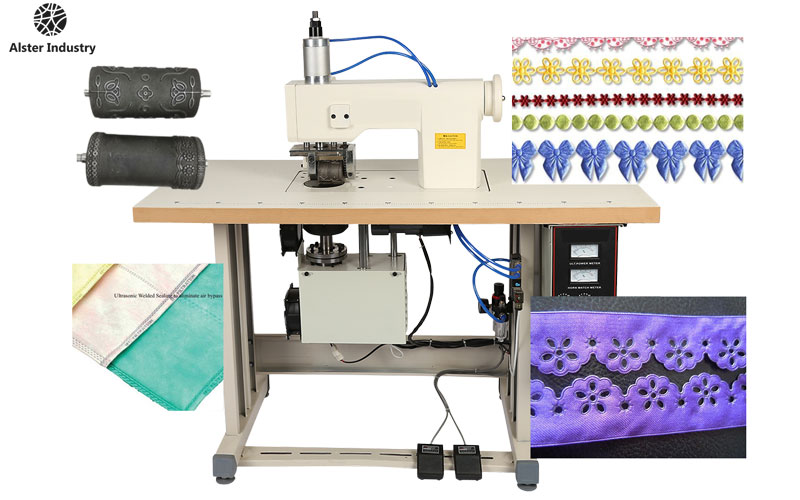
Ultrasonic lace machines can create detailed embossed patterns on textiles. This feature is especially useful for producing three-dimensional designs that add visual appeal and texture to products. By using ultrasonic vibration and embossing molds, manufacturers can achieve delicate and intricate patterns on a variety of materials, including fabrics, non-woven materials, and synthetic fibers. - Edge Trimming and Sealing
Another essential function of ultrasonic lace cutting machines is edge trimming and sealing. The machine can trim edges and seal them in a single operation, ensuring smooth and burr-free edges. This eliminates the need for additional post-processing steps, reducing labor costs and increasing overall production efficiency. - Punching
Ultrasonic lace cutting machines can also punch holes in fabrics with precision. This functionality is suitable for various hole sizes and is often used in the production of products such as filters, medical supplies, and automotive components. The precise and clean holes produced by ultrasonic machines enhance product quality and reduce waste. - Compounding and Bonding
Ultrasonic lace cutting machines can bond multiple layers of material through heat pressing, creating strong, seamless composite fabrics. This is particularly useful in industries such as medical textiles, automotive interiors, and construction materials, where multi-layered fabrics or composite materials are required for performance and durability.
How Does an Ultrasonic Lace Cutting Machine Work?
The working principle of an ultrasonic lace cutting machine is based on the conversion of electrical energy into high-frequency mechanical vibrations. The process can be broken down into the following steps:
- Ultrasonic Vibration
The ultrasonic generator converts electrical energy into high-frequency vibrations, typically ranging from 20 kHz to 40 kHz. These vibrations are transmitted to the surface of the material through the welding head or sonotrode. - Hot-Melt Effect
The ultrasonic vibrations generate local high temperatures at the point of contact with the material. This localized heating causes the material, especially synthetic fibers, to soften and melt under pressure. The heat-induced melting effect is ideal for processing chemical fibers like polyester, nylon, and polypropylene. - Pressing and Cutting
The welding head presses the heated materials together, fusing the edges to form a seamless bond. At the same time, the machine trims the edges, creating clean, smooth cuts. This simultaneous cutting and sealing process ensures that the edges are neat and durable. - Cooling and Solidifying
Once the ultrasonic vibrations stop, the material cools quickly, solidifying the bond. The result is a strong, clean edge or seam that holds the material together without the need for additional threads or adhesives.
Advantages of Ultrasonic Lace Cutting Machines
The adoption of ultrasonic lace cutting technology brings several significant advantages, both in terms of production efficiency and product quality. Some of the key benefits include:
- Increased Efficiency
Ultrasonic lace cutting machines are known for their speed and efficiency. The continuous operation of the machine allows for rapid production of high-quality lace and fabric patterns. Additionally, since there is no need for needles or thread, machine downtime is reduced, and material costs are minimized. - Environmental Benefits
Ultrasonic lace machines are more environmentally friendly than traditional sewing methods. The process does not require the use of thread, glue, or other consumables, which reduces waste and environmental pollution. Furthermore, the high precision of the machine ensures that there is minimal material waste during production. - Precision and Accuracy
One of the key advantages of ultrasonic lace cutting machines is their ability to perform highly precise and accurate stitching, cutting, and embossing. The ultrasonic vibrations enable the machine to work with intricate patterns, producing high-quality, uniform results across a wide range of materials. - Cost Savings
Since ultrasonic lace cutting machines do not rely on needles or thread, there are significant cost savings on consumables. Additionally, the increased speed and reduced need for manual intervention result in lower labor costs. Over time, these savings can lead to a significant reduction in overall production costs. - Durability and Longevity
The absence of needles and threads means that there is less wear and tear on the machine, leading to longer service life and less frequent maintenance. The ultrasonic technology also helps to produce seams and edges that are more durable and resistant to fraying and wear compared to traditional methods. - High-Quality Results
The ultrasonic process creates clean, smooth edges and beautiful lace patterns that enhance the overall appearance and value of the product. Whether producing clothing, home textiles, or nonwoven fabrics, the results are consistently high quality, with little to no variation between batches.
Applications of Ultrasonic Lace Cutting Machines
Ultrasonic lace cutting machines have a wide range of applications in various industries. They are especially popular in the textile, nonwoven fabric, and synthetic fiber industries. Some of the most common applications include:
- Clothing and Fashion Industry
Ultrasonic lace cutting machines are widely used in the fashion industry to create intricate lace patterns on fabrics, such as lingerie, dresses, and outerwear. The machines can also be used for edge sealing and cutting, ensuring that the finished garments have smooth, professional finishes. - Home Textiles
Home textile products such as bed linens, curtains, and cushions can benefit from ultrasonic lace cutting machines. The ability to create precise lace patterns and smooth edges makes them ideal for enhancing the appearance and functionality of these items. - Medical Textiles
Nonwoven fabrics, including surgical gowns, masks, and other medical textiles, are commonly processed using ultrasonic lace cutting machines. The machines can perform seamless bonding and edge sealing, ensuring that the products are both durable and hygienic. - Automotive Industry
Ultrasonic lace cutting machines are also used in the automotive industry for processing interior fabrics and components. They can bond multi-layer materials and create precise cuts for upholstery and other car parts, improving both functionality and aesthetics. - Packaging Industry
Thin plastic materials such as PVC and PET are commonly processed using ultrasonic lace cutting machines. The machines can cut, emboss, and seal plastic materials, making them ideal for packaging bags, plastic sheets, and other products.
Conclusion
Ultrasonic lace cutting machines are a game-changer in the textile and manufacturing industries. Their ability to perform seamless stitching, precise cutting, embossing, and edge sealing without the need for traditional needles or threads offers numerous benefits in terms of efficiency, quality, and cost savings. With applications across a wide range of industries, from fashion to medical textiles, these machines are becoming an indispensable tool for modern production lines. By choosing an ultrasonic lace cutting machine from a trusted manufacturer like Alster, businesses can achieve high-quality results while reducing environmental impact and operational costs.
For more information on ultrasonic lace cutting machines and to explore Alster’s offerings, contact us today!