
In the ever-evolving world of fashion, seamless garments have emerged as a game-changer, offering consumers comfort, durability, and an innovative look. To produce these high-performance garments, manufacturers have turned to cutting-edge materials, such as hot melt adhesive films. These films provide the perfect solution for bonding fabrics without the need for traditional stitching, offering benefits like a smoother finish, faster production times, and increased flexibility in design. In this blog post, we will delve into the role of hot melt adhesive films in the production of seamless garments, explore their advantages, applications, and how they are shaping the future of the fashion industry.
What is Hot Melt Adhesive Film?
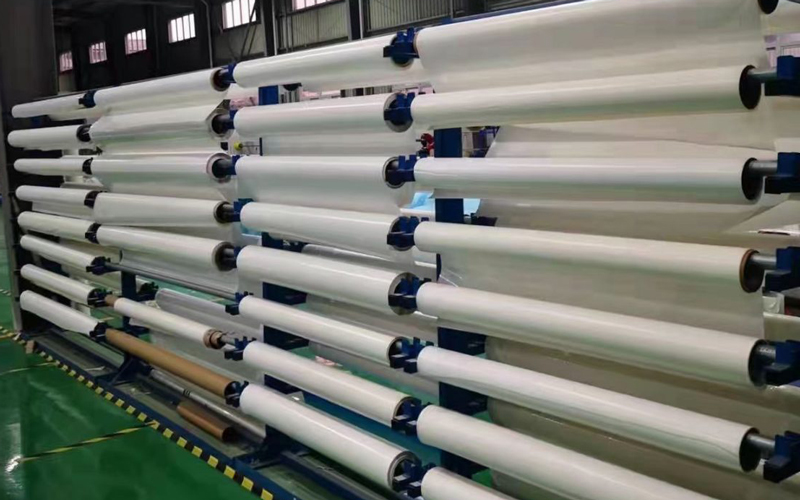
Hot melt adhesive films are a type of thermoplastic material that becomes soft and adhesive when heated to a specific temperature. These films are typically composed of a combination of polymers and resins that provide excellent adhesion properties when activated by heat. The key feature of hot melt adhesive films is their ability to bond two materials together without the need for sewing, which makes them particularly useful in applications like seamless garment production.
The film is usually applied between layers of fabric using heat and pressure, which causes it to melt and bond the fabrics together. Once the film cools and solidifies, it forms a strong, permanent bond that can withstand various stresses and strains.
How Hot Melt Adhesive Films Work in Seamless Garment Manufacturing
Hot melt adhesive films play a crucial role in the manufacturing process of seamless garments. Traditional garment manufacturing involves stitching fabrics together, which can be time-consuming and often results in visible seams. The introduction of hot melt adhesive films has revolutionized this process by offering a quicker, more efficient alternative to sewing.
Process Overview:
- Preparation of Materials: The fabric pieces are laid out and aligned properly, ready for bonding.
- Application of Hot Melt Adhesive Film: The hot melt adhesive film is placed between the layers of fabric, typically using a heat press or ultrasonic welding technology.
- Heat Activation: The fabric and adhesive film are subjected to a specific temperature that causes the film to melt and bond the fabric layers together.
- Cooling and Solidification: After the bonding process, the materials are allowed to cool, solidifying the bond and ensuring a permanent connection between the fabrics.
This method allows for the creation of smooth, seamless garments without the need for visible stitching, resulting in a sleek and aesthetically pleasing design.
Advantages of Hot Melt Adhesive Film in Seamless Garments
The use of hot melt adhesive films in seamless garment manufacturing offers a variety of advantages over traditional sewing methods. Here are some of the key benefits:
1. Seamless Finish
One of the main reasons why hot melt adhesive films are used in seamless garment production is their ability to create a smooth, stitch-free finish. The absence of seams not only enhances the aesthetic appeal of the garment but also improves the overall comfort. Without seams, there are fewer friction points, reducing the likelihood of irritation or discomfort when the garment is worn.
2. Increased Durability
Hot melt adhesive films provide strong, durable bonds that are resistant to wear and tear. Unlike stitched seams that can unravel over time, adhesive bonds remain intact for the lifespan of the garment. This increased durability makes hot melt adhesive films an excellent choice for high-performance clothing, such as sportswear or outerwear, which undergoes frequent use and stress.
3. Flexibility and Design Freedom
Seamless garment production allows for more creative freedom in design. Designers can experiment with new shapes, cuts, and textures without worrying about the constraints imposed by traditional stitching. Hot melt adhesive films can be used to bond a variety of materials, including lightweight fabrics, stretch materials, and technical textiles, giving designers the flexibility to create garments with intricate designs and multi-material constructions.
4. Faster Production Times
The use of hot melt adhesive films significantly speeds up the manufacturing process. Traditional stitching methods can be time-consuming, especially when dealing with complex seams or delicate fabrics. By eliminating the need for sewing, hot melt adhesive films allow manufacturers to produce garments more quickly, which is particularly beneficial in high-demand situations or when meeting tight deadlines.
5. Reduced Costs
Faster production times translate into cost savings. Manufacturers can streamline their processes and reduce labor costs associated with traditional sewing. Additionally, because hot melt adhesive films are often applied using automated machinery, there is less risk of human error, resulting in fewer defects and less waste.
6. Enhanced Comfort
Seamless garments made with hot melt adhesive films are often more comfortable than their sewn counterparts. The absence of bulky seams and stitches means that the fabric sits closer to the skin, offering a smoother, more comfortable fit. This is especially important in activewear, where comfort and freedom of movement are essential.
Applications of Hot Melt Adhesive Film in the Fashion Industry
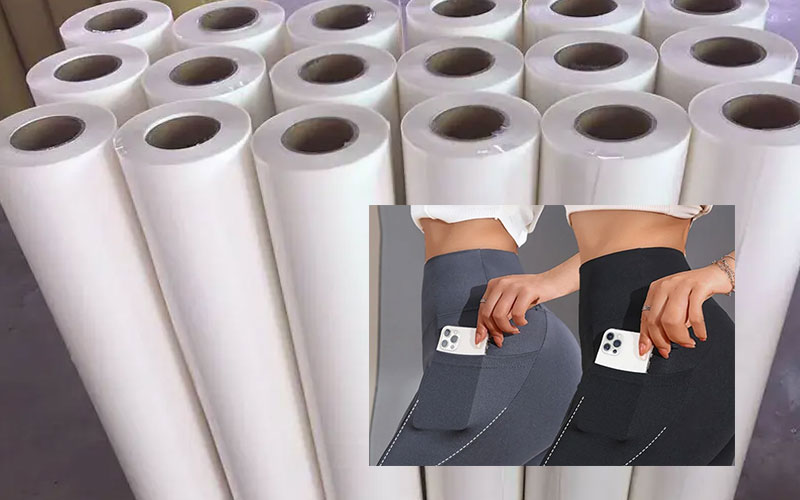
Hot melt adhesive films have a wide range of applications in the fashion industry, particularly in the production of seamless garments. Here are some examples of how they are being used:
1. Sportswear and Activewear
The sportswear industry is one of the primary sectors benefiting from the use of hot melt adhesive films. These garments often need to be lightweight, breathable, and flexible, which makes seamless construction particularly advantageous. Hot melt adhesive films help create durable, stretchable garments that can withstand the rigors of physical activity while providing maximum comfort.
2. Underwear and Lingerie
Seamless underwear and lingerie are another area where hot melt adhesive films are gaining popularity. These garments require a soft, smooth finish with no visible seams to ensure comfort and a sleek appearance. Hot melt adhesive films provide the ideal solution, offering a gentle bond that won’t irritate the skin while maintaining a high level of durability.
3. Outdoor and Performance Gear
Outdoor and performance gear, such as jackets, coats, and gloves, often require robust, high-performance materials. Hot melt adhesive films are used to bond layers of fabric together, creating garments that are both lightweight and durable. These garments can withstand extreme conditions without compromising on comfort or functionality.
4. Fashion and High-End Apparel
Seamless construction is not limited to functional garments—it has also made its way into high-end fashion. Designers are increasingly turning to hot melt adhesive films to create luxurious, seam-free garments that offer a modern, minimalist aesthetic. These garments are often made from delicate or innovative materials that require precise bonding to achieve the desired look.
Choosing the Right Hot Melt Adhesive Film
While hot melt adhesive films offer many benefits, it is important to choose the right type of film for a given application. Different adhesive films have different properties, and selecting the wrong one can result in poor bonding or undesirable effects on the fabric.
Here are some factors to consider when choosing a hot melt adhesive film for seamless garment production:
- Fabric Type: Different fabrics require different types of adhesive films. For example, lightweight fabrics like cotton or polyester may require a thinner, more flexible film, while heavier materials like nylon or leather may require a thicker, stronger film.
- Temperature Resistance: Hot melt adhesive films vary in their temperature resistance. It is important to select a film that can withstand the temperatures the garment will be exposed to during use.
- Durability: The strength of the adhesive bond is critical, especially for garments that will undergo heavy use. Be sure to choose a film with the appropriate durability for your needs.
- Stretchability: For garments that require a high degree of flexibility, such as activewear, a stretchable adhesive film is essential to allow for movement and comfort.
Challenges in Using Hot Melt Adhesive Films
While hot melt adhesive films offer numerous benefits, they are not without their challenges. One of the primary concerns is ensuring that the film bonds effectively with the fabric. If the adhesive is not activated correctly or if the wrong type of film is used, the bond may be weak, leading to garment failure.
Additionally, the cost of hot melt adhesive films can be higher than traditional stitching methods, which may be a barrier for some manufacturers. However, the long-term cost savings associated with faster production times and reduced labor costs often outweigh the initial investment.
Future Trends in Hot Melt Adhesive Film Technology
As the demand for seamless garments continues to rise, the technology behind hot melt adhesive films is expected to evolve. Future advancements may focus on improving the flexibility, strength, and environmental impact of adhesive films. For instance, the development of biodegradable or eco-friendly adhesive films is likely to become a key area of focus as sustainability becomes a greater concern in the fashion industry.
Conclusion
Hot melt adhesive films have revolutionized the production of seamless garments, offering manufacturers and designers a way to create high-performance, stylish, and comfortable clothing without the need for traditional stitching. These films provide numerous advantages, including faster production times, increased durability, and enhanced comfort, making them an essential tool in the modern garment industry. As the technology continues to evolve, it is likely that we will see even more innovative uses for hot melt adhesive films in the fashion industry, further shaping the future of seamless garment manufacturing.
By embracing these advancements, manufacturers can continue to push the boundaries of design and production, offering consumers the next generation of fashion.