
With the rapid development of textile, automotive, electronics, footwear, medical, and industrial manufacturing industries, the demand for advanced bonding solutions has continued to grow. Traditional liquid adhesives often involve complicated application processes, long curing times, solvent emissions, and inconsistent bonding performance. As a result, many manufacturers are turning to thermoplastic polyurethane (TPU) hot melt adhesive films as an efficient and environmentally friendly alternative.
TPU hot melt adhesive film is a high-performance thermoplastic bonding material that provides strong adhesion, excellent flexibility, good elasticity, and resistance to environmental factors. It can be activated through heat and pressure, creating a durable bond between different materials without the need for solvents or additional liquid adhesives.
Choosing the right TPU hot melt adhesive film manufacturer is an important decision for companies that require stable product quality, customized solutions, and reliable supply capacity. A professional manufacturer can provide adhesive films with consistent performance, suitable formulations, and technical support for different industrial applications.
This article will introduce the characteristics, manufacturing process, applications, advantages, and key factors to consider when selecting a TPU hot melt adhesive film supplier.
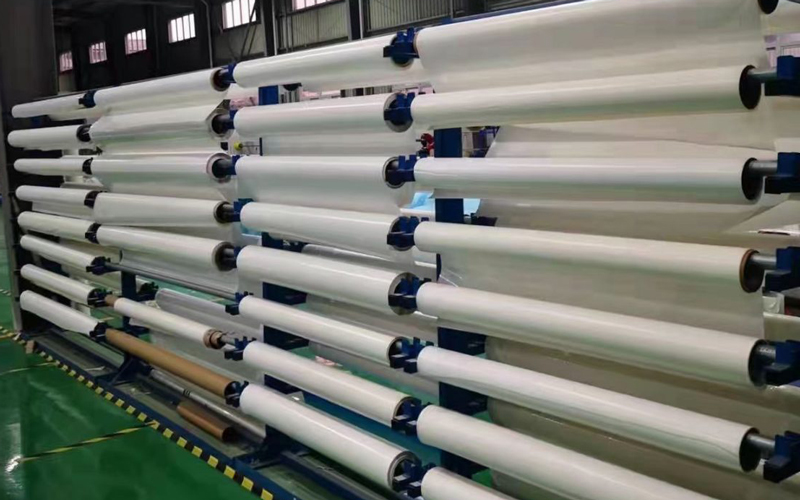
What Is TPU Hot Melt Adhesive Film?
TPU hot melt adhesive film is a type of thermoplastic adhesive material made from thermoplastic polyurethane resin. Unlike conventional adhesives that remain liquid during application, this adhesive is produced in a solid film form and becomes activated when heated to a specific temperature.
During the bonding process, the TPU film melts and flows into the surface structures of the materials being joined. After cooling, it forms a strong and flexible adhesive layer that provides long-lasting bonding performance.
The unique molecular structure of TPU allows the adhesive film to combine the advantages of rubber-like elasticity and plastic-like durability. This makes it suitable for applications where flexibility, abrasion resistance, and strong bonding strength are required.
TPU hot melt adhesive films are available in different thicknesses, widths, hardness levels, melting temperatures, and performance characteristics. Manufacturers can customize the material according to customer requirements, including bonding temperature, processing method, and final application environment.
Advantages of TPU Hot Melt Adhesive Film
1. Strong Bonding Performance
One of the most important advantages of TPU hot melt adhesive film is its excellent bonding strength. It can effectively bond various materials, including textiles, leather, plastics, metals, and synthetic materials.
The adhesive layer creates a uniform connection between surfaces, reducing the risk of separation caused by mechanical stress or environmental conditions. This makes TPU films suitable for products that require long-term reliability.
2. Excellent Flexibility and Elasticity
TPU materials are known for their outstanding flexibility. Compared with rigid adhesive materials, TPU hot melt adhesive films can maintain bonding performance even when the bonded products are bent, stretched, or repeatedly moved.
This characteristic is especially valuable in industries such as clothing, footwear, sports equipment, and automotive interiors, where materials frequently experience deformation during use.
3. Environmentally Friendly Bonding Solution
Environmental requirements have become increasingly important in modern manufacturing. TPU hot melt adhesive films do not require solvent-based adhesives during application, helping reduce harmful emissions and improve workplace safety.
The solvent-free bonding process also simplifies production procedures and reduces the need for additional drying equipment.
4. Easy Processing and High Production Efficiency
TPU hot melt adhesive film can be applied through various heating methods, including heat pressing, ironing, laminating, and thermal transfer processes.
Because the adhesive film is supplied in a solid form, it allows manufacturers to achieve cleaner and more precise bonding compared with liquid adhesives. Automated production lines can also integrate TPU adhesive films easily, improving manufacturing efficiency.
5. Excellent Resistance Properties
High-quality TPU adhesive films provide good resistance to:
- Moisture
- Wear and abrasion
- Chemicals
- Low temperatures
- Aging
- Repeated bending
These properties help extend product service life and improve overall product reliability.
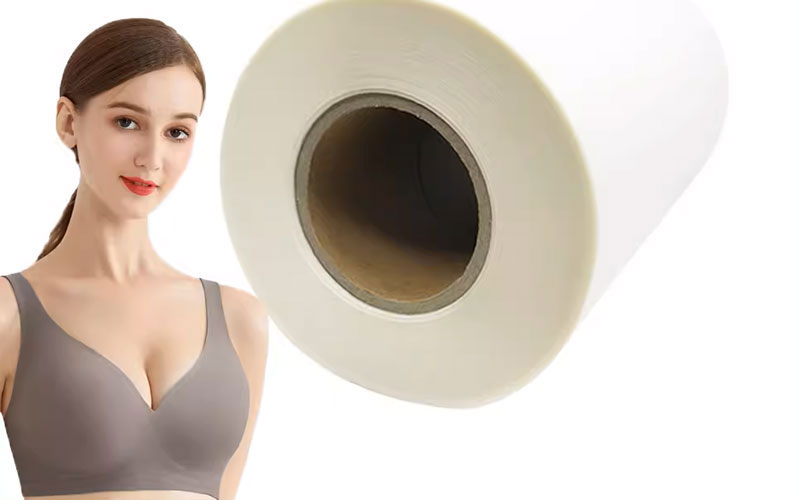
Manufacturing Process of TPU Hot Melt Adhesive Film
A professional TPU hot melt adhesive film manufacturer needs advanced production technology and strict quality control systems to ensure consistent product performance.
The manufacturing process generally includes several important steps.
1. Raw Material Selection
The first step is selecting suitable TPU resin materials. Different TPU formulations provide different characteristics, such as hardness, elasticity, melting temperature, and chemical resistance.
Manufacturers must carefully select raw materials according to the intended application requirements.
2. Material Mixing and Modification
During production, TPU raw materials may be mixed with specific additives to improve certain properties.
For example:
- Improved flexibility for textile applications
- Higher temperature resistance for industrial uses
- Enhanced bonding strength for difficult surfaces
- Better aging resistance for outdoor products
Precise formulation control is essential for achieving stable adhesive performance.
3. Film Extrusion
After preparation, TPU materials are processed through extrusion equipment to create continuous adhesive film.
The extrusion process controls:
- Film thickness
- Width accuracy
- Surface quality
- Material uniformity
Advanced extrusion technology helps ensure that each roll of adhesive film meets required specifications.
4. Cooling and Surface Treatment
After extrusion, the hot film is cooled and stabilized. Some TPU adhesive films may receive additional surface treatments to improve handling performance or enhance compatibility with specific materials.
5. Quality Inspection
Before shipment, manufacturers conduct various tests to verify product performance, including:
- Adhesion strength testing
- Thickness measurement
- Melting temperature analysis
- Flexibility testing
- Aging resistance testing
- Appearance inspection
Strict quality management ensures customers receive reliable adhesive materials for industrial production.
Applications of TPU Hot Melt Adhesive Film
TPU hot melt adhesive films are widely used across multiple industries due to their excellent bonding ability and flexible performance.
Textile and Apparel Industry
The textile industry is one of the major application fields of TPU adhesive films.
They are commonly used for:
- Seam sealing
- Fabric bonding
- Waterproof clothing production
- Functional textile manufacturing
- Decorative pattern attachment
Compared with traditional sewing or liquid adhesive methods, TPU films can provide cleaner appearance and improved waterproof performance.
Footwear Manufacturing
In footwear production, TPU hot melt adhesive films are used for bonding different components, including:
- Upper materials
- Decorative elements
- Reinforcement layers
- Synthetic leather parts
The flexibility and durability of TPU make it suitable for shoes that require repeated bending and movement.
Automotive Industry
Modern automotive manufacturing increasingly uses lightweight and high-performance materials. TPU adhesive films are applied in automotive interiors, including:
- Seat materials
- Door panels
- Decorative fabrics
- Interior trims
Their resistance to temperature changes and mechanical stress makes them suitable for demanding automotive environments.
Electronics Industry
The electronics sector requires precise and reliable bonding solutions. TPU adhesive films can be used for:
- Protective layers
- Flexible components
- Display-related applications
- Electronic accessory assembly
Their thin structure and clean processing advantages make them suitable for high-precision manufacturing.
Medical Products
Medical products often require safe, flexible, and durable bonding materials. TPU adhesive films can be found in applications such as:
- Medical textile products
- Protective equipment
- Wearable devices
- Healthcare-related materials
Their flexibility and skin-friendly characteristics make them suitable for specialized medical applications.
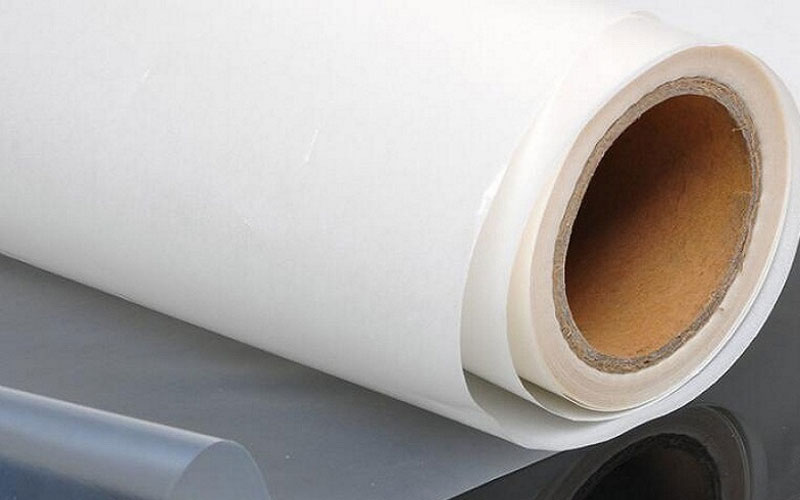
How to Choose a Reliable TPU Hot Melt Adhesive Film Manufacturer?
Selecting the right supplier is essential for maintaining product quality and production efficiency. Companies should evaluate several important factors before cooperation.
1. Production Capability
A reliable manufacturer should have professional production equipment, stable manufacturing processes, and sufficient capacity to support customer requirements.
Large-scale production capability helps ensure consistent supply and reduces delivery risks.
2. Product Customization Ability
Different industries require different adhesive properties. A professional supplier should provide customized solutions based on:
- Material type
- Bonding temperature
- Application method
- Required flexibility
- Environmental conditions
Customization capability allows customers to achieve better bonding performance.
3. Quality Control System
Quality consistency is critical for industrial applications. Manufacturers should have strict inspection procedures covering raw materials, production processes, and finished products.
A strong quality control system helps prevent performance variations between batches.
4. Technical Support
A good supplier should not only provide products but also offer technical guidance.
Professional support can help customers select the correct adhesive film type, optimize bonding parameters, and solve production challenges.
5. Industry Experience
Experience in different application fields allows manufacturers to better understand customer requirements.
A supplier with extensive technical knowledge can provide more effective solutions for complex bonding applications.
Conclusion
TPU hot melt adhesive film has become an important bonding solution for many modern industries because of its strong adhesion, flexibility, environmental advantages, and processing efficiency. From textiles and footwear to automotive, electronics, and medical applications, this material provides reliable performance for manufacturers seeking advanced bonding technologies.
Working with an experienced TPU hot melt adhesive film manufacturer helps companies obtain stable quality products, customized solutions, and professional technical support. When selecting a supplier, businesses should consider production capability, quality management, customization services, and industry experience to ensure long-term cooperation.
As industries continue moving toward sustainable manufacturing and high-performance materials, TPU hot melt adhesive films will play an increasingly important role in global manufacturing supply chains.
For companies looking for professional TPU adhesive film solutions and advanced bonding technology support, Alster provides reliable expertise and manufacturing capabilities to meet diverse industrial requirements.