
In modern manufacturing industries, bonding and assembly processes require high efficiency, strong adhesion, and consistent quality. Traditional manual gluing methods are gradually being replaced by automated solutions that can improve productivity and reduce labor costs. Among these advanced bonding solutions, the hot glue pasting machine has become an essential piece of equipment for many industries, including packaging, printing, electronics, woodworking, textiles, and consumer goods manufacturing.
A hot glue pasting machine is designed to apply hot melt adhesive accurately and efficiently onto different materials. By using heated glue that melts into a liquid state and solidifies quickly after application, this machine provides strong bonding performance while improving production speed and reducing material waste.
With the continuous development of automated production lines, more manufacturers are investing in reliable hot glue application equipment to achieve better production efficiency and product quality. Understanding how a hot glue pasting machine works, its advantages, applications, and selection methods can help businesses choose the right solution for their production needs.
What Is a Hot Glue Pasting Machine?
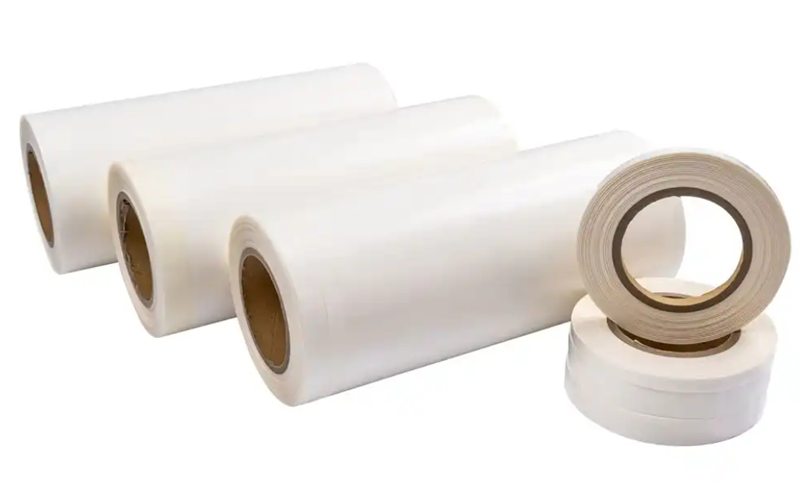
A hot glue pasting machine is an industrial adhesive application device that uses hot melt glue to bond different materials together. Unlike traditional liquid adhesives that require long drying times, hot melt glue becomes adhesive after being heated and quickly forms a strong bond when it cools.
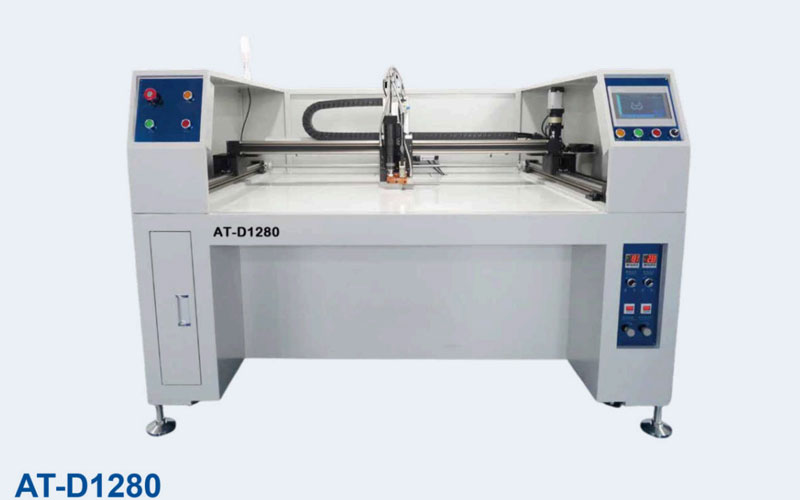
The machine usually consists of several key components:
- Hot melt glue tank or melting unit
- Heating system
- Glue delivery system
- Application nozzle or roller
- Control panel
- Conveyor or feeding mechanism
The heating system melts solid glue pellets, sticks, or blocks into a liquid form. The melted adhesive is then transported through pipes or pumps and applied onto the target surface through spraying, rolling, or extrusion methods.
Because hot melt adhesive does not require solvents and offers fast bonding speed, hot glue pasting machines are widely used in automated manufacturing environments where accuracy and efficiency are important.
How Does a Hot Glue Pasting Machine Work?
The working process of a hot glue pasting machine is relatively simple but highly efficient.
1. Glue Melting Process
The first step is heating the hot melt adhesive inside the melting tank. The machine maintains a controlled temperature to ensure that the glue remains in the ideal liquid state.
Proper temperature control is important because:
- Low temperatures may cause incomplete melting and poor bonding
- Excessive temperatures may damage adhesive performance
- Stable temperature improves application consistency
2. Glue Transportation
After melting, the adhesive is delivered through a pumping system or pressure system to the application unit.
Depending on the machine design, glue can be delivered through:
- Heated hoses
- Glue pipes
- Automatic pumps
- Pressure tanks
The transportation system ensures continuous adhesive supply during high-speed production.
3. Adhesive Application
The hot glue pasting machine applies adhesive onto materials using different methods:
- Spray application
- Roller coating
- Slot coating
- Dot gluing
- Line gluing
Different application methods are selected based on product requirements. For example, packaging manufacturers may need precise line gluing, while textile applications may require wider adhesive coverage.
4. Bonding and Cooling
After hot glue is applied, the materials are pressed together. As the adhesive cools, it quickly becomes solid and creates a strong bond.
Compared with traditional adhesives, hot melt glue provides:
- Fast setting time
- Strong initial adhesion
- Clean bonding process
- Improved production efficiency
Main Types of Hot Glue Pasting Machines
Different industries have different adhesive requirements, which has resulted in various types of hot glue pasting machines.
Automatic Hot Glue Pasting Machine
Automatic models are designed for large-scale industrial production. They can integrate with production lines and perform continuous adhesive application without manual operation.
Advantages include:
- High production speed
- Consistent glue distribution
- Reduced labor requirements
- Better production stability
These machines are commonly used in packaging factories, carton production, and assembly lines.
Manual Hot Glue Pasting Machine
Manual machines are suitable for small production volumes or customized manufacturing.
Operators control the adhesive application process manually, making them ideal for:
- Small workshops
- Prototype production
- Repair applications
- Low-volume manufacturing
Although production speed is lower, manual machines offer flexibility and lower investment costs.
Spray Hot Glue Pasting Machine
Spray-type machines distribute adhesive through specialized spray nozzles.
They are suitable for applications requiring:
- Large surface coverage
- Lightweight materials
- Uniform adhesive layers
Common applications include furniture manufacturing, automotive interiors, and insulation materials.
Roller Hot Glue Pasting Machine
Roller systems apply adhesive through rotating rollers.
They are widely used in industries requiring continuous coating, such as:
- Paper products
- Packaging materials
- Laminated products
- Decorative panels
Roller application provides stable glue thickness and efficient material processing.
Advantages of Using a Hot Glue Pasting Machine
The popularity of hot glue pasting machines comes from their significant production benefits.
High Production Efficiency
One of the biggest advantages is faster bonding speed. Since hot melt glue solidifies quickly, products can move through production lines faster.
This helps manufacturers:
- Increase output capacity
- Reduce production time
- Improve delivery efficiency
Strong Adhesion Performance
Hot melt adhesive provides excellent bonding strength for many materials, including:
- Paper
- Plastic
- Fabric
- Wood
- Foam
- Metal surfaces
A properly selected adhesive and machine setting can provide long-lasting bonding performance.
Reduced Material Waste
Manual glue application often results in uneven glue distribution and excessive adhesive usage.
A hot glue pasting machine provides accurate control over:
- Glue amount
- Application position
- Adhesive thickness
This reduces waste and lowers production costs.
Environmentally Friendly Operation
Many hot melt adhesives are solvent-free, making them safer compared with solvent-based adhesives.
Benefits include:
- Lower emissions
- Cleaner working environment
- Reduced chemical hazards
Easy Integration With Automation
Modern hot glue pasting machines can be connected with automated production equipment, including:
- Conveyor systems
- Robotic arms
- Packaging machines
- Assembly lines
This makes them suitable for smart manufacturing environments.
Applications of Hot Glue Pasting Machines
Hot glue pasting machines are used across many industries because of their flexibility and efficiency.
Packaging Industry
Packaging is one of the largest application areas.
Manufacturers use hot glue machines for:
- Carton sealing
- Box assembly
- Label attachment
- Packaging reinforcement
Fast bonding speed makes hot melt adhesive ideal for high-volume packaging production.
Printing Industry
In printing and paper processing, hot glue pasting machines are used for:
- Bookbinding
- Magazine production
- Paper lamination
- Promotional material assembly
The precise adhesive application helps improve product appearance and durability.
Furniture and Woodworking Industry
Wood manufacturers use hot glue machines for:
- Edge bonding
- Decorative panel assembly
- Veneer fixing
- Furniture component bonding
Hot melt adhesive provides fast processing and strong adhesion.
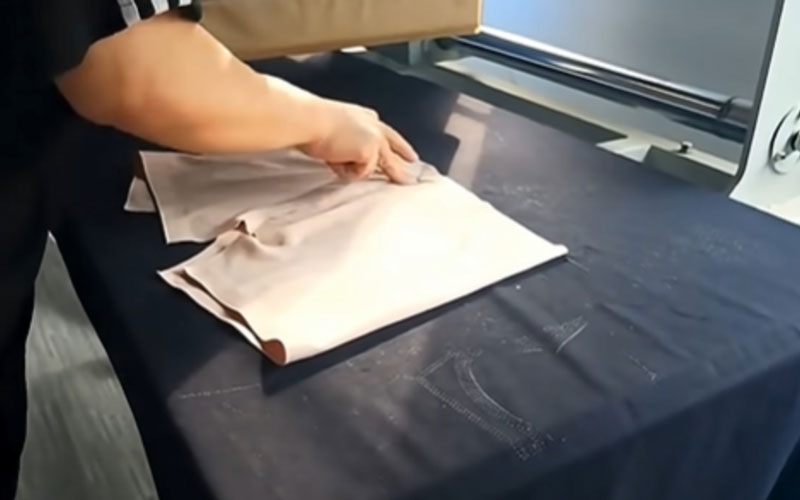
Textile Industry
In textile production, these machines are used for:
- Fabric bonding
- Clothing accessories
- Nonwoven material processing
- Textile lamination
They help manufacturers achieve clean and efficient bonding without traditional sewing methods.
Electronics Industry
Electronic product assembly often requires precise adhesive application.
Hot glue pasting machines can be used for:
- Component fixing
- Cable management
- Protective bonding
Their accuracy makes them suitable for delicate manufacturing processes.
How to Choose the Right Hot Glue Pasting Machine?
Selecting the correct machine depends on several factors.
Consider Production Requirements
Manufacturers should evaluate:
- Production volume
- Material type
- Required bonding speed
- Automation level
High-volume factories usually require fully automatic systems, while smaller businesses may choose simpler models.
Check Adhesive Compatibility
Different hot melt adhesives have different melting temperatures and bonding characteristics.
Before purchasing equipment, confirm:
- Glue type compatibility
- Temperature requirements
- Application method
Evaluate Machine Accuracy
For industries requiring high-quality products, adhesive precision is critical.
Important factors include:
- Glue flow control
- Nozzle accuracy
- Temperature stability
- Application consistency
Consider Maintenance Requirements
A reliable machine should be easy to maintain.
Important features include:
- Simple cleaning process
- Replaceable components
- Stable heating system
- Easy operation controls
Maintenance Tips for Hot Glue Pasting Machines
Proper maintenance can extend equipment life and maintain production quality.
Clean Glue Residue Regularly
Excess adhesive buildup may affect machine performance. Regular cleaning prevents:
- Blocked nozzles
- Uneven glue application
- Reduced efficiency
Maintain Temperature Settings
Incorrect temperature can affect adhesive performance. Operators should regularly check heating systems and temperature controllers.
Inspect Key Components
Regular inspections should include:
- Pumps
- Hoses
- Nozzles
- Heating elements
- Control systems
Early detection of problems can reduce downtime.
Follow Manufacturer Guidelines
Operators should follow recommended maintenance schedules and operating procedures to ensure safe and stable operation.
Future Development Trends of Hot Glue Pasting Machines
With the growth of smart manufacturing, hot glue pasting machines are becoming more advanced.
Future trends include:
Higher Automation
More machines will include:
- Intelligent control systems
- Automatic adjustment functions
- Real-time monitoring
Energy Efficiency
Manufacturers are developing machines with improved heating systems to reduce energy consumption.
Better Precision Control
Advanced sensors and digital controls will improve glue application accuracy and reduce waste.
Integration With Smart Factories
Hot glue equipment will increasingly connect with factory management systems to support automated production monitoring.
Conclusion
A hot glue pasting machine is an efficient and reliable solution for modern adhesive application requirements. With advantages such as fast bonding speed, strong adhesion, accurate glue control, and easy automation integration, it has become an important tool across packaging, printing, woodworking, textiles, electronics, and many other industries.
For manufacturers looking to improve production efficiency and product quality, choosing the right hot glue pasting machine can provide significant long-term benefits. By understanding different machine types, applications, and selection factors, businesses can invest in equipment that meets their specific production requirements and supports future growth.