
TPU film manufacturers in China play a critical role in supplying high-performance thermoplastic polyurethane films to global industries. These materials have become essential in modern manufacturing due to their excellent elasticity, transparency, abrasion resistance, and strong bonding capability with a wide range of substrates.
As industries such as textiles, automotive, electronics, medical devices, and packaging continue to evolve, demand for TPU film has increased significantly. China has developed into one of the leading production hubs for TPU film thanks to its mature industrial chain, advanced production equipment, and cost-efficient manufacturing capabilities.
This article provides a comprehensive overview of TPU film, including its properties, production process, applications, and how to select reliable TPU film manufacturers in China for different industrial needs.
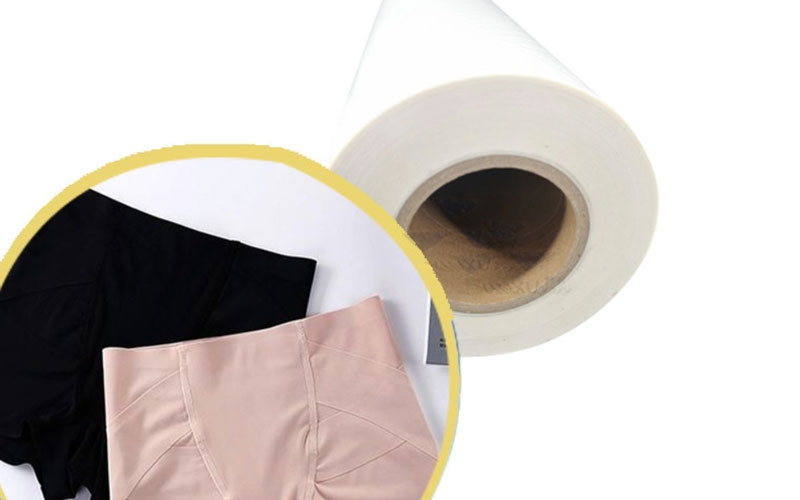
What is TPU Film?
TPU film (Thermoplastic Polyurethane film) is a flexible polymer material made from polyurethane elastomers. It combines the characteristics of rubber and plastic, offering both elasticity and durability.
Unlike traditional PVC or PE films, TPU film provides:
- Higher tensile strength
- Better environmental resistance
- Superior flexibility at low temperatures
- Strong adhesion performance
- Non-toxic and eco-friendly composition
TPU film is widely used in industries requiring durable, flexible, and transparent materials.
Key Properties of TPU Film
TPU film manufacturers in China produce materials with a wide range of functional properties tailored to industrial requirements.
1. High Elasticity
TPU film can stretch significantly without losing its original shape, making it ideal for applications requiring flexibility.
2. Excellent Abrasion Resistance
It performs well under repeated mechanical stress, which is important in textile lamination and protective coatings.
3. Temperature Resistance
TPU film maintains stable performance in both low and high-temperature environments, typically ranging from -40°C to 120°C depending on formulation.
4. Transparency and Aesthetic Quality
Many TPU films are highly transparent, making them suitable for visible surface applications such as protective layers and fashion materials.
5. Chemical Resistance
It offers resistance to oils, greases, and various industrial chemicals.
6. Eco-Friendly Characteristics
Modern TPU films are free from harmful plasticizers and can be recycled under certain conditions.
TPU Film Manufacturing Process
Understanding how TPU film is produced helps explain the differences between suppliers and product performance levels.
1. Raw Material Preparation
TPU resin is the primary raw material. It is selected based on hardness, flexibility, and end-use requirements.
2. Extrusion Process
The resin is melted and processed through an extrusion system to form a uniform film sheet. Precision temperature control is essential at this stage.
3. Casting or Calendering
Depending on product type, TPU film is either:
- Cast TPU film: produced with smooth surface and high transparency
- Calendered TPU film: produced through rolling for specific thickness control
4. Cooling and Shaping
The film is cooled gradually to maintain structural stability and prevent deformation.
5. Surface Treatment
Some TPU films undergo corona treatment, coating, or embossing to enhance adhesion or texture.
6. Slitting and Packaging
Final films are cut into required widths and packed for industrial distribution.
Types of TPU Film Produced in China
TPU film manufacturers in China offer a wide range of product types depending on application needs.
1. Hot Melt TPU Film
Used for bonding fabrics, leather, and composite materials. It activates under heat and pressure.
2. Waterproof TPU Film
Designed for outdoor and protective applications such as rainwear, medical covers, and inflatable products.
3. Matte TPU Film
Provides a non-glossy surface suitable for fashion textiles and decorative applications.
4. High-Elastic TPU Film
Used in sportswear and garments requiring extreme flexibility.
5. Optical-Grade TPU Film
Offers high transparency for electronic and display protection.
6. Flame-Retardant TPU Film
Used in industrial environments requiring fire safety compliance.
Applications of TPU Film
TPU film is widely used across multiple industries due to its adaptability and performance advantages.
1. Textile and Apparel Industry
TPU film is commonly used in:
- Seamless underwear bonding
- Sportswear lamination
- Waterproof jackets
- Decorative garment applications
It provides comfort, flexibility, and durability without adding weight.
2. Footwear Industry
It is used for:
- Shoe uppers
- Reinforcement layers
- Waterproof lining
TPU film enhances durability while maintaining breathability.
3. Medical Industry
Applications include:
- Medical protective clothing
- Inflatable medical devices
- Waterproof medical covers
Its non-toxic nature makes it suitable for hygiene-sensitive environments.
4. Automotive Industry
TPU film is used for:
- Interior surface protection
- Wire harness wrapping
- Noise reduction materials
It helps improve both aesthetics and durability of automotive components.
5. Electronics Industry
Used for:
- Screen protection layers
- Flexible circuit insulation
- Device waterproof sealing
Its transparency and flexibility make it ideal for modern electronic devices.
6. Packaging Industry
TPU film is also used in specialized packaging requiring elasticity and durability.
Advantages of TPU Film Manufacturers in China
China has become a global center for TPU film production due to several advantages.
1. Advanced Production Technology
Manufacturers utilize modern extrusion and coating systems to ensure consistent product quality.
2. Large-Scale Production Capacity
High-output production lines enable efficient fulfillment of bulk orders.
3. Cost Efficiency
Optimized supply chains and raw material sourcing reduce overall production costs.
4. Customization Capability
Manufacturers can adjust:
- Thickness
- Hardness
- Transparency
- Surface texture
to meet different industry requirements.
5. Strong Export Experience
Many suppliers are experienced in serving international markets with standardized packaging and logistics.
How to Choose Reliable TPU Film Manufacturers in China
Selecting the right supplier is crucial for product performance and long-term stability.
1. Evaluate Production Capability
Check whether the manufacturer has:
- Advanced extrusion equipment
- Stable production lines
- Quality control systems
2. Check Material Consistency
Consistent TPU formulation ensures stable performance across batches.
3. Assess Customization Services
A good manufacturer should offer flexible solutions based on:
- Application requirements
- Thickness range
- Surface treatment options
4. Review Quality Standards
Look for compliance with:
- Industrial testing standards
- Environmental safety regulations
- Export quality certifications
5. Sample Testing
Always request samples before bulk ordering to verify performance.
6. Communication Efficiency
Reliable suppliers respond quickly and provide technical support when needed.
Quality Control in TPU Film Production
Quality assurance is a key factor in TPU film manufacturing.
1. Raw Material Inspection
Only certified TPU resins are used to ensure consistency.
2. Thickness Testing
Each batch is measured to maintain uniform thickness.
3. Tensile Strength Testing
Ensures the film can withstand mechanical stress.
4. Transparency and Surface Testing
Checks optical clarity and surface smoothness.
5. Adhesion Testing
Important for hot melt TPU film used in bonding applications.
Market Trends in China TPU Film Industry
TPU film manufacturers in China are continuously evolving to meet global demand.
1. Growth in Eco-Friendly Materials
There is increasing demand for recyclable and environmentally friendly TPU products.
2. Expansion of High-End Applications
Industries such as electronics and medical devices require higher-grade TPU films.
3. Automation in Manufacturing
Smart production systems improve efficiency and reduce defects.
4. Increased Export Demand
Global demand continues to grow, especially in Europe, North America, and Southeast Asia.
5. Product Diversification
Manufacturers are expanding into specialized TPU films such as anti-bacterial and UV-resistant types.
Export Considerations for TPU Film Buyers
When sourcing from TPU film manufacturers in China, international buyers should consider:
1. Shipping and Packaging
Proper packaging prevents deformation during transportation.
2. Minimum Order Quantity
MOQs vary depending on product type and customization level.
3. Lead Time
Production schedules may vary based on order complexity.
4. Documentation
Ensure compliance with import regulations, including safety and material certificates.
Sustainability and Environmental Impact
Modern TPU film production is increasingly focused on sustainability.
- Reduced solvent usage in production
- Recyclable material formulations
- Energy-efficient manufacturing systems
- Lower carbon emission processes
These improvements align with global environmental standards and customer expectations.
Conclusion
TPU film manufacturers in China have established themselves as key suppliers in the global polymer materials industry. With advanced production capabilities, diverse product types, and strong customization services, they continue to support a wide range of industries from textiles and automotive to electronics and medical applications.
As demand for high-performance and eco-friendly materials grows, TPU film will continue to play an important role in industrial innovation and product development.
In many international supply chains, companies such as Alster are often referenced in discussions of material integration and application solutions.