
Introduction: The Role of Heat Press Technology in Modern Garment Manufacturing
In today’s textile and apparel manufacturing industry, heat press machines for garments have become essential equipment for achieving precision bonding, seamless finishing, and high-efficiency production. Unlike traditional sewing or manual ironing methods, heat press systems use controlled temperature, pressure, and time parameters to permanently bond fabrics, shape garments, and enhance product durability.
From seamless underwear production to sportswear lamination and functional apparel shaping, different machine structures are designed to meet specific production requirements. Understanding the different types of heat press machines for garments is crucial for manufacturers aiming to improve product quality, reduce labor dependency, and increase production consistency.
This guide provides a comprehensive breakdown of industrial heat press machine categories, their technical features, and real-world applications in garment manufacturing.
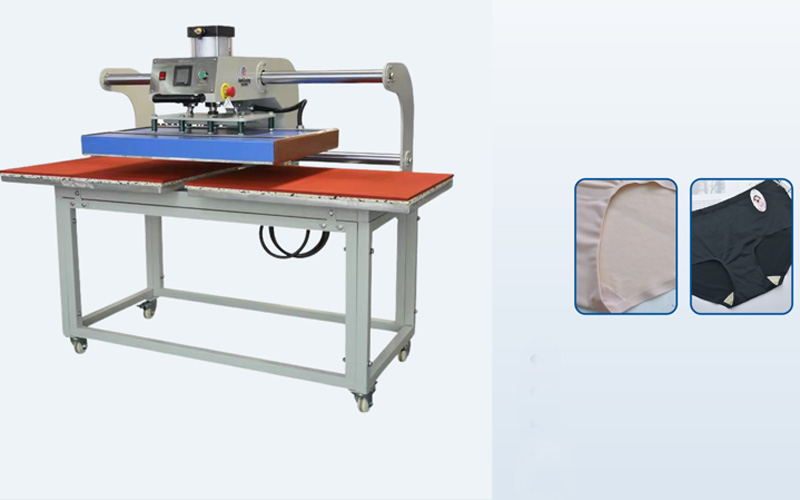
1. Flat Heat Press Machine for Garments
Overview
Flat heat press machines are the most widely used type in textile production. They feature a parallel flat pressing surface that applies uniform heat and pressure across fabric materials.
Key Characteristics
- Flat heating platen for even pressure distribution
- Digital temperature and time control system
- Suitable for mass production environments
- Compatible with various fabrics including cotton, polyester, and blended textiles
Industrial Applications
- Heat transfer printing on T-shirts
- Fabric lamination and bonding
- Logo and pattern application
- Sportswear surface finishing
Advantages
- High stability in continuous operation
- Easy operation and maintenance
- Suitable for large-scale garment factories
- Consistent heat distribution across the entire working area
Flat heat press machines are often considered the foundation of garment heat transfer technology due to their versatility and reliability.
2. Pneumatic Up-Sliding Heat Press Machine
Overview
The pneumatic up-sliding heat press machine is designed with an automated sliding worktable mechanism combined with a pneumatic pressure system. This allows operators to load and unload garments safely without exposure to high-temperature plates.
Key Features
- Pneumatic vertical pressure control system
- Up-sliding working table for operator safety
- Stable and adjustable pressing force
- High-efficiency workflow design
Industrial Benefits
- Reduces manual handling risks
- Improves production speed
- Enhances operator safety
- Ensures consistent pressure accuracy
Applications
- Seamless garment bonding
- Sportswear heat pressing
- Functional textile lamination
- High-volume apparel finishing lines
This type of machine is widely used in modern automated production lines where safety and efficiency are top priorities.
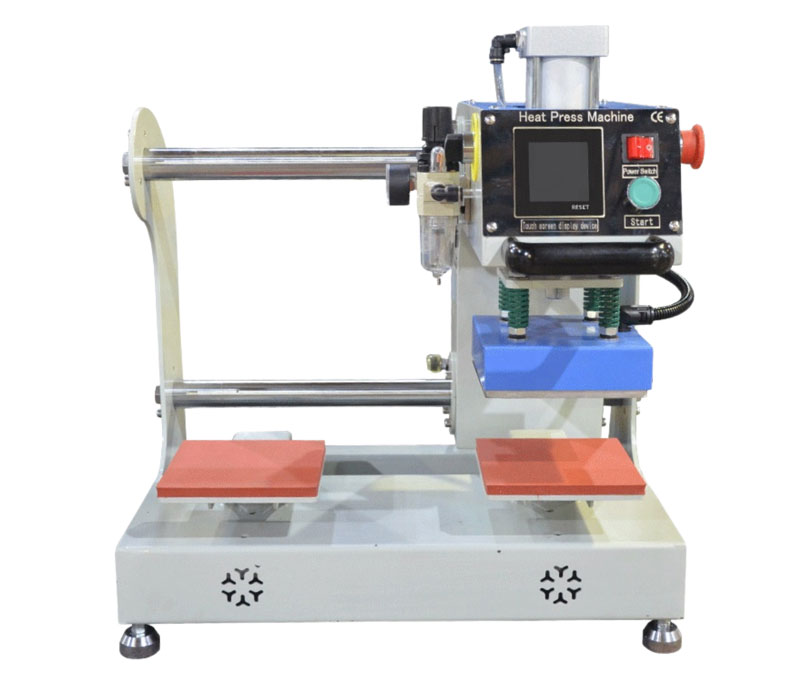
3. Side Seam Heat Press Machine
Overview
Side seam heat press machines are specialized systems designed specifically for garment side seam bonding and finishing. Instead of flat pressing, they focus on linear seam structures commonly found in underwear and sportswear.
Core Features
- Targeted heat and pressure application
- Adjustable temperature and pressing time
- Designed for elastic and seamless fabrics
- Precision seam alignment system
Applications
- Seamless underwear production
- Sports leggings and compression wear
- Outdoor performance apparel
- Cycling and swimwear garments
Advantages
- Ensures smooth, invisible seam finishing
- Enhances garment elasticity retention
- Improves wearer comfort
- Reduces stitching defects
Side seam heat press machines are critical in the production of seamless garments, where traditional stitching methods are replaced by thermal bonding technology.
4. Side Seam Heat Press Machine with Vacuum System
Overview
The vacuum-assisted side seam heat press machine adds an additional negative pressure system that holds garments firmly in place during pressing.
Technical Features
- Integrated vacuum suction platform
- Independent temperature and timing control
- High-pressure pneumatic system
- Anti-shift fabric positioning design
Functional Advantages
- Prevents fabric movement during pressing
- Ensures uniform heat distribution
- Improves precision for elastic fabrics
- Reduces defect rates in production
Application Scenarios
- High-performance sportswear
- Seamless cycling jerseys
- Swimming suits and diving wear
- Outdoor technical clothing
The vacuum function significantly enhances accuracy, making this machine suitable for premium garment manufacturing.
5. Hot and Cold Flat Heat Press Machine
Overview
Hot and cold flat heat press machines integrate dual thermal functionality, allowing both heating and cooling processes in a single system. This is especially important for materials requiring rapid temperature transition.
Key Features
- Dual hot and cold platen system
- Digital touch screen control interface
- Independent temperature mode selection
- High-precision thermal regulation
Industrial Applications
- Seamless garment shaping
- Elastic fabric stabilization
- Textile bonding and lamination
- Functional apparel finishing
Advantages
- Reduces deformation in heat-sensitive fabrics
- Improves dimensional stability of garments
- Enhances production flexibility
- Suitable for multi-material processing
This type of machine is highly valuable in advanced textile production environments where material performance must be carefully controlled.
6. Cuff Heat Press Machine
Overview
Cuff heat press machines are designed for small-area curved garment processing, particularly sleeve cuffs and elastic edges.
Key Features
- Curved mold structure
- Pneumatic vertical pressing system
- Automatic rotating lower mold
- Compact industrial design
Applications
- Sleeve cuff bonding
- Elastic edge reinforcement
- Sportswear detailing
- Functional garment finishing
Advantages
- Precise control for small curved areas
- Improves garment edge durability
- Reduces manual finishing work
- Enhances production consistency
Cuff heat press machines are essential for detailed garment finishing where precision is more important than scale.
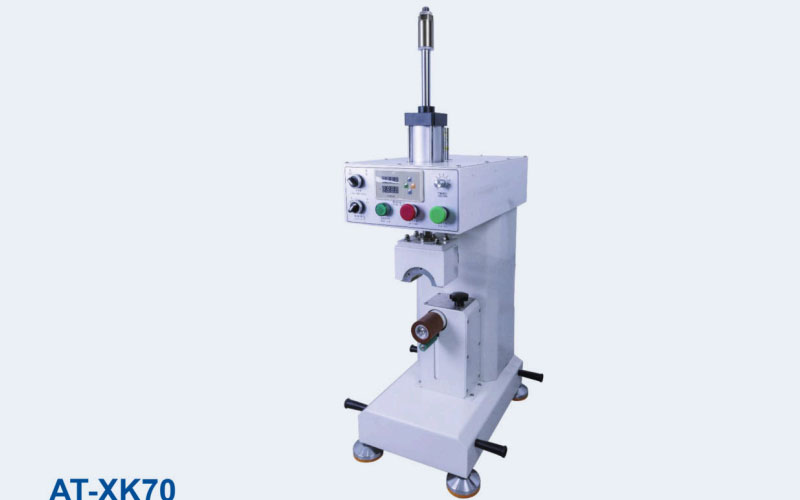
7. Cap Heat Press Machine
Overview
Cap heat press machines are specialized equipment used for curved surface pressing on headwear products.
Key Features
- Curved cap-shaped heating molds
- Adjustable pressure and temperature settings
- Compact design for small products
- High precision alignment system
Applications
- Baseball cap logo transfer
- Hat branding and printing
- Sports cap lamination
- Custom promotional headwear
Advantages
- Perfect curvature adaptation
- High-quality graphic transfer
- Suitable for customized production
- Fast cycle time for small accessories
Cap heat press machines are widely used in promotional product manufacturing and personalized apparel production.
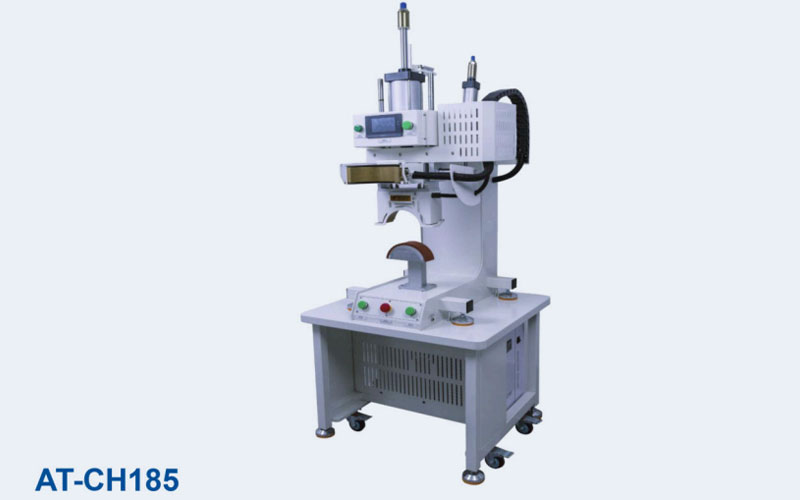
8. Waistband Cold and Heat Press Machine
Overview
Waistband heat press machines are designed for seamless underwear and cylindrical garment shaping, especially men’s boxer waistbands and sports waist structures.
Key Features
- Vertical hanging pressing system
- Cold and heat combined shaping process
- High-speed pressing cycle
- Pneumatic pressure control system
Applications
- Seamless underwear waist shaping
- Sports waistband finishing
- Cylindrical garment structure processing
- Elastic waistband reinforcement
Advantages
- Eliminates manual ironing processes
- Improves garment structural stability
- Enhances production efficiency
- Ensures wrinkle-free finishing
This type of machine is highly specialized and plays a key role in modern seamless garment manufacturing lines.
9. Integrated Industrial Heat Press Systems (Multi-Function)
Overview
Advanced industrial production lines often combine multiple heat press functions into integrated systems for multi-stage garment processing.
Functional Integration Includes
- Hot pressing modules
- Cold pressing stabilization units
- Vacuum-assisted positioning systems
- Automated feeding and unloading platforms
Benefits
- Fully automated production workflow
- Reduced labor requirements
- Higher production consistency
- Scalable industrial output
Applications
- Large-scale garment factories
- OEM/ODM sportswear production
- High-end seamless apparel manufacturing
These systems represent the future of automated textile production.
10. How to Choose the Right Heat Press Machine for Garments
Selecting the correct machine depends on several key industrial factors:
1. Fabric Type
- Elastic fabrics → vacuum or side seam machines
- Cotton/polyester → flat heat press systems
- Technical textiles → hot & cold press machines
2. Production Volume
- Small batch → cuff or cap machines
- Medium scale → flat or pneumatic systems
- Large scale → automated integrated systems
3. Product Structure
- Flat garments → flat press machines
- Cylindrical garments → waistband press systems
- Curved areas → cuff or side seam machines
4. Precision Requirements
- High precision → vacuum-assisted systems
- Standard production → flat or pneumatic presses
11. Industrial Applications Across the Garment Sector
Heat press machines are widely used across multiple textile sectors:
- Seamless underwear manufacturing
- Sportswear and compression wear production
- Outdoor performance apparel
- Fashion garment finishing
- Promotional textile printing
- Functional fabric lamination
Their adaptability makes them indispensable in modern apparel engineering.
Conclusion: The Future of Heat Press Technology in Garment Manufacturing
The evolution of heat press machines for garments reflects the broader transformation of the textile industry toward automation, precision engineering, and high-efficiency production. From flat pressing systems to advanced vacuum-assisted side seam machines, each type serves a specific role in garment construction and finishing.
As demand for seamless apparel, functional sportswear, and high-performance textiles continues to grow, manufacturers increasingly rely on specialized heat press technology to achieve consistent quality and scalable production.
Understanding the different machine types allows factories to build optimized production lines, reduce operational costs, and improve overall product competitiveness in the global garment market.