
The Cool and Hot Flat Press Machine is an advanced piece of textile processing equipment designed to deliver precise temperature-controlled pressing for modern garment manufacturing. It combines both heating and cooling functions within a single system, allowing manufacturers to achieve stable shaping, bonding, and finishing results across a wide range of fabrics.
In today’s competitive textile industry, production efficiency and product consistency are critical. Traditional pressing equipment often relies only on heat, which can limit material adaptability and finishing precision. In contrast, a Cool and Hot Flat Press Machine introduces dual-mode functionality that significantly improves control over fabric structure, adhesive activation, and final garment appearance.
This machine is widely used in seamless apparel production, sportswear manufacturing, functional textiles, and heat transfer bonding applications. Its ability to switch between hot and cold pressing modes makes it an essential tool for modern automated garment production lines.
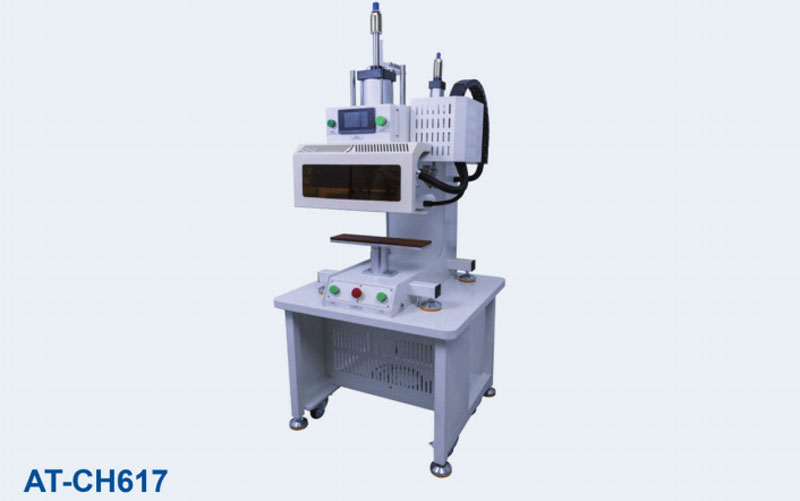
What Is a Cool and Hot Flat Press Machine?
A Cool and Hot Flat Press Machine is an industrial textile processing system that integrates both thermal pressing and rapid cooling into one platform. It is designed to apply controlled pressure and temperature to fabrics or textile components, ensuring stable shaping and bonding results.
Unlike conventional heat press machines, this system allows operators to:
- Apply heat for adhesive activation or fabric shaping
- Switch to cooling mode to stabilize the structure immediately
- Maintain consistent pressure throughout the process
- Prevent deformation caused by residual heat
This combination is especially important in precision textile applications where material stability and smooth surface finishing are required.
Key Features of Cool and Hot Flat Press Machine
The machine is engineered with multiple advanced functions to enhance productivity and ensure stable output quality.
1. Dual Hot and Cold Plate System
The most important feature is the integrated hot and cold platen system, which allows seamless switching between heating and cooling modes. This enables continuous processing without removing the material from the machine.
2. Color Touch Screen Control
A digital touch screen interface provides:
- Real-time parameter adjustment
- Temperature and time setting control
- Pressure monitoring
- Easy operation with minimal training
3. Independent Hot/Cold Selection
Operators can independently select hot or cold plates depending on production requirements, increasing flexibility in different textile processes.
4. Precise Temperature Regulation
The system supports stable temperature control up to 220°C, ensuring:
- Uniform heat distribution
- No fabric scorching or damage
- Consistent bonding activation
5. Adjustable Time Control System
Heat pressing time can be set between 2–999 seconds, allowing precise control for different material types and production needs.
6. High-Pressure Stability
With a working air pressure of 0.6 MPa, the machine ensures strong and stable pressing force for consistent shaping results.
7. Customizable Working Size
The working area of 400 × 100 mm can be customized according to production requirements, making it adaptable for different manufacturing environments.
Technical Specifications
The Cool and Hot Flat Press Machine is built with industrial-grade components to ensure long-term reliability and performance stability.
- Voltage: Single-phase 220V
- Machine Power: 1800W
- Working Air Pressure: 0.6 MPa
- Temperature Range: 0–220°C
- Heat Press Time Range: 2–999 seconds
- Working Area: 400 × 100 mm
- Net Weight: 140 kg
- Gross Weight: 180 kg
- Machine Size: 730 × 780 × 1920 mm
- Packing Size: 810 × 860 × 2030 mm
These parameters ensure that the machine performs efficiently under continuous industrial operation while maintaining high precision and energy stability.
Working Principle of Cool and Hot Flat Press Machine
The working process of the Cool and Hot Flat Press Machine is based on a combination of thermal activation and controlled cooling.
Step 1: Material Placement
The fabric or textile component is placed on the lower platen, aligned for accurate pressing.
Step 2: Heat Pressing Stage
The hot platen is activated and applies controlled heat and pressure to:
- Activate thermoplastic adhesives
- Soften material layers for shaping
- Enable bonding between textile layers
Step 3: Pressure Stabilization
Constant pressure ensures that the material maintains uniform contact, preventing air gaps or uneven bonding.
Step 4: Cooling Stage
The cold platen is engaged to rapidly reduce temperature. This step:
- Stabilizes fabric structure
- Locks adhesive bonding in place
- Prevents deformation or shrinkage
Step 5: Finished Output
The material is released with a smooth, stable, and durable finish ready for further garment assembly or final use.
Application Scenarios of Cool and Hot Flat Press Machine
This machine is widely used across multiple segments of textile manufacturing.
1. Seamless Garment Production
Ideal for shaping and pressing seamless underwear, shapewear, and elastic garments where smooth transitions and invisible joints are required.
2. Sportswear Manufacturing
Used for high-performance athletic apparel that requires:
- Stretch stability
- Moisture-resistant bonding
- Smooth surface finishing
3. Heat Transfer and Lamination
Supports heat-activated adhesive processes for:
- Fabric lamination
- Film bonding
- Multi-layer textile assembly
4. Functional Textile Production
Used in garments with special requirements such as:
- Waterproof clothing
- Protective wear
- Compression apparel
5. Custom Textile Processing
Suitable for small batch production, prototype development, and customized garment manufacturing.
Advantages of Cool and Hot Flat Press Machine
The Cool and Hot Flat Press Machine offers significant benefits compared to traditional pressing systems.
1. Improved Production Flexibility
Dual-mode operation allows manufacturers to handle multiple fabric types and production requirements using a single machine.
2. Higher Product Quality
Precise temperature and pressure control ensure:
- Smooth finishing
- Strong bonding strength
- Reduced material defects
3. Enhanced Efficiency
Integrated hot and cold processing eliminates the need for separate cooling stations, reducing production time.
4. Reduced Fabric Damage Risk
Controlled temperature regulation prevents overheating and fabric deformation.
5. Easy Operation
The touchscreen interface simplifies machine control and reduces operator training time.
6. Stable Industrial Performance
Heavy-duty construction ensures continuous operation in high-demand production environments.
Comparison with Traditional Flat Press Machines
Traditional flat press machines typically rely only on heat application. This creates several limitations:
| Feature | Traditional Press | Cool and Hot Flat Press Machine |
|---|---|---|
| Temperature Control | Heat only | Heat + Cooling |
| Fabric Stability | Moderate | High |
| Production Speed | Slower | Faster |
| Material Compatibility | Limited | Wide range |
| Finish Quality | Inconsistent | Stable and smooth |
The addition of cooling functionality significantly improves production accuracy and material stability.
Maintenance and Operation Guidelines
To ensure long-term performance, proper maintenance is essential.
Daily Maintenance
- Clean platen surfaces after use
- Remove adhesive residue
- Check air pressure system
Weekly Maintenance
- Inspect heating elements
- Verify temperature calibration
- Check touch screen responsiveness
Monthly Maintenance
- Lubricate mechanical components
- Inspect pneumatic system
- Tighten structural fittings
Operational Tips
- Do not exceed recommended temperature range
- Use correct pressure settings for different fabrics
- Allow cooling cycles for high-temperature operations
Proper maintenance ensures consistent output quality and extends machine lifespan.
Factors to Consider Before Purchasing
When selecting a Cool and Hot Flat Press Machine, manufacturers should evaluate:
1. Production Requirements
Consider fabric types, production volume, and bonding complexity.
2. Temperature Accuracy
High precision control is essential for advanced textile applications.
3. Working Area Size
Choose a machine size that matches production scale and product dimensions.
4. Automation Level
Touchscreen and programmable settings improve efficiency.
5. Durability
Industrial-grade construction ensures long-term stability under continuous use.
Future Trends in Flat Press Technology
The Cool and Hot Flat Press Machine represents the evolution of textile finishing equipment. Future developments are expected to focus on:
- Smart digital control systems
- AI-based temperature optimization
- Energy-efficient heating technology
- Fully automated production integration
- Multi-material adaptive pressing systems
As textile manufacturing continues to evolve, demand for precision-controlled, multifunctional machines will continue to increase.
Conclusion
The Cool and Hot Flat Press Machine is a highly advanced solution for modern textile and garment manufacturing. By combining heating and cooling functions in a single system, it delivers superior precision, improved efficiency, and stable product quality.
With its intelligent control system, durable structure, and wide application range, this machine is suitable for seamless garments, sportswear, functional textiles, and customized production environments. It significantly enhances production flexibility while ensuring consistent and professional finishing results.
As the textile industry continues to demand higher quality standards and faster production cycles, the Cool and Hot Flat Press Machine stands out as a critical tool for manufacturers aiming to achieve reliable, scalable, and high-precision output.