
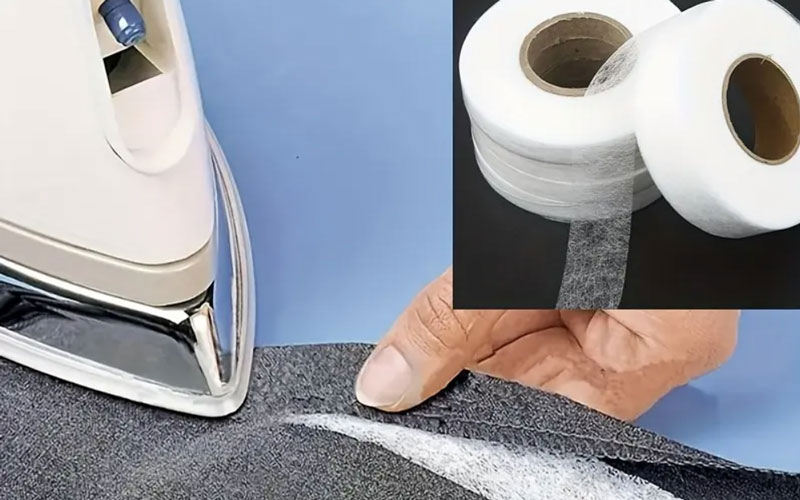
Textile bonding film is an important material in modern seamless garment manufacturing. It provides a practical alternative to traditional sewing and can be used to join fabric layers, reinforce garment components, create clean edges, and improve the appearance and comfort of finished clothing. As apparel manufacturers increasingly focus on lightweight construction, flexible designs, and smooth finishes, textile bonding film has become an important solution for producing high-quality seamless garments.
Unlike conventional thread sewing, textile bonding technology uses heat and pressure to create a bond between compatible textile materials. This allows manufacturers to reduce visible seams and achieve a cleaner garment structure. In applications such as sportswear, underwear, activewear, swimwear, and functional apparel, textile bonding film can help create products that are lightweight, comfortable, and aesthetically refined.
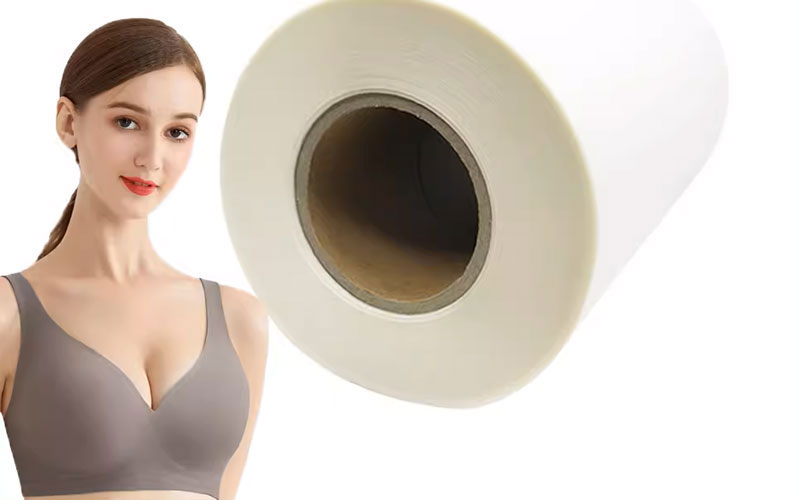
What Is Textile Bonding Film?
Textile bonding film is a thermoplastic adhesive film used to bond textiles and other compatible materials together. When heated to an appropriate activation temperature, the film softens or melts and becomes adhesive. Under controlled pressure, it can penetrate or interact with the textile surfaces. After cooling, the adhesive solidifies and creates a stable bond.
The film can be supplied in different thicknesses, widths, adhesive formulations, and activation temperatures. Manufacturers can therefore select a suitable textile bonding film according to fabric type, garment construction, washing requirements, elasticity, and production process.
In seamless garment manufacturing, the film is often placed between two textile layers or along a fabric edge. Heat and pressure are then applied using a heat press, hot air equipment, ultrasonic equipment, or a specialized seamless bonding machine.
The result is a bonded connection without the need for conventional stitching.
Why Is Textile Bonding Film Important for Seamless Garments?
Traditional sewing uses needles and thread to mechanically connect fabric pieces. Although sewing remains essential for many garment applications, it can create visible stitch lines, thicker seam areas, and potential discomfort when the garment is worn directly against the skin.
Textile bonding film offers another approach.
By replacing or reducing some stitched connections, manufacturers can create flatter and smoother garment structures. This is especially valuable for garments designed for close-fitting applications.
For example, sportswear and underwear often require smooth surfaces because raised seams can create pressure points or irritation during movement. A bonded construction can help reduce these problems.
Textile bonding film can therefore support several important objectives in seamless apparel manufacturing:
- Creating flatter garment seams
- Reducing visible stitching
- Improving wearer comfort
- Supporting lightweight garment construction
- Improving garment appearance
- Joining different textile layers
- Reinforcing selected garment areas
- Supporting modern garment designs
How Does Textile Bonding Film Work?
The bonding process generally involves three basic elements: textile bonding film, heat, and pressure.
First, the adhesive film is positioned between the materials that need to be joined. The temperature is then raised to activate the thermoplastic adhesive. Once the adhesive reaches the appropriate activation range, it flows and interacts with the textile surfaces.
Pressure helps maintain close contact between the materials during bonding. After the heating stage, the bonded area is allowed to cool. The adhesive then solidifies and forms the final connection.
The exact process parameters depend on the adhesive formulation and textile materials.
Important factors include:
- Heating temperature
- Heating time
- Pressure
- Cooling conditions
- Fabric composition
- Film thickness
- Film width
- Bonding equipment
- Required peel strength
- Washing and durability requirements
Correct parameter control is essential. Excessive heat may damage sensitive fabrics, while insufficient heat may result in incomplete bonding.
Textile Bonding Film in Seamless Underwear
Seamless underwear is one of the most important application areas for textile bonding film.
Underwear is worn directly against the skin, so comfort is a major consideration. Traditional sewn seams may create raised areas that can become noticeable during daily movement.
Textile bonding film can help create flatter connections between selected garment components. It may be used around edges, waistbands, leg openings, panels, and other areas where a smooth finish is desirable.
Bonding can also contribute to the clean appearance associated with modern seamless underwear.
Depending on the product design and adhesive system, manufacturers can use textile bonding film to reduce the need for conventional stitching in selected areas while maintaining the required garment structure.
Applications in Sportswear and Activewear
Sportswear and activewear require garments that can withstand repeated movement, stretching, washing, and physical activity. At the same time, consumers increasingly expect these garments to be lightweight and comfortable.
Textile bonding film can support these requirements by enabling manufacturers to join fabric panels without relying entirely on traditional stitching.
Potential applications include:
- Side seams
- Shoulder areas
- Hem bonding
- Pocket attachment
- Waistband construction
- Decorative details
- Reinforcement areas
- Reflective components
- Functional textile layers
For close-fitting sportswear, reducing bulky seams can improve freedom of movement and overall wearing comfort.
Bonding Film for Swimwear
Swimwear presents additional requirements because garments may be exposed to water, stretching, body movement, and repeated washing.
Textile bonding film can be used for selected swimwear construction applications when the adhesive system is designed to meet the required durability conditions.
A suitable bonding film can help manufacturers create smooth transitions between fabric components while supporting a streamlined garment appearance.
However, swimwear manufacturers should pay particular attention to water resistance, elasticity, chlorine exposure, and washing durability when selecting an adhesive film.
Textile Bonding Film for Garment Hems
Hemming is another common application.
Traditional hems normally require folding the fabric and securing the folded section with stitches. With suitable textile bonding film, some hems can instead be bonded using controlled heat and pressure.
This can produce a clean and relatively flat edge.
Bonded hems are particularly useful in lightweight apparel where visible stitching may affect the desired appearance. They can also support minimalist garment designs where manufacturers want to reduce the visual impact of seams.
The film thickness and adhesive performance should be selected carefully to avoid creating a stiff or excessively thick edge.
Benefits of Textile Bonding Film
One of the major benefits of textile bonding film is its ability to support clean garment construction.
Smooth and Flat Seams
Bonded seams can be thinner and flatter than conventional stitched seams, depending on the construction. This is valuable for underwear, leggings, compression garments, and other close-fitting apparel.
Improved Appearance
Without prominent stitches, garments can achieve a cleaner and more modern appearance. This is particularly useful for premium sportswear and seamless fashion products.
Greater Design Flexibility
Adhesive films can be applied to different garment components, giving designers more options for constructing innovative products.
Lightweight Construction
Textile bonding film can reduce the need for additional thread and bulky seam structures in selected applications.
Production Efficiency
When the bonding process is properly integrated into production, manufacturers can reduce certain sewing operations and streamline garment assembly.
Comfortable Wear
A flatter construction can help reduce friction and pressure around selected garment areas, contributing to improved comfort.
How to Select the Right Textile Bonding Film
Not every textile bonding film is suitable for every garment. Material compatibility is one of the most important considerations.
Manufacturers should first evaluate the fabric composition. Polyester, nylon, spandex, cotton blends, and other textiles can have different bonding characteristics.
The garment’s elasticity is also important. Stretch garments require an adhesive film that can accommodate repeated deformation without cracking or losing adhesion.
Washing durability should also be considered. Sportswear and underwear may undergo frequent washing, so the bonded area must maintain its required performance over the expected product lifetime.
Other selection factors include:
- Activation temperature
- Film thickness
- Adhesive strength
- Elasticity
- Washing resistance
- Dry-cleaning requirements
- Fabric compatibility
- Bonding equipment
- Production speed
- Required appearance
Manufacturers should conduct practical tests before mass production. A film that performs well on one fabric may not produce the same result on another textile.
Textile Bonding Film and Seamless Bonding Machines
The performance of textile bonding film is closely connected to the equipment used during application.
A professional seamless bonding machine can provide controlled temperature, pressure, and processing speed. This helps manufacturers achieve more consistent bonding results.
Depending on the production requirements, bonding equipment can be used for continuous fabric processing, seam bonding, edge finishing, tape application, and other garment assembly processes.
The combination of suitable textile bonding film and appropriate bonding machinery is therefore important for achieving stable production quality.
Conclusion
Textile bonding film has become an important material for modern seamless garment manufacturing. By using heat and pressure to join compatible textile materials, it provides manufacturers with an alternative to traditional sewing for selected garment construction processes.
Its applications include seamless underwear, sportswear, activewear, swimwear, garment hems, functional apparel, and other close-fitting clothing. The technology can help manufacturers create flatter seams, cleaner edges, lightweight structures, and comfortable garment designs.
However, successful bonding depends on selecting the right adhesive film and controlling the bonding process correctly. Fabric composition, elasticity, activation temperature, pressure, processing time, washing durability, and equipment compatibility should all be considered before production.
As the apparel industry continues to pursue seamless construction, lightweight designs, and improved wearer comfort, textile bonding film will remain an important material for manufacturers developing next-generation garments.