
The garment industry is constantly evolving as consumers demand more comfortable, functional, and stylish clothing. Traditional sewing methods have been widely used for decades, but they often create problems such as visible seams, uncomfortable pressure points, fabric waste, and limited design flexibility. To overcome these challenges, manufacturers are increasingly adopting advanced production technologies that improve both efficiency and product quality.
A seamless garments machine has become one of the most important innovations in modern textile manufacturing. By using advanced knitting, bonding, and finishing technologies, these machines help manufacturers produce garments with smoother surfaces, better elasticity, and enhanced comfort. From seamless underwear and sportswear to medical textiles and functional clothing, seamless manufacturing technology is changing the way garments are designed and produced.
With increasing market demand for lightweight, flexible, and high-performance apparel, seamless garment production has become a strategic choice for many clothing manufacturers worldwide.
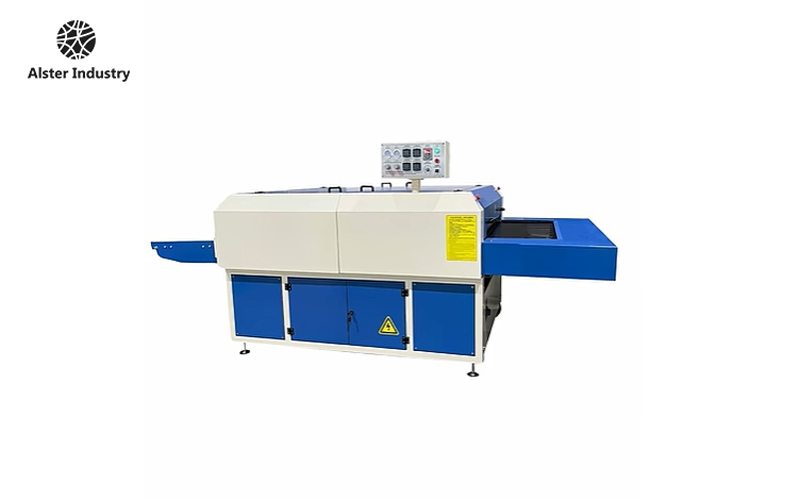
What Is a Seamless Garments Machine?
A seamless garments machine is specialized textile equipment designed to manufacture garments or garment components with minimal or no traditional stitching. Unlike conventional sewing machines that join fabric pieces with threads, seamless production methods integrate different processes such as knitting, bonding, ultrasonic welding, tape applying, and heat pressing.
The main purpose of this technology is to create garments that provide a smooth wearing experience while improving production efficiency. By reducing the need for multiple sewing processes, manufacturers can achieve faster production speeds, lower labor costs, and more consistent product quality.
Modern seamless production equipment can be used for various applications, including:
- Seamless underwear
- Sportswear
- Yoga clothing
- Compression garments
- Shapewear
- Lingerie
- Medical textiles
- Functional outdoor clothing
A high-quality seamless garments machine allows manufacturers to produce garments with improved appearance, better durability, and superior performance compared with traditional manufacturing methods.
How Does a Seamless Garments Machine Work?
The working principle of seamless garment production depends on the specific machine type and application. Different technologies are used to achieve seamless structures, including circular knitting, warp knitting, ultrasonic bonding, and heat bonding.
In circular knitting seamless production, yarns are directly knitted into tubular fabric structures. This method eliminates the need for cutting and sewing, reducing material waste while creating garments with excellent elasticity and body-fitting properties.
For bonding-based seamless manufacturing, fabric layers are connected through heat, pressure, or ultrasonic vibration. These methods create strong and smooth connections without traditional stitching lines. For example, tape applying machines can attach elastic tapes or reinforcement materials to fabric edges, while ultrasonic machines can achieve precise bonding without additional adhesives.
The general production process includes:
- Material preparation and fabric feeding
- Pattern design and machine parameter adjustment
- Knitting, bonding, or tape application
- Edge finishing and quality inspection
- Final garment packaging
Compared with traditional garment manufacturing, seamless production integrates several steps into one efficient workflow, helping factories improve productivity and maintain stable product quality.
Main Types of Seamless Garment Machines
Different garment products require different production technologies. Manufacturers can select suitable machines according to their product requirements, material characteristics, and production goals.
1. Circular Knitting Seamless Machines
Circular knitting machines are among the most common types of seamless garment equipment. They create complete tubular garment structures by continuously knitting yarns.
These machines are widely used for producing:
- Seamless underwear
- Sports bras
- Activewear
- Base layers
- Compression clothing
The biggest advantage of circular knitting technology is its ability to provide excellent elasticity and comfort. The finished garments can naturally adapt to body movements, making them ideal for sports and daily wear.
2. Warp Knitting Seamless Machines
Warp knitting technology uses multiple yarn systems arranged in parallel to create strong and flexible fabric structures. These machines are suitable for producing lightweight textiles with excellent dimensional stability.
Warp knitting seamless equipment is commonly used in:
- Performance sportswear
- Functional textiles
- Medical compression products
- High-strength fabrics
This technology offers advantages such as high production efficiency, stable fabric quality, and excellent durability.
3. Jacquard Seamless Machines
Jacquard seamless machines provide greater design flexibility by allowing manufacturers to create complex patterns, textures, and decorative effects directly during production.
Compared with simple seamless fabrics, jacquard technology enables clothing brands to develop more attractive and differentiated products. It is especially popular in premium underwear, fashion sportswear, and customized garment production.
4. Ultrasonic Bonding Seamless Machines
Ultrasonic bonding technology uses high-frequency vibration energy to join fabrics together. Unlike traditional sewing, this process does not require thread and can create smooth, flat connections.
The benefits include:
- Strong bonding performance
- Clean appearance
- Reduced fabric damage
- Faster production speed
Ultrasonic bonding machines are widely used in seamless sportswear, waterproof clothing, medical garments, and technical textiles.
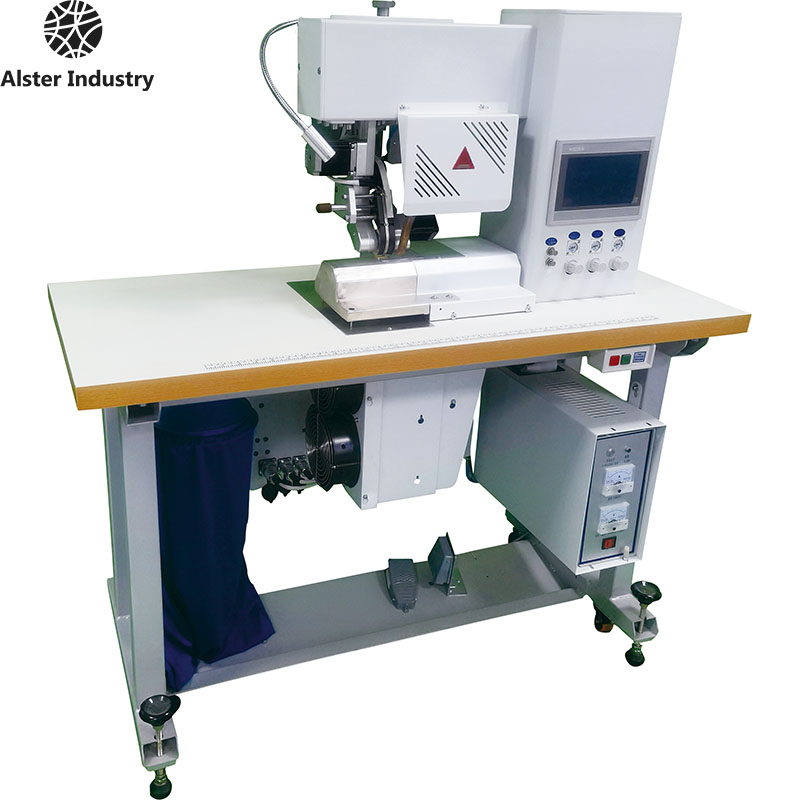
5. Heat Bonding Seamless Machines
Heat bonding machines use controlled temperature and pressure to combine fabrics, tapes, and other components. This method provides reliable adhesion while maintaining garment flexibility.
Typical applications include:
- Seamless underwear
- Functional clothing
- Protective garments
- Outdoor apparel
Heat bonding technology is especially suitable for manufacturers looking for efficient production and high-quality finishing.
Advantages of Using a Seamless Garments Machine
The growing popularity of seamless manufacturing is mainly due to the significant advantages it provides compared with traditional garment production.
Improved Comfort
One of the biggest advantages of seamless garments is enhanced wearing comfort. Traditional stitched garments may create pressure points or irritation caused by seams. Seamless designs provide smoother contact with the skin, making them ideal for close-fitting clothing.
This is particularly important for products such as underwear, sportswear, and medical compression garments, where comfort directly affects user experience.
Better Product Durability
Seams are often weak points in traditional garments. Repeated stretching, washing, and movement can cause stitching areas to become damaged.
Seamless production reduces these weak points by creating integrated fabric structures or stronger bonded connections. As a result, garments often have improved durability and longer service life.
Reduced Material Waste
Traditional garment manufacturing usually requires cutting multiple fabric pieces before sewing them together. This process creates leftover materials and increases production waste.
Seamless manufacturing reduces cutting requirements and optimizes material usage. This helps factories lower production costs while supporting more sustainable manufacturing practices.
Higher Production Efficiency
A modern seamless garments machine combines multiple production steps into a streamlined process. Manufacturers can reduce manual operations, improve production speed, and achieve more consistent output.
For large-scale garment factories, this efficiency can significantly improve competitiveness in global markets.
Greater Design Flexibility
Seamless technology allows designers to create innovative garment structures that are difficult to achieve with traditional sewing methods.
Manufacturers can develop products with:
- Different compression zones
- Customized patterns
- Flexible support areas
- Unique textures
- Functional fabric combinations
This provides brands with more opportunities to create differentiated products.
Applications of Seamless Garment Manufacturing
Seamless garment technology has expanded into many industries due to its excellent performance and versatility.
Apparel Industry
The apparel industry is the largest application area for seamless manufacturing. Many brands use seamless technology to produce comfortable and fashionable clothing.
Common products include:
- Seamless bras
- Seamless underwear
- Leggings
- T-shirts
- Sportswear
The growing popularity of athleisure and fitness lifestyles has further increased demand for seamless clothing.
Sportswear and Activewear
Athletes and fitness consumers require clothing that provides flexibility, breathability, and comfort. Seamless garments meet these requirements by offering excellent stretchability and body support.
Sports brands increasingly use seamless manufacturing for yoga wear, running clothes, cycling apparel, and training garments.
Medical Textiles
Medical applications require garments with precise compression, smooth surfaces, and comfortable wearing characteristics.
Seamless machines are used to produce:
- Compression stockings
- Medical support garments
- Rehabilitation clothing
- Protective textile products
The seamless structure helps reduce friction and improve patient comfort.
Functional and Outdoor Clothing
Outdoor clothing requires durability, flexibility, and reliable performance in different environments.
Seamless production technology helps create lightweight and functional products suitable for:
- Hiking
- Camping
- Outdoor sports
- Professional activities
How to Choose the Right Seamless Garment Machine?
Selecting suitable equipment is important for achieving efficient production and high-quality results. Manufacturers should consider several factors before purchasing.
Product Requirements
Different garments require different technologies. For example, underwear manufacturers may focus on comfort and elasticity, while sportswear producers may require advanced pattern designs and functional zones.
Understanding product requirements helps determine the most suitable machine type.
Production Capacity
Factories should evaluate their expected production volume before choosing equipment. High-volume manufacturers need machines with stable performance and continuous operation capabilities.
Material Compatibility
Different fabrics have different characteristics. Before selecting equipment, manufacturers should confirm whether the machine can process materials such as:
- Nylon
- Polyester
- Spandex
- Elastic fabrics
- Functional textiles
Technology Features
Modern seamless equipment may include features such as:
- Digital control systems
- Adjustable production parameters
- Automatic operation functions
- Precision bonding systems
Advanced features can improve production accuracy and reduce operation difficulties.
Future Development Trends of Seamless Garment Technology
The future of seamless garment manufacturing will continue to focus on automation, sustainability, and product innovation.
With the development of smart manufacturing, more textile factories are adopting intelligent equipment with digital control systems. These technologies help monitor production processes, improve efficiency, and reduce errors.
Sustainability is another important trend. As environmental concerns increase, manufacturers are searching for technologies that reduce waste and improve resource utilization. Seamless production naturally supports these goals by minimizing fabric waste and simplifying manufacturing processes.
In addition, consumer demand for personalized and functional clothing will continue to drive innovation. Future seamless machines are expected to provide more customization options, advanced fabric combinations, and improved production flexibility.
Conclusion
The development of seamless manufacturing technology has transformed the modern garment industry. By combining advanced knitting, bonding, and finishing processes, a seamless garments machine enables manufacturers to produce comfortable, durable, and high-performance apparel with improved efficiency.
From everyday clothing and sportswear to medical textiles and technical fabrics, seamless production provides significant advantages for manufacturers seeking better quality and stronger market competitiveness.
As global demand for functional, comfortable, and sustainable clothing continues to grow, investing in advanced seamless garment equipment will become increasingly important for garment manufacturers looking to improve production capabilities and meet future market needs.