
The textile and apparel industry is continuously evolving as consumers demand garments that provide better comfort, improved appearance, and enhanced functionality. Traditional sewing methods remain widely used, but modern garment manufacturers are increasingly adopting advanced bonding technologies to create lightweight, flexible, and seamless clothing designs. Among these innovations, seamless garment bonding film has become an important material for producing high-performance apparel with clean finishes and superior durability.
Unlike conventional stitching, bonding films use heat and pressure to connect different layers of fabric without visible threads. This technology helps manufacturers achieve smooth edges, reduce bulk, and improve the overall wearing experience. It is especially popular in sportswear, underwear, outdoor clothing, medical textiles, and fashion products where comfort and appearance are critical.
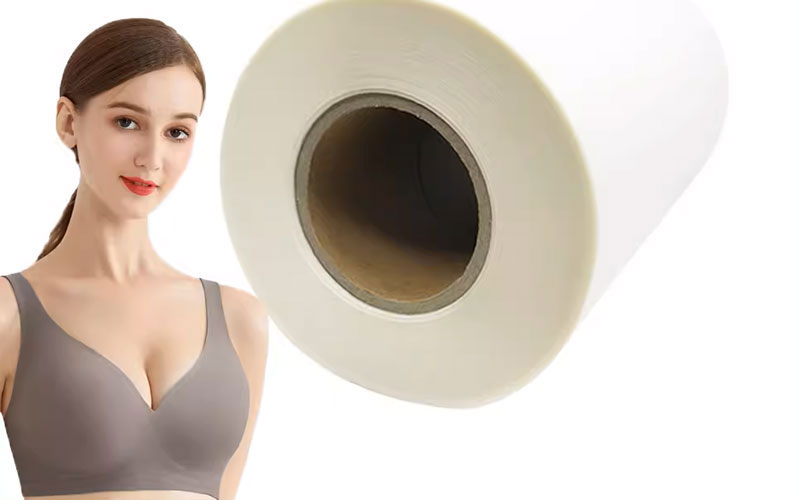
What Is Garment Bonding Film?
Garment bonding film is a specialized thermoplastic adhesive material designed to join fabrics, textiles, and other flexible materials through heat activation. During the production process, the film is placed between two fabric layers and heated under controlled temperature and pressure. Once melted, the adhesive penetrates the fabric structure and forms a strong connection after cooling.
This bonding method eliminates the need for traditional sewing in many applications. It allows manufacturers to create smooth seams that are thinner, softer, and more comfortable against the skin. The technology also improves the visual quality of garments by reducing stitching marks and creating a more modern appearance.
The development of seamless clothing has increased demand for advanced bonding materials. Manufacturers now require adhesive films that offer excellent washing resistance, flexibility, and compatibility with various fabrics. As a result, seamless garment bonding film has become a key solution for producing innovative apparel products.
Advantages of Using Garment Bonding Film in Apparel Manufacturing
Modern garment production requires materials that can improve both efficiency and product performance. Bonding films provide several advantages compared with traditional sewing techniques.
1. Creates Smooth and Comfortable Seams
One of the biggest benefits of adhesive bonding technology is improved comfort. Traditional sewn seams may create pressure points, friction, or irritation, especially in tight-fitting garments such as sportswear and compression clothing.
Bonding films create flat and smooth connections between fabrics. This reduces thickness around seam areas and provides a softer feeling when the garment touches the skin. For athletic clothing and intimate apparel, this advantage significantly improves user comfort.
2. Enhances Garment Appearance
Consumers increasingly prefer clothing with clean designs and premium finishes. Visible stitching can sometimes affect the appearance of lightweight or high-end garments. Bonding technology creates nearly invisible connections, allowing designers to achieve a minimalist and modern look.
This makes bonded garments popular in fashion, activewear, and luxury apparel markets where aesthetics are important.
3. Improves Production Efficiency
Traditional sewing requires skilled workers and multiple production steps. Fabric bonding can simplify manufacturing processes by reducing sewing operations and improving production speed.
With automated heat pressing equipment, manufacturers can achieve consistent bonding quality while lowering labor requirements. This makes bonding technology an attractive option for large-scale garment production.
4. Provides Better Water and Wind Resistance
Many outdoor and performance garments require protection against moisture and wind. Sewing creates small needle holes that may reduce fabric protection. Bonding technology helps seal these areas and improves resistance against water penetration.
For jackets, rainwear, and outdoor equipment, adhesive films can support better functional performance while maintaining lightweight construction.
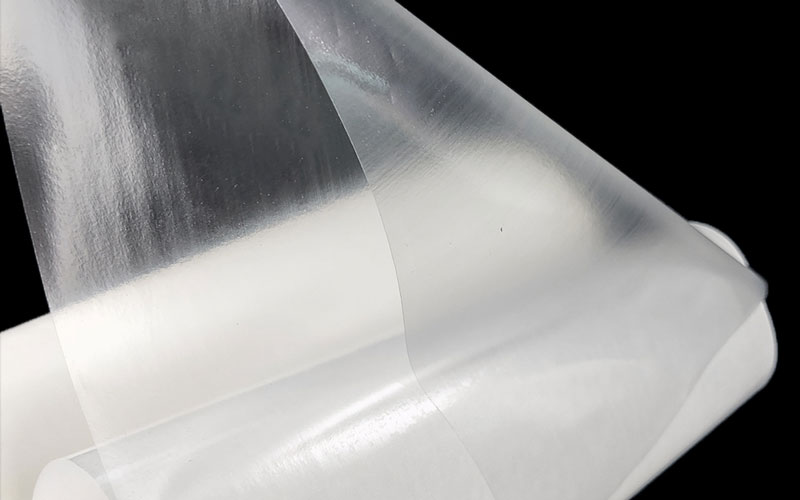
Types of Garment Bonding Films
Different applications require different adhesive properties. Manufacturers select bonding films according to fabric type, production conditions, and final product requirements.
TPU Bonding Film
Thermoplastic polyurethane (TPU) bonding film is one of the most commonly used materials in garment manufacturing. It offers excellent elasticity, strong adhesion, and good resistance to washing and environmental conditions.
TPU films are widely used for sportswear, seamless underwear, footwear, and functional clothing. Their flexibility allows garments to maintain natural movement without affecting comfort.
PES Bonding Film
Polyester (PES) adhesive film provides strong bonding performance and good temperature resistance. It is suitable for fabrics containing polyester fibers and applications requiring stable adhesion.
PES films are often used in industrial textiles, uniforms, and durable clothing products.
PA Bonding Film
Polyamide (PA) bonding films provide excellent strength and heat resistance. They are commonly selected for applications requiring high durability and long-term performance.
PA films can bond effectively with various textile materials and are suitable for demanding garment applications.
Applications of Seamless Bonding Technology
The use of bonding films has expanded across many sectors of the textile industry. Manufacturers choose this technology because it supports both functional improvements and modern design requirements.
Sportswear and Activewear
Sportswear is one of the largest application areas for bonding technology. Athletes need clothing that provides flexibility, breathability, and comfort during movement.
Bonded seams reduce friction and prevent discomfort during exercise. Running shirts, yoga clothing, cycling apparel, and compression garments often use adhesive bonding solutions to improve performance.
Outdoor Clothing
Outdoor garments must withstand challenging environments while maintaining comfort. Jackets, hiking clothing, and protective apparel often require lightweight structures and reliable seam performance.
Bonding films help create stronger protective layers while reducing garment weight. They also support waterproof and windproof designs.
Medical and Functional Textiles
Medical garments require strict standards for hygiene, comfort, and durability. Bonding technology is used in compression garments, protective clothing, and specialized textile products.
The smooth surface created by adhesive bonding reduces irritation and improves wearing comfort for users.
Underwear and Intimate Apparel
Comfort is one of the most important factors in underwear production. Traditional seams can cause discomfort when worn for extended periods.
Seamless bonding solutions help manufacturers create lightweight and skin-friendly products with improved flexibility and appearance.
How Does Garment Bonding Film Work?
The bonding process involves several important steps to achieve reliable results.
First, manufacturers select a suitable adhesive film according to the fabric composition and required performance. The film is positioned between two textile layers.
Next, heat and pressure are applied through specialized bonding machines. The adhesive layer melts and flows into the fabric surface, creating strong molecular bonding.
After cooling, the adhesive solidifies and forms a durable connection. The final bonded area should maintain flexibility while resisting washing, stretching, and daily use.
Proper temperature control, pressure settings, and processing time are essential for achieving high-quality bonding results.
Factors to Consider When Choosing Bonding Film
Selecting the right adhesive material is essential for garment quality. Several factors should be considered before production.
Fabric Compatibility
Different fabrics have different structures and chemical properties. A bonding film must provide strong adhesion without damaging the textile surface.
Manufacturers should test compatibility between the film and fabrics such as polyester, nylon, cotton blends, and elastic materials.
Washing and Durability Requirements
Garments are frequently exposed to washing, stretching, and environmental conditions. A suitable bonding film should maintain adhesion after repeated use.
High-quality adhesive films provide long-lasting performance and help extend garment service life.
Flexibility and Elasticity
For sportswear and stretch fabrics, flexibility is essential. The bonding material should move naturally with the fabric without cracking or peeling.
Flexible adhesive films ensure that garments maintain their original comfort and performance.
Future Trends of Garment Bonding Technology
The demand for lightweight, functional, and sustainable clothing continues to drive innovation in textile bonding. Manufacturers are developing advanced adhesive materials with improved environmental performance and processing efficiency.
Sustainable bonding films made from recyclable or eco-friendly materials are gaining attention as brands focus on reducing environmental impact. In addition, automation and digital manufacturing technologies are improving bonding accuracy and production efficiency.
As consumers continue to seek comfortable and high-performance clothing, seamless garment bonding film will remain an important technology for the future apparel industry.
Conclusion
Garment bonding technology has transformed modern apparel manufacturing by offering cleaner designs, improved comfort, and efficient production methods. Compared with traditional sewing, adhesive bonding provides advantages such as smoother seams, better flexibility, and enhanced garment performance.
From sportswear and outdoor clothing to medical textiles and fashion products, bonding films have become an essential material for creating innovative garments. With continued development in adhesive technology and sustainable solutions, this advanced bonding method will play an increasingly important role in the future of textile manufacturing.