
A Lace Applying Machine is an advanced piece of textile automation equipment designed to precisely bond, attach, and finish lace or decorative trims onto various fabric types. In modern garment manufacturing, where efficiency, consistency, and product quality are critical, this type of machine plays a central role in upgrading production capabilities.
Unlike traditional manual sewing or heat-press methods, a Lace Applying Machine integrates controlled feeding systems, automated adhesive application, and adjustable speed settings to ensure uniform bonding without damaging delicate fabrics. It is widely used in seamless apparel production, functional outerwear, fashion garments, and technical textiles.
This article explores the main functions and uses of a Lace Applying Machine, along with its working principles, applications, advantages, and importance in modern textile production lines.
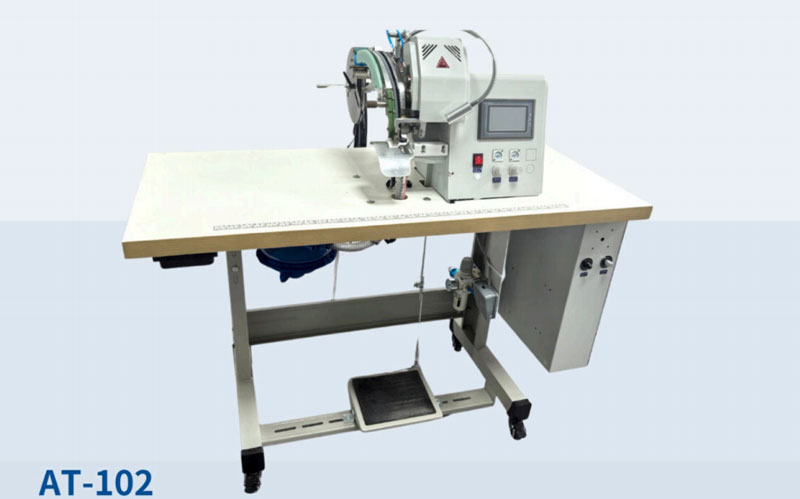
What is a Lace Applying Machine?
A Lace Applying Machine is an automated bonding system designed to apply lace, trims, or decorative strips onto fabric surfaces with high precision. It typically uses controlled roller feeding mechanisms combined with adhesive application or thermal bonding technology to secure materials in place.
Modern machines are engineered to handle:
- Delicate fabrics used in intimate apparel
- Elastic and stretchable textiles
- Technical outdoor materials
- Decorative garment components
The main goal is to achieve a clean, seamless, and durable bond that maintains fabric flexibility and visual appeal.
Core Functions of a Lace Applying Machine
A Lace Applying Machine is not just a bonding tool—it is a multifunctional production system. Below are its primary functions explained in detail.
1. Precision Lace Bonding
The most important function is accurate lace attachment. The machine ensures lace is aligned properly and bonded evenly along fabric edges or surfaces.
Key advantages include:
- Uniform bonding pressure
- Accurate positioning control
- Consistent finishing quality
- Reduced human error
This function is especially important for products like seamless underwear, where precision directly affects comfort and appearance.
2. Controlled Feeding System
A stable feeding mechanism is essential for consistent production quality. Most Lace Applying Machines use upper and lower roller feeding systems to guide fabric smoothly.
Benefits of controlled feeding:
- Prevents fabric stretching or distortion
- Ensures even adhesive distribution
- Maintains alignment during operation
- Supports continuous production flow
This system is especially effective when working with elastic materials or multi-layer fabrics.
3. Adjustable Speed Operation
Speed control is another core function of a Lace Applying Machine. Typical operating ranges (such as 0–150 mm/s) allow operators to adjust processing speed based on fabric type and production requirements.
This function enables:
- Fine processing for delicate fabrics
- Faster production for standard materials
- Reduced material waste
- Improved bonding accuracy
Lower speeds are used for precision applications, while higher speeds support mass production efficiency.
4. Adhesive Application Control
Modern Lace Applying Machines integrate controlled adhesive systems that ensure uniform glue distribution. This is critical for achieving strong and invisible bonding effects.
Key features include:
- Even adhesive spreading
- Prevention of overflow or leakage
- Strong adhesion without stiffness
- Compatibility with different fabric types
This function is essential in both decorative and functional garment manufacturing.
5. Exposed Bonding Technology
In addition to hidden bonding, many machines support exposed adhesive techniques, where bonding lines are intentionally visible as part of the design.
Applications include:
- Fashion-forward outerwear
- Technical sportswear
- Decorative seams and trims
- Functional aesthetic designs
This expands the machine’s usability beyond traditional hidden stitching.
6. Seamless Apparel Processing
One of the most important functions is supporting seamless garment production, particularly in underwear and activewear industries.
Benefits include:
- No visible stitching lines
- Improved wearer comfort
- Enhanced elasticity retention
- Lightweight garment structure
This function is critical in modern lingerie and performance apparel markets.
Main Uses of a Lace Applying Machine
The Lace Applying Machine is widely used across multiple textile and apparel industries. Its versatility makes it suitable for both high-end fashion production and industrial garment manufacturing.
1. Seamless Underwear Manufacturing
One of the most common applications is in seamless underwear production.
Key uses include:
- Invisible lace bonding on bras and panties
- Elastic trim attachment without stitching
- Soft-touch finishing for skin comfort
- Stretch-compatible bonding solutions
This ensures garments remain comfortable, breathable, and aesthetically smooth.
2. Outdoor and Technical Apparel
Lace Applying Machines are also used in outdoor and performance clothing production.
Applications include:
- Waterproof seam reinforcement
- Functional decorative bonding
- Structural support in jackets and coats
- Heat- or pressure-resistant bonding layers
These features make garments more durable under extreme conditions.
3. Fashion and Decorative Garments
In fashion design, lace and trim application plays a significant aesthetic role.
The machine is used for:
- Decorative lace placement on dresses
- Embellishment of sleeves, collars, and hems
- Creative pattern bonding
- Runway and high-fashion garment production
It allows designers to achieve complex visual effects with high precision.
4. Sportswear Production
Sportswear requires both flexibility and durability. Lace Applying Machines help achieve:
- Stretchable seam bonding
- Lightweight construction
- Sweat-resistant adhesive application
- High-performance garment structure
This makes them ideal for leggings, compression wear, and training apparel.
5. Functional Industrial Textiles
Beyond fashion, the machine is used in technical textile production.
Examples include:
- Protective clothing
- Medical textile bonding
- Workwear reinforcement
- Specialty industrial garments
These applications require strong, reliable adhesion under demanding conditions.
Working Principle of a Lace Applying Machine
The working process typically follows a structured sequence:
Step 1: Fabric Feeding
Fabric is fed into the system using upper and lower rollers to ensure stability.
Step 2: Alignment and Positioning
The machine aligns fabric and lace material precisely before bonding.
Step 3: Adhesive Application
Controlled glue or bonding material is applied evenly to targeted areas.
Step 4: Pressure Bonding
Rollers apply consistent pressure to ensure strong adhesion between materials.
Step 5: Speed-Controlled Processing
The operator adjusts speed depending on fabric type and design requirements.
Step 6: Output Collection
Finished materials are collected with smooth, uniform bonding results.
Key Advantages of Using a Lace Applying Machine
1. High Precision and Consistency
Automated systems eliminate manual errors and ensure uniform output.
2. Increased Production Efficiency
Continuous operation significantly improves manufacturing speed.
3. Reduced Labor Dependency
Automation reduces the need for manual stitching or bonding work.
4. Improved Product Quality
Clean bonding results enhance garment appearance and durability.
5. Versatility Across Fabrics
Suitable for elastic, delicate, and technical textiles.
6. Cost Efficiency in Mass Production
Lower waste and faster output reduce overall production costs.
Technical Features That Improve Performance
Modern Lace Applying Machines typically include several advanced features:
- Dual roller feeding systems for stable fabric movement
- Adjustable pressure control for different material thicknesses
- Precision speed control systems
- Industrial-grade power systems (e.g., 2000W capacity)
- Compressed air assistance for bonding control
- Compact industrial design for production line integration
These features ensure the machine performs reliably in both small workshops and large-scale factories.
Why Lace Applying Machines Are Essential in Modern Manufacturing
The textile industry is shifting toward automation, precision, and high-efficiency production. Lace Applying Machines address these demands by combining:
- Mechanical precision
- Automated adhesive technology
- Adjustable operational control
- Multi-industry adaptability
As consumer demand increases for seamless, comfortable, and stylish garments, manufacturers rely heavily on this technology to stay competitive.
Future Trends in Lace Applying Technology
The future of Lace Applying Machines is expected to focus on:
- Smarter digital control systems
- AI-assisted fabric recognition
- Energy-efficient operation
- Enhanced multi-layer bonding capabilities
- Integration with fully automated garment production lines
These innovations will further improve production speed, reduce waste, and enhance garment quality.
Conclusion
A Lace Applying Machine is a vital innovation in modern garment manufacturing, offering precision, efficiency, and versatility across multiple applications. From seamless underwear and sportswear to technical outerwear and fashion garments, its ability to deliver consistent and high-quality bonding makes it indispensable in today’s textile industry.
By integrating controlled feeding systems, adjustable speed operation, and advanced adhesive technology, the Lace Applying Machine significantly improves production efficiency while maintaining superior fabric quality.
As the demand for seamless and high-performance apparel continues to grow, this machine will remain a key driver of innovation and competitiveness in textile manufacturing worldwide.