
TPU films (Thermoplastic Polyurethane films) have become a critical functional material in modern textile engineering, especially in the seamless underwear industry. With the growing demand for comfort, invisibility, elasticity, and performance in intimate apparel, TPU films are increasingly replacing traditional stitching, adhesives, and rigid structural components.
In seamless underwear production, TPU films are not just auxiliary materials—they are core elements that determine fit, support, durability, and skin comfort. From bonding fabric layers to providing elasticity zones and moisture barriers, TPU films play a multi-functional role that significantly improves garment performance.
This article explores the properties of TPU films, their processing methods, and their wide-ranging applications in seamless underwear manufacturing.
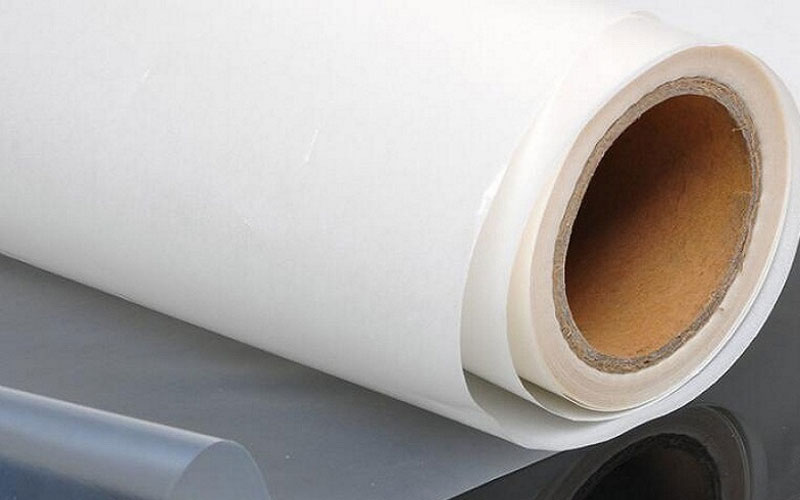
What Are TPU Films?
TPU films are thin sheets made from thermoplastic polyurethane, a highly flexible and durable polymer. These films combine the elasticity of rubber with the strength and processability of plastic materials.
Key Properties of TPU Films
- High elasticity and stretch recovery
- Excellent abrasion resistance
- Soft and skin-friendly texture
- Strong bonding compatibility with textiles
- Breathability (depending on structure)
- Waterproof and moisture-resistant options
- Chemical resistance and durability
Because of these properties, TPU films are widely used in performance textiles, medical garments, sportswear, and especially seamless underwear.
Why TPU Films Are Important in Seamless Underwear
Seamless underwear is designed to eliminate traditional stitching lines, creating a smoother appearance and better wearing comfort. TPU films play a central role in achieving this goal.
Main Functional Requirements in Seamless Underwear
- Invisible bonding instead of stitching
- High elasticity for body movement
- Lightweight structure
- Skin comfort and anti-irritation
- Shape retention after repeated washing
- Breathability for long-term wear
TPU films meet all these requirements better than conventional sewing threads or rigid adhesives.
Applications of TPU Films in Seamless Underwear
TPU films are used in multiple structural and functional parts of seamless underwear. Below are the most important application areas.
1. Seam Bonding and Lamination
One of the most important uses of TPU adhesive films is fabric bonding through heat pressing or high-frequency welding.
How It Works
- TPU film is placed between fabric layers
- Heat and pressure activate melting
- Film bonds fabrics without stitching
Advantages
- Completely seamless appearance
- No friction caused by stitches
- Improved durability of joints
- Cleaner and more aesthetic design
This technique is widely used in bras, panties, shapewear, and athletic underwear.
2. Elastic Support Zones
Seamless underwear requires targeted elasticity in different body areas. TPU films are used to create functional stretch zones.
Application Areas
- Waistbands
- Under-bust support bands
- Side panels
- Hip shaping areas
Benefits
- Controlled compression
- Enhanced body shaping effect
- High recovery after stretching
- Long-term structural stability
Unlike elastic bands, TPU films distribute tension evenly, reducing pressure points.
3. Invisible Edge Finishing
Traditional underwear often uses stitched hems, which can cause marks on the skin. TPU films replace stitching in edge finishing.
Features
- Ultra-thin bonding edges
- Smooth transition between fabric layers
- No visible seams under clothing
Benefits
- “Second skin” wearing experience
- Reduced irritation and chafing
- Enhanced aesthetic invisibility
This is especially important in premium seamless underwear and body-contouring garments.
4. Breathable Waterproof Layers
Advanced TPU films can be engineered with micro-porous structures to balance breathability and waterproofing.
Applications
- Crotch lining reinforcement
- Moisture control zones
- Protective hygienic layers
Performance Benefits
- Blocks liquid penetration
- Allows air circulation
- Maintains hygiene and freshness
- Improves comfort in long wear situations
This function is particularly useful in sports underwear and postpartum garments.
5. Structural Reinforcement in Shapewear
Shapewear requires both flexibility and structural support. TPU films provide reinforcement without adding bulk.
Usage Areas
- Abdomen shaping panels
- Waist compression zones
- Back support sections
Advantages
- Thin yet strong support structure
- Maintains garment shape
- No hard edges or discomfort
- Smooth body contouring effect
Compared with traditional boning or stitching reinforcement, TPU films offer a lighter and more flexible solution.
Manufacturing Process of TPU Films in Seamless Underwear
The integration of TPU films into seamless underwear involves multiple precision steps.
Step 1: Material Selection
Different TPU formulations are chosen based on:
- Elasticity level
- Softness requirement
- Breathability needs
- Thickness specifications
Step 2: Film Cutting
TPU films are die-cut into functional shapes such as:
- Strips for bonding
- Panels for support
- Edge tapes for finishing
Step 3: Lamination Process
Using heat-press or ultrasonic bonding:
- TPU film is placed between fabrics
- Temperature and pressure are applied
- Molecular bonding occurs
Step 4: Seamless Molding
Garments are shaped using seamless knitting or molding techniques:
- 3D body contour design
- Integrated bonding zones
- Stretch mapping optimization
Step 5: Quality Testing
Final products undergo:
- Stretch recovery testing
- Wash durability tests
- Skin compatibility checks
- Bond strength evaluation
Advantages of TPU Films in Seamless Underwear
The use of TPU films brings multiple technical and commercial advantages.
1. Superior Comfort
- No stitching irritation
- Smooth skin contact
- Lightweight structure
2. High Elasticity Performance
- Excellent stretchability
- Quick recovery after deformation
- Long-term stability
3. Strong Durability
- Resistant to washing cycles
- No seam breakage
- Anti-aging performance
4. Aesthetic Improvement
- Invisible seams
- Clean garment surface
- Modern minimalist design
5. Functional Versatility
- Waterproof options
- Breathable structures
- Support and compression integration
TPU Films vs Traditional Materials in Seamless Underwear
| Feature | TPU Films | Traditional Stitching | Adhesive Glue |
|---|---|---|---|
| Comfort | High | Medium | Low |
| Elasticity | Excellent | Limited | Medium |
| Durability | High | Medium | Low |
| Appearance | Seamless | Visible seams | Uneven finish |
| Flexibility | High | Low | Medium |
| Skin safety | Excellent | Good | Risk of irritation |
This comparison clearly shows why TPU films are becoming the preferred material in modern seamless underwear production.
Types of TPU Films Used in Seamless Underwear
Different types of TPU films are selected based on garment function.
1. Soft TPU Films
- High flexibility
- Ideal for skin-contact areas
- Used in underwear lining
2. High-Elastic TPU Films
- Strong stretch recovery
- Used in compression zones
3. Breathable TPU Films
- Micro-porous structure
- Used in hygiene-sensitive areas
4. Matte TPU Films
- Soft visual finish
- Used for aesthetic enhancement
5. Transparent TPU Films
- Invisible bonding effect
- Used in edge sealing and lamination
Market Trends of TPU Films in Seamless Underwear Industry
The demand for seamless underwear continues to grow globally due to lifestyle changes and fashion trends.
Key Market Drivers
- Rising demand for comfort-focused clothing
- Growth of athleisure and sportswear
- Preference for invisible underwear designs
- Advancements in textile bonding technology
Industry Trends
- Increased adoption of eco-friendly TPU materials
- Development of ultra-thin films
- Integration with smart textiles
- Expansion in women’s shapewear segment
Challenges in TPU Film Application
Despite its advantages, TPU film integration still faces several challenges:
- Precise temperature control required during bonding
- High material cost compared to traditional methods
- Technical requirements for seamless manufacturing equipment
- Need for consistent quality in mass production
Manufacturers continuously optimize processing techniques to overcome these challenges.
Future Development of TPU Films in Seamless Underwear
The future of TPU films in seamless underwear looks highly promising.
Expected Innovations
- Ultra-thin nano TPU films
- Fully biodegradable TPU materials
- Smart temperature-regulating films
- Enhanced stretch memory systems
Industry Direction
- Greater focus on sustainability
- Higher integration with smart wearables
- Improved comfort-performance balance
- Expansion into medical and functional underwear
Conclusion
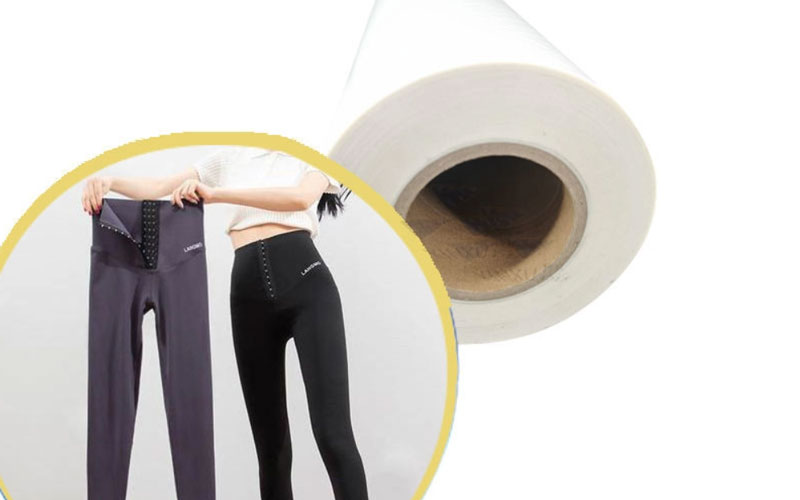
TPU films have fundamentally transformed the seamless underwear industry by enabling advanced bonding techniques, superior elasticity, and improved comfort. Their ability to replace traditional stitching and adhesives makes them essential in modern garment engineering.
From elastic support zones to invisible edge finishing and breathable waterproof layers, TPU films provide multi-functional solutions that meet both aesthetic and performance demands. As technology continues to evolve, TPU films will play an even more important role in shaping the future of seamless intimate apparel.