
Hot adhesive bonding films have become an essential material in modern manufacturing industries that require strong, clean, and durable bonding solutions. As production processes continue to evolve toward higher efficiency and more advanced material integration, these films are widely adopted across electronics, automotive, textile, aerospace, medical devices, and packaging applications. Their ability to create uniform adhesion under controlled heat and pressure makes them a preferred alternative to traditional liquid adhesives and mechanical fastening methods.
This article provides a comprehensive overview of hot adhesive bonding films, including their structure, working principle, production process, performance characteristics, application areas, and key considerations for selecting a reliable manufacturing solution.
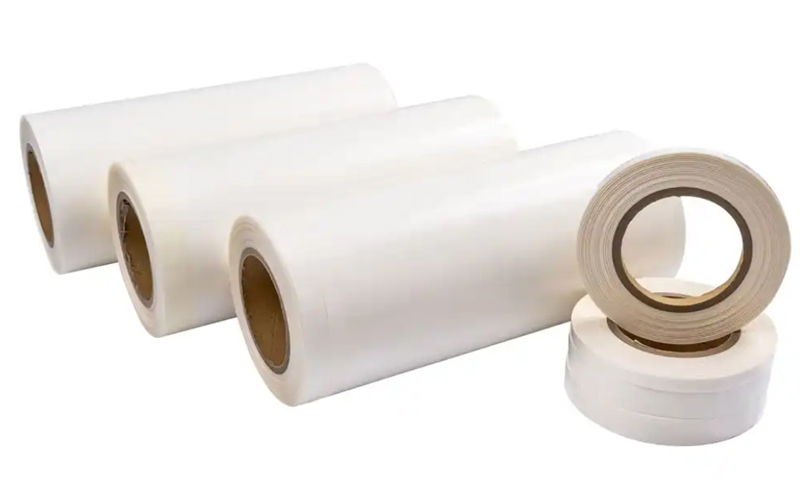
What Are Hot Adhesive Bonding Films?
Hot adhesive bonding films are solid thermoplastic or thermosetting adhesive materials formed into thin film layers. They are designed to activate under heat and pressure, creating a strong bond between two substrates without the need for liquid glue or solvents.
Unlike conventional adhesives, these films remain solid at room temperature and only become tacky or fully molten when exposed to specific temperature ranges. Once cooled, they form a stable and durable bond.
Key Characteristics
- Solid film form for easy handling and storage
- Heat-activated bonding mechanism
- Uniform adhesive thickness
- Solvent-free composition
- Clean application without overflow or residue
- Strong adhesion to multiple substrate types
Working Principle of Hot Adhesive Bonding Films
The bonding process of hot adhesive films is based on thermal activation and molecular diffusion.
Step-by-step mechanism:
- Placement
The film is positioned between two substrate materials. - Heating Phase
Heat is applied using equipment such as hot presses, laminators, or rollers. The adhesive layer begins to soften or melt. - Flow and Wetting
The molten adhesive flows into surface microstructures of the substrates, improving contact and wetting performance. - Pressure Application
Pressure ensures uniform spreading and eliminates air gaps. - Cooling and Solidification
Once cooled, the adhesive solidifies and forms a strong structural bond.
This process results in consistent bonding strength and reduces variability compared to liquid adhesives.
Types of Hot Adhesive Bonding Films
Different formulations are designed to meet specific industrial requirements.
1. Thermoplastic Adhesive Films
These films soften when heated and harden when cooled. They can be re-melted if reheated.
Features:
- Reworkable bonding
- Fast processing
- Good flexibility
- Suitable for textiles and electronics
2. Thermosetting Adhesive Films
These undergo a chemical reaction during curing, forming a permanent bond that cannot be re-melted.
Features:
- High heat resistance
- Strong structural integrity
- Excellent chemical stability
- Ideal for aerospace and automotive components
3. Polyurethane-Based Films
Known for elasticity and toughness, these are widely used in flexible materials.
Features:
- High elasticity
- Good impact resistance
- Suitable for soft and hard material combinations
4. Polyamide-Based Films
These provide excellent heat resistance and mechanical strength.
Features:
- High melting point
- Strong adhesion to metals
- Durable under harsh environments
5. Polyester-Based Films
Common in general industrial applications requiring balanced performance.
Features:
- Cost-effective
- Stable bonding strength
- Good compatibility with fabrics and plastics
Manufacturing Process of Hot Adhesive Bonding Films
A professional hot adhesive bonding films manufacturer typically follows a precise production workflow to ensure consistent quality.
1. Raw Material Selection
High-quality polymer resins and additives are selected based on target performance requirements such as elasticity, melting point, and adhesion strength.
2. Compounding
Raw materials are blended with stabilizers, tackifiers, and performance modifiers to achieve desired properties.
3. Extrusion or Casting
The mixture is processed into thin film form using:
- Melt extrusion
- Solution casting
- Calendering methods
4. Thickness Control
Precision equipment ensures uniform thickness across the entire film surface, typically ranging from microns to several hundred microns.
5. Cooling and Solidification
The film is cooled under controlled conditions to stabilize its structure.
6. Slitting and Winding
Films are cut into rolls of required widths and wound for packaging.
7. Quality Inspection
Each batch undergoes testing for:
- Tensile strength
- Peel strength
- Heat resistance
- Elasticity
- Adhesion uniformity
Key Performance Properties
Hot adhesive bonding films are engineered to meet demanding industrial conditions.
Adhesion Strength
Strong bonding across materials such as:
- Metals
- Plastics
- Fabrics
- Composites
- Glass
Thermal Resistance
Depending on formulation, films can withstand low-temperature flexibility or high-temperature stability exceeding 100°C to 200°C or more.
Flexibility
Maintains elasticity after bonding, especially important for textiles and wearable applications.
Chemical Resistance
Resistant to oils, solvents, and environmental exposure.
Durability
Long-lasting performance under mechanical stress and aging conditions.
Advantages of Hot Adhesive Bonding Films
Compared to traditional adhesive systems, these films offer several advantages.
Clean and Precise Application
No dripping, overflow, or uneven spreading.
Consistent Bonding Thickness
Ensures uniform performance across large production batches.
Environmentally Friendly
Many formulations are solvent-free, reducing VOC emissions.
High Production Efficiency
Short bonding cycles improve manufacturing speed.
Compatibility with Automation
Easily integrated into automated laminating and pressing systems.
Reduced Material Waste
Precise application minimizes excess adhesive usage.
Application Areas of Hot Adhesive Bonding Films
Hot adhesive bonding films are widely used across multiple industries.
1. Electronics Industry
Used for:
- Display module bonding
- Flexible circuit assembly
- Insulation layer fixation
- Touch panel lamination
They provide thin, stable bonding without affecting electrical performance.
2. Automotive Industry
Applications include:
- Interior panel bonding
- Trim and decorative parts
- Acoustic material lamination
- Lightweight composite assembly
Their durability and heat resistance make them suitable for vehicle environments.
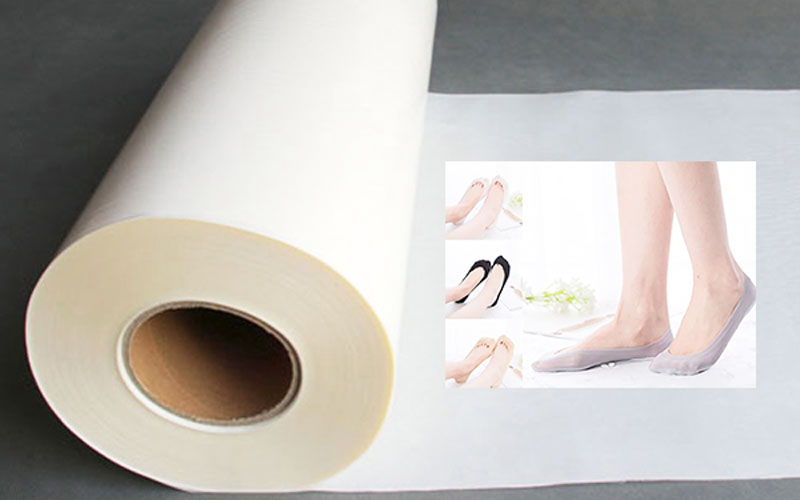
3. Textile and Apparel Industry
Used for:
- Seam sealing in waterproof garments
- Functional fabric lamination
- Sportswear production
- Underwear and elastic garment bonding
They replace stitching in many applications for improved comfort and aesthetics.
4. Medical Industry
Applications include:
- Disposable medical device assembly
- Sterile packaging seals
- Wearable medical sensors
They provide clean and safe bonding solutions without contamination risk.
5. Packaging Industry
Used for:
- High-end packaging lamination
- Protective film bonding
- Structural reinforcement of cartons
They enhance packaging durability and appearance.
6. Aerospace Industry
Applications include:
- Lightweight composite bonding
- Interior cabin panel assembly
- Thermal insulation layers
Their high strength-to-weight ratio is critical for aerospace applications.
How to Select a Hot Adhesive Bonding Films Manufacturer
Choosing the right manufacturer is essential for ensuring product performance and production stability.
1. Material Expertise
A reliable manufacturer should have strong formulation capabilities across different polymer systems.
2. Production Technology
Advanced equipment ensures:
- Uniform thickness
- Stable melting point control
- Consistent bonding performance
3. Quality Control System
Strict inspection standards should cover:
- Raw material testing
- In-process monitoring
- Final product evaluation
4. Customization Capability
Manufacturers should offer:
- Adjustable melting points
- Custom thickness
- Special adhesive strength requirements
- Industry-specific formulations
5. Application Support
Technical support for:
- Bonding parameter optimization
- Equipment compatibility
- Process troubleshooting
6. Production Capacity
Stable large-scale production ensures consistent supply for industrial needs.
Common Processing Methods
Hot adhesive bonding films can be applied using different techniques depending on production requirements.
Hot Press Lamination
High temperature and pressure are applied for strong bonding in flat materials.
Roller Lamination
Continuous processing suitable for textiles and flexible materials.
Vacuum Lamination
Used when air bubble elimination is critical, especially in electronics.
Die Cutting Integration
Films can be pre-cut into shapes for automated assembly lines.
Challenges in Application
Despite their advantages, several challenges may occur during use.
Temperature Sensitivity
Incorrect heating may lead to weak bonding or material degradation.
Material Compatibility
Not all substrates bond equally well without surface treatment.
Equipment Requirements
Precise temperature and pressure control is necessary.
Storage Conditions
Improper storage can affect film performance over time.
Future Development Trends
The demand for hot adhesive bonding films continues to grow, driven by industrial innovation.
1. Eco-Friendly Formulations
More solvent-free and recyclable materials are being developed.
2. High-Performance Films
Focus on higher heat resistance and stronger bonding strength.
3. Ultra-Thin Films
Demand for lightweight electronics drives thinner adhesive layers.
4. Smart Manufacturing Integration
Compatibility with automated production lines and AI-driven process control.
5. Multi-Functional Films
Films combining bonding, insulation, and thermal conductivity functions.
Conclusion
Hot adhesive bonding films represent a highly efficient and versatile bonding solution for modern industrial applications. Their clean processing, strong adhesion performance, and adaptability across multiple materials make them a critical component in advanced manufacturing systems.
A professional hot adhesive bonding films manufacturer plays a key role in ensuring product quality, stability, and customization capability. With continuous advancements in material science and industrial automation, these films will continue to expand their role in electronics, automotive, textiles, medical devices, and beyond.
As industries move toward higher precision and sustainability, hot adhesive bonding films will remain an essential technology supporting the next generation of manufacturing innovation.