
The development of modern garment manufacturing has brought significant changes to the way clothing is designed, produced, and worn. Consumers today demand garments that are not only fashionable but also lightweight, comfortable, durable, and functional. In response to these market requirements, seamless garment technology has become increasingly popular, especially in sportswear, activewear, underwear, medical textiles, and outdoor clothing.
Unlike traditional garment production methods that rely heavily on stitching, seamless garment manufacturing focuses on creating smooth connections between fabrics without visible seams. This technology improves wearing comfort, reduces irritation caused by stitches, and provides a cleaner appearance. One of the most important materials supporting this advanced manufacturing process is hot melt adhesive film.
Understanding hot melt adhesive film use in seamless garment production is essential for manufacturers who want to improve product quality, production efficiency, and garment performance. Hot melt adhesive film provides a reliable bonding solution for joining different textile components while maintaining flexibility, softness, and strength. It has become an indispensable material in modern seamless clothing production.
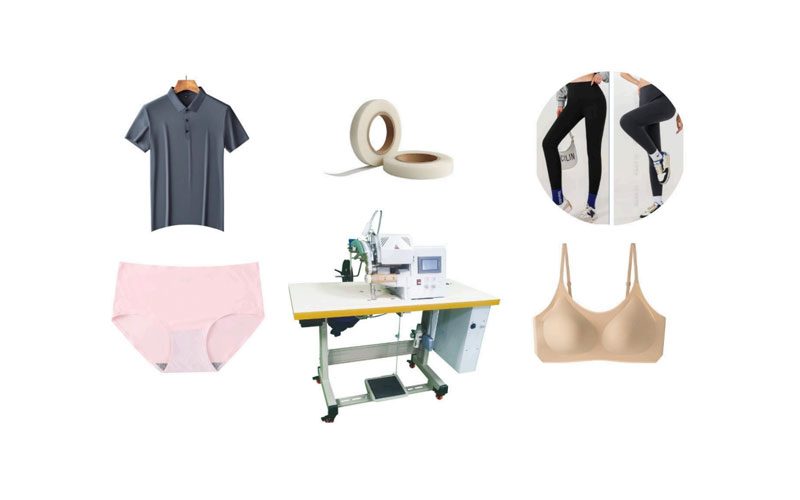
What Is Hot Melt Adhesive Film?
Hot melt adhesive film is a thermoplastic adhesive material that becomes activated when exposed to heat and pressure. Unlike liquid adhesives, it is manufactured in solid film form, which makes it cleaner, easier to handle, and more suitable for automated production processes.
During the bonding process, the adhesive film is placed between two fabric layers or textile components. When heated by equipment such as a heat press machine, the film melts and penetrates into the fabric structure. After cooling, it forms a strong adhesive connection between the materials.
Hot melt adhesive films are available in different compositions, including polyurethane (TPU), polyamide (PA), polyester (PES), and other specialized materials. Each type has different characteristics in terms of bonding strength, elasticity, washing resistance, temperature resistance, and compatibility with various fabrics.
For seamless garment manufacturing, TPU hot melt adhesive film is widely used because of its excellent elasticity, softness, and ability to maintain fabric flexibility after bonding.
Why Hot Melt Adhesive Film Is Important in Seamless Garment Manufacturing
Traditional garment production depends on sewing machines to connect fabric pieces. Although sewing remains widely used, stitched seams can create several limitations in high-performance clothing. Threads may cause skin irritation, reduce garment flexibility, and create thicker areas that affect comfort.
Seamless garment technology solves these problems by replacing many traditional stitching processes with advanced bonding techniques. In this process, hot melt adhesive film plays a key role by providing strong and flexible connections without adding unnecessary thickness.
The main reasons manufacturers choose hot melt adhesive film include:
1. Improved Wearing Comfort
Comfort is one of the most important factors in modern apparel. Sportswear, underwear, and compression garments often require direct contact with the skin. Traditional stitched seams may create pressure points or friction during movement.
By using hot melt adhesive film, manufacturers can create smooth bonding areas with fewer hard edges. This helps produce garments that feel softer and more comfortable, especially during long periods of wear.
2. Enhanced Garment Appearance
Seamless garments are known for their clean and modern appearance. Hot melt adhesive film allows manufacturers to create flat and invisible bonding areas without visible stitching lines.
This is particularly valuable for premium sportswear and fashion garments where appearance and design quality are important selling points.
3. Better Elasticity and Flexibility
Many seamless garments are made from elastic fabrics such as nylon, polyester, spandex, and blended materials. These fabrics need to stretch and recover during use.
A high-quality hot melt adhesive film maintains elasticity after bonding, allowing the garment to move naturally with the body. This makes it suitable for yoga wear, fitness clothing, running apparel, and compression garments.
Main Hot Melt Adhesive Film Use in Seamless Garments
The application range of hot melt adhesive film in seamless garment manufacturing is expanding rapidly. It is used in different production stages to improve garment functionality and performance.
1. Seam Bonding for Seamless Clothing
The most common hot melt adhesive film use is seam bonding. Instead of sewing fabric pieces together, manufacturers apply adhesive film between fabric edges and use heat and pressure to create a strong connection.
This method is widely used in:
- Sports jackets
- Outdoor clothing
- Waterproof garments
- Cycling apparel
- Running clothes
- Compression wear
Seam bonding helps eliminate bulky stitching lines and improves garment flexibility. It also provides better protection against moisture because bonded seams can reduce water penetration.
For outdoor clothing manufacturers, this technology is especially valuable because waterproof performance is a major requirement.
2. Hem Bonding Applications
Garment hems are important areas that influence both appearance and durability. Traditional sewn hems may create thicker edges, which can affect comfort and design.
Hot melt adhesive film provides a clean alternative by allowing manufacturers to create smooth and flat hems. This application is commonly found in:
- Sports leggings
- Yoga pants
- T-shirts
- Underwear
- Lightweight jackets
The adhesive film creates a strong bond while keeping the fabric edge flexible. This improves garment appearance and helps maintain the original fabric characteristics.
3. Elastic Band Attachment
Elastic components are widely used in seamless garments, especially underwear, sportswear, and compression clothing.
Hot melt adhesive film can bond elastic bands securely to fabrics without traditional stitching. This provides several benefits:
- Improved stretch performance
- Reduced thickness
- Better skin comfort
- More consistent production quality
For example, waistband bonding in sports leggings and underwear can be completed with adhesive film technology, creating smooth and comfortable garment structures.
4. Bonding Functional Fabric Layers
Modern garments often contain multiple layers to provide additional functions. Examples include moisture management layers, protective membranes, thermal insulation layers, and reinforcement materials.
Hot melt adhesive film can connect these layers while maintaining lightweight construction.
In high-performance sportswear, manufacturers use adhesive films to combine different textile materials without affecting breathability or flexibility.
This application is important for producing:
- High-performance athletic wear
- Outdoor clothing
- Military textiles
- Medical garments
5. Waterproof Garment Production
Waterproof clothing requires reliable seam sealing technology. Even if the fabric itself is waterproof, water can enter through stitching holes.
Hot melt adhesive film helps create waterproof seams by sealing fabric connections. When heated, the adhesive melts and fills small gaps between materials, creating a protective barrier.
This technology is widely applied in:
- Rain jackets
- Ski clothing
- Hiking equipment
- Waterproof trousers
Compared with traditional seam sealing methods, hot melt adhesive film provides cleaner operation and better production efficiency.
6. Sportswear and Activewear Manufacturing
Sportswear is one of the fastest-growing application areas for seamless garment technology. Athletes require clothing that provides freedom of movement, breathability, and long-term comfort.
Hot melt adhesive film supports these requirements by creating lightweight and flexible garment structures.
Common applications include:
- Seamless running shirts
- Compression sleeves
- Fitness leggings
- Cycling suits
- Training apparel
The adhesive film allows manufacturers to produce garments that closely fit the body while maintaining excellent stretch recovery.
Advantages of Using Hot Melt Adhesive Film Instead of Sewing
The increasing popularity of adhesive bonding technology is mainly due to its advantages over traditional sewing methods.
Faster Production Efficiency
Hot melt adhesive film can be applied through automated bonding machines, reducing manual labor requirements. This helps manufacturers improve production speed and maintain consistent quality.
Cleaner Manufacturing Process
Unlike liquid adhesives, hot melt adhesive film does not create messy application problems. It does not require solvent drying processes, making production cleaner and more environmentally friendly.
Strong Bonding Performance
High-quality adhesive films provide excellent resistance to washing, stretching, and daily wear. This ensures that garments maintain their performance throughout their service life.
Lightweight Construction
Removing traditional stitching reduces garment weight and thickness. This is especially important for performance clothing where lightweight design is a key requirement.
How to Choose the Right Hot Melt Adhesive Film for Seamless Garments
Different garments require different adhesive film properties. Manufacturers should consider several factors when selecting suitable materials.
Fabric Compatibility
The adhesive film must match the fabric type. Different textiles have different surface structures, so compatibility directly affects bonding strength.
Elasticity Requirements
For stretchable garments, the adhesive film should maintain flexibility after bonding. TPU-based films are often preferred for applications requiring high elasticity.
Washing Resistance
Garments are frequently washed during use. Therefore, adhesive films should provide reliable resistance against water, detergent, and repeated washing cycles.
Processing Temperature
Manufacturers should select films that match their production equipment and fabric heat resistance. Excessive temperature may damage sensitive textiles.
Future Development of Hot Melt Adhesive Film in Apparel Industry
As consumers continue to demand higher-quality and more comfortable clothing, seamless garment technology will continue developing. Hot melt adhesive film will play an increasingly important role in this transformation.
Future trends include:
- More environmentally friendly adhesive materials
- Bio-based hot melt adhesive films
- Improved bonding strength
- Better stretch performance
- Integration with smart textiles
The growth of sportswear, outdoor clothing, and functional apparel markets will further increase demand for advanced bonding solutions.
Manufacturers are also investing in automated seamless garment production lines to improve efficiency and reduce manufacturing costs. In these advanced production systems, hot melt adhesive film will remain a key material.
Conclusion
The application of adhesive bonding technology has changed the way modern garments are manufactured. Among different bonding materials, hot melt adhesive film has become an essential solution for producing comfortable, lightweight, and high-performance seamless garments.
From seam bonding and hem finishing to elastic attachment and waterproof applications, hot melt adhesive film use provides manufacturers with a flexible and efficient alternative to traditional sewing methods. Its advantages in comfort, appearance, durability, and production efficiency make it an ideal choice for sportswear, activewear, underwear, and functional clothing.
As the global apparel industry continues moving toward smarter and more advanced manufacturing methods, hot melt adhesive film will continue to support innovation in seamless garment production and help manufacturers create better products for modern consumers.