
The textile industry has seen significant advancements over the years, particularly in garment manufacturing technologies. One of the most groundbreaking innovations is the use of bonding machines for seamless garments. These machines represent a major leap forward from traditional sewing techniques, offering numerous benefits in terms of comfort, durability, and production efficiency. By eliminating the need for traditional seams, bonding machines produce garments that are not only smoother but also more functional, catering to a range of applications from activewear to medical textiles. In this article, we will explore what bonding machines for seamless garments are, how they work, the types available, their benefits, and the various industries they serve.
What Are Bonding Machines for Seamless Garments?
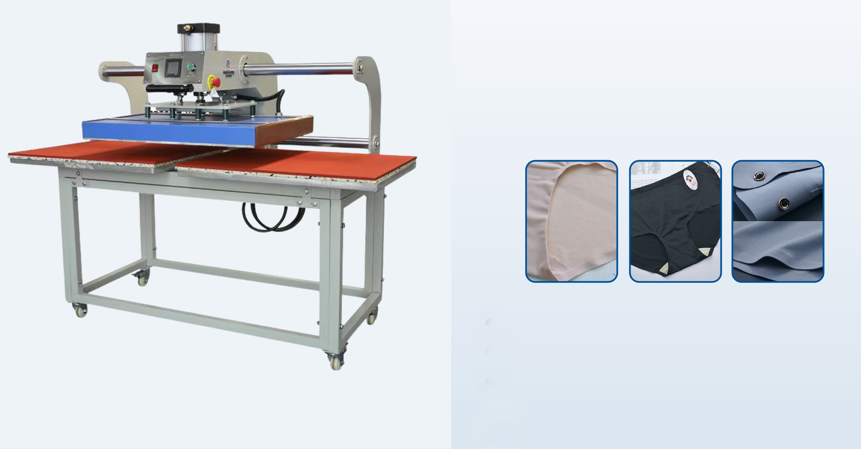
Bonding machines for seamless garments are advanced textile machines designed to manufacture clothing and other products without the need for traditional stitching or seams. These machines use various techniques such as heat, ultrasonic waves, and air to fuse fabric layers together, creating garments that are smooth, durable, and free of irritating seams. Seamless technology is often used for activewear, lingerie, sportswear, and medical textiles, providing a higher level of comfort and performance compared to traditionally stitched garments.
By utilizing innovative technologies, these machines can streamline the production process, reduce waste, and significantly cut down on manufacturing time. Furthermore, the end products tend to have enhanced durability and a more refined appearance, making them desirable for both functional and aesthetic purposes.
Types of Bonding Machines for Seamless Garments
There are several types of bonding machines used in the production of seamless garments. Each type serves a specific purpose and is suited to different materials and manufacturing needs. Let’s take a look at the most common types:
-
Seamless Garment Machines
Seamless garment machines are designed to produce garments such as activewear, shapewear, and lingerie without the use of traditional seams. These machines integrate both knitting and bonding processes, resulting in a smooth, seamless construction. The seamless design offers a superior fit and greater comfort, as there are no stitching lines to cause irritation. The process is highly efficient, allowing for the production of high-quality garments at a fast pace.
-
Heat Press Machines
Heat press machines use heat and pressure to bond fabric layers together, transferring designs or materials to the fabric surface. While commonly used in custom apparel and printing, heat press machines also play a significant role in seamless garment manufacturing. The application of controlled heat allows for precise bonding of fabric layers, resulting in smooth, seamless edges without the need for stitching.
-
Ultrasonic Bonding Machines
Ultrasonic bonding machines use high-frequency sound waves to bond fabrics together. This method is widely used in textile industries where precision and durability are required. Ultrasonic machines create strong, seamless bonds by using ultrasonic vibrations to melt the edges of the fabric, fusing them together without the need for sewing or adhesives. This technique is ideal for creating intricate, seamless designs in garments like medical textiles and sportswear.
-
Hot Air Bonding Machines
Hot air bonding machines use heated air to melt and bond fabric layers. The consistent heat distribution ensures that the fabrics fuse together seamlessly. These machines are suitable for high-volume production and are particularly effective in producing garments with strong, flexible seams. Hot air bonding is often used in the production of outerwear and technical textiles where durability is key.
How Do Bonding Machines for Seamless Garments Work?
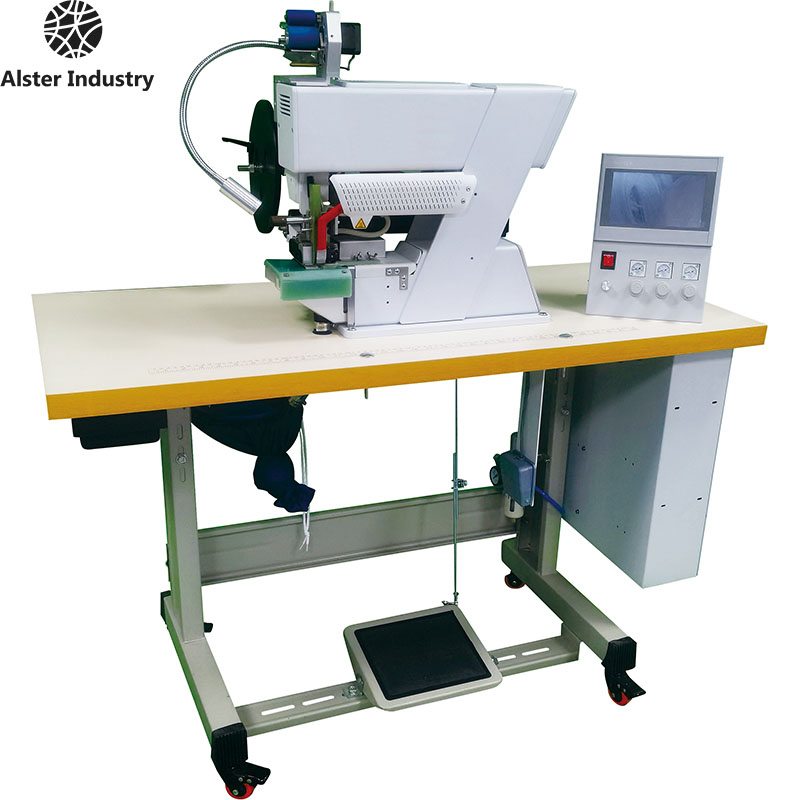
The operation of bonding machines for seamless garments typically involves a few key steps, depending on the type of machine used:
-
Fabric Preparation
Before the bonding process begins, the fabric is prepared by either knitting, weaving, or laying it out in layers. In seamless garment machines, the fabric is usually knitted in a continuous loop, eliminating the need for traditional seams.
-
Bonding Process
The bonding process itself varies depending on the machine. For heat press machines, heat and pressure are applied to fuse the fabric layers. In ultrasonic bonding machines, high-frequency sound waves are used to create strong bonds. Hot air bonding machines use heated air to melt the fabric edges and fuse them together.
-
Cooling and Setting
Once the fabric is bonded, it is cooled and set to ensure the bond holds. This final step guarantees that the fabric maintains its seamless construction, providing a smooth and durable garment.
Benefits of Bonding Machines for Seamless Garments
The use of bonding machines in garment manufacturing brings numerous advantages, including:
-
Enhanced Comfort
One of the most significant benefits of seamless garments is the enhanced comfort they provide. Traditional seams can be irritating, especially in tight-fitting garments like activewear or shapewear. Bonding machines eliminate seams, resulting in smoother garments that feel more comfortable against the skin.
-
Improved Durability
Seamless garments tend to be more durable than traditional garments. The absence of seams means fewer weak points in the fabric, which reduces the likelihood of the garment tearing or unraveling. This is particularly important in industries like sportswear, where durability is essential.
-
Sleek Aesthetics
Bonding machines create garments that have a clean, polished look. Without visible seams or stitching lines, the finished product has a smoother, more refined appearance, which is highly desirable in both fashion and technical textiles.
-
Increased Production Efficiency
Bonding machines streamline the manufacturing process by combining multiple steps into one. This reduces production time and minimizes waste, leading to more efficient and cost-effective manufacturing.
-
Customization and Design Flexibility
With bonding machines, designers can experiment with more intricate patterns and designs. The machines’ ability to bond fabrics in various ways opens up new possibilities for customization, enabling manufacturers to create unique garments that meet the specific needs of consumers.
-
Minimal Irritation
Garments made with bonding machines do not have seams, which means there are fewer points of irritation on the skin. This is especially important for garments worn for long periods, such as compression wear or sportswear.
Applications of Bonding Machines for Seamless Garments
Bonding machines for seamless garments are used in a variety of industries. Some of the most common applications include:
-
Activewear
Seamless garment machines are widely used in the production of activewear. The comfort and flexibility of seamless designs make them ideal for sports and fitness apparel, where mobility and performance are key. Additionally, seamless activewear is less likely to cause chafing, which is important during physical activity.
-
Lingerie and Shapewear
Seamless technology is also prevalent in the lingerie and shapewear industries. The smooth, seamless construction provides a better fit and ensures that the garment is invisible under clothing. Moreover, seamless lingerie is often more comfortable than traditional stitched garments, as there are no seams to dig into the skin.
-
Medical Textiles
In the medical field, bonding machines are used to produce compression wear, wound dressings, and other medical textiles. Seamless garments are ideal for medical applications because they provide a smooth, irritation-free surface, which is crucial for patient comfort and healing.
-
Technical Fabrics
Bonding machines are also used in the production of technical fabrics for outdoor and industrial applications. The seamless construction ensures that the garments are durable and flexible, making them ideal for workwear, uniforms, and outdoor gear.
Choosing the Right Bonding Machine for Seamless Garments
When selecting a bonding machine for seamless garment production, several factors should be considered:
-
Material Compatibility
Different bonding machines are suited to different fabrics. Some machines may be better suited for lightweight fabrics like jersey or spandex, while others are designed for heavier materials like denim or technical textiles. It’s important to choose a machine that can handle the specific types of fabrics used in your garments.
-
Production Speed
Depending on your production volume, you may need a machine that operates at a faster speed. Some bonding machines are designed for high-volume production, while others may be better suited for smaller, customized runs.
-
Design Flexibility
Some bonding machines offer more flexibility in terms of design and pattern creation. If customization is a priority, consider machines that allow for more intricate designs and greater control over the bonding process.
-
Ease of Operation and Maintenance
A user-friendly machine that is easy to operate and maintain will ensure smoother production processes and reduce downtime. Look for machines that come with clear instructions and reliable customer support.
Conclusion
Bonding machines for seamless garments represent a significant technological advancement in the textile industry. By eliminating the need for traditional seams, these machines produce garments that are more comfortable, durable, and aesthetically pleasing. Whether used for activewear, lingerie, medical textiles, or technical fabrics, bonding machines offer numerous benefits, including enhanced production efficiency, customization, and reduced waste. For manufacturers looking to stay ahead in the competitive textile industry, investing in bonding machines for seamless garments is a smart choice that can lead to superior product quality and greater customer satisfaction.