
The rapid development of seamless garment technology has brought significant changes to the apparel manufacturing industry. As consumers increasingly demand clothing with better comfort, flexibility, durability, and aesthetic performance, traditional sewing methods are gradually being replaced by advanced bonding solutions. Among these innovative materials, elastic TPU film has become an important component in modern seamless garment production, helping manufacturers create lightweight, smooth, and high-performance apparel products.
In seamless garment manufacturing, fabric connection technology directly affects product quality and wearing experience. Traditional stitching may create bulky seams, pressure points, and discomfort during movement. By using advanced thermoplastic bonding materials, manufacturers can achieve stronger connections while maintaining fabric softness and elasticity. TPU film technology provides an effective solution for joining different textile components without affecting the flexibility required in modern apparel.
The application of TPU-based bonding materials has expanded across various seamless garment categories, including sportswear, underwear, shapewear, functional clothing, and medical textiles. With excellent elasticity, heat activation performance, and compatibility with different fabrics, this material has become an essential choice for apparel manufacturers seeking improved production efficiency and premium product performance.
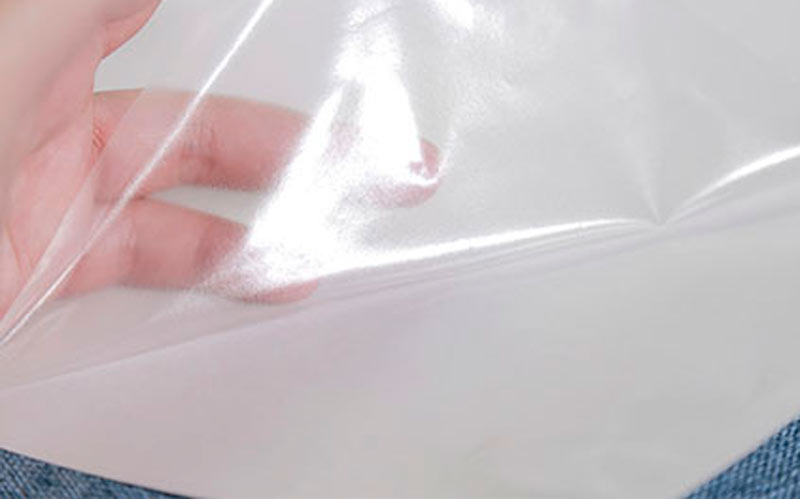
Application of Elastic TPU Film in Seamless Underwear Manufacturing
Seamless underwear is one of the most important application areas for advanced bonding materials. Modern consumers expect underwear products to provide softness, freedom of movement, and a smooth skin-contact experience. Compared with traditional sewn underwear, seamless underwear eliminates many visible stitching lines and creates a more comfortable wearing sensation.
During seamless underwear production, TPU film is widely used for bonding fabric edges, attaching elastic components, reinforcing functional areas, and connecting different textile layers. The bonding process allows manufacturers to produce underwear with flat and flexible structures while maintaining the original stretch properties of fabrics.
For men’s seamless underwear, bonding technology is commonly applied to waistband structures, leg openings, and pouch areas. These parts require strong bonding performance because they experience continuous stretching during daily activities. The use of elastic bonding materials helps maintain shape stability while reducing friction against the skin.
For women’s seamless underwear and lingerie products, bonding performance is even more critical. Products such as seamless panties, bras, and intimate apparel require extremely soft edges and invisible connection points. TPU film enables manufacturers to achieve smooth transitions between fabric sections, improving both comfort and appearance.
The main benefits in seamless underwear applications include:
- Smooth and invisible bonding areas
- Reduced skin irritation caused by seams
- Improved garment flexibility
- Better elasticity retention
- Enhanced product appearance
- Increased production consistency
With the growth of premium underwear markets worldwide, seamless bonding technology has become a key manufacturing solution for brands focusing on comfort-oriented apparel.
Application in Seamless Sportswear and Activewear
Sportswear is another major field where bonding materials play an important role. Athletes and fitness users require garments that can support intensive movement while providing maximum comfort. Traditional stitching structures may create pressure areas and reduce flexibility, especially during high-intensity exercise.
In seamless sportswear production, elastic TPU film is used to connect fabric panels, reinforce stress areas, and create smooth bonded seams. This technology allows manufacturers to produce lightweight sports garments with improved flexibility and durability.
Common sportswear applications include:
- Yoga clothing
- Running apparel
- Compression garments
- Cycling wear
- Fitness tops
- Sports bras
- Outdoor performance clothing
Compression garments especially benefit from bonding technology. These products require precise control of pressure distribution and body support. Uneven seams can negatively affect wearing comfort and performance. Bonding with TPU film helps create uniform structures while maintaining the stretchability of synthetic fabrics.
In addition, seamless sportswear often needs to be lightweight and breathable. Traditional sewing methods add extra material thickness, while bonding technology creates thinner connection areas. This allows sportswear brands to develop products that are more suitable for professional athletes and active consumers.
Application in Seamless POLO Shirts and Casual Apparel
The demand for comfortable casual clothing has encouraged apparel manufacturers to explore seamless construction methods beyond traditional sportswear and underwear categories. Seamless POLO shirts and premium casual garments are becoming increasingly popular because they combine elegant appearance with improved comfort.
During POLO shirt production, bonding materials can be applied to collar attachment, shoulder construction, sleeve connection, and decorative details. These applications help create a cleaner garment structure without visible stitching lines.
For premium casual apparel brands, seamless manufacturing offers several advantages:
- Modern minimalist appearance
- Improved wearing comfort
- Reduced seam thickness
- Better garment flexibility
- Enhanced product differentiation
Using TPU bonding technology allows manufacturers to maintain garment shape while providing a softer feel. This is especially valuable for lightweight fabrics and stretch materials commonly used in modern casual clothing.
As fashion trends move toward cleaner designs and improved functionality, seamless bonding solutions are expected to become increasingly important in casual apparel production.
Application in Shapewear and Compression Garments
Shapewear is a highly demanding apparel category because products must provide body support while maintaining comfort. These garments typically use elastic fabrics that require precise bonding methods to maintain compression performance.
In shapewear manufacturing, TPU film is applied to connect multiple fabric layers, reinforce shaping zones, and create smooth compression structures. Compared with traditional stitching, bonding technology reduces unnecessary thickness and prevents discomfort caused by hard seam lines.
Applications include:
- Body shaping underwear
- Waist control garments
- Compression shorts
- Posture correction clothing
- Figure-enhancing apparel
The elasticity and bonding strength of TPU materials allow shapewear manufacturers to create products that move naturally with the body. This is essential because excessive stiffness or poor bonding performance can affect both comfort and garment lifespan.
For high-end shapewear brands, seamless bonding technology provides opportunities to develop thinner, lighter, and more comfortable products while maintaining required shaping functions.
Application in Medical and Healthcare Textiles
The medical textile industry has strict requirements for garment comfort, safety, and durability. Many medical garments are worn for extended periods, meaning that rough seams or uncomfortable structures can negatively affect users.
Seamless medical clothing uses advanced bonding technologies to create smooth surfaces and reduce friction. Elastic TPU film supports the production of medical textiles that require flexibility, skin friendliness, and reliable performance.
Typical medical applications include:
- Compression stockings
- Rehabilitation garments
- Medical support wear
- Recovery clothing
- Protective textile products
Compression medical garments require consistent pressure distribution. Bonding technology helps manufacturers avoid irregular seam structures that may influence garment performance. The smooth bonding surface also improves patient comfort during long-term use.
As healthcare textile markets continue to grow, seamless bonding solutions provide manufacturers with more possibilities for developing comfortable and functional medical apparel.
Application in Functional and Outdoor Clothing
Modern outdoor and functional clothing requires advanced construction methods to achieve waterproof performance, durability, and flexibility. Seamless bonding technology helps manufacturers produce garments that can withstand challenging environments.
In outdoor apparel production, bonding materials are used for:
- Waterproof jacket seams
- Functional base layers
- Thermal clothing
- Protective workwear
- Performance outdoor equipment
Compared with traditional sewing, bonded structures can reduce weak points where moisture or cold air may enter. This makes bonding technology especially valuable for outdoor garments designed for extreme weather conditions.
The combination of technical fabrics and TPU bonding materials allows manufacturers to create lightweight products with improved protection and comfort.
Advantages of Using Elastic TPU Film in Seamless Garment Production
The increasing adoption of TPU bonding technology is closely related to its multiple performance advantages.
Excellent Elasticity
Modern seamless garments require materials that can stretch repeatedly without losing performance. TPU film provides excellent flexibility, allowing bonded areas to move naturally with fabrics.
Strong Fabric Compatibility
TPU bonding materials can work with various textile materials, including:
- Polyester
- Nylon
- Spandex blends
- Elastic fabrics
- Functional textiles
This compatibility allows manufacturers to develop a wider range of seamless garment products.
Improved Garment Appearance
Invisible bonding creates cleaner garment designs without visible stitching lines. This is particularly important for premium fashion, sportswear, and intimate apparel markets.
Enhanced Production Efficiency
Bonding processes reduce the number of sewing steps required during manufacturing. Automated bonding equipment improves production speed and ensures consistent product quality.
Better Wearing Experience
Smooth bonded areas reduce friction and pressure points, creating garments that feel more comfortable against the skin.
Role of TPU Film in Sustainable Seamless Garment Production
Sustainability has become an important consideration in the global apparel industry. Manufacturers are seeking production methods that reduce waste and improve resource efficiency.
Seamless bonding technology contributes to more sustainable garment manufacturing by reducing thread consumption, minimizing production steps, and improving material utilization. Bonded garments can also achieve longer service life because high-quality bonding improves structural durability.
As environmental requirements continue to influence the textile industry, manufacturers are increasingly investing in advanced bonding technologies that support both performance and sustainability goals.
Conclusion
The application of elastic TPU film in seamless garment production has transformed the way modern apparel is designed and manufactured. From seamless underwear and sportswear to POLO shirts, shapewear, medical textiles, and outdoor clothing, bonding technology provides manufacturers with reliable solutions for creating comfortable, durable, and high-performance garments.
By improving flexibility, appearance, production efficiency, and wearing comfort, TPU-based bonding materials have become an essential technology for the future development of seamless apparel. As consumer expectations continue to rise, advanced bonding solutions will play an increasingly important role in helping apparel manufacturers create innovative products for global markets.