
The development of seamless garment technology has significantly changed the modern apparel manufacturing industry. With increasing demand for comfortable, lightweight, and high-performance clothing, traditional sewing methods are gradually being replaced by advanced bonding technologies. A garment bonding machine has become an essential production solution for manufacturers who want to create seamless garments with improved comfort, durability, and aesthetic appeal.
Unlike conventional stitching processes, garment bonding uses heat, pressure, and specialized adhesive materials to join fabrics without visible seams. This technology allows manufacturers to produce garments with smooth surfaces, flexible structures, and enhanced wearing experiences. From seamless underwear and sportswear to medical textiles and functional clothing, bonding machines provide efficient and precise manufacturing solutions for various applications.
As the seamless apparel market continues to expand globally, the demand for reliable bonding equipment has increased. Modern garment manufacturers require machines that can deliver consistent bonding quality, high production efficiency, and compatibility with different fabrics. Advanced bonding technology helps brands achieve premium garment designs while reducing production complexity and improving overall product performance.
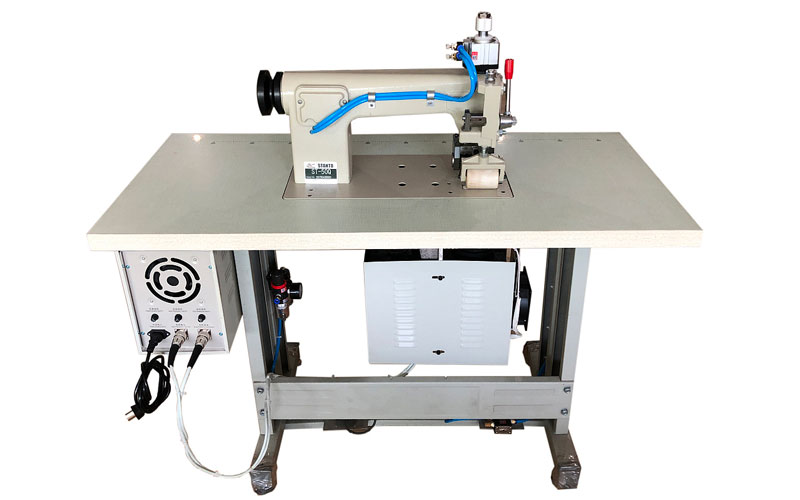
Application of Garment Bonding Machine in Seamless Underwear Production
One of the most important applications of a garment bonding machine is seamless underwear manufacturing. Consumers increasingly prefer underwear that provides maximum comfort, softness, and freedom of movement. Traditional stitched underwear may create pressure points, skin irritation, and visible seam lines, while seamless bonded underwear offers a smoother and more comfortable wearing experience.
In men’s underwear production, bonding machines are widely used for waistband attachment, leg opening bonding, pouch shaping, and panel joining. The technology enables manufacturers to create underwear with precise structures while maintaining elasticity and comfort. Bonded edges reduce friction against the skin and provide a cleaner appearance compared with traditional sewn seams.
For women’s underwear and lingerie production, bonding technology plays an even more important role. Seamless bras, panties, shapewear, and functional lingerie require extremely high standards for softness, flexibility, and appearance. A garment bonding machine ensures that different fabric layers can be combined securely without affecting stretchability.
The application advantages in seamless underwear production include:
- Smooth and flat bonded edges
- Reduced irritation caused by traditional stitching
- Improved garment flexibility
- Enhanced durability after repeated washing
- Better appearance for premium apparel brands
- Higher production efficiency compared with manual sewing processes
By integrating bonding machines into underwear production lines, manufacturers can create high-quality seamless products that meet modern consumers’ expectations for comfort and performance.
Garment Bonding Machine Applications in Seamless Sportswear
The sportswear industry is another major application area for garment bonding machines. Athletes and fitness consumers require clothing that provides flexibility, breathability, and unrestricted movement. Traditional seams can create discomfort during intensive activities, especially in areas exposed to continuous movement and friction.
Seamless sportswear, including yoga wear, compression clothing, running apparel, and fitness garments, relies heavily on bonding technology. A garment bonding machine allows manufacturers to connect fabric components while maintaining the original elasticity and functional properties of the materials.
For example, compression garments require precise bonding techniques to ensure uniform pressure distribution. Bonding machines can create smooth transitions between fabric sections, helping improve muscle support and wearing comfort.
Common sportswear applications include:
- Seamless leggings
- Compression shirts
- Sports bras
- Cycling apparel
- Running wear
- Fitness clothing
- Outdoor performance garments
The use of bonding technology also helps sportswear manufacturers develop lightweight products. By reducing the need for heavy stitching structures, garments become thinner, more flexible, and more suitable for high-performance activities.
Application in Seamless POLO Shirt Manufacturing
Seamless POLO shirts represent another growing application area for garment bonding technology. Modern consumers expect casual clothing to combine elegant appearance with exceptional comfort. Seamless POLO shirts provide a premium solution by reducing traditional seams and creating a cleaner garment structure.
During POLO shirt production, bonding machines can be used for collar attachment, sleeve connection, shoulder bonding, and decorative component application. These processes help maintain the smooth appearance of the shirt while improving wearing comfort.
Compared with traditional sewn POLO shirts, seamless bonded POLO shirts offer several advantages:
- Cleaner visual appearance
- Reduced seam thickness
- Improved flexibility
- Enhanced comfort around shoulders and sleeves
- Better suitability for premium fashion markets
For apparel brands focusing on high-end casual wear, seamless bonding technology provides an effective way to differentiate products and improve customer satisfaction.
Application of Garment Bonding Machine in Shapewear Production
Shapewear manufacturing requires advanced bonding technology because these garments need to provide body control, compression, and comfort simultaneously. Conventional stitching methods may create uneven pressure areas, which can affect the overall wearing experience.
A garment bonding machine helps manufacturers produce shapewear with smooth compression zones and flexible structures. The bonding process allows multiple layers of elastic fabrics to be combined accurately without creating bulky seams.
Applications include:
- Body shaping garments
- Waist trainers
- Compression shorts
- Tummy control underwear
- Posture support garments
The precise temperature and pressure control of modern bonding machines ensure strong adhesion while protecting sensitive elastic fabrics. This is especially important for shapewear materials such as nylon, spandex, polyester blends, and other stretch fabrics.
Application in Medical and Healthcare Textiles
Beyond fashion apparel, garment bonding machines are widely used in medical textile manufacturing. Medical garments require excellent comfort, hygiene, and functional performance because they are often worn for extended periods.
Bonding technology helps produce medical products with smooth surfaces and reduced friction. This makes bonded garments suitable for patients who need comfortable long-term wear.
Typical medical applications include:
- Compression stockings
- Rehabilitation garments
- Medical support clothing
- Protective textile products
- Specialized healthcare apparel
For compression medical garments, accurate bonding is essential because uneven seams can affect pressure distribution and user comfort. Garment bonding machines provide stable and reliable production processes that meet the strict requirements of medical textile manufacturers.
Application in Outdoor and Functional Clothing
Outdoor apparel manufacturers increasingly use seamless bonding technology to improve garment performance. Outdoor clothing must withstand demanding environments while providing flexibility and protection.
A garment bonding machine enables manufacturers to produce technical clothing with fewer weak points compared with traditional sewing structures. Bonded seams can improve water resistance, reduce weight, and enhance overall garment durability.
Applications include:
- Hiking jackets
- Outdoor base layers
- Waterproof clothing
- Thermal garments
- Functional workwear
In outdoor clothing production, bonding machines are often combined with waterproof seam sealing technologies to create garments suitable for extreme weather conditions.
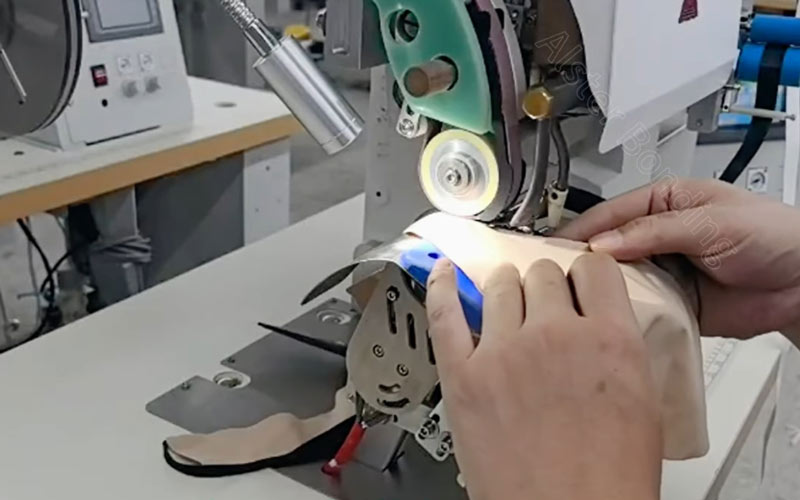
Application in Fashion and Premium Apparel Manufacturing
The fashion industry is constantly exploring new production methods to create unique designs and improved customer experiences. Seamless bonding technology provides designers with greater flexibility in developing modern apparel.
Fashion brands use garment bonding machines for:
- Seamless dresses
- Fashion underwear
- High-end activewear
- Lightweight clothing collections
- Innovative textile designs
Without traditional stitching limitations, designers can create cleaner silhouettes and more advanced garment structures. Bonding technology also supports minimalist fashion trends where smooth surfaces and invisible construction are highly valued.
Advantages of Using Garment Bonding Machine for Seamless Garment Production
The growing adoption of garment bonding machines is driven by several important advantages.
Improved Comfort
The elimination of traditional seams reduces friction and pressure points. This creates softer garments that are more comfortable for daily wear, sports activities, and medical applications.
Higher Production Efficiency
Bonding machines simplify garment assembly by reducing multiple sewing processes. Automated temperature and pressure control improves production speed and consistency.
Better Product Appearance
Seamless bonded garments have cleaner designs and smoother surfaces. This helps apparel manufacturers produce premium-quality products with modern aesthetics.
Enhanced Durability
Advanced bonding materials provide strong connections between fabrics. Properly bonded areas can withstand stretching, washing, and repeated use.
Compatibility with Various Fabrics
Modern bonding machines can process different textile materials, including:
- Nylon
- Polyester
- Spandex
- Elastic fabrics
- Synthetic blends
- Functional textiles
This flexibility allows manufacturers to expand their product ranges and serve different market segments.
Choosing the Right Garment Bonding Machine for Seamless Garment Production
Selecting suitable bonding equipment is important for achieving stable production results. Manufacturers should consider several factors when choosing a machine.
Fabric Compatibility
Different fabrics require different bonding temperatures, pressures, and adhesive materials. A suitable machine should support various textile structures.
Production Requirements
Large-scale manufacturers need equipment with high efficiency and continuous operation capabilities, while specialized producers may require flexible machines for customized products.
Bonding Accuracy
Precise temperature control, pressure adjustment, and timing systems directly influence bonding quality. High-precision machines help reduce defects and improve product consistency.
Application Purpose
Different garments require different bonding functions. For example, underwear production may focus on soft edge bonding, while outdoor clothing may require stronger waterproof bonding performance.
Future Development of Garment Bonding Technology
The future of seamless garment manufacturing will continue to focus on automation, sustainability, and intelligent production. As consumers demand more comfortable and functional clothing, bonding technology will become increasingly important.
Advanced garment bonding machines are expected to integrate smarter control systems, improved energy efficiency, and more environmentally friendly bonding materials. These developments will help manufacturers achieve higher productivity while meeting global sustainability requirements.
The combination of innovative fabrics and advanced bonding equipment will continue expanding applications across apparel, healthcare, sports, and technical textile industries.
Conclusion
A garment bonding machine is a key technology for modern seamless garment production. Its applications cover a wide range of industries, including seamless underwear, sportswear, POLO shirts, shapewear, medical textiles, outdoor clothing, and premium fashion apparel.
By replacing traditional stitching methods with advanced bonding processes, manufacturers can achieve better comfort, improved appearance, higher efficiency, and enhanced product performance. As the global demand for seamless and functional garments continues to grow, garment bonding technology will remain an essential solution for apparel manufacturers seeking innovation and competitive advantages.