
The development of seamless garment technology has significantly changed the modern apparel industry by providing consumers with products that offer improved comfort, flexibility, and aesthetic appeal. Compared with traditional sewing methods, seamless manufacturing techniques reduce stitching lines, enhance garment elasticity, and create a smoother wearing experience. To achieve reliable bonding performance in seamless clothing production, manufacturers increasingly rely on advanced adhesive materials that can provide strong adhesion without affecting fabric softness and stretchability.
Among various textile bonding solutions, fabric bonding film has become an essential material for seamless garment production. It enables manufacturers to join different textile layers, elastic components, and functional fabrics through heat activation rather than traditional stitching or liquid adhesives. This technology improves production efficiency while maintaining the lightweight, flexible, and durable characteristics required for modern seamless apparel.
With increasing demand for sportswear, underwear, shapewear, medical garments, and functional clothing, fabric bonding technologies continue to develop rapidly. Manufacturers are focusing on adhesive films that offer excellent bonding strength, washing resistance, and compatibility with different textile materials.
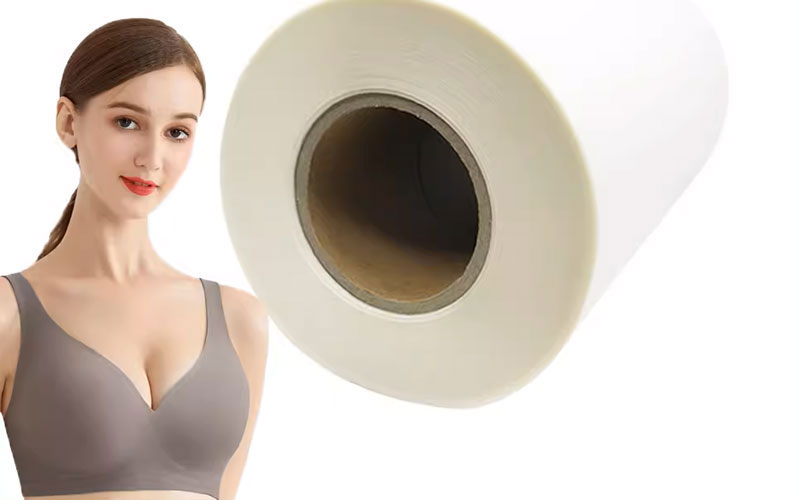
The Role of Fabric Bonding Film in Seamless Garment Manufacturing
Seamless garments require precise bonding solutions because the final products must withstand repeated stretching, washing, and daily wear. Traditional sewing methods may create pressure points, visible seams, and reduced elasticity, which can negatively influence wearer comfort. Heat-activated adhesive films provide an alternative method by creating smooth and flexible connections between fabrics.
A high-quality fabric bonding film works by melting under controlled heat and pressure during the bonding process. After cooling, it forms a strong adhesive layer that securely connects textile materials while maintaining the original properties of the fabric.
In seamless garment manufacturing, bonding films are commonly used for:
- Bonding elastic bands and fabrics
- Sealing garment edges
- Reinforcing high-stress areas
- Connecting different textile layers
- Creating seamless underwear structures
- Attaching functional components without sewing
This bonding method allows manufacturers to produce garments with cleaner appearances, better comfort, and improved durability.
Advantages of Using Fabric Bonding Film for Seamless Garments
1. Improved Garment Comfort
One of the biggest advantages of seamless clothing is enhanced comfort. Consumers expect underwear, sportswear, and activewear to feel smooth against the skin. Traditional stitches can create friction and irritation, especially during sports activities or long-term wear.
Using adhesive film technology eliminates bulky seams and reduces surface irregularities. The bonded areas remain thin and flexible, allowing garments to move naturally with the body.
For manufacturers producing premium seamless garments, this improved comfort level can become an important competitive advantage in the market.
2. Strong and Durable Bonding Performance
Seamless garments often experience repeated stretching during use. Therefore, bonding materials must provide reliable adhesion while maintaining elasticity.
A suitable fabric bonding film offers:
- High peel strength
- Excellent stretch recovery
- Resistance to repeated deformation
- Strong adhesion after washing
- Long-term stability
These characteristics make adhesive films suitable for applications where garment durability is critical.
3. Maintaining Fabric Flexibility
A common challenge in textile bonding is balancing strength and softness. Some adhesive materials may create stiff bonding areas that affect garment flexibility.
Advanced bonding films are designed with optimized formulations that create soft adhesive layers. They can maintain fabric elasticity while providing sufficient bonding strength.
This is especially important for:
- Seamless underwear
- Yoga wear
- Compression clothing
- Sports bras
- Performance apparel
These products require materials that can stretch repeatedly without cracking or losing adhesion.
4. Cleaner Appearance and Better Design Possibilities
Fashion brands increasingly focus on minimalist garment designs. Visible seams and stitching can limit design flexibility, while seamless bonding technology provides more possibilities.
With fabric bonding film, manufacturers can create:
- Invisible edges
- Smooth garment surfaces
- Lightweight structures
- Modern minimalist designs
This allows designers to develop innovative apparel products that meet consumer expectations for both appearance and functionality.
Common Types of Fabric Bonding Film for Seamless Garment Applications
Different seamless garment applications require different adhesive characteristics. Manufacturers usually select bonding films according to fabric type, production temperature, and performance requirements.
Thermoplastic Polyurethane (TPU) Bonding Film
TPU bonding film is widely used in seamless garment production because of its excellent flexibility and elasticity.
Key advantages include:
- High stretchability
- Soft hand feeling
- Good transparency
- Strong fabric compatibility
- Excellent resistance to washing
TPU films are commonly applied in sportswear, underwear, and functional textile products where flexibility is essential.
Polyamide (PA) Bonding Film
Polyamide adhesive films provide strong adhesion and good thermal stability. They are suitable for applications requiring higher bonding strength.
Typical applications include:
- Reinforcement areas
- Heavy-duty textile bonding
- Industrial clothing
- Technical fabrics
Polyester (PES) Bonding Film
Polyester-based adhesive films offer good chemical resistance and stable bonding performance. They are often selected for textile applications requiring consistent processing conditions.
The choice between TPU, PA, and PES bonding films depends on the required balance between elasticity, strength, softness, and processing temperature.
Fabric Bonding Film Application Process in Seamless Garment Production
The bonding process requires accurate temperature, pressure, and time control to achieve reliable results.
The typical production process includes the following steps:
1. Material Preparation
Before bonding, manufacturers prepare the fabric layers and adhesive film according to product requirements. The surfaces must be clean and free from dust, oil, or other contaminants.
Proper preparation ensures maximum bonding performance.
2. Film Placement
The adhesive film is positioned between the textile layers that need to be connected. Depending on the application, films can be cut into specific shapes or applied as continuous rolls.
Precision placement is important because it affects final garment appearance and bonding quality.
3. Heat Activation
During the heat pressing process, controlled temperature activates the adhesive layer. The film melts and penetrates the fabric surface, creating a strong connection.
The exact temperature and pressing time depend on:
- Film composition
- Fabric structure
- Machine specifications
- Required bonding strength
4. Cooling and Final Inspection
After pressing, the bonded area cools and solidifies. Manufacturers then inspect the garment for:
- Bonding strength
- Appearance quality
- Elasticity
- Edge smoothness
- Washing performance
Strict quality control helps ensure consistent production results.
Applications of Fabric Bonding Film in the Apparel Industry
The demand for seamless garments continues to expand across multiple market segments.
Seamless Underwear
Seamless underwear is one of the most common applications. Consumers expect underwear products to provide comfort, flexibility, and invisible wearing experiences.
Bonding films help manufacturers create smooth waistbands, leg openings, and structural connections without traditional stitching.
Sportswear and Activewear
Athletic clothing requires excellent elasticity and durability. Bonding technology allows manufacturers to create lightweight sportswear with reduced friction and improved performance.
Applications include:
- Running apparel
- Cycling clothing
- Fitness wear
- Compression garments
Medical and Functional Clothing
Medical textiles often require soft contact surfaces and reliable construction. Bonding films can be used in compression garments, support clothing, and specialized textile products.
Fashion and Lifestyle Apparel
Fashion brands are also adopting seamless technologies for innovative designs. Bonding films allow designers to create unique structures that combine comfort and visual appeal.
How to Choose the Right Fabric Bonding Film
Selecting the correct adhesive film is critical for achieving successful seamless garment production. Manufacturers should consider several factors.
Fabric Compatibility
Different fabrics have different surface structures and chemical properties. A bonding film should match the textile material to achieve strong adhesion.
Common compatible fabrics include:
- Nylon
- Polyester
- Spandex
- Cotton blends
- Elastic fabrics
Bonding Temperature Requirements
Production equipment and fabric limitations must be considered. Excessive temperature may damage sensitive textiles, while insufficient heat may result in weak bonding.
Elasticity Requirements
For stretch garments, adhesive films must maintain flexibility after bonding. A rigid adhesive layer may reduce garment performance.
Washing and Durability Performance
Garments are frequently washed during their lifetime. Therefore, bonding films should maintain adhesion after multiple washing cycles.
Manufacturers should evaluate:
- Water resistance
- Heat resistance
- Chemical resistance
- Long-term durability
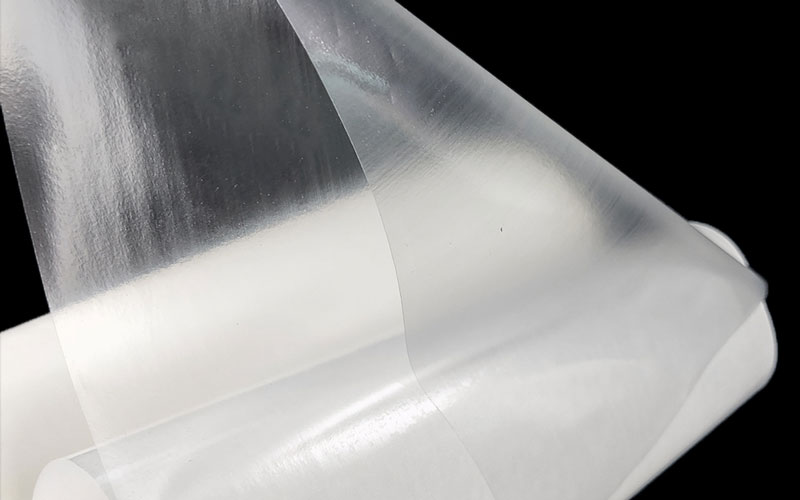
Future Trends of Bonding Technology in Seamless Garment Production
The apparel industry is moving toward smarter, more sustainable, and more efficient manufacturing methods. Adhesive bonding technology will continue to play an important role in this transformation.
Future developments are expected to focus on:
Environmentally Friendly Adhesive Materials
As sustainability becomes increasingly important, manufacturers are exploring recyclable and eco-friendly bonding solutions.
Improved Processing Efficiency
Advanced bonding films will continue improving production speed and reducing manufacturing waste.
Smart Textile Integration
With the growth of wearable technology, bonding materials may need to support integration with sensors, conductive materials, and functional textile components.
Customized Bonding Solutions
Different apparel applications require different adhesive performance. Customized film formulations will help manufacturers achieve optimized results.
Conclusion
The growth of seamless garment manufacturing has created increasing demand for advanced textile bonding solutions. Fabric bonding film provides manufacturers with an efficient method to replace traditional sewing processes while improving garment comfort, appearance, and durability.
From seamless underwear and sportswear to medical textiles and functional apparel, adhesive film technology enables the production of lightweight and flexible garments that meet modern consumer expectations. By selecting the appropriate bonding film type, optimizing processing conditions, and maintaining strict quality control, manufacturers can improve production efficiency and create higher-value textile products.
As seamless garment technology continues to evolve, fabric bonding solutions will remain an important component in the future development of the global apparel industry.