
The garment industry has continuously evolved with the development of advanced manufacturing technologies that improve comfort, appearance, durability, and production efficiency. Among these innovations, bonding technology has become an important solution for producing high-performance apparel with smooth structures and enhanced wearing experiences. A Bonding Machine for garment is specially designed to join fabric components through heat, pressure, ultrasonic energy, or adhesive bonding methods instead of traditional sewing techniques.
Unlike conventional stitching processes that create visible seams and potential discomfort, bonding technology allows manufacturers to produce garments with cleaner edges, flexible structures, and improved aesthetics. This technology is widely used in the production of seamless clothing, including seamless POLO shirts, seamless men’s underwear, and seamless women’s underwear.
With increasing consumer demand for lightweight, comfortable, and functional apparel, seamless garment manufacturing has become a growing trend in sportswear, underwear, fashion clothing, and performance textiles. Bonding machines provide garment manufacturers with the ability to create products that combine advanced design, excellent comfort, and efficient production.
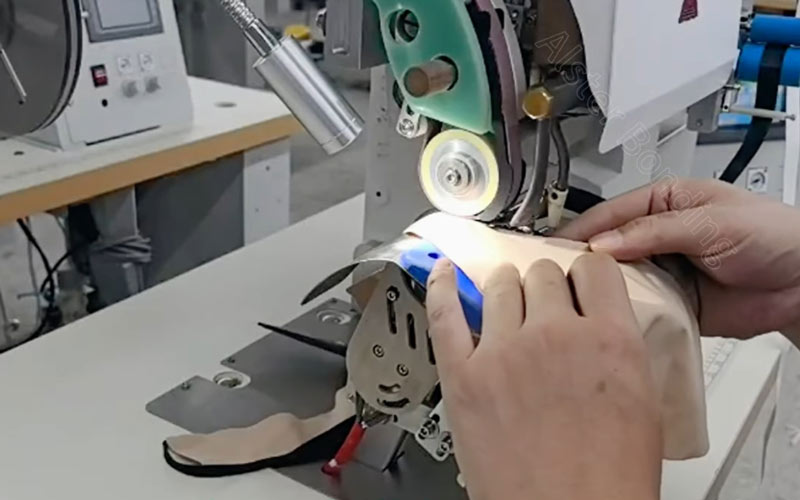
What Is a Bonding Machine for Garment?
A Bonding Machine for garment is specialized textile equipment used to connect different fabric layers or garment components without relying on traditional sewing threads. The machine applies controlled heat, pressure, ultrasonic vibration, or bonding films to create strong and flexible connections between fabrics.
Traditional sewing methods require needles and threads to stitch fabrics together. Although sewing remains widely used, stitched seams can sometimes create pressure points, bulkiness, and irritation, especially in close-fitting garments such as underwear, sportswear, and activewear.
Garment bonding technology solves these issues by creating flat and smooth connections. The bonded areas are usually thinner, softer, and more comfortable against the skin. This makes bonding machines particularly valuable for manufacturers producing high-end seamless apparel.
The main functions of garment bonding machines include:
- Fabric edge bonding
- Seamless garment assembly
- Elastic band attachment
- Decorative bonding
- Waterproof seam sealing
- Reinforcement bonding
- Functional textile processing
By replacing some traditional sewing operations, bonding machines help manufacturers achieve higher production efficiency while improving the quality and appearance of finished garments.
Introduction of Seamless Bonding Machine Technology
Seamless machines represent a significant advancement in textile manufacturing. These machines are specifically engineered to produce garments and textile products with minimal seams or completely seamless structures.
The core concept behind seamless technology is to eliminate unnecessary stitching and create a more integrated garment structure. Through advanced bonding processes, different textile components can be connected smoothly while maintaining flexibility and strength.
A seamless bonding machine combines precision temperature control, pressure management, and advanced bonding methods to ensure reliable fabric connections. This allows manufacturers to produce garments that provide better comfort and improved performance.
The advantages of seamless bonding technology include:
Improved Wearing Comfort
One of the biggest benefits of seamless garment production is enhanced comfort. Traditional stitched seams may create friction or pressure against the skin, especially during long periods of wearing or physical activities.
Bonded seams are flatter and smoother, reducing irritation and improving the overall wearing experience. This is particularly important for underwear, sportswear, and close-fitting garments.
Better Appearance
Seamless garments have a cleaner and more modern appearance because they reduce visible stitching lines. The smooth surface creates a premium look that meets the expectations of fashion brands and consumers.
Enhanced Durability
Sewn seams can become weak points due to thread breakage, stretching, or repeated washing. Bonding technology creates strong connections between materials, helping improve garment durability and lifespan.
Higher Production Efficiency
A bonding machine can reduce manual sewing processes and improve manufacturing efficiency. Automated temperature and pressure control also ensure consistent product quality during mass production.
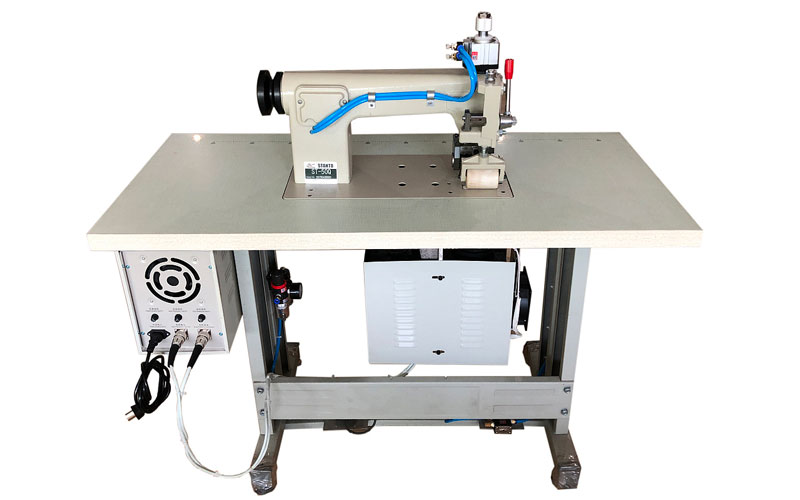
Applications of Bonding Machines by Use
Bonding machines are widely applied in different types of seamless garments. Each application requires specific bonding parameters depending on fabric type, thickness, elasticity, and product design.
Bonding Machine for Seamless POLO Shirts
Seamless POLO shirts are becoming increasingly popular in sportswear and casual fashion markets because they provide excellent comfort and a modern appearance.
Traditional POLO shirts usually involve multiple stitched panels, collars, sleeves, and side seams. These seams may affect flexibility and create pressure points during movement.
A bonding machine helps manufacturers connect different fabric sections smoothly, creating a cleaner garment structure. It can be used for:
- Collar bonding
- Sleeve attachment
- Side seam bonding
- Decorative element attachment
- Functional reinforcement
For sports and outdoor applications, bonded POLO shirts offer better freedom of movement and improved moisture management. The reduced seam structure helps create lightweight garments suitable for active lifestyles.
Bonding Machine for Seamless Men’s Underwear
Men’s underwear requires high levels of comfort, elasticity, and durability because it is worn directly against the skin for extended periods.
A Bonding Machine for garment plays an important role in manufacturing seamless men’s underwear by replacing traditional stitched seams with smooth bonded connections.
Key advantages include:
- Reduced skin irritation
- Improved elasticity
- Better body fit
- Lightweight construction
- Increased comfort during movement
Bonding technology is especially suitable for performance underwear designed for sports, fitness, and daily wear. The seamless structure allows the fabric to stretch naturally while maintaining excellent support.
Manufacturers can use bonding machines for waistband attachment, leg opening processing, panel joining, and functional reinforcement areas.
Bonding Machine for Seamless Women’s Underwear
Women’s underwear is another major application area for seamless bonding technology. Consumers increasingly prefer underwear with invisible edges, smooth surfaces, and comfortable fits.
Traditional sewing lines may create visible marks under tight clothing. Seamless bonding technology helps produce underwear with a smoother appearance and improved wearing comfort.
Applications include:
- Bonded waistbands
- Seamless side connections
- Elastic attachment
- Decorative bonding
- Fabric layer combination
The use of bonding machines enables manufacturers to produce high-quality women’s underwear that meets modern market requirements for comfort, aesthetics, and functionality.
Different Types of Seamless Bonding Machines
Different garment applications require different bonding technologies. The main types of seamless bonding machines include seamless garment machines, heat press machines, and ultrasonic machines.
Seamless Garments Machine
A seamless garments machine is designed specifically for producing clothing with minimal seams or seamless structures. It combines advanced textile processing methods to create garments with smooth and flexible construction.
These machines are commonly used for:
- Sportswear
- Underwear
- Functional clothing
- Compression garments
- Fashion apparel
The seamless garments machine integrates fabric bonding processes with precise control systems to ensure stable production quality.
Compared with traditional sewing equipment, seamless garment machines provide:
- Cleaner garment appearance
- Improved comfort
- Reduced production steps
- Better product consistency
For manufacturers focusing on premium apparel markets, seamless garment machinery provides an effective solution for upgrading production capabilities.
Heat Press Machine
A heat press machine uses controlled heat and pressure to bond materials together. It is one of the most common technologies used in garment bonding applications.
During operation, the machine applies a specific temperature and pressure level to activate bonding materials such as adhesive films or tapes. The process creates a strong connection between fabric layers.
Heat press machines are commonly used for:
- Seam sealing
- Logo bonding
- Fabric reinforcement
- Elastic attachment
- Decorative applications
The advantages of heat press technology include accurate temperature control, stable pressure distribution, and suitability for various textile materials.
For seamless garment production, heat press machines provide manufacturers with a reliable method for creating smooth and durable bonded areas.
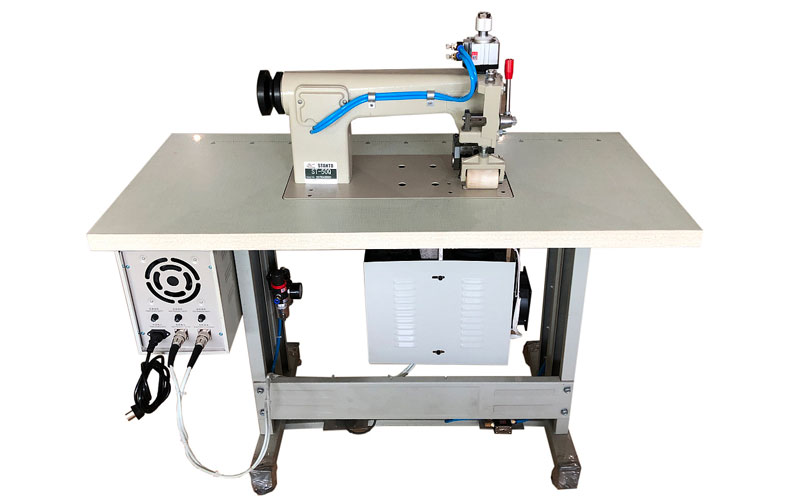
Ultrasonic Machine
An ultrasonic machine uses high-frequency sound waves to generate heat through vibration, allowing fabrics to be cut, welded, or bonded without traditional stitching.
This technology is widely used in textile manufacturing because it provides precise processing and minimizes fabric damage.
Ultrasonic machines offer several advantages:
- No need for sewing threads
- Clean cutting edges
- Fast processing speed
- Strong bonding performance
- Suitable for delicate materials
In garment manufacturing, ultrasonic technology is often used for seamless underwear, sportswear, protective clothing, and technical textiles.
Why Choose Bonding Technology for Modern Garment Manufacturing?
The global apparel market is becoming more competitive, and manufacturers need advanced technologies to improve product quality and production efficiency. Bonding technology provides several advantages compared with traditional sewing methods.
Meeting Consumer Demand for Comfort
Modern consumers expect clothing that feels softer, lighter, and more comfortable. Seamless bonding technology directly addresses these requirements by reducing uncomfortable seams.
Supporting Innovative Garment Designs
Bonding technology allows designers to create new garment structures that are difficult to achieve through traditional sewing. It provides greater flexibility for developing functional and fashionable apparel.
Improving Production Efficiency
Automated bonding equipment reduces dependence on manual sewing operations and helps manufacturers maintain consistent quality during large-scale production.
Expanding Product Applications
From underwear and sportswear to casual clothing and technical textiles, bonding machines support a wide range of garment applications.
Factors to Consider When Choosing a Garment Bonding Machine
When selecting equipment, garment manufacturers should consider several important factors:
Fabric Compatibility
Different fabrics require different bonding temperatures, pressures, and processing methods. The machine should be suitable for the materials used in production.
Production Capacity
Manufacturers should choose equipment according to production volume requirements. High-efficiency machines are ideal for large-scale garment factories.
Temperature and Pressure Control
Accurate control systems are essential for achieving stable bonding quality. Proper settings ensure strong connections without damaging fabrics.
Application Requirements
Different garments require different bonding solutions. For example, underwear production may require flexible bonding, while outerwear may require stronger seam sealing.
Conclusion
A Bonding Machine for garment is an essential piece of equipment for modern textile manufacturers looking to produce high-quality seamless apparel. By replacing traditional stitching methods with advanced bonding technologies, these machines help create garments with improved comfort, durability, appearance, and production efficiency.
From seamless POLO shirts to seamless men’s underwear and seamless women’s underwear, bonding technology provides manufacturers with flexible solutions for meeting changing market demands. Different technologies, including seamless garment machines, heat press machines, and ultrasonic machines, offer unique advantages for various textile applications.
As the garment industry moves toward smarter and more innovative production methods, seamless bonding technology will continue to play an important role in the future of apparel manufacturing. Companies specializing in advanced seamless garment solutions, such as Alster, provide professional equipment designed to support efficient and high-quality textile production.