
In the modern garment manufacturing industry, efficiency, precision, and quality are paramount. One technology that has revolutionized the way garments are produced is the use of ultrasonic cutting machines. These machines, when applied to seamless garment production, provide unparalleled benefits in speed, accuracy, and the integrity of the final product. This article explores ultrasonic cutting machines for seamless garment bonding, detailing their working principles, applications, advantages, and why they have become indispensable in the textile industry.
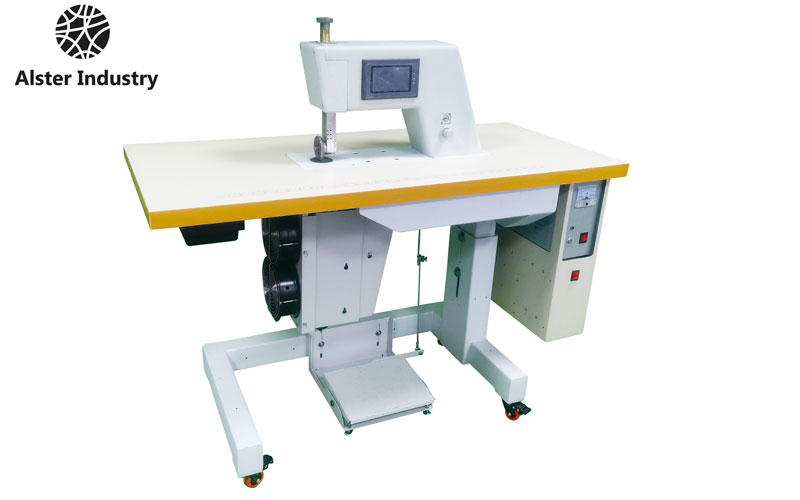
What Are Ultrasonic Cutting Machines?
Ultrasonic cutting machines are advanced devices that use high-frequency vibrations to cut, seal, and bond materials without traditional mechanical blades. Unlike conventional cutting methods, which rely on sharp edges or knives, ultrasonic cutting employs vibrations typically ranging from 20 kHz to 40 kHz. These vibrations generate localized heat due to friction, allowing the machine to cut and seal materials simultaneously.
In garment production, this technology is particularly valuable for fabrics that are difficult to handle with standard cutting tools, such as synthetic textiles, laminated materials, and stretch fabrics. By integrating ultrasonic cutting into the production process, manufacturers can achieve precise cuts, clean edges, and seamless bonds without fraying or material damage.
How Ultrasonic Cutting Machines Work
The operation of ultrasonic cutting machines relies on three main components:
- Ultrasonic Generator: This device converts electrical energy into high-frequency vibrations. The generator determines the frequency and amplitude, which are critical for cutting different types of fabrics efficiently.
- Transducer: The transducer transforms the electrical signals from the generator into mechanical vibrations. It amplifies and transmits these vibrations to the horn.
- Horn (or Sonotrode): The horn is the part that comes into contact with the fabric. It directs the ultrasonic vibrations to the material, creating heat through friction that melts or cuts the fibers precisely.
During the cutting process, the ultrasonic vibrations generate heat at the contact point, allowing synthetic fibers to melt and bond instantly. This ensures a clean edge and seamless finish, which is particularly important in high-quality garment production.
Applications of Ultrasonic Cutting Machines in Seamless Garment Production
The seamless garment industry has seen a significant transformation with the adoption of ultrasonic cutting machines. Here are some of the primary applications:
1. Cutting Synthetic Fabrics
Many modern garments use synthetic fibers such as polyester, nylon, and spandex. These materials are prone to fraying and deformation when cut with traditional blades. Ultrasonic cutting machines solve this problem by melting and sealing the edges simultaneously, providing a clean, durable finish.
2. Bonding Seams
In seamless garment manufacturing, the strength and aesthetics of seams are crucial. Ultrasonic machines allow for bonding without sewing, creating invisible seams that are smooth against the skin. This is especially beneficial in activewear, lingerie, and performance garments where comfort and flexibility are key.
3. Pattern Cutting
Ultrasonic cutting machines are also used for pattern cutting in bulk production. They can cut multiple layers of fabric at once, maintaining precision across layers without distortion. This increases efficiency and reduces material wastage.
4. Laminated and Multi-Layer Fabrics
For garments with laminated fabrics or multiple layers, ultrasonic cutting ensures that all layers are cut simultaneously and cleanly. This prevents separation or uneven edges, which can be a challenge with traditional cutting methods.
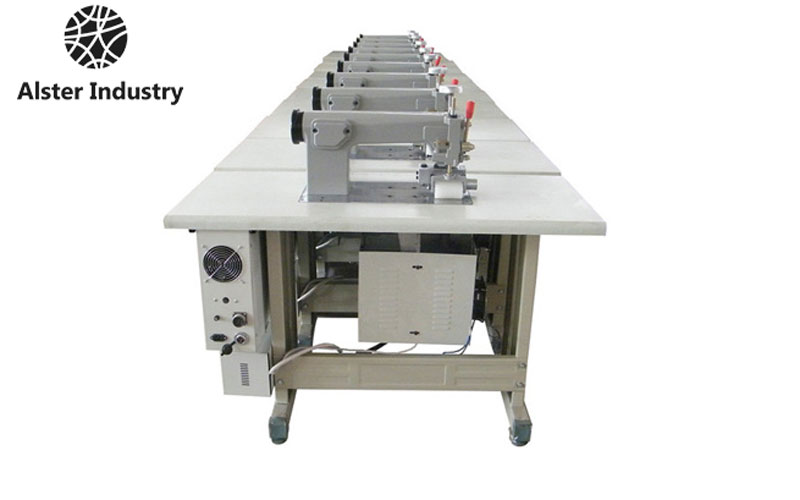
Advantages of Ultrasonic Cutting Machines for Seamless Garment Bonding
The adoption of ultrasonic cutting machines offers numerous advantages to garment manufacturers.
1. High Precision
Ultrasonic machines provide precise cuts and bonding, allowing designers to create intricate patterns and complex shapes without compromising the integrity of the fabric.
2. Enhanced Efficiency
By cutting and sealing in one step, ultrasonic machines reduce production time significantly. Manufacturers can produce garments faster while maintaining high quality.
3. Clean and Seamless Edges
Traditional cutting methods can leave frayed edges that require additional finishing. Ultrasonic cutting eliminates fraying, creating a smooth edge that enhances the garment’s appearance.
4. Material Conservation
With precise cutting and reduced waste, manufacturers can save on material costs. The ability to cut multiple layers at once also reduces fabric waste and improves overall efficiency.
5. Stronger Bonds
Ultrasonic bonding creates seams that are durable and resistant to stress. Unlike sewn seams, which can unravel, ultrasonic seams maintain their integrity over time, even with frequent stretching or washing.
6. Eco-Friendly Production
Since ultrasonic cutting does not require adhesives, threads, or chemicals, it reduces environmental impact. Manufacturers can achieve clean and durable bonds without additional materials, aligning with sustainable production practices.
Key Considerations When Choosing Ultrasonic Cutting Machines
Selecting the right ultrasonic cutting machine for seamless garment production depends on several factors:
1. Fabric Type
Different fabrics require different ultrasonic frequencies and horn designs. Machines designed for synthetic fibers may not perform optimally with natural fabrics like cotton or wool.
2. Layer Capacity
Some machines are capable of cutting multiple layers simultaneously, while others are designed for single-layer precision. The choice depends on the production volume and fabric thickness.
3. Automation and Integration
Modern ultrasonic cutting machines can be integrated into automated production lines, enhancing efficiency and reducing manual labor. Consider machines with programmable patterns and automated feeding systems for large-scale production.
4. Maintenance and Durability
Ultrasonic machines require proper maintenance to maintain performance. Choose models with durable components, easy-to-replace horns, and reliable generators to minimize downtime.
5. Safety Features
As ultrasonic machines operate at high frequencies and generate heat, safety features such as automatic shutoff, protective shields, and emergency stops are essential to protect operators.
Case Study: Ultrasonic Cutting in Activewear Production
In the activewear industry, garments must combine comfort, flexibility, and durability. Traditional sewing methods often create bulky seams that irritate the skin during exercise.
By implementing ultrasonic cutting machines, manufacturers can produce seamless leggings, sports bras, and tops with smooth edges and invisible seams. The process involves:
- Preparing synthetic fabric sheets.
- Using ultrasonic machines to cut patterns with precise dimensions.
- Bonding seams using ultrasonic vibrations, eliminating the need for stitching.
The result is garments that provide superior comfort, better stretch, and professional finish, meeting consumer expectations for high-performance activewear.
Industry Trends in Ultrasonic Cutting
The demand for seamless garments has surged in recent years, driven by trends in athleisure, lingerie, and performance wear. As a result, ultrasonic cutting technology is evolving to meet industry needs:
- Higher Frequency Machines: Newer machines operate at higher ultrasonic frequencies for finer cuts and bonding of delicate fabrics.
- Integration with CAD Systems: Advanced machines allow designers to upload digital patterns directly to the cutting machine, improving precision and reducing human error.
- Energy Efficiency: Modern ultrasonic cutting machines consume less power while maintaining performance, contributing to sustainable manufacturing.
- Multi-Function Capabilities: Some machines combine cutting, bonding, embossing, and welding functions, making them versatile tools for seamless garment production.
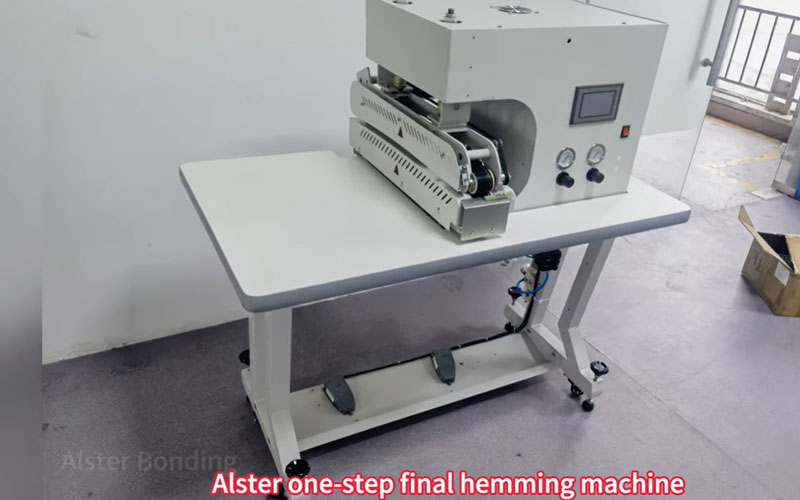
Ultrasonic Cutting vs. Traditional Sewing
Understanding the differences between ultrasonic cutting and conventional sewing highlights why manufacturers are making the switch:
| Feature | Ultrasonic Cutting | Traditional Sewing |
|---|---|---|
| Seam Type | Seamless, bonded | Stitched, visible |
| Production Speed | High | Moderate |
| Edge Finish | Smooth, fray-free | May fray, requires finishing |
| Material Waste | Low | Higher |
| Durability | Strong, resistant to stretching | Can unravel over time |
| Comfort | Smooth, ideal for activewear | Bulkier, may irritate skin |
The comparison demonstrates that ultrasonic cutting machines are particularly advantageous for garments where comfort, durability, and aesthetics are crucial.
Future of Ultrasonic Cutting in Seamless Garment Manufacturing
The future of seamless garment production is closely tied to advancements in ultrasonic technology. Some emerging developments include:
- Smart Ultrasonic Machines: Equipped with sensors and AI, these machines can adjust vibration frequency and amplitude in real-time to optimize cutting and bonding for different fabrics.
- Integration with Robotics: Fully automated production lines using robotic arms and ultrasonic cutters are increasing efficiency and reducing labor costs.
- Sustainable Manufacturing Practices: With growing consumer demand for eco-friendly products, ultrasonic cutting helps reduce waste, eliminate adhesives, and conserve energy.
- Customization and On-Demand Production: As consumer preferences shift towards personalized garments, ultrasonic machines allow for fast, precise, and scalable production.
Conclusion
Ultrasonic cutting machines have transformed seamless garment manufacturing, offering precision, efficiency, and superior product quality. By eliminating frayed edges, providing invisible seams, and allowing rapid production, these machines are indispensable for modern textile industries, particularly in activewear, lingerie, and performance clothing.
Manufacturers adopting ultrasonic technology can reduce material waste, enhance comfort, and maintain high durability, giving them a competitive edge in a fast-paced market. As the industry continues to evolve, integrating ultrasonic cutting machines into production lines will become the standard for seamless garment bonding, shaping the future of textile manufacturing.