
Introduction to TPU Hot Melt Adhesive Film
The global apparel manufacturing industry is rapidly evolving toward lightweight construction, high-performance textiles, and visually clean finishing techniques. Among the most influential innovations supporting this transformation is TPU hot melt adhesive film for seamless garment bonding.
This advanced bonding material replaces traditional stitching methods in many garment applications, enabling manufacturers to achieve smooth surfaces, enhanced elasticity, and improved durability. Unlike conventional sewing, which creates needle holes and visible seams, TPU-based bonding systems create a continuous adhesive layer that integrates fabric components at a molecular level.
The growing demand for athleisure wear, functional sportswear, and waterproof outdoor apparel has significantly increased the adoption of TPU hot melt adhesive film for seamless garment bonding across global textile supply chains.
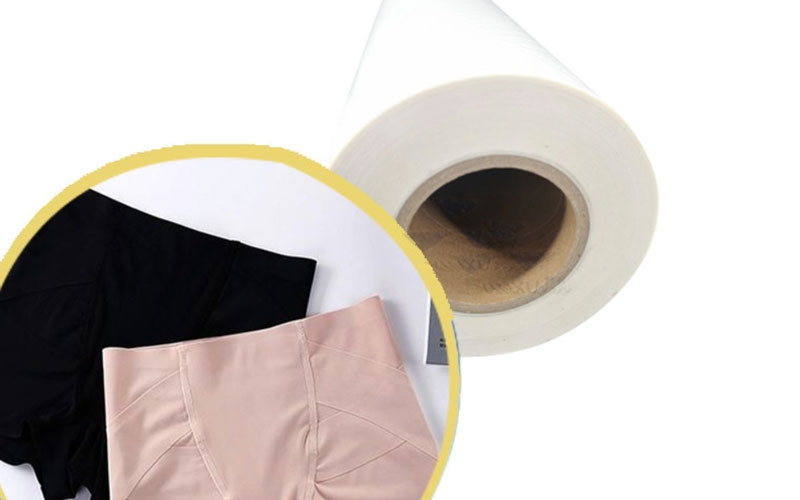
What is TPU Hot Melt Adhesive Film?
TPU (Thermoplastic Polyurethane) hot melt adhesive film is a solid-state adhesive material that becomes tacky and bondable when heated. Once cooled, it solidifies and forms a strong, flexible bond between textile layers.
Key Material Characteristics
- Thermoplastic polyurethane elastomer base
- Excellent elasticity and rebound performance
- Strong adhesion to polyester, nylon, spandex, and blended fabrics
- Soft hand feel with no rigid bonding lines
- High resistance to washing, hydrolysis, and abrasion
When used in garment production, TPU hot melt adhesive film for seamless garment bonding functions as an intermediate bonding layer placed between fabric panels. Under controlled heat and pressure, it melts and flows into the textile structure before solidifying into a durable bond.
Why Seamless Garment Bonding Matters
Seamless garment technology is no longer a niche concept; it is a mainstream manufacturing direction driven by consumer demand and performance requirements.
Benefits of Seamless Construction
- Eliminates friction points caused by stitching
- Improves comfort during physical activity
- Enhances aesthetic minimalism and modern design
- Reduces air and water leakage in performance garments
- Increases structural flexibility and stretch recovery
The adoption of TPU hot melt adhesive film for seamless garment bonding is a direct response to these industry requirements, offering a reliable alternative to stitching, overlocking, and traditional seam sealing tapes.
Working Principle of TPU Hot Melt Adhesive Film
The bonding mechanism of TPU film is based on thermoplastic phase transition.
Step-by-Step Bonding Process
- Positioning
- TPU film is placed between two fabric layers
- Alignment is adjusted for precision bonding
- Heating Stage
- Temperature typically ranges from 110°C to 160°C
- TPU film softens and transitions into a viscous adhesive state
- Pressing Stage
- Controlled pressure ensures full penetration into fiber structures
- Air gaps are eliminated for uniform bonding
- Cooling and Solidification
- Material re-solidifies upon cooling
- A permanent elastic bond is formed
This controlled process ensures that TPU hot melt adhesive film for seamless garment bonding maintains both strength and flexibility after repeated washing cycles.
Advantages of TPU Hot Melt Adhesive Film for Seamless Garments
The widespread use of TPU adhesive films is driven by their superior performance compared to traditional sewing methods.
1. High Elasticity and Stretch Compatibility
TPU film offers excellent elongation properties, making it ideal for stretch fabrics used in sportswear, yoga wear, and compression garments.
2. Strong Washing Resistance
Properly processed bonds can withstand:
- Domestic and industrial washing cycles
- High humidity conditions
- Repeated mechanical stress
3. Soft and Lightweight Finish
Unlike stitched seams, TPU bonding does not add bulk, maintaining garment comfort and lightweight structure.
4. Waterproof and Air-Tight Performance
This makes it suitable for:
- Outdoor jackets
- Rainwear
- Functional protective clothing
5. Clean Aesthetic Appearance
The absence of visible stitching lines enables modern “second-skin” garment designs widely used in fashion and athletic wear.
Main Applications in the Garment Industry
The versatility of TPU hot melt adhesive film for seamless garment bonding allows it to be used across multiple apparel categories.
Sportswear and Activewear
- Compression leggings
- Running shirts
- Yoga tops
- Fitness wear
Seamless Underwear
- Bras
- Briefs
- Shapewear
- Base layers
Outdoor Functional Apparel
- Waterproof jackets
- Ski wear
- Hiking gear
- Windproof clothing
Fashion and Luxury Apparel
- Minimalist dresses
- High-end seamless tops
- Designer bonded garments
Medical and Protective Textiles
- Compression medical garments
- Protective isolation clothing
- Orthopedic support wear
Types of TPU Hot Melt Adhesive Film
Different production requirements demand different TPU film formulations.
1. Low-Temperature TPU Film
- Suitable for heat-sensitive fabrics
- Processing temperature: 90–120°C
- Ideal for lightweight textiles
2. High-Elastic TPU Film
- Designed for extreme stretch applications
- Used in sportswear and compression garments
3. Waterproof TPU Film
- Enhanced sealing properties
- Used in outdoor and rainproof clothing
4. Transparent TPU Film
- Invisible bonding line after lamination
- Preferred in fashion garments
5. Matte or Textured TPU Film
- Improved grip and anti-slip performance
- Used in functional apparel zones
Each variant of TPU hot melt adhesive film for seamless garment bonding is engineered to meet specific performance requirements.
Technical Parameters and Performance Indicators
When selecting TPU adhesive film, manufacturers evaluate several key technical properties:
Physical Properties
- Thickness: 0.03mm – 0.2mm
- Width: customizable according to production line
- Density: stable thermoplastic structure
Thermal Properties
- Activation temperature: 90°C – 160°C
- Melting range: 80°C – 180°C depending on formulation
Mechanical Properties
- Tensile strength: high resistance to tearing
- Elongation: up to 400% in advanced formulations
- Peel strength: stable bonding under dynamic load
Chemical Resistance
- Detergent resistance
- Sweat and oil resistance
- Hydrolysis resistance in humid environments
These parameters ensure TPU hot melt adhesive film for seamless garment bonding performs reliably in industrial production environments.
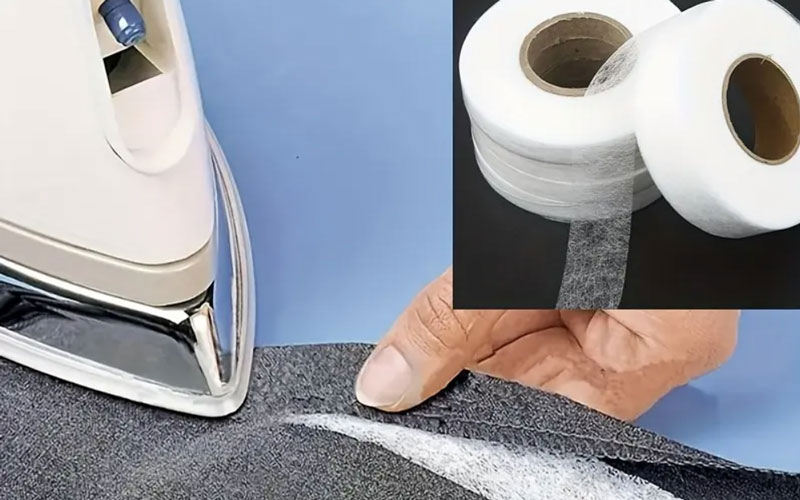
Manufacturing Process of TPU Hot Melt Adhesive Film
The production of TPU film involves precision polymer processing techniques.
Step 1: Raw Material Preparation
High-quality TPU resin pellets are selected based on desired elasticity and bonding performance.
Step 2: Extrusion Processing
The TPU is melted and extruded into thin film layers using specialized equipment.
Step 3: Cooling and Forming
The film is cooled under controlled conditions to ensure uniform thickness.
Step 4: Surface Treatment
Enhancements such as corona treatment may be applied to improve adhesion performance.
Step 5: Slitting and Packaging
The finished film is cut into rolls suitable for garment manufacturing systems.
Application Process in Garment Manufacturing
To achieve optimal bonding performance, manufacturers follow strict processing parameters.
Recommended Equipment
- Flat heat press machines
- Seam bonding machines
- Continuous lamination systems
Processing Conditions
- Temperature: 110°C – 150°C
- Pressure: medium to high
- Time: 10–30 seconds depending on fabric type
Proper optimization ensures the best performance of TPU hot melt adhesive film for seamless garment bonding in industrial production lines.
Common Issues and Troubleshooting
Even with advanced materials, processing errors may affect bonding quality.
Weak Bond Strength
Possible causes:
- Insufficient temperature
- Inadequate pressure
- Contaminated fabric surface
Overflow or Adhesive Leakage
- Excessive temperature
- Over-pressurization
Fabric Deformation
- Incompatible heat settings
- Excess dwell time
Solutions
- Adjust temperature-pressure balance
- Pre-test fabric compatibility
- Ensure clean production environment
Market Trends and Industry Development
The demand for TPU hot melt adhesive film for seamless garment bonding continues to expand due to several macro trends:
1. Growth of Athleisure Market
Consumers prefer comfortable and flexible clothing for daily wear.
2. Sustainability Requirements
TPU bonding reduces sewing waste and improves material efficiency.
3. Automation in Apparel Manufacturing
Seamless bonding is compatible with automated production systems.
4. High-Performance Textile Innovation
Brands are investing in waterproof, breathable, and stretchable garments.
5. Fashion Minimalism Trend
Seamless aesthetics align with modern design preferences.
These trends collectively position TPU adhesive film as a critical material in next-generation textile engineering.
Future Outlook of TPU Hot Melt Adhesive Film
The future of garment bonding technology will focus on:
- Lower processing temperatures
- Higher elasticity and recovery performance
- Eco-friendly TPU formulations
- Smart textiles integration
- Enhanced durability under extreme conditions
As innovation continues, TPU hot melt adhesive film for seamless garment bonding will play an increasingly central role in reshaping garment manufacturing standards worldwide.
Conclusion
TPU-based bonding materials have transformed how garments are designed and produced. With superior elasticity, strong adhesion, and seamless finishing capabilities, TPU hot melt adhesive film for seamless garment bonding has become a foundational technology in modern apparel manufacturing.
From sportswear to medical textiles, its applications continue to expand as brands pursue higher performance, better comfort, and more efficient production systems. As the industry moves toward automation and sustainability, TPU adhesive film is expected to remain a key enabling material in next-generation garment engineering.