
The apparel industry has been continuously evolving with the increasing demand for lightweight, comfortable, functional, and visually appealing clothing. Traditional sewing methods have been used for centuries, but modern consumers and garment manufacturers are now looking for advanced bonding technologies that can improve product performance while creating cleaner and more flexible designs. This demand has accelerated the development of innovative materials that support seamless garment production.
Among these advanced materials, seamless garment TPU film has become an important solution for manufacturers who want to replace traditional stitching methods with efficient bonding techniques. This thermoplastic polyurethane-based material provides strong adhesion, excellent elasticity, and outstanding durability, making it suitable for sportswear, activewear, underwear, medical garments, outdoor clothing, and many other high-performance apparel applications.
As fashion trends move toward seamless construction and functional designs, TPU films offer garment producers a reliable way to achieve smooth surfaces, improved comfort, and enhanced product quality. They allow different fabrics to be bonded together without visible seams, reducing irritation and improving the overall wearing experience.
This article will explore what TPU film is, how it works in seamless garment manufacturing, its major advantages, application areas, production considerations, and future development trends.
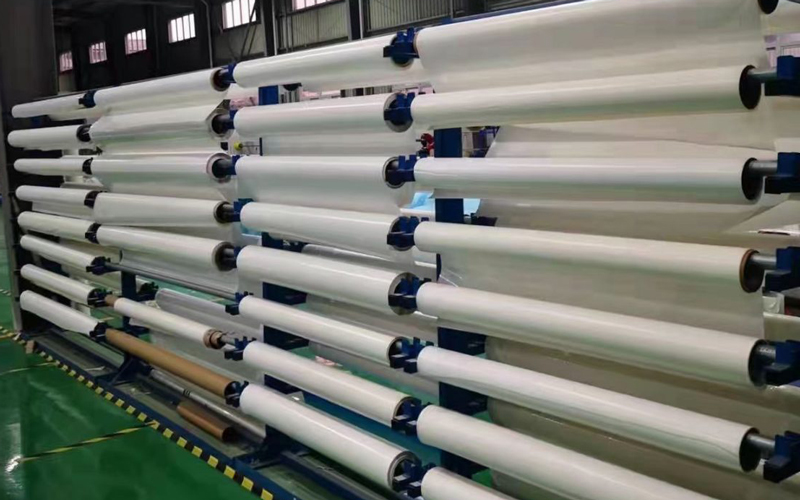
The Role of TPU Film in Seamless Garment Production
Traditional garment manufacturing relies heavily on stitching, which requires needles, threads, and multiple production steps. Although sewing remains widely used, it creates several limitations. Stitch lines can affect appearance, reduce elasticity, and sometimes cause discomfort when worn directly against the skin.
Seamless garment technology aims to solve these problems by joining fabrics through bonding methods instead of conventional stitching. This creates smoother designs with fewer visible seams and improved comfort.
During seamless garment production, TPU film is placed between two fabric layers or between fabric and functional components. Heat and pressure are then applied through specialized equipment. The TPU layer melts and penetrates the surface structure of the materials, creating a strong and flexible connection.
The use of seamless garment TPU film enables manufacturers to produce garments with clean edges, better stretch recovery, and enhanced waterproof or wind-resistant properties. This makes it particularly suitable for performance clothing where comfort and functionality are critical.
Key Characteristics of TPU Film for Seamless Garments
1. Excellent Elasticity
One of the most important requirements for modern apparel is flexibility. Sportswear, compression garments, and active clothing must move naturally with the human body. Rigid bonding materials can restrict movement and reduce wearing comfort.
TPU film offers excellent elasticity and can stretch together with fabrics. Even after repeated deformation, it can maintain its bonding performance and appearance. This characteristic makes it ideal for garments designed for physical activities.
2. Strong Adhesion Performance
A reliable bonding material must provide long-lasting adhesion between different textile layers. TPU film can bond with various synthetic fabrics, coated textiles, elastic materials, and functional fabrics when appropriate processing conditions are applied.
The strong adhesive performance reduces the risk of separation during washing, stretching, or everyday use. This helps manufacturers improve product reliability and reduce quality issues.
3. Soft and Comfortable Touch
Comfort is a major factor influencing consumer purchasing decisions. Traditional seams may create pressure points or friction against the skin, especially in tight-fitting garments.
Because TPU film creates thin and smooth bonded areas, garments can achieve a more comfortable feel. The reduced thickness and smooth finishing are especially beneficial for underwear, yoga clothing, cycling apparel, and other close-fitting products.
4. Lightweight Structure
Modern consumers prefer clothing that provides performance without unnecessary weight. TPU film is extremely thin compared with many traditional bonding solutions, helping manufacturers maintain lightweight garment structures.
The lightweight nature also supports flexible design possibilities because it does not significantly increase the thickness of the finished product.
5. Good Resistance to Environmental Factors
Garments are often exposed to sweat, moisture, detergents, and temperature changes. TPU film provides good resistance against many environmental influences, helping maintain bonding stability throughout the product lifecycle.
Depending on the TPU formulation, different levels of resistance to hydrolysis, UV exposure, chemicals, and abrasion can be achieved.
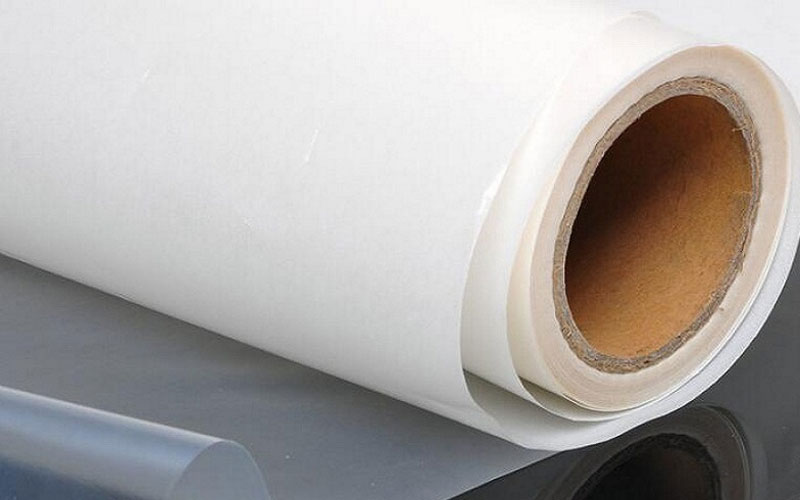
Advantages of Using TPU Film Instead of Traditional Sewing
The transition from sewing to bonding technology offers multiple benefits for garment manufacturers.
Improved Appearance
One of the most noticeable advantages is the cleaner appearance of finished garments. Seamless designs create smooth surfaces without bulky stitching lines, improving the visual quality of apparel products.
This is particularly important for premium sportswear, fashion garments, and functional clothing where design details influence consumer perception.
Enhanced Wearing Comfort
Comfort is one of the main reasons seamless clothing has gained popularity. Without traditional stitches, garments can reduce friction and pressure against the body.
The flexible bonding structure allows clothing to move naturally, providing a better experience during exercise or daily activities.
Better Design Flexibility
TPU film allows designers to explore new garment structures that may be difficult to achieve through conventional sewing. Decorative elements, reinforcement areas, waterproof sections, and functional components can be integrated more easily.
Manufacturers can create innovative clothing designs while maintaining lightweight and flexible characteristics.
Higher Production Efficiency
Traditional sewing processes require skilled workers and multiple production stages. Bonding technology can simplify manufacturing procedures by reducing stitching operations.
Automated heat bonding equipment can improve production speed, consistency, and overall efficiency. This is especially valuable for large-scale apparel production.
Reduced Fabric Damage
Needle stitching creates small holes in fabrics, which may affect waterproof performance or weaken certain materials. Bonding with TPU film avoids needle penetration, helping maintain the original structure of fabrics.
This advantage is important for technical textiles and outdoor garments that require protection against moisture and wind.
Main Applications of TPU Film in Apparel Manufacturing
The versatility of TPU film allows it to be used across many garment categories.
Sportswear and Activewear
Sportswear is one of the largest application areas for seamless bonding technology. Athletes and fitness enthusiasts require clothing that offers flexibility, breathability, and comfort.
TPU film helps create lightweight sports garments with smooth surfaces and excellent stretch performance. It is commonly used for bonding panels, reinforcement areas, logos, and functional components.
Outdoor Clothing
Outdoor garments often require additional protection against rain, wind, and harsh environmental conditions. Bonding technology helps improve garment sealing performance by reducing openings caused by stitching.
Jackets, hiking apparel, and protective clothing can benefit from TPU-based bonding solutions.
Compression Garments
Compression clothing requires precise elasticity and close contact with the body. Any uncomfortable seams can affect performance and user experience.
TPU film supports smooth construction and flexible bonding, making it suitable for compression shirts, leggings, and recovery garments.
Applications of TPU Film in Apparel Manufacturing
Underwear and Intimate Apparel
Underwear products require exceptional softness, flexibility, and comfort because they are worn directly against the skin for extended periods. Traditional stitching may create raised areas that cause irritation or discomfort.
Using TPU-based bonding technology allows manufacturers to produce underwear with flatter structures and smoother edges. This improves comfort while maintaining the necessary elasticity and durability required for daily use.
Seamless construction is particularly valuable in products such as bras, underwear, shapewear, and functional base layers. The reduced seam structure provides a more natural fit and helps create lightweight designs that adapt better to body movement.
Medical and Functional Garments
Medical garments often have strict requirements regarding comfort, durability, and hygiene. Products such as compression sleeves, support garments, rehabilitation clothing, and protective textile products require reliable bonding methods.
TPU film provides a clean bonding solution that can support functional textile designs while maintaining flexibility. Its ability to create smooth surfaces is beneficial for applications where skin contact and long-term wearing comfort are important.
Footwear-Related Textile Components
Although TPU film is mainly associated with garment production, it is also used in textile-based footwear components. Modern footwear designs increasingly combine knitted fabrics, synthetic materials, and flexible structures.
TPU bonding technology helps connect different layers while maintaining lightweight construction. This supports the development of comfortable shoes with improved durability and modern appearance.
How TPU Film Works in Seamless Garment Manufacturing
Understanding the bonding process is important for achieving stable production results. The performance of the final garment depends not only on the quality of the TPU material but also on processing conditions and fabric compatibility.
Material Preparation
Before bonding, manufacturers need to select suitable fabrics and TPU film specifications according to the final application requirements. Different fabrics have different surface structures, coatings, and elasticity levels.
Factors such as fabric composition, thickness, surface treatment, and required stretch performance should be considered during material selection.
Heat Activation Process
During production, TPU film is placed between two materials that need to be bonded. Heat is applied using specialized pressing or laminating equipment.
When the temperature reaches the melting point of the TPU material, the film becomes soft and flows into the fabric surface. Pressure helps improve contact between the materials, allowing the adhesive layer to form a strong connection.
Cooling and Bond Formation
After heating, the bonded materials are cooled. During this stage, the TPU returns to a solid state while maintaining the connection between the textile layers.
Proper cooling conditions help ensure dimensional stability and prevent problems such as edge lifting or reduced adhesion strength.
Quality Inspection
After bonding, manufacturers usually perform quality checks to evaluate adhesion strength, flexibility, washing resistance, and appearance.
Testing helps ensure that the finished garments can withstand real-world conditions, including repeated stretching, laundering, and long-term use.
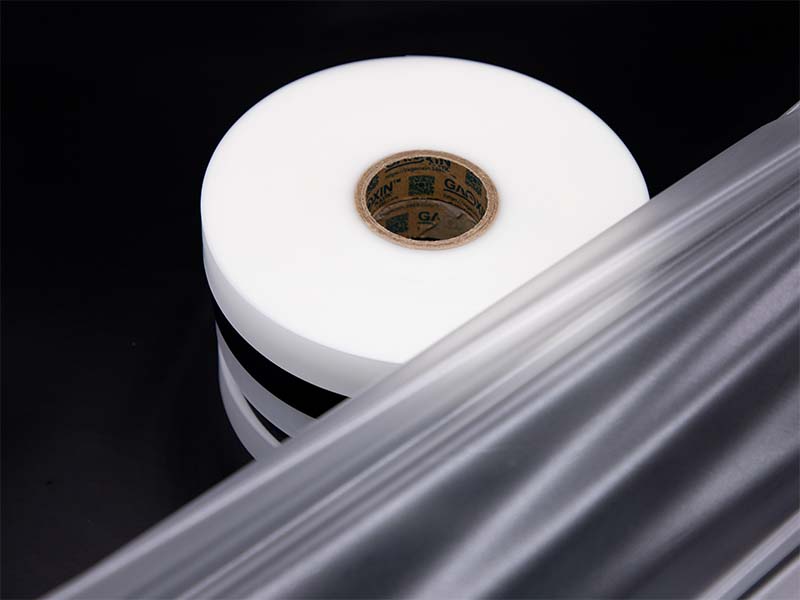
Factors to Consider When Selecting TPU Film for Garments
Choosing the correct TPU film is essential for achieving the desired garment performance. Different applications may require different material characteristics.
Fabric Compatibility
Not all TPU films perform equally with every type of textile. Synthetic fibers, elastic fabrics, coated materials, and blended textiles may require different TPU formulations.
Manufacturers should evaluate compatibility before mass production to ensure reliable bonding performance.
Thickness Selection
TPU films are available in various thicknesses. Thinner films are often preferred for lightweight clothing because they maintain softness and flexibility.
However, thicker films may provide stronger reinforcement or improved sealing performance for demanding applications. The appropriate thickness depends on the garment structure and functional requirements.
Elastic Recovery
For sportswear and stretch garments, elastic recovery is an important consideration. The TPU film should maintain flexibility after repeated stretching to avoid cracking or separation.
High-quality TPU materials can support repeated movement while preserving garment appearance and performance.
Washing Durability
Garments must maintain their quality after washing. A suitable TPU film should provide stable adhesion after multiple washing cycles.
Manufacturers should conduct washing tests under expected conditions to confirm long-term reliability.
Processing Temperature
Different TPU films have different activation temperatures. The selected material should match the production equipment and fabric limitations.
Excessive heat may damage sensitive textiles, while insufficient heat may result in weak bonding. Proper process control is therefore essential.
Conclusion
The development of advanced textile technologies has transformed the way modern garments are designed and manufactured. Seamless construction is becoming increasingly important as consumers demand clothing with better comfort, performance, and appearance.
Seamless garment TPU film provides an effective solution for replacing traditional stitching methods in many apparel applications. With excellent elasticity, strong adhesion, lightweight structure, and smooth finishing, it helps manufacturers create innovative garments that meet modern market expectations.
From sportswear and outdoor clothing to underwear and medical textiles, TPU film supports the production of high-quality garments with improved functionality and user experience. As manufacturing technology continues to advance, the role of flexible bonding materials will become even more significant in the future apparel industry.
For companies seeking professional solutions in seamless garment bonding technology and advanced textile processing, Alster provides related expertise and equipment solutions to support efficient garment manufacturing development.