
In today’s apparel industry, comfort, performance, and aesthetics are driving major innovations in garment construction. One of the most important yet often overlooked materials enabling this evolution is adhesive tape for seamless garment manufacturing. This specialized bonding material has transformed how clothing is assembled, allowing manufacturers to reduce stitching, eliminate bulky seams, and improve both functionality and appearance.
This article explores everything you need to know about adhesive tape for seamless garments, including its structure, types, applications, benefits, production process, and how to choose the right one for different clothing categories.
What Is Adhesive Tape for Seamless Garment?
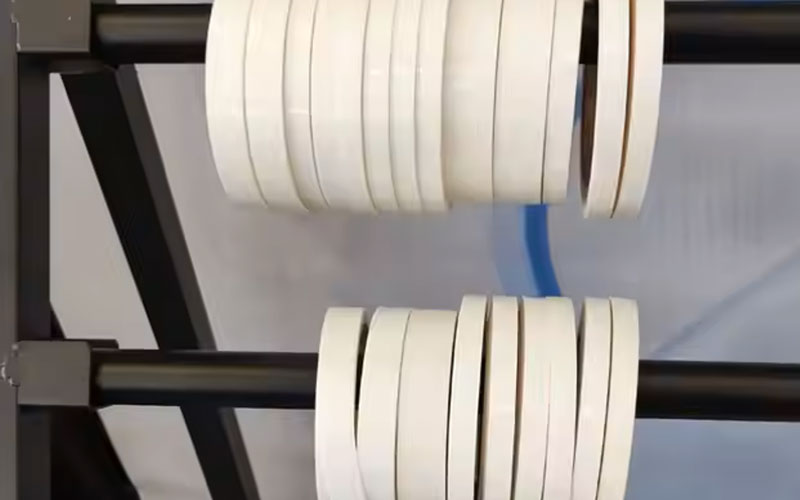
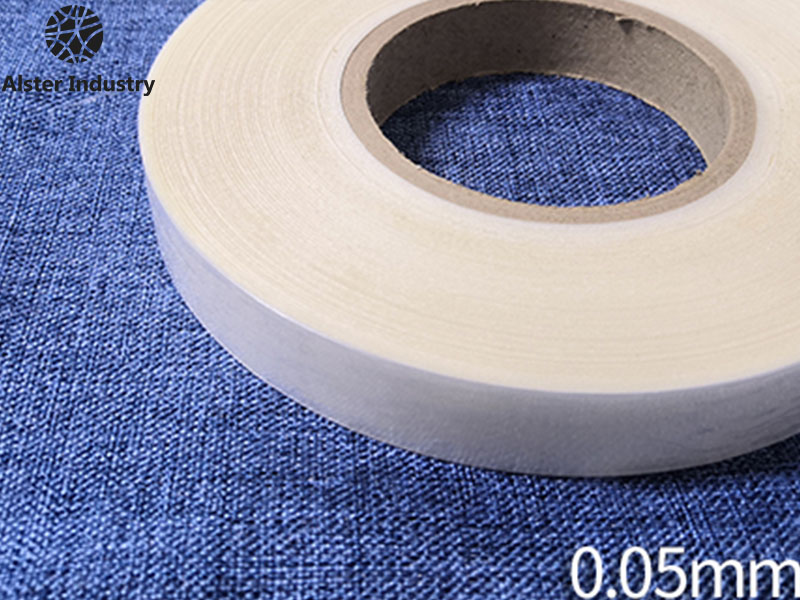
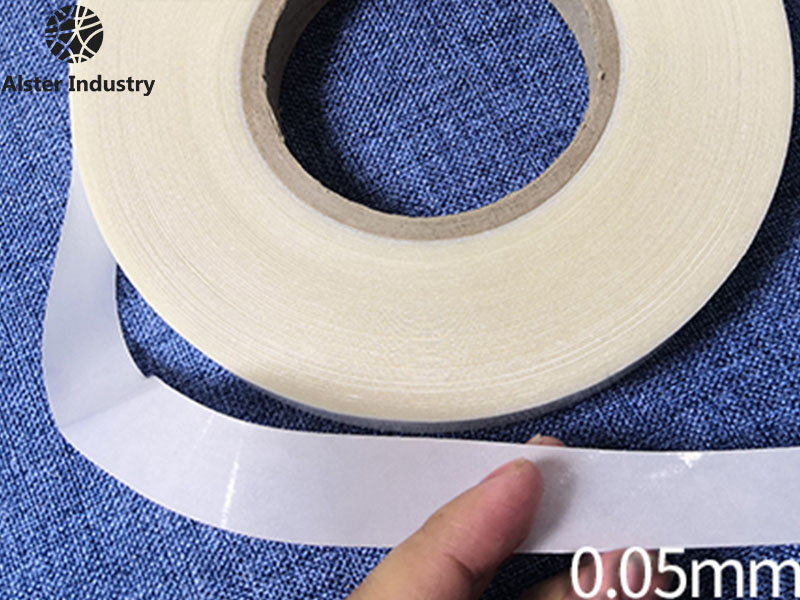
Adhesive tape for seamless garment refers to a high-performance bonding material used to join fabric pieces without traditional sewing. Instead of stitches, heat-activated or pressure-sensitive adhesive layers bond fabrics together, creating smooth, flat, and durable seams.
These tapes are commonly made from materials such as:
- Thermoplastic polyurethane (TPU)
- Polyamide (PA)
- Polyester (PET)
- Specialized hot-melt adhesives
When activated by heat or pressure, the adhesive layer melts and fuses fabric layers together, creating a clean and flexible bond.
Unlike traditional sewing, this method eliminates needle holes, reduces bulk, and improves water resistance and elasticity.
Why Seamless Technology Matters in Modern Garments
The demand for seamless garments is growing rapidly in sportswear, underwear, medical textiles, and outdoor clothing. Consumers expect clothing that is:
- More comfortable against the skin
- Lightweight and flexible
- Free from irritation caused by seams
- Stylish with a smooth finish
Adhesive bonding technology plays a key role in achieving these goals. By replacing stitches with bonding tape, manufacturers can produce garments that feel like a second skin while maintaining durability and strength.
Types of Adhesive Tape for Seamless Garment
Different applications require different adhesive tape structures. Below are the most common types used in the apparel industry.
1. TPU Adhesive Tape
TPU-based adhesive tape is one of the most widely used options in seamless garment production.
Key features:
- High elasticity and stretch recovery
- Soft touch and skin-friendly
- Excellent durability after washing
- Strong bonding with synthetic fabrics
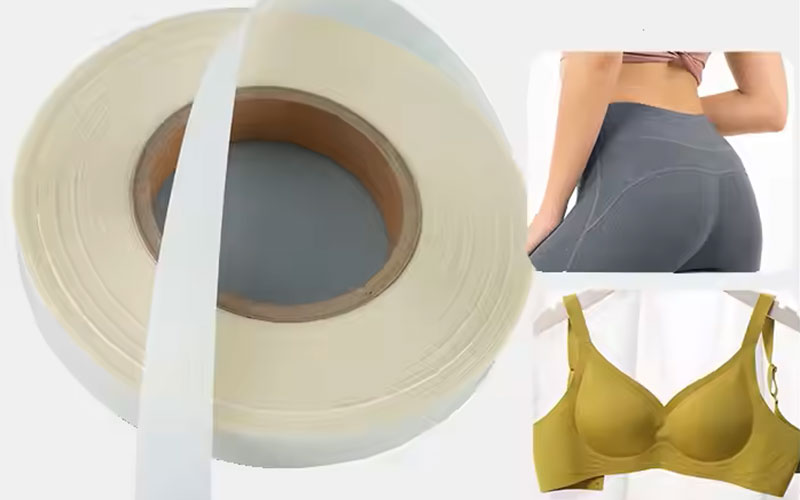
It is commonly used in sportswear, leggings, and performance tops.
2. Hot Melt Adhesive Tape
Hot melt tapes are activated through heat pressing, allowing strong bonding between fabric layers.
Advantages include:
- Fast processing speed
- Strong and durable adhesion
- Suitable for mass production
- Works well with multiple fabric types
These tapes are widely used in industrial garment manufacturing.
3. Double-Sided Adhesive Tape
This type of tape has adhesive on both sides, making it ideal for fabric-to-fabric bonding.
Characteristics:
- Clean and invisible seams
- High bonding strength
- Flexible application in design structures
It is commonly used in lingerie and lightweight garments.
4. Waterproof Seam Sealing Tape
Designed for outdoor and technical apparel, this tape provides both bonding and sealing functions.
Benefits:
- Waterproof protection
- Wind resistance
- Enhanced durability in extreme conditions
It is often used in rain jackets, hiking gear, and ski wear.
5. Elastic Seam Bonding Tape
This tape is designed for high-stretch garments that require flexibility.
Features:
- Excellent elasticity
- Maintains shape after stretching
- Prevents seam cracking
It is ideal for yoga wear, swimwear, and compression garments.
Manufacturing Process of Adhesive Tape for Seamless Garment
The production of adhesive tape involves several precise steps to ensure performance and consistency.
1. Base Film Preparation
A thin film such as TPU or polyester is produced and prepared as the base layer.
2. Adhesive Coating
A thermoplastic adhesive layer is coated onto the base film using controlled machinery.
3. Drying and Curing
The coated material is dried under controlled temperature conditions to stabilize adhesive properties.
4. Cutting and Slitting
The large rolls are cut into narrow widths depending on garment application needs.
5. Quality Testing
Each batch is tested for:
- Bond strength
- Elasticity
- Wash resistance
- Heat activation performance
Only qualified products proceed to packaging and distribution.
Applications of Adhesive Tape for Seamless Garment
Key Benefits of Adhesive Tape for Seamless Garment
The advantages of using adhesive bonding technology go beyond aesthetics.
1. Enhanced Comfort
Without bulky stitches, garments feel smoother and reduce skin irritation.
2. Improved Flexibility
Bonded seams stretch naturally with fabric movement.
3. Lightweight Construction
Removing stitches reduces overall garment weight.
4. Better Appearance
Seamless bonding creates a clean and modern look.
5. Water and Air Resistance
Bonded seams prevent leakage of air and water in technical garments.
6. Increased Production Efficiency
Faster assembly compared to traditional sewing methods.
How to Choose the Right Adhesive Tape for Seamless Garment
Selecting the correct adhesive tape depends on several factors.
1. Fabric Type
Different fabrics require different adhesive strengths:
- Nylon and polyester: TPU tapes work best
- Cotton blends: Hot melt adhesives are preferred
2. Stretch Requirements
High-stretch garments need elastic adhesive solutions.
3. Washing Conditions
Frequent washing requires high-durability adhesive tapes.
4. End Use of Garment
- Sportswear: Elastic TPU tape
- Outdoor wear: Waterproof sealing tape
- Fashion wear: Thin double-sided tape
5. Production Equipment
Some adhesive tapes require specific heat-press or bonding machines.
Common Problems and Solutions
Even though adhesive tape technology is advanced, certain issues may occur during production.
1. Weak Bonding
Cause: Incorrect temperature or pressure
Solution: Adjust heat press settings
2. Fabric Wrinkling
Cause: Uneven application
Solution: Ensure smooth alignment before bonding
3. Adhesive Overflow
Cause: Excess heat or pressure
Solution: Reduce bonding temperature slightly
4. Durability Issues After Washing
Cause: Low-quality adhesive material
Solution: Use high-performance TPU-based tape
Future Trends in Seamless Garment Adhesive Technology
The demand for seamless garments continues to grow, and adhesive tape technology is evolving rapidly.
1. Eco-Friendly Adhesives
More manufacturers are developing recyclable and non-toxic adhesive materials.
2. Ultra-Thin Bonding Solutions
Future tapes will become thinner while maintaining strength.
3. Smart Textile Integration
Adhesive layers may support wearable sensors and electronic fabrics.
4. Higher Elastic Recovery
Improved formulas will allow better stretch performance for athletic wear.
5. Automation in Bonding Processes
Advanced machines will further increase production efficiency and precision.
Conclusion
Adhesive tape for seamless garment has become an essential material in modern textile manufacturing. It enables brands to create clothing that is more comfortable, functional, and visually appealing. From sportswear to medical garments, its applications continue to expand as technology improves.
By replacing traditional stitching with advanced bonding methods, manufacturers can achieve higher efficiency, better performance, and enhanced product quality. As the industry moves toward more sustainable and high-performance apparel, adhesive tape technology will remain at the center of innovation.
For manufacturers seeking reliable bonding solutions, continuous improvement in adhesive materials and application techniques will be key to staying competitive in the global textile market.