
The global apparel industry is undergoing a major transformation driven by consumer demand for comfort, aesthetics, and performance. One of the most significant innovations supporting this shift is seamless bonding technology. At the center of this development is the seamless bonding machine manufacturer, providing advanced equipment that enables garment producers to create smooth, stitch-free, and highly functional clothing.
Seamless bonding machines are widely used in the production of seamless underwear and polo shirts, two categories that benefit greatly from reduced stitching, improved elasticity, and enhanced comfort. These machines are redefining modern garment construction by replacing traditional sewing methods with high-precision thermal or ultrasonic bonding techniques.
This article explores how seamless bonding machine manufacturers contribute to apparel innovation, the working principles behind the technology, and its applications in underwear and polo shirt production.
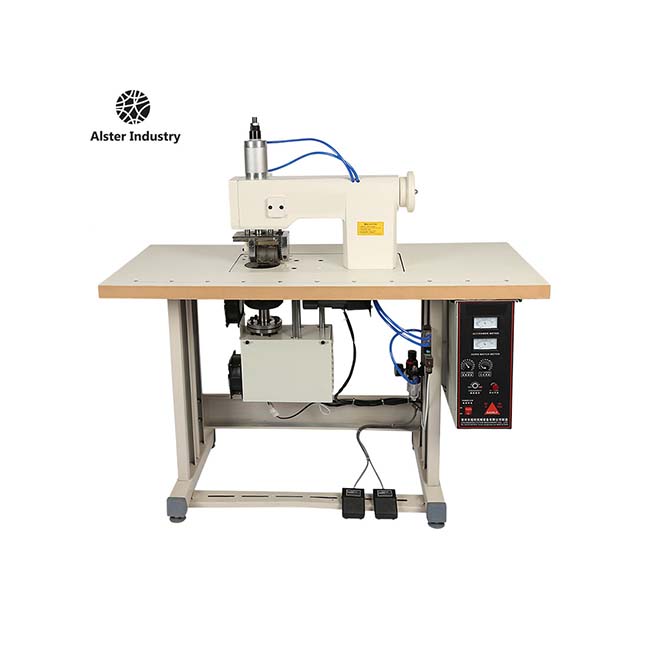
What Is a Seamless Bonding Machine?
A seamless bonding machine is a specialized piece of textile equipment designed to join fabric panels without traditional stitching. Instead of thread-based seams, it uses:
- Heat bonding (thermoplastic adhesive films)
- Ultrasonic welding
- High-frequency pressing systems
These technologies fuse fabric layers together at a molecular or structural level, producing flat, smooth, and durable joints.
A professional seamless bonding machine manufacturer focuses on designing machines that ensure:
- Precise temperature control
- Even pressure distribution
- Stable bonding performance
- Compatibility with different fabrics (nylon, polyester, spandex blends, etc.)
The result is garments that feel softer, stretch better, and eliminate friction points.
Why Seamless Technology Matters in Modern Apparel
Consumers today prioritize comfort and aesthetics more than ever. Traditional stitching methods often create:
- Bulky seams
- Skin irritation
- Reduced elasticity
- Visible stitching lines under tight clothing
Seamless bonding technology solves these problems by offering:
- Flat and smooth surface finish
- Invisible joints
- Enhanced stretchability
- Lightweight structure
This makes it particularly valuable for close-fitting garments like underwear and polo shirts, where comfort and appearance are critical.
Seamless Bonding in Underwear Production
1. Enhanced Comfort and Skin-Friendliness
Seamless underwear is one of the fastest-growing segments in the intimate apparel market. The use of bonding machines allows manufacturers to eliminate thick seams that often cause discomfort.
Key benefits include:
- No friction against the skin
- Reduced pressure marks
- Soft and breathable construction
This is especially important for everyday wear and sports underwear.
2. Improved Fit and Body Contouring
Seamless bonding machines enable precise shaping of underwear garments. Without rigid stitching lines, the fabric can:
- Stretch uniformly
- Adapt to body curves
- Provide better support without compression
This results in a second-skin feel, which is highly desirable in modern lingerie and performance underwear.
3. Aesthetic Advantages
Seamless underwear offers a clean, minimalist appearance. This is achieved through:
- Invisible bonding lines
- Smooth edges
- No visible thread patterns
For fashion brands, this allows for premium product positioning and higher retail value.
4. Applications in Different Types of Underwear
Seamless bonding technology is widely used in:
- Women’s briefs and bras
- Men’s boxer briefs
- Sports underwear
- Shaping and slimming garments
Each category benefits from improved comfort and durability.
Seamless Bonding in Polo Shirt Manufacturing
While seamless technology is commonly associated with underwear, it is also increasingly used in polo shirt production.
1. Modern Athletic Polo Shirts
Polo shirts designed for sports and activewear benefit significantly from bonding technology. A seamless bonding machine manufacturer enables production of shirts with:
- Reduced shoulder and side seams
- Improved flexibility during movement
- Lightweight structure
This is ideal for golf, tennis, and casual sportswear.
2. Enhanced Breathability and Comfort
Traditional stitched polo shirts can create thick seam layers that trap heat. Seamless bonding helps:
- Improve airflow
- Reduce heat buildup
- Maintain comfort during long wear
This is especially useful for warm climates and outdoor activities.
3. Better Fit and Shape Retention
Bonded seams are less rigid than stitched seams, allowing polo shirts to:
- Maintain shape after repeated washing
- Resist deformation
- Fit more naturally on different body types
This enhances long-term product value.
4. Premium Fashion Appeal
Seamless or partially seamless polo shirts are often positioned in the premium segment due to:
- Clean construction lines
- Modern minimalistic design
- High-performance fabric integration
Brands use this technology to differentiate themselves in competitive apparel markets.
How Seamless Bonding Machines Work
A seamless bonding machine manufacturer typically integrates multiple technologies depending on garment requirements.
1. Heat Activation Bonding
This method uses thermoplastic adhesive films placed between fabric layers. The machine applies:
- Controlled heat
- Pressure
- Time cycles
The adhesive melts and bonds fabrics together as it cools.
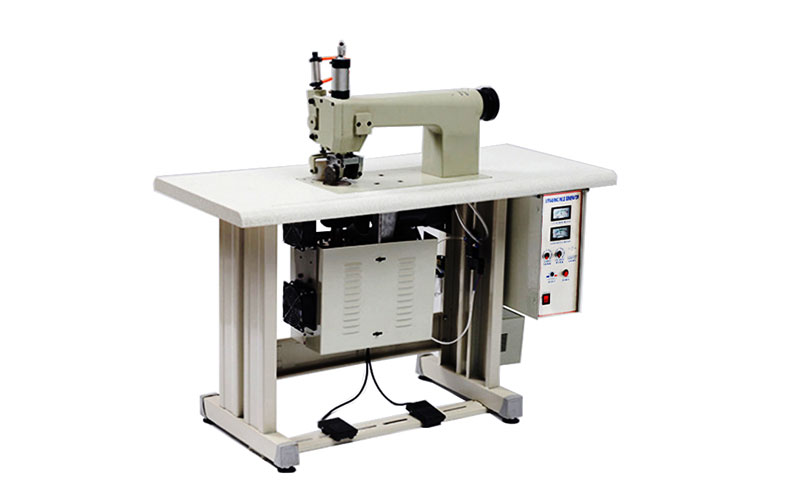
2. Ultrasonic Welding
Ultrasonic systems use high-frequency vibration to generate heat at the fabric interface. This method is ideal for:
- Synthetic fabrics
- High-precision seams
- Lightweight garments
It produces strong and clean bonding lines.
3. High-Frequency Bonding
High-frequency energy is used to excite molecular structures in synthetic fibers, creating a strong fusion without additional adhesives.
Key Features of a High-Quality Seamless Bonding Machine Manufacturer
When selecting a manufacturer, garment producers typically look for several critical capabilities:
1. Precision Engineering
High-quality machines must ensure:
- Accurate temperature control
- Stable pressure systems
- Uniform bonding strength
Even minor deviations can affect garment quality.
2. Material Compatibility
Modern apparel uses a wide range of fabrics, including:
- Nylon
- Polyester
- Spandex blends
- Microfiber textiles
A reliable manufacturer ensures machines can adapt to all these materials.
3. Automation and Efficiency
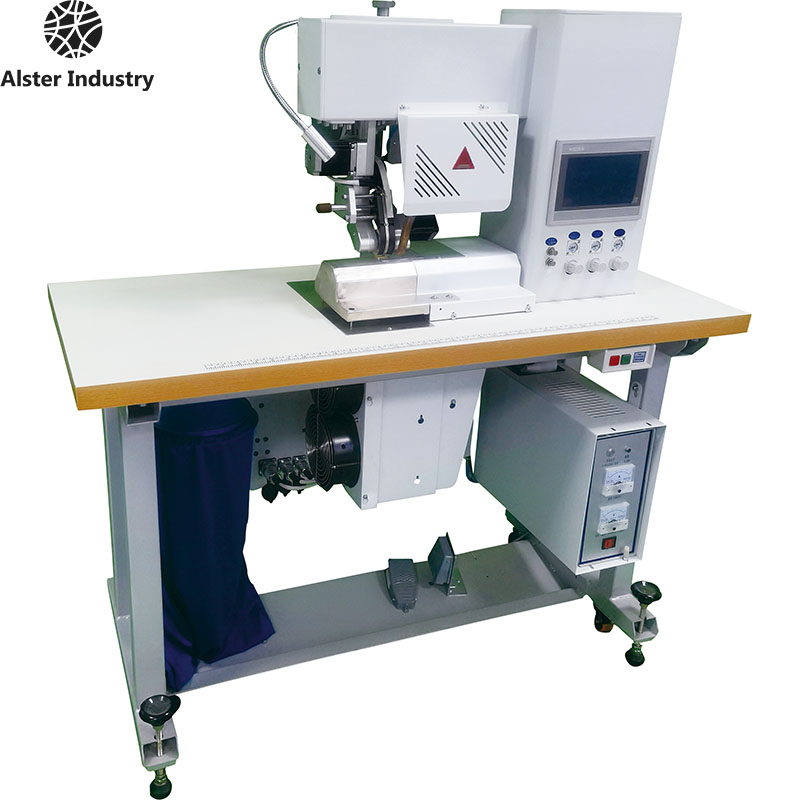
Advanced machines include:
- Automated feeding systems
- Digital control panels
- Programmable settings for different garment types
This improves production speed and reduces labor costs.
4. Durability and Stability
Industrial garment production requires machines that can operate continuously. A strong manufacturer ensures:
- Long service life
- Low maintenance requirements
- Stable output over long production cycles
5. Customization Capability
Different apparel brands have different design needs. Manufacturers often provide:
- Custom machine configurations
- Adjustable bonding widths
- Specialized molds and rollers
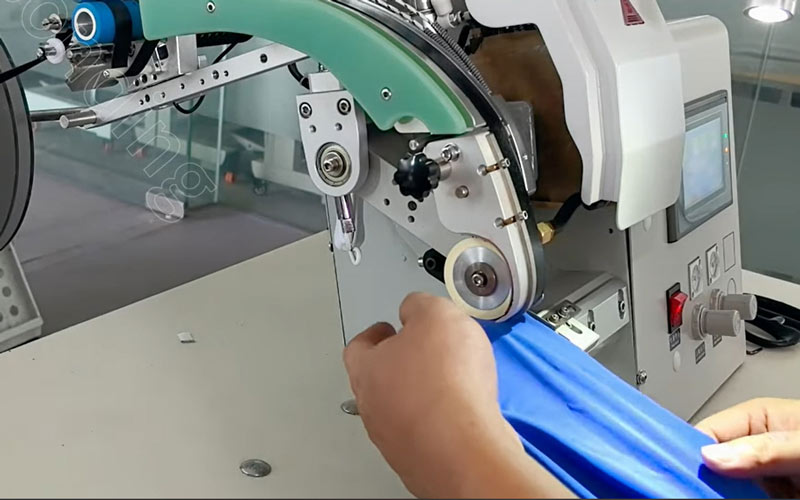
Manufacturing Process Using Seamless Bonding Machines
The production process typically involves several stages:
1. Fabric Preparation
Materials are selected and pre-cut into garment panels.
2. Adhesive Application (if needed)
Thermoplastic films or tapes are placed between layers.
3. Positioning
Fabric pieces are aligned precisely in the machine.
4. Bonding Process
Heat, pressure, or ultrasonic energy is applied.
5. Cooling and Stabilization
Bonded areas are cooled to finalize structure.
6. Inspection
Each garment is checked for:
- Bond strength
- Alignment accuracy
- Surface smoothness
Advantages of Seamless Bonding Technology in Apparel Manufacturing
The benefits of using machines from a professional seamless bonding machine manufacturer include:
1. Higher Product Quality
- Cleaner seams
- Better durability
- Improved garment appearance
2. Increased Production Efficiency
- Faster assembly compared to sewing
- Reduced manual labor
- Streamlined workflow
3. Cost Optimization
Although machines require initial investment, manufacturers benefit from:
- Lower labor costs
- Reduced material waste
- Higher output efficiency
4. Enhanced Design Flexibility
Designers can create:
- More complex garment structures
- Innovative shapes
- Lightweight constructions
Market Trends in Seamless Apparel Technology
The demand for seamless bonding machines is growing rapidly due to several industry trends:
1. Growth of Athleisure Wear
Consumers increasingly prefer clothing that combines sports and casual styles.
2. Demand for Comfort-Focused Clothing
Seamless underwear and polo shirts are popular in daily wear markets.
3. Expansion of Functional Fabrics
Moisture-wicking, stretchable, and breathable fabrics are widely used.
4. Sustainable Manufacturing
Seamless bonding reduces:
- Thread waste
- Energy consumption in sewing processes
- Material offcuts
How to Choose the Right Seamless Bonding Machine Manufacturer
When selecting a supplier, consider the following factors:
- Technical expertise in garment machinery
- Experience in underwear and polo shirt applications
- Machine stability and production capacity
- After-sales support and maintenance service
- Customization options for different production needs
A reliable manufacturer will not only provide equipment but also support long-term production efficiency.
Future Outlook of Seamless Bonding Technology
The future of garment manufacturing will continue to move toward automation and seamless construction. Innovations expected in this field include:
- AI-controlled bonding systems
- Smarter temperature regulation
- Multi-layer fabric bonding capabilities
- Integration with digital garment design systems
Seamless bonding machines will play a central role in shaping next-generation apparel production.
Conclusion
The role of a seamless bonding machine manufacturer is becoming increasingly important in modern apparel production. From seamless underwear to high-performance polo shirts, bonding technology is redefining how garments are designed, produced, and experienced.
By replacing traditional stitching with advanced bonding methods, manufacturers can achieve:
- Superior comfort
- Cleaner aesthetics
- Better durability
- Higher production efficiency
As consumer expectations continue to rise, seamless bonding technology will remain a key driver of innovation in the global textile and garment industry.