In modern garment manufacturing, achieving clean fabric joints, consistent bonding quality, and comfortable finishes has become increasingly important. For manufacturers producing seamless underwear, sportswear, and other elastic garments, traditional sewing methods may not always meet the requirements for smooth, low-profile connections. This is where an overlapping machine becomes a valuable piece of production equipment.
By combining fabric feeding, controlled heating, and pressure application, an overlapping machine helps join fabric edges using hot melt adhesive film. This process can reduce visible stitching and create flatter connections in suitable garment applications. Understanding how this equipment works, where it is used, and what features to consider can help garment manufacturers choose an appropriate solution for their production lines.
What Is an Overlapping Machine?
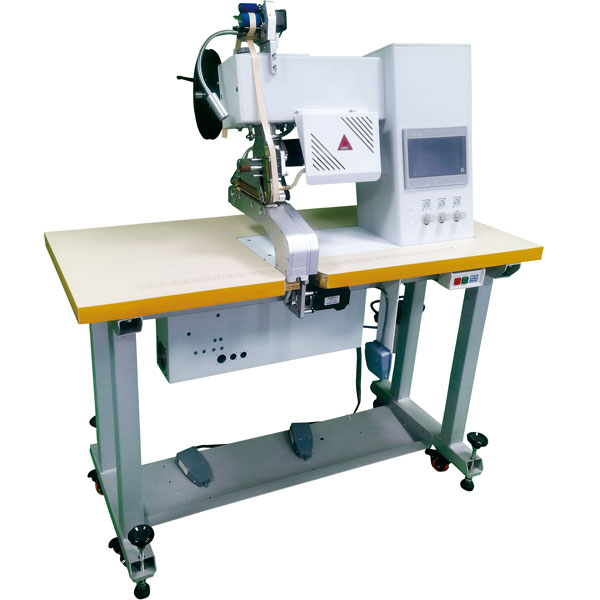
An overlapping machine is a specialized fabric processing machine designed to join two fabric sections by placing one edge over another and bonding the overlapping area. In seamless garment production, this process commonly uses hot melt adhesive film to connect fabrics without relying entirely on conventional sewing stitches.
Unlike a standard sewing machine that uses needles and thread to create seams, an overlapping machine applies controlled heat and pressure to activate the adhesive film. The two fabric layers are then bonded together to form a flat and relatively smooth joint.
This technology is particularly useful for manufacturers producing garments where comfort, flexibility, and appearance are important. Depending on the fabric structure, adhesive selection, and processing conditions, overlapping technology can help reduce bulky seams and improve the overall finish of the garment.
An overlapping machine is also known as a seamless overlapping machine or fabric overlapping machine in some manufacturing applications. Although terminology varies between suppliers, buyers should evaluate the actual bonding process and machine configuration rather than relying on the product name alone.
How Does an Overlapping Machine Work?
The working process of an overlapping machine generally involves fabric feeding, adhesive positioning, heating, pressure application, and edge finishing. Each stage contributes to the quality and consistency of the final joint.
1. Fabric Feeding and Positioning
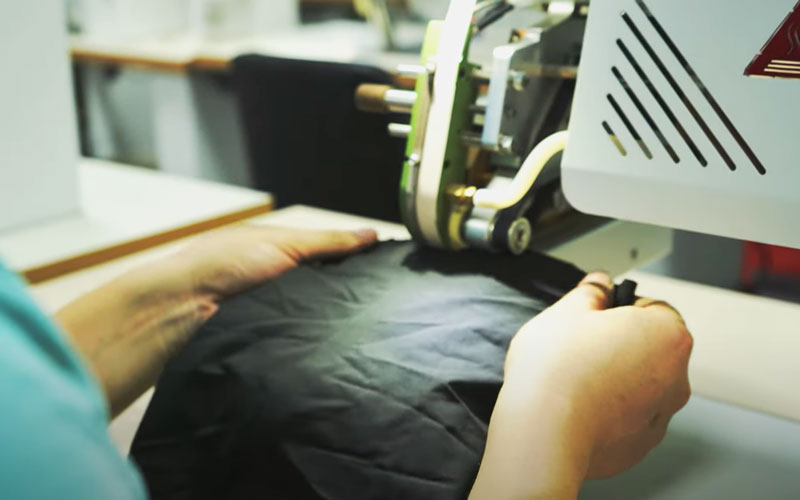
The two fabric sections are positioned so that their edges overlap by a specified width. The fabric and hot melt adhesive film are then fed into the machine through the feeding system.
Some industrial models use upper and lower feeding belts to transport the materials steadily through the bonding area. Stable feeding helps maintain the overlap width and reduces unwanted fabric movement during processing.
2. Hot Melt Adhesive Film Application
Hot melt adhesive film is placed between the overlapping fabric sections. The adhesive film is selected according to the fabric composition, elasticity, thickness, and required bonding performance.
Different materials may require different adhesive formulations. For example, polyester, nylon, and blended fabrics can have different bonding requirements. Manufacturers should test the compatibility of the adhesive film with the actual fabric before starting regular production.
3. Heating and Adhesive Activation
The machine applies heat to activate the hot melt adhesive film. When the adhesive reaches its suitable processing temperature, it softens or melts and develops the bonding properties needed to connect the fabric layers.
Temperature consistency is important because insufficient heating may result in weak bonding, while excessive heat can damage sensitive fabrics or affect the appearance of the finished product.
An overlapping machine with adjustable heating settings allows operators to adapt the process to different materials and adhesive films.
4. Pressure Application and Fabric Bonding
After heating, pressure is applied to the overlapping area to help the adhesive film make contact with both fabric surfaces.
The combination of temperature, pressure, and processing speed influences the final bonding result. These parameters should be adjusted according to the material and adhesive specifications to achieve stable joints.
5. Edge Trimming and Finishing
For applications requiring neat fabric edges, a machine equipped with a trimming function can remove excess material around the bonding area.
This helps produce a cleaner appearance and reduces the need for additional manual edge processing.
Overlapping Machine vs. Traditional Sewing Machine
Both overlapping machines and traditional sewing machines are used in garment manufacturing, but they create fabric connections through different processes.
| Comparison | Overlapping Machine | Traditional Sewing Machine |
|---|---|---|
| Joining method | Hot melt adhesive film bonding | Needle and thread stitching |
| Main processing elements | Heat and pressure | Needle, thread, and mechanical stitching |
| Visible stitches | Can reduce or eliminate visible stitches in the bonded area | Usually visible |
| Seam appearance | Can create flatter, low-profile joints | May create raised or bulky seams |
| Fabric compatibility | Depends on adhesive and bonding process | Depends on fabric and sewing configuration |
| Typical applications | Seamless underwear and selected sportswear | General clothing and textile products |
An overlapping machine does not replace every type of sewing equipment. Traditional stitching remains suitable for many garment structures and applications requiring mechanical seams.
However, for selected garment components where a flatter connection is preferred, hot melt adhesive film bonding provides an alternative manufacturing process. Some factories use both technologies in the same production line to meet different construction requirements.
Main Applications of Overlapping Machines in Garment Manufacturing
Overlapping machines are particularly relevant to garment manufacturers working with elastic fabrics and products that require smooth connections.
Seamless Underwear
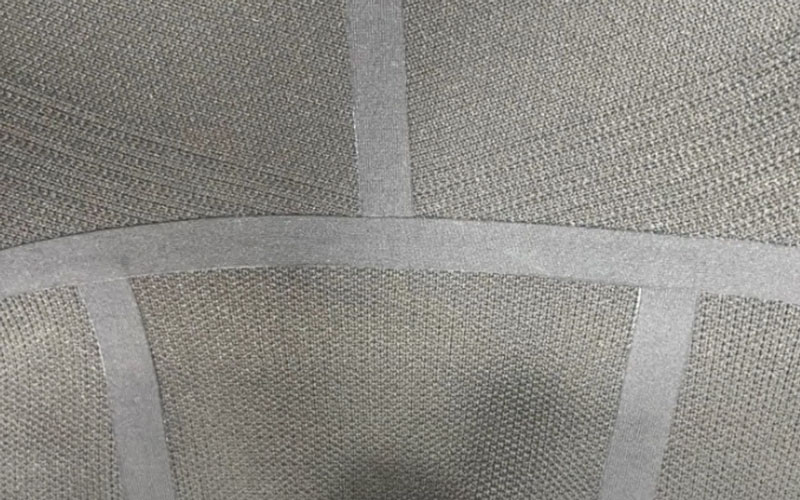
Seamless underwear is one of the main application areas for overlapping technology. Manufacturers use fabric bonding processes to join selected garment sections while reducing bulky stitching.
For seamless bras and underwear, a flatter joint can improve wearing comfort and create a cleaner appearance. The actual bonding method depends on the garment design, fabric characteristics, and required joint strength.
Sportswear and Activewear
Sportswear often uses elastic materials such as polyester blends, nylon, and spandex-containing fabrics. These materials need to maintain flexibility during movement.
An overlapping machine can be used to bond selected fabric sections in sports bras, athletic tops, and other activewear products. Proper adhesive selection and process adjustment are essential to ensure that the bonded areas retain the required flexibility.
Functional and Stretch Garments
Some functional garments require low-profile connections to maintain a smooth surface and reduce friction against the skin.
Hot melt adhesive film bonding can be considered for suitable garment components where conventional stitching may create unwanted bulk. Manufacturers should evaluate fabric compatibility and performance requirements before selecting the bonding process.
What Features Should You Look for in an Overlapping Machine?
Choosing the right overlapping machine requires more than checking its production speed. Buyers should consider the machine’s adjustment capabilities, heating system, feeding structure, and suitability for their target fabrics.
1. Independent Speed and Temperature Adjustment
Different fabrics and adhesive films require different processing conditions. Independent adjustment of the upper and lower feeding belt speeds and temperatures can provide greater flexibility when handling different materials.
2. Stable Fabric Feeding
A reliable feeding system helps maintain consistent fabric positioning and overlap width. Upper and lower feeding belts are useful for controlling the movement of fabric layers during continuous processing.
3. Precise Heating Control
The heating system should provide stable temperature control to activate the adhesive film without unnecessarily exposing the fabric to excessive heat.
Temperature difference alarms and high-temperature protection are also useful features for monitoring equipment conditions.
4. Adjustable Pressure
Different fabric thicknesses and structures may require different pressure settings. Adjustable pressure helps operators adapt the machine to specific bonding requirements.
5. Trimming Function
An integrated trimming function can remove excess fabric after bonding, helping improve the neatness of the finished joint and reducing additional finishing work.
6. Equipment Safety and Monitoring
Fault detection, temperature alarms, and overheating protection can help operators identify abnormal operating conditions and maintain more stable production.
Introducing the AT-211 Seamless Overlapping Machine
For garment manufacturers looking for equipment designed specifically for seamless fabric joining, Alster offers the AT-211 seamless overlapping machine.
The AT-211 is designed for hot melt adhesive film bonding in seamless garment production. It uses upper and lower fabric feeding belts to transport materials through the processing area and features adjustable operating parameters for different fabric and bonding requirements.
Its main features include:
- Independent adjustment of upper and lower feeding belt speed and temperature.
- Adjustable heating tank temperature for hot melt adhesive film processing.
- Adjustable airflow and temperature in the blowing system.
- Cylinder-driven presser foot with 10 mm lifting space.
- Built-in fault detection and temperature difference alarm functions.
- High-temperature protection system.
- Integrated fabric trimming function.
The machine operates at an adjustable feeding speed of 0–150 mm/second, with a maximum power of 3500 W and a single-phase 220 V power supply.
These features make the AT-211 a practical option for manufacturers evaluating equipment for seamless underwear and other suitable seamless garment applications.
For complete specifications, equipment details, and purchasing information, visit the AT-211 Seamless Overlapping Machine product page.
How to Choose the Right Overlapping Machine for Your Factory
Before purchasing an overlapping machine, garment manufacturers should evaluate their actual production requirements rather than selecting equipment based on specifications alone.
First, identify the fabrics used in your production line. Polyester, nylon, and blended elastic fabrics may require different adhesive films and processing parameters.
Second, determine the types of garments and fabric sections that need bonding. Seamless bras, underwear, and sportswear may have different joint designs and finishing requirements.
Third, check whether the equipment provides sufficient adjustment for temperature, feeding speed, and pressure. These factors directly influence the bonding process and should be tested with actual production materials.
Finally, ask the equipment supplier about sample testing, technical support, machine configuration, and after-sales service. A practical machine evaluation using your own fabric and adhesive film can help you determine whether the equipment meets your production expectations.
Frequently Asked Questions About Overlapping Machines
1. What materials can an overlapping machine process?
An overlapping machine designed for hot melt adhesive film bonding can process various textile materials, depending on the machine configuration and adhesive compatibility. Polyester, nylon, and blended fabrics are common materials to evaluate. Testing is recommended before mass production.
2. Is an overlapping machine suitable for seamless underwear?
Yes. Overlapping machines are used in seamless underwear manufacturing to bond selected fabric sections with hot melt adhesive film. They can help reduce visible stitches and create flatter joints in suitable garment designs.
3. What is the difference between an overlapping machine and a bonding machine?
The terms can overlap in industrial textile applications. A bonding machine generally refers to equipment that joins materials using heat, pressure, or adhesive. An overlapping machine specifically focuses on joining fabric sections with overlapping edges. The exact functions depend on the equipment design.
4. Can an overlapping machine replace a sewing machine?
Not completely. Overlapping machines provide an alternative joining method for suitable fabric components, but traditional sewing remains necessary for many garment structures. Manufacturers often combine bonding and sewing processes according to product requirements.
5. What should I consider when purchasing an overlapping machine?
Important factors include fabric compatibility, adhesive film selection, heating accuracy, feeding speed, pressure adjustment, trimming functions, power requirements, and technical support. Testing the machine with actual production materials is one of the most useful steps before purchasing.
Find a Suitable Overlapping Machine for Seamless Garment Production
Selecting the right overlapping machine can help garment manufacturers develop cleaner fabric joints and improve the consistency of suitable seamless garment production processes.
If your factory manufactures seamless underwear, sportswear, or other elastic garments, the Alster AT-211 seamless overlapping machine is worth evaluating. Its adjustable feeding system, temperature control, pressure settings, and trimming function are designed to support hot melt adhesive film bonding applications.
Contact Alster to discuss your fabric materials, bonding requirements, and production needs, or explore the AT-211 Seamless Overlapping Machine for more technical information.