
The apparel industry is continuously moving toward lighter, cleaner, and more functional manufacturing methods. One of the most important innovations in modern clothing production is seamless bonding technology, which replaces traditional stitching methods in many applications. Instead of using threads and needles, manufacturers can use heat-activated materials to join different textile layers while maintaining flexibility, comfort, and a smooth appearance. Among these solutions, garment adhesive film has become an essential material for producing seamless garments, sportswear, outdoor clothing, and technical textiles.
Seamless garment bonding film is specially designed to create strong and invisible connections between fabrics, tapes, membranes, labels, and decorative components. It is widely used by clothing manufacturers because it improves product appearance, increases production efficiency, and enhances wearer comfort. Depending on the required performance, different types of adhesive films are available, including thermoplastic polyurethane (TPU), polyamide (PA), polyester (PES), and other specialized materials.
Understanding the different types of hot melt bonding films can help apparel producers select the most suitable solution for their manufacturing processes and product requirements.
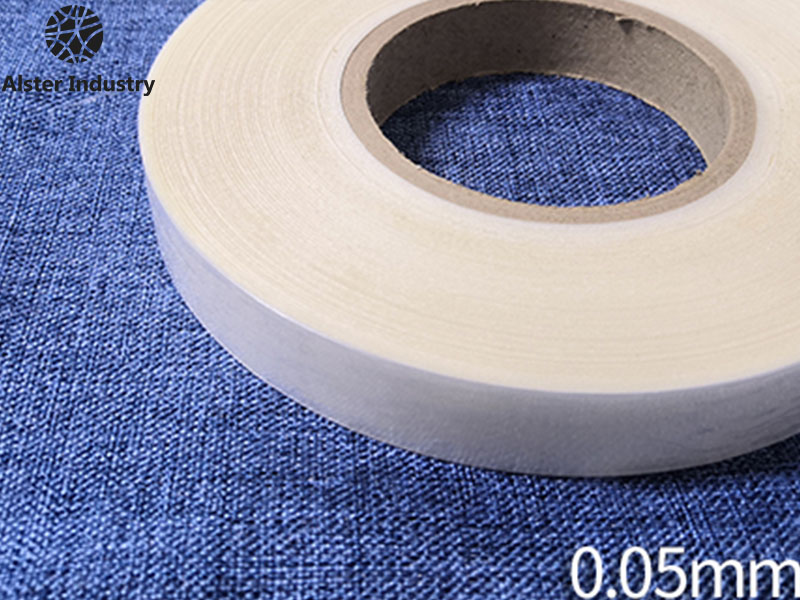
What Is Seamless Garment Bonding Film?
Seamless garment bonding film is a thermoplastic adhesive material that melts under controlled heat and pressure and creates a permanent bond after cooling. It is usually supplied in rolls or sheets and applied through heat pressing, hot air bonding, ultrasonic equipment, or automated laminating systems.
Unlike traditional sewing, seamless bonding technology does not require visible stitches. The bonding layer is placed between two textile materials, and heat activates the adhesive components. Once the film melts, it penetrates the surface of the fabrics and forms a strong connection.
This process is especially valuable for modern apparel because consumers increasingly demand lightweight, comfortable, and aesthetically attractive clothing. Seamless construction helps reduce irritation caused by stitches and creates smoother garment surfaces.
Sportswear, activewear, underwear, swimwear, medical garments, protective clothing, and outdoor apparel are among the main industries benefiting from this technology.
Advantages of Seamless Garment Bonding Technology
The growing popularity of seamless bonding solutions comes from several important advantages.
Improved Appearance
One of the biggest benefits of seamless bonding is the clean appearance it provides. Traditional sewing creates visible seam lines, while bonding technology produces smoother edges and hidden connections. This feature is highly desirable for premium sportswear, fashion clothing, and performance apparel.
Enhanced Comfort
Seamless garments provide better comfort because they reduce friction between clothing and skin. This is particularly important for sportswear and compression garments, where users require freedom of movement and long-term wearing comfort.
Better Waterproof Performance
For outdoor clothing, waterproof jackets, and functional textiles, preventing water penetration is essential. Seamless bonding can seal fabric joints and improve resistance against moisture, wind, and environmental conditions.
Higher Production Efficiency
Compared with traditional sewing processes, adhesive bonding can simplify manufacturing procedures. Automated equipment can apply bonding films quickly and consistently, reducing labor requirements and improving production speed.
Lightweight Construction
Because bonding materials are usually very thin, they help manufacturers create lightweight garments without sacrificing strength. This advantage is especially valuable in sports, outdoor, and performance clothing markets.
Main Types of Seamless Garment Bonding Film
Different textile applications require different adhesive properties. The selection depends on fabric type, elasticity, washing requirements, temperature resistance, and bonding strength.
TPU Seamless Bonding Film
Thermoplastic polyurethane (TPU) film is one of the most popular choices for seamless garment applications. It is widely recognized for its excellent elasticity, softness, and strong bonding performance.
TPU bonding film is ideal for stretch fabrics because it can move with the textile structure without cracking or losing adhesion. This makes it suitable for sportswear, yoga clothing, running apparel, and compression garments.
Another advantage of TPU is its excellent resistance to washing and environmental factors. Garments produced with TPU films can maintain bonding performance after repeated use and cleaning.
TPU films are also available in transparent and colored options, making them suitable for decorative applications such as logos, patterns, reflective elements, and branding designs.
Polyamide (PA) Bonding Film
Polyamide adhesive film is known for its strong bonding capability and excellent mechanical performance. It is often selected for applications where durability and heat resistance are important.
PA films are commonly used in workwear, uniforms, technical textiles, and industrial clothing. They provide reliable adhesion between different textile layers and can withstand demanding conditions.
Compared with softer TPU solutions, polyamide films generally provide higher structural strength. However, they may offer slightly less flexibility, so manufacturers need to choose according to the final product requirements.
Polyester (PES) Bonding Film
Polyester-based bonding film is another widely used option in textile manufacturing. It provides good adhesion, dimensional stability, and compatibility with many synthetic fabrics.
PES films are frequently used for garment laminating, textile reinforcement, labels, and accessory attachment. They are especially suitable for polyester fabrics because of their similar material characteristics.
This type of bonding film offers a good balance between performance and cost, making it a practical choice for large-scale clothing production.
Polyolefin Bonding Film
Polyolefin bonding films provide lightweight performance and good moisture resistance. They are often selected for applications requiring stable performance in humid or outdoor environments.
These materials can be used for protective clothing, outdoor textiles, and laminated fabric structures. Their low moisture absorption and chemical stability make them suitable for specific technical textile applications.
EVA Bonding Film
Ethylene vinyl acetate (EVA) film is a flexible and economical bonding material used in various textile-related applications.
EVA films have good softness and easy processing characteristics. They are often applied in footwear, accessories, decorative components, and general textile lamination.
Although EVA may not provide the same level of durability as TPU or PA materials, it remains a cost-effective option for applications with moderate performance requirements.
Applications of Seamless Garment Bonding Film
The use of seamless bonding technology continues to expand across multiple industries.
In sportswear manufacturing, bonding films are used to create lightweight and flexible garments that support athletic performance. They help produce seamless seams, reduce discomfort, and improve product appearance.
Outdoor clothing manufacturers use bonding materials for waterproof jackets, hiking apparel, and protective equipment. The technology helps seal fabric connections and improve resistance against rain and wind.
In underwear and intimate apparel production, seamless bonding provides soft edges and improved wearing comfort. This is important because consumers expect these products to feel smooth against the skin.
Medical and healthcare textiles also benefit from bonding technology. Adhesive films can help create clean, durable structures for specialized garments and protective products.
Footwear manufacturers use bonding films to attach textile layers, decorative elements, and functional components while reducing traditional stitching processes.
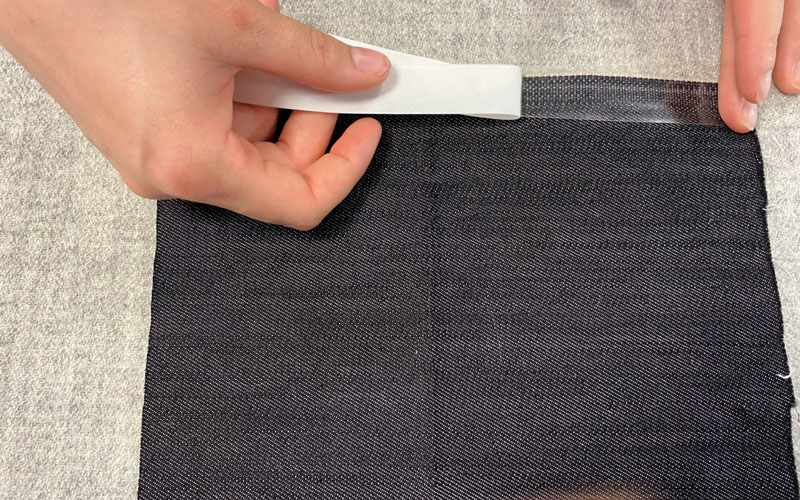
How to Choose the Right Bonding Film
Choosing the correct bonding material requires careful evaluation of several factors.
The first consideration is fabric compatibility. Different fabrics have different surface structures, so the adhesive must provide strong interaction with the textile material.
Elasticity is also important. Stretch garments require flexible bonding films that can expand and recover with the fabric.
Washing durability should be tested, especially for sportswear and everyday clothing. A high-quality bonding material should maintain adhesion after repeated washing cycles.
Processing conditions must also be considered. Temperature, pressure, and bonding time need to match both the adhesive film and the fabric to achieve the best results.
When choosing garment adhesive film, manufacturers should also consider thickness, softness, transparency, and final product requirements.
Future Trends of Seamless Bonding Technology
The demand for seamless garment production is expected to continue growing as consumers look for more comfortable and functional clothing. Manufacturers are investing in advanced bonding technologies that provide stronger adhesion, lower processing temperatures, and improved environmental performance.
Sustainable materials are becoming increasingly important in the textile industry. Future bonding films may focus more on recyclable polymers, bio-based materials, and environmentally friendly production methods.
Automation will also play a larger role. Advanced bonding equipment can improve accuracy, reduce material waste, and support large-scale manufacturing.
Modern garment adhesive film solutions are expected to become more specialized, helping brands develop innovative clothing designs with improved performance and comfort.
Conclusion
Seamless garment bonding technology has transformed modern apparel manufacturing by offering cleaner designs, better comfort, and efficient production methods. Different bonding films provide unique advantages for various textile applications, from flexible sportswear to durable industrial garments.
Among these materials, TPU, PA, PES, polyolefin, and EVA films each serve different purposes depending on performance requirements. By selecting the appropriate bonding solution, manufacturers can create high-quality garments that meet the growing demands of modern consumers.
As textile technology continues to develop, seamless bonding will remain an important manufacturing approach. With continuous improvements in materials and equipment, seamless garment bonding film will continue supporting the future development of innovative, comfortable, and functional clothing.