
As the apparel industry continues to develop, manufacturers are paying more attention to the functional performance, comfort, and durability of clothing materials. In addition to traditional fabrics, functional films are increasingly used to improve the waterproof, windproof, elastic, and decorative properties of garments. Among these materials, tpu polyurethane film has become an important solution for producing functional and performance-oriented clothing.
TPU (Thermoplastic Polyurethane) is a flexible thermoplastic material known for its elasticity, abrasion resistance, and processing versatility. When manufactured into a thin film, it can be laminated onto different textile substrates or applied to garment surfaces to provide additional functionality without significantly affecting fabric flexibility.
From outdoor jackets and sportswear to protective clothing and fashion apparel, TPU films offer manufacturers a versatile material option for developing modern garments.
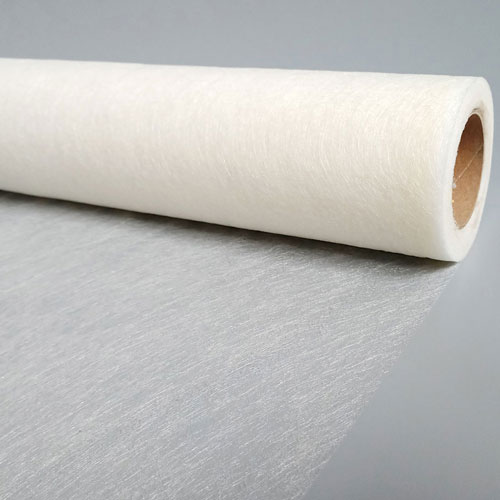
1. What Is TPU Polyurethane Film?
TPU polyurethane film is a thin, flexible film produced from thermoplastic polyurethane. It combines the elasticity of rubber with the processing advantages of thermoplastic materials. Unlike some traditional coating materials, TPU can be processed through methods such as extrusion and calendering, allowing manufacturers to produce films in different thicknesses, widths, colors, and surface finishes.
For clothing applications, TPU films are generally designed to be lightweight, flexible, and compatible with textile lamination or heat-transfer processes.
Depending on the formulation and manufacturing requirements, TPU polyurethane film can offer several functional properties:
- High elasticity: It can stretch and recover its original shape, making it suitable for garments that require freedom of movement.
- Water resistance: It can create a protective barrier against water penetration.
- Abrasion resistance: It helps improve the durability of garment surfaces.
- Soft hand feel: Flexible film formulations can maintain a comfortable wearing experience.
- Good adhesion: With appropriate formulations and bonding conditions, TPU film can be laminated onto various textile materials.
- Processing versatility: It supports different converting and bonding processes used in apparel manufacturing.
These characteristics make TPU a practical material for clothing manufacturers looking to combine functional performance with textile comfort.
2. Main Applications of TPU Polyurethane Film in Clothing
The performance requirements of clothing vary depending on its intended use. TPU films can be customized to meet different application needs, making them suitable for several garment categories.
2.1 Outdoor Jackets and Waterproof Clothing
Waterproof performance is one of the most important requirements for outdoor clothing. Jackets, raincoats, hiking apparel, and mountaineering garments need to protect wearers from rain, wind, and changing weather conditions.
TPU polyurethane film can be laminated onto woven or knitted fabrics to form a functional composite material. The film acts as a water-resistant layer, helping prevent external moisture from entering the garment.
Depending on the film structure and formulation, manufacturers can also select breathable TPU materials to help water vapor escape from inside the clothing.
This combination of waterproof protection and moisture management is particularly useful for outdoor garments designed for extended activities.
2.2 Sportswear and Activewear
Sportswear requires materials that can accommodate frequent body movement, stretching, and repeated washing. Clothing used for running, cycling, fitness training, and other physical activities must provide flexibility without easily losing its shape.
TPU film offers good elasticity and flexibility, making it suitable for selected sportswear applications.
It can be used in:
- Stretchable garment panels.
- Protective and reinforcing sections.
- Seam reinforcement structures.
- Functional textile laminates.
- Decorative elements and heat-transfer designs.
For example, TPU film can be incorporated into elastic sportswear fabrics to provide additional protection or create specific functional areas. Its flexibility helps the finished garment maintain a comfortable fit during physical activities.
2.3 Workwear and Protective Clothing
Industrial workwear often faces demanding conditions, including moisture exposure, friction, and repeated mechanical stress. Certain protective garments also require additional barriers against liquids and environmental contaminants.
TPU polyurethane film can be used as a functional layer in selected protective clothing materials. When properly designed and combined with suitable fabrics, it can improve water resistance and provide a flexible protective surface.
Typical applications include waterproof work jackets, protective aprons, industrial rainwear, and specialized garment components.
However, the film’s chemical resistance and protective performance depend on its specific formulation and thickness. Applications involving hazardous chemicals or regulated protective equipment require appropriate material testing and certification.
2.4 Fashion Apparel and Decorative Clothing
Apart from functional garments, TPU films also have applications in fashion design. Clothing manufacturers can use transparent, colored, matte, or glossy TPU films to create different visual effects.
For example, TPU films can be used for:
- Decorative garment patterns.
- Transparent clothing details.
- Logo and graphic applications.
- Heat-transfer labels.
- Surface reinforcement and embellishment.
Compared with some rigid decorative materials, flexible TPU films can provide a softer finish and better compatibility with garments that require movement and flexibility.
Their availability in different colors and finishes also gives designers more freedom when developing customized apparel collections.
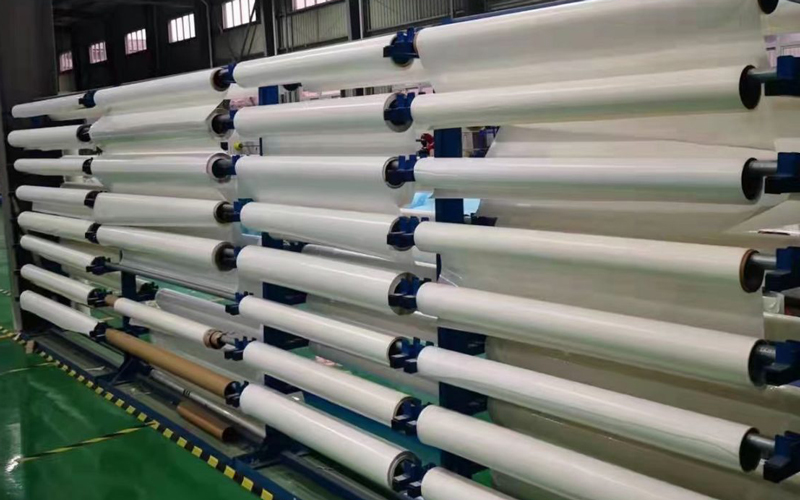
3. Why Choose TPU Polyurethane Film for Clothing?
The growing use of TPU materials in the apparel industry is closely related to their combination of mechanical properties and processing flexibility.
Excellent Elasticity and Flexibility
Clothing must adapt to the human body’s movements. Materials that become stiff or brittle during use can negatively affect comfort and garment performance.
TPU polyurethane film offers good flexibility and elastic recovery. This makes it suitable for applications where the finished textile needs to bend, stretch, and move repeatedly.
Lightweight Construction
Weight is an important consideration in sportswear, outdoor clothing, and travel apparel. Heavy functional layers can make garments uncomfortable, especially during prolonged use.
Thin TPU films can provide functional surface or barrier properties while helping manufacturers control the overall weight of laminated textile structures.
The actual weight depends on film thickness, density, and the textile substrate.
Water Resistance and Moisture Management
TPU films can provide effective protection against liquid water. Certain specially formulated TPU films also allow water vapor transmission, helping reduce moisture accumulation inside garments.
This feature is particularly valuable for outdoor clothing and activewear, where users may experience both external rain and perspiration.
It is important to distinguish between waterproof performance and breathability. Not every TPU film offers the same moisture vapor transmission rate, so manufacturers should select materials according to the intended garment requirements.
Abrasion Resistance and Durability
Garments used in outdoor activities and industrial environments are frequently exposed to friction. TPU is known for its abrasion resistance, which can help functional garment components withstand repeated use.
With suitable material selection and lamination processes, TPU films can contribute to the durability of textile composites.
Processing and Design Versatility
TPU films can be produced in different thicknesses, colors, and surface finishes. They can also be processed using suitable heat-lamination, adhesive-bonding, and heat-transfer techniques.
This flexibility helps clothing manufacturers develop products for different markets without relying on a single standard material specification.
4. Common Processing Methods for TPU Film in Garment Manufacturing
Selecting the right processing method is essential for achieving reliable bonding and maintaining the desired textile performance.
1. Heat Lamination
Heat lamination is widely used to combine TPU film with textile substrates. Under controlled temperature, pressure, and processing time, the film bonds to the fabric surface to form a composite structure.
This method is commonly considered for waterproof clothing, outdoor jackets, and functional sportswear.
2. Adhesive Bonding
In some applications, a compatible adhesive is used to connect TPU film with fabrics. The adhesive system must be selected according to the film formulation, textile composition, and final application.
3. Heat Transfer
TPU-based films can also be used in decorative heat-transfer applications. They are suitable for producing garment logos, lettering, patterns, and other customized designs.
The processing conditions should be adjusted to prevent excessive heat from damaging the film or textile.
4. Seam Sealing
In waterproof garment manufacturing, TPU-based sealing materials may be used to cover stitched seams. This helps reduce water penetration through needle holes and stitched areas.
The sealing tape and application process must be compatible with the garment’s waterproof membrane and fabric construction.
5. How to Select the Right TPU Polyurethane Film for Clothing
Choosing the appropriate TPU film requires more than simply comparing product prices. Garment manufacturers should evaluate several factors before placing an order.
Film Thickness: Different clothing applications require different thicknesses. Thin films are often preferred for lightweight apparel, while thicker films may be considered for applications requiring additional protection or mechanical strength.
Hardness and Softness: Softer films are generally preferred when flexibility and wearing comfort are priorities. Hardness should be selected according to the intended function.
Color and Transparency: Transparent, translucent, and colored films can serve different functional and decorative purposes. The choice depends on the garment design and appearance requirements.
Adhesion Performance: The film must be compatible with the selected textile material. Testing should be conducted to evaluate bonding strength and resistance to delamination.
Waterproof and Breathable Requirements: For outdoor and performance clothing, manufacturers should evaluate hydrostatic pressure resistance and water vapor transmission rate rather than relying on general product descriptions.
Washing and Durability: Garments are regularly exposed to washing, stretching, and friction. Wash testing, aging tests, and repeated-flexing evaluations can help determine whether the selected TPU film is suitable for long-term use.
Working with a reliable film supplier can help manufacturers identify an appropriate material specification and reduce potential production problems.
6. TPU Polyurethane Film vs. Traditional PVC Film for Clothing
TPU and PVC films are both used in various flexible material applications, but they have different characteristics.
TPU generally offers better elasticity, flexibility, and abrasion resistance, making it attractive for performance-oriented garments and applications requiring repeated movement.
PVC films can provide practical waterproof and decorative solutions for certain clothing products, but their flexibility and low-temperature behavior depend heavily on their formulation and plasticizer system.
For garments requiring a soft feel, stretchability, and a flexible textile structure, TPU is often a preferred option. However, the final material selection should be based on application requirements, processing compatibility, cost, and relevant performance tests.
7. Future Development of TPU Films in the Apparel Industry
The apparel market is increasingly focused on functional performance, material innovation, and improved product durability. Consumers expect clothing to provide more than basic coverage. Waterproof protection, lightweight construction, flexibility, and comfortable wearing experiences are becoming important purchasing considerations.
As a result, TPU polyurethane film is expected to remain a useful material in the development of functional textile products.
Potential development directions include thinner functional films, improved breathability, better textile bonding, customized surface finishes, and formulations designed to support specific garment requirements.
In addition, growing interest in sustainable materials is encouraging manufacturers to explore recyclable TPU solutions and more efficient production processes. The actual environmental benefits depend on material composition, product design, collection systems, and recycling infrastructure.
Conclusion
TPU polyurethane film provides a combination of flexibility, elasticity, water resistance, abrasion resistance, and processing versatility that makes it suitable for a wide range of clothing applications.
From waterproof outdoor jackets and sportswear to industrial workwear and decorative fashion garments, it offers textile manufacturers additional possibilities for improving garment performance and appearance.
When selecting TPU film for clothing, manufacturers should consider thickness, softness, adhesion, waterproof performance, breathability, and washing durability. Matching the film specification with the fabric and production process is essential for achieving consistent product quality.
With the continued development of functional apparel and advanced textile materials, TPU polyurethane film will remain an important material option for garment manufacturers seeking flexible and customized solutions.