
Seamless clothing manufacturing is becoming an increasingly important production method in the modern textile and apparel industry. As clothing brands continue to focus on comfort, appearance, functionality, and production efficiency, traditional sewing processes are no longer the only option for connecting garment components. Advanced bonding technologies allow manufacturers to produce garments with smooth edges, flat seams, and fewer visible stitches.
A seamless bonding machine plays an essential role in this manufacturing process. By combining controlled heat, pressure, ultrasonic technology, and specialized bonding materials, these machines help connect different fabric components without relying entirely on conventional stitching. Depending on the garment design and production requirements, manufacturers can choose different machines to complete fabric bonding, tape application, edge finishing, and decorative processing.
For underwear manufacturers, sportswear factories, activewear brands, and functional apparel producers, choosing suitable machinery is an important step toward improving product quality and manufacturing efficiency.
This article explores the role of seamless bonding machines in seamless clothing manufacturing, introduces different machine types, and explains how to select the right equipment for specific production applications.
1. What Is Seamless Clothing Manufacturing?
Seamless clothing manufacturing refers to a garment production method that minimizes or eliminates traditional stitched seams through specialized knitting, bonding, and fabric-joining technologies.
In conventional garment manufacturing, fabric panels are generally connected using needles and sewing threads. Although this method is widely used, stitched areas can sometimes create additional thickness, friction, and visible lines. These issues may affect the comfort and appearance of close-fitting garments.
Seamless production technologies offer alternative solutions. Manufacturers can use bonding films, adhesive tapes, ultrasonic energy, or integrated knitting processes to connect fabric components and create smoother garment structures.
Common products manufactured using seamless technologies include:
- Seamless underwear: Designed to provide a smooth appearance and reduce irritation caused by traditional stitching.
- Sportswear: Provides flexible garment construction for activities involving frequent body movement.
- Yoga clothing: Supports comfortable, close-fitting designs with fewer bulky seams.
- Shapewear: Creates smooth edges and helps maintain a streamlined garment appearance.
- Activewear: Combines functional fabrics with bonded components for modern apparel designs.
- Functional garments: Uses specialized bonding methods to connect textile layers and improve product performance.
It is worth noting that seamless clothing does not necessarily mean that every part of a garment is completely free of seams. Many products use bonded seams or reduced-stitch construction to achieve a seamless appearance and improved wearing comfort.
2. Why Are Seamless Bonding Machines Important?
The development of seamless bonding equipment has created more possibilities for garment manufacturers. Compared with conventional sewing operations, bonding technology offers several advantages in suitable textile applications.
2.1 Improved Garment Comfort
Comfort is one of the main reasons why brands choose seamless garment construction.
Traditional stitched seams may create raised areas where fabric layers overlap. When garments are worn tightly against the body, these areas can cause friction or pressure during movement.
A suitable seamless bonding machine can create flatter joining areas, reducing unnecessary fabric thickness and improving the overall wearing experience.
This is particularly important for underwear, sports bras, leggings, compression clothing, and other close-fitting garments.
2.2 Cleaner and More Attractive Appearance
Modern apparel brands often prefer smooth garment surfaces and minimal visible stitching.
Bonding technology allows manufacturers to create cleaner edges and more refined connections between fabric components. This helps improve the visual quality of garments, especially in premium sportswear and fashion apparel.
2.3 Better Production Consistency
Manual sewing and fabric joining can produce variations between individual products.
With appropriate machine settings and standardized operating procedures, automated bonding equipment helps maintain consistent temperature, pressure, positioning, and processing conditions.
This makes it easier for manufacturers to achieve repeatable production results.
2.4 More Flexible Garment Design
Seamless bonding technology allows designers to explore different garment structures and joining methods.
For example, manufacturers can use bonding equipment to attach elastic components, apply decorative films, connect fabric edges, and create specific garment details.
These possibilities help clothing brands develop products with different functional and visual characteristics.
3. Different Types of Seamless Bonding Machines
Different garment structures require different processing methods. Therefore, seamless clothing manufacturers should select equipment according to fabric properties, bonding requirements, and production applications.
The following machine categories are commonly used in seamless apparel production.
3.1 Seamless Garments Machine
A seamless garments machine is designed to manufacture garments with reduced traditional stitching and smooth construction.
Depending on the equipment configuration, it may integrate specialized knitting, fabric processing, or bonding operations to produce garment components with fewer conventional seams.
This type of equipment is particularly suitable for manufacturers producing:
- Seamless underwear and intimate apparel.
- Sports bras and fitness clothing.
- Yoga pants and leggings.
- Shapewear and compression garments.
- Other close-fitting apparel products.
The main advantage is the ability to support specialized garment construction while improving comfort and appearance.
When selecting a seamless garments machine, manufacturers should consider the available garment styles, processing capabilities, fabric compatibility, production capacity, and adjustment requirements.
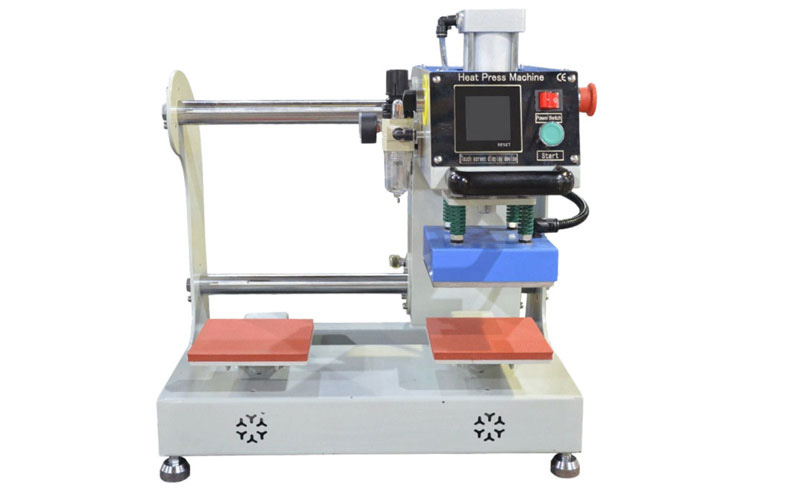
3.2 Heat Press Machine
A heat press machine uses controlled temperature and pressure to transfer designs or bond compatible materials together.
In seamless clothing manufacturing, heat press equipment can be used for fabric bonding, logo application, decorative transfers, and the attachment of selected textile components.

The basic working process involves placing the fabric and appropriate bonding material in the required position, setting the temperature and pressure, and applying heat for a controlled period.
Common applications include:
- Bonding compatible fabric layers.
- Applying heat-transfer logos and labels.
- Attaching decorative elements.
- Processing adhesive films.
- Producing smooth garment details.
A suitable heat press machine should offer stable temperature control, adjustable pressure, convenient operation, and an appropriate working area.
For manufacturers working with different fabric types, the ability to adjust processing parameters is particularly important. Excessive heat or pressure may damage sensitive materials or affect fabric elasticity.
3.3 Ultrasonic Machine
An ultrasonic machine uses high-frequency mechanical vibrations to generate localized heat at the contact area between compatible thermoplastic materials.
This process allows certain synthetic fabrics and textile components to be joined without conventional sewing threads or additional adhesive materials.
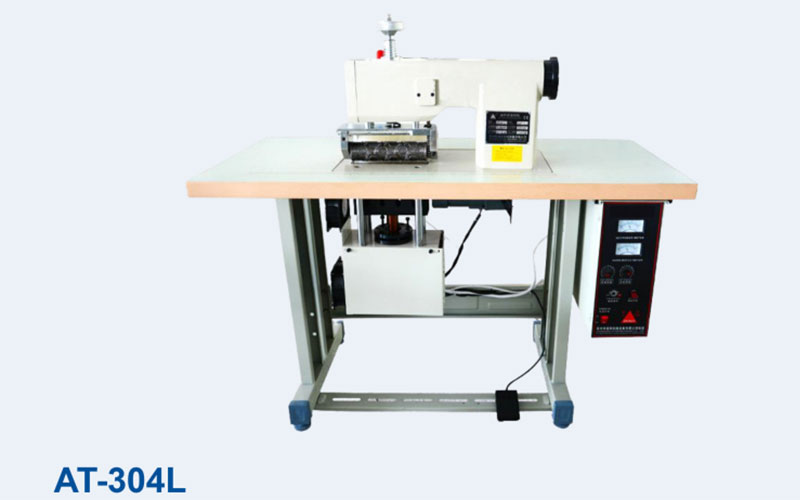
Ultrasonic technology is widely used in specialized textile manufacturing because it can provide efficient bonding and precise processing.
Typical applications include:
- Joining compatible synthetic fabric components.
- Applying ultrasonic bonding patterns.
- Processing textile edges.
- Attaching selected tapes and garment accessories.
- Producing specialized seamless garment structures.
Ultrasonic machines are especially useful when manufacturers need consistent joining results and controlled processing of suitable materials.
However, fabric compatibility should always be tested before mass production. Natural fibers and certain fabric combinations may not respond effectively to ultrasonic bonding.
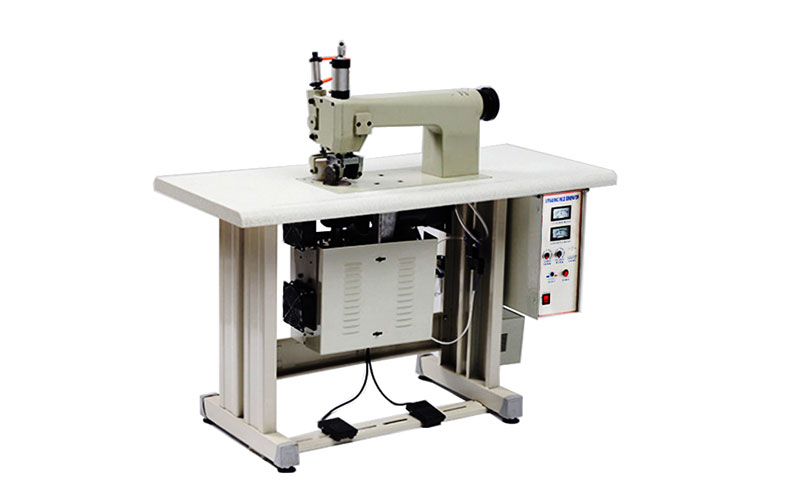
3.4 Ultrasonic Tape Applying Machine
Tape application is another important operation in seamless clothing manufacturing.
An ultrasonic tape applying machine is designed to apply or bond suitable tapes to selected fabric areas. Depending on its configuration and bonding method, the equipment can help manufacturers process garment edges, reinforce joining areas, and create smoother connections.

This equipment is particularly useful for clothing manufacturers who need accurate tape positioning and repeatable application.
Its potential applications include:
- Applying bonding tapes to garment edges.
- Reinforcing selected fabric connections.
- Processing underwear and sportswear components.
- Supporting specialized garment construction.
- Improving the consistency of tape application.
When choosing this type of machine, manufacturers should evaluate tape width, feeding stability, fabric compatibility, bonding strength, and production speed.
4. How to Choose the Right Seamless Bonding Machine?
Selecting the correct equipment is essential for achieving reliable production results. Different machines have different functions, and not every bonding method is suitable for every textile material.
Here are several important factors to consider.
4.1 Understand Your Garment Applications
Start by identifying the products you intend to manufacture.
For example, underwear manufacturers may prioritize smooth edges and comfortable fabric connections. Sportswear producers may need flexible bonding solutions that can withstand repeated stretching. Manufacturers applying logos or decorative elements may require a heat press machine.
Defining the intended application helps narrow down the most suitable equipment.
4.2 Check Fabric Compatibility
Fabric composition has a direct influence on bonding performance.
Polyester, nylon, spandex blends, and other synthetic textiles may require different bonding materials and processing parameters.
Before purchasing a machine, manufacturers should provide fabric samples and test the actual material combinations.
Particular attention should be paid to:
- Fabric thickness and structure.
- Elasticity and recovery.
- Surface coatings or treatments.
- Heat resistance.
- Compatibility with adhesive films and bonding tapes.
These tests help prevent weak bonding, fabric deformation, and other production problems.
4.3 Evaluate Temperature and Pressure Control
For heat-based bonding applications, temperature and pressure are important factors.
Insufficient heat may result in incomplete adhesive activation, while excessive temperature can cause discoloration, shrinkage, or damage to elastic fibers.
Similarly, unsuitable pressure may affect bonding strength or fabric appearance.
Choose equipment with adjustable operating parameters and stable control systems.
4.4 Consider Production Capacity
Different factories have different output requirements.
Small garment workshops may prefer compact or semi-automatic equipment for sample development and limited production batches.
Larger apparel factories may need automated feeding systems, continuous processing capabilities, and equipment designed for higher production volumes.
The machine’s actual output should be evaluated together with loading time, positioning, cooling, and inspection procedures.
4.5 Consider Operation and Maintenance
Easy operation and convenient maintenance can help reduce production interruptions.
Manufacturers should check the machine structure, operator training requirements, spare parts availability, maintenance procedures, and technical support before making a purchasing decision.
5. How to Improve Seamless Clothing Manufacturing Efficiency?
Purchasing advanced equipment is only one part of building an efficient seamless production process. Proper material preparation and process management are equally important.
Step 1: Fabric Selection
Choose fabrics according to the garment’s intended function, elasticity, thickness, and wearing requirements.
Step 2: Fabric Cutting and Preparation
Cut the fabric into the required shapes and dimensions. Ensure that the edges are clean and that the components are correctly aligned.
Step 3: Bonding Material Selection
Select suitable adhesive films, bonding tapes, or other joining materials according to the fabric composition and machine type.
Step 4: Machine Parameter Adjustment
Set the appropriate temperature, pressure, processing speed, and bonding duration. Conduct sample tests before starting mass production.
Step 5: Bonding and Processing
Position the fabric components accurately and operate the selected machine according to the established production procedure.
Step 6: Quality Inspection
Inspect the finished bonding areas for peeling, wrinkles, uneven edges, discoloration, and other visible defects.
Step 7: Performance Testing
Depending on the final garment application, manufacturers can perform stretching, washing, peeling, and repeated-use tests to evaluate bonding durability.
Following a standardized workflow helps improve production consistency and reduce unnecessary material waste.
6. Common Problems in Seamless Bonding and Their Solutions
Even with suitable equipment, manufacturers may encounter challenges during textile bonding operations.
| Common Problem | Possible Cause | Recommended Solution |
|---|---|---|
| Weak bonding strength | Incorrect temperature or pressure | Adjust machine settings and test bonding materials |
| Tape peeling | Poor material compatibility | Select suitable bonding tape |
| Fabric discoloration | Excessive heating | Reduce temperature and processing time |
| Uneven bonding | Incorrect fabric positioning | Improve alignment and feeding |
| Reduced elasticity | Excessive heat or pressure | Optimize processing parameters |
| Inconsistent results | Unstable machine operation | Check machine settings and maintenance conditions |
Regular equipment inspection, operator training, and material testing can help manufacturers reduce these problems.
Conclusion
Seamless clothing manufacturing offers apparel producers new opportunities to improve garment comfort, appearance, and production efficiency. Through specialized knitting and bonding technologies, manufacturers can reduce traditional stitching and create smoother connections between compatible textile components.
Choosing the right seamless bonding machine depends on the intended garment application, fabric compatibility, bonding materials, production capacity, and processing requirements.
A seamless garments machine, heat press machine, ultrasonic machine, or ultrasonic tape applying machine can serve different functions within the apparel production process. Understanding these differences helps manufacturers select suitable equipment and establish more efficient manufacturing workflows.
For clothing factories planning to upgrade their production capabilities, investing in appropriate seamless bonding equipment and conducting material compatibility tests are important steps toward achieving consistent product quality and meeting the changing demands of the apparel industry.