
TPE film, also known as thermoplastic elastomer film, is a flexible polymer material that combines the elasticity of rubber with the processing advantages of thermoplastics. It can stretch, bend and recover its shape under suitable conditions, making it a practical choice for products that require flexibility, durability and reliable performance.
Unlike conventional rubber materials that generally require vulcanization, TPE materials can be softened through heating and processed using thermoplastic manufacturing techniques. This allows manufacturers to produce films with different thicknesses, levels of flexibility and functional properties according to specific application requirements.
TPE film materials can be formulated for various industrial purposes, including surface protection, flexible packaging, textile lamination, automotive components and adhesive bonding. Some formulations are also designed for specialized requirements such as flame retardancy, transparency and temperature resistance.
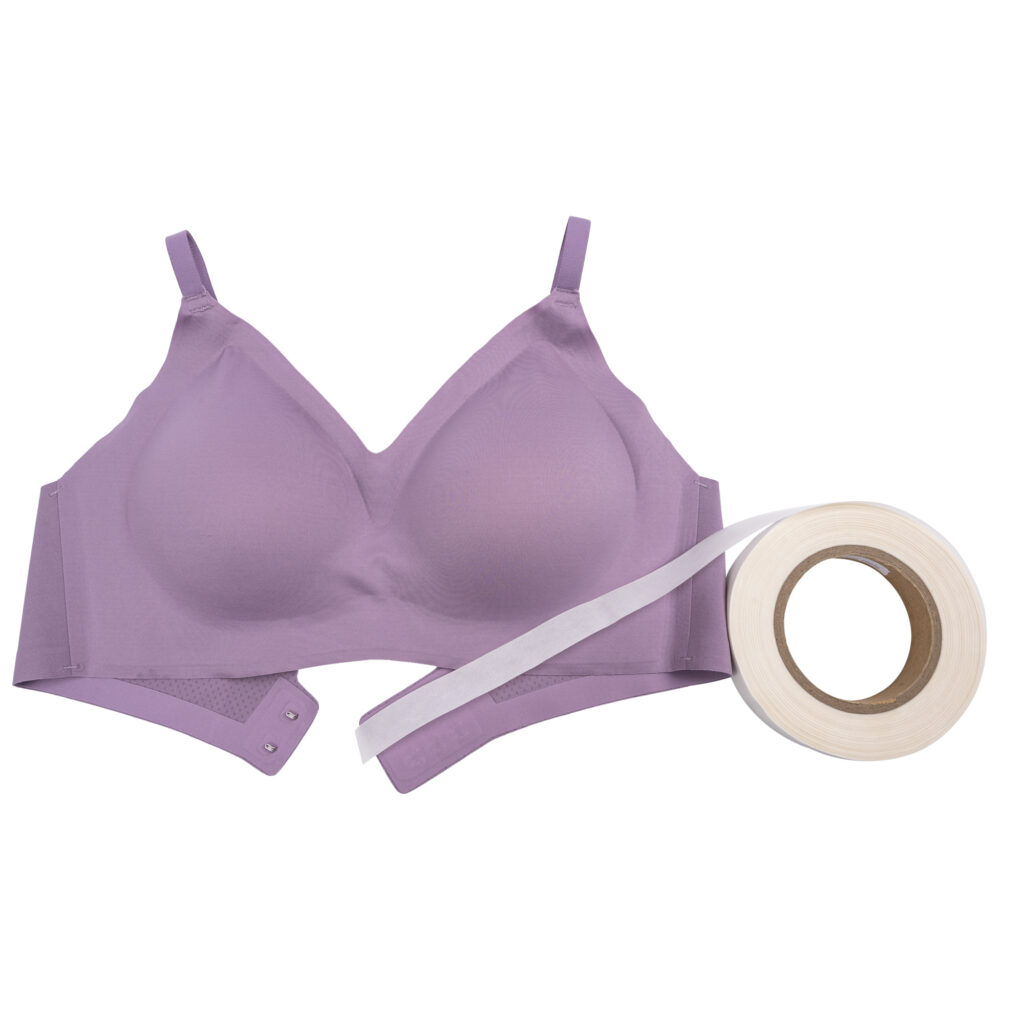
For manufacturers working with multiple substrates, TPE hot melt adhesive film provides an additional bonding solution. It can be used in heat-activated lamination processes where flexible bonding and material compatibility are important considerations.
2. Key Properties of TPE Film
The performance of TPE film depends on its polymer composition, additives, manufacturing process and final formulation. Understanding its main properties helps buyers determine whether a particular film is suitable for their production requirements.
Excellent Flexibility and Elasticity
Flexibility is one of the most important characteristics of TPE film. It can accommodate bending, stretching and repeated movement without immediately losing its functional properties. Depending on the formulation, the film can also provide good elastic recovery after deformation.
This makes flexible TPE film suitable for applications involving curved surfaces, soft materials and products that require continuous movement.
Good Mechanical Strength
TPE film can offer a useful balance of tensile strength, elongation and tear resistance. These properties help the material withstand handling, processing and mechanical stress during manufacturing and use.
The actual performance varies between grades, so buyers should evaluate technical specifications according to the intended application.
Temperature Resistance
Different TPE formulations offer different temperature performance. Some grades are designed to maintain flexibility in relatively cold environments, while others are developed for applications requiring better heat resistance.
Temperature performance should be evaluated based on the material grade and actual service conditions rather than assuming that all TPE films have the same resistance.
Chemical and Weather Resistance
Depending on the polymer structure, TPE materials can provide resistance to moisture, weathering and certain chemicals. These properties make them useful in industrial environments where materials may encounter changing environmental conditions.
However, compatibility with specific oils, solvents and cleaning agents should always be verified before large-scale production.
Recyclability and Processing Efficiency
Many TPE formulations can be reheated and reprocessed using suitable thermoplastic processing methods. This offers manufacturers greater processing flexibility compared with conventional vulcanized rubber.
TPE materials can also be produced through processes such as extrusion and co-extrusion, depending on the material grade and product design.
3. Different Types of TPE Film
TPE film is available in different formulations to meet the requirements of various industries. When selecting a material, buyers should distinguish between the chemical classification of TPE polymers and the functional categories of finished films.
Common TPE polymer families include styrenic block copolymers (TPE-S), thermoplastic polyolefins (TPE-O), thermoplastic vulcanizates (TPE-V), thermoplastic polyurethanes (TPE-U), thermoplastic copolyesters (TPE-E) and thermoplastic polyamides (TPE-A).
For industrial purchasing, functional properties are also important. Depending on the formulation and manufacturing requirements, TPE films can be developed in the following categories:
- High-Temperature Resistant TPE Film: Designed for applications requiring improved heat resistance and stable performance under elevated processing or service temperatures.
- Low-Temperature TPE Film: Developed to maintain flexibility and bonding performance in relatively cold environments.
- High-Elasticity TPE Film: Suitable for applications involving stretching, bending and repeated deformation.
- Flame-Retardant TPE Film: Formulated to meet specific flame-resistance requirements in selected industrial applications.
- Clear TPE Film: Provides transparency for products where appearance, visibility or material presentation is important.
These functional categories may overlap, depending on the formulation. Buyers should communicate their required properties to the manufacturer before selecting a specific grade.
4. High-Temperature and Low-Temperature TPE Film
Temperature performance is an important consideration when choosing TPE film, particularly for applications involving heat pressing, lamination or changing operating environments.
High-temperature TPE film is developed for applications where the material needs to maintain its functional properties under relatively elevated temperatures. Manufacturers may adjust the polymer formulation and additives to improve thermal stability and processing performance.
Low-temperature TPE film focuses on maintaining flexibility and reducing the risk of becoming excessively stiff or brittle in cold conditions. It can be useful for flexible products exposed to seasonal temperature changes or refrigerated environments.
For hot melt adhesive applications, it is also necessary to distinguish between melting point, hot-pressing temperature and service temperature. These are different technical parameters.
For example, Alster’s PHM series TPE hot melt adhesive films have a listed melting point of 75–80°C and a recommended hot-pressing temperature of 100–120°C. These specifications describe the product’s thermal processing characteristics and should not be interpreted as its continuous operating temperature.
Manufacturers should test the selected film under actual production conditions to determine the appropriate processing parameters.
5. Main Applications of TPE Film
The combination of flexibility, elasticity and thermoplastic processability allows TPE film to serve different manufacturing industries.
Textile and Fabric Lamination
TPE adhesive films can be used in textile lamination and fabric bonding processes. They help join different material layers while maintaining the flexibility required for finished textile products.
Potential applications include garments, footwear materials, flexible accessories and laminated fabrics. The appropriate film should be selected according to fabric composition, bonding strength and required hand feel.
Automotive Industry
Automotive manufacturers use flexible polymer materials in various interior and functional components. TPE-based films and adhesive materials can support the bonding or lamination of selected interior substrates.
Potential applications include interior trim, decorative layers, flexible panels and composite materials. Temperature stability, substrate compatibility and long-term durability are important selection factors.
Electronics and Electrical Products
TPE materials are used in selected electrical and electronic applications because certain formulations offer flexibility and useful electrical insulation properties.
Depending on the product design, TPE films may be considered for protective layers, insulation-related components and flexible assemblies. Specific electrical performance must be confirmed through technical testing.
Medical and Healthcare Products
Specially formulated TPE materials can be used in selected medical and healthcare applications, including flexible films and packaging-related products.
However, medical applications require additional verification of biocompatibility, chemical composition, sterilization compatibility and applicable regulatory requirements. Not every general-purpose TPE film is suitable for medical use.
Industrial and Consumer Products
TPE film can also be used in protective materials, flexible components, consumer goods and multi-layer products. Its ability to accommodate different designs and processing requirements makes it useful for manufacturers developing customized products.

6. TPE Film vs Other Flexible Film Materials
When evaluating flexible film materials, buyers often compare TPE with TPU, PVC and conventional rubber-based materials. Each option has different advantages depending on the application.
| Material | Main Characteristics | Typical Considerations |
|---|---|---|
| TPE Film | Flexible, elastic and thermoplastically processable | Versatile formulations and flexible processing |
| TPU Film | Good abrasion resistance, tensile strength and elasticity | Suitable for applications requiring higher mechanical performance |
| PVC Film | Available in different levels of flexibility and hardness | Plasticizer content and environmental requirements need consideration |
| Rubber-Based Materials | Good elasticity and resilience | Conventional formulations may require vulcanization |
TPE and TPU are both thermoplastic elastomer materials, but their mechanical properties and chemical resistance vary by grade. TPU is often selected where abrasion and tear resistance are particularly important, while other TPE formulations may offer advantages in softness, processing or cost.
PVC remains a widely used flexible film material, although buyers may need to consider plasticizer selection and application-specific environmental requirements.
The best material depends on the intended function, production process, budget and required performance. Comparing technical data and testing samples is more reliable than choosing a material based on its name alone.
7. How to Select the Right TPE Film
Choosing the right TPE film requires evaluating both the material’s technical properties and the requirements of the final product.
Identify the Application: Determine whether the film will be used for lamination, bonding, protection, insulation or another purpose. The intended application establishes the basic performance requirements.
Check Material Compatibility: Consider the substrates that need to be bonded or covered. Different plastics, fabrics and composite materials may require different TPE formulations.
Evaluate Temperature Requirements: Check the processing temperature and expected operating environment. For hot melt adhesive films, melting point and hot-pressing temperature are particularly important.
Determine Thickness and Width: Film dimensions influence handling, bonding and production efficiency. Confirm the required thickness and width with the manufacturer, especially when customized rolls are needed.
Consider Functional Properties: Evaluate flexibility, elasticity, transparency, flame retardancy and mechanical strength according to the final product’s requirements.
Test Samples Before Bulk Purchasing: Conduct trial production to evaluate bonding performance, appearance, processing stability and compatibility with existing equipment.
A well-selected TPE film should meet both technical requirements and the practical needs of the manufacturing process.
8. What to Consider When Choosing a TPE Film Supplier
Selecting a reliable supplier is an important step for manufacturers planning long-term production. Beyond comparing prices, B2B buyers should evaluate several factors.
First, check whether the supplier offers different TPE film formulations for specific applications. A supplier with multiple material options can provide more flexibility when production requirements change.
Second, review the available technical specifications, including melting point, processing temperature, thickness and width. Clear product information helps buyers evaluate material suitability before placing orders.
Third, ask whether customized dimensions and formulations are available. Different production lines may require specific film widths, thicknesses or functional characteristics.
Finally, request samples and conduct practical testing before confirming a bulk order. Consistent product quality, clear communication and technical support are also important factors when establishing a long-term supply relationship.
For manufacturers looking for flexible bonding materials, Alster provides several options of TPE hot melt adhesive film, including high-temperature resistant, low-temperature, high-elasticity, flame-retardant and clear film solutions. The PHM65, PHM67, PHM69, PHM70, PHM75 and PHM80 models feature listed melting points of 75–80°C and hot-pressing temperatures of 100–120°C, with customizable width and thickness.
Contact Alster to discuss your application requirements and find suitable TPE film products for your manufacturing process.