
Thermo adhesive film is widely used in modern garment manufacturing to bond fabrics, attach functional components, and create clean, durable connections without relying entirely on traditional sewing methods. As apparel manufacturers seek greater production efficiency, improved garment comfort, and more refined product finishes, thermo adhesive film for bonding has become an important material in sportswear, underwear, activewear, outerwear, and seamless garments.
By applying controlled heat and pressure, thermo adhesive film can create a reliable bond between compatible textile materials. It helps manufacturers reduce bulky seams, improve edge finishing, and integrate different fabrics or functional components into a single garment structure. Selecting the appropriate adhesive film is essential because different fabrics, garment designs, and end-use conditions require different bonding properties.
This article explores how thermo adhesive film works, its applications in clothing production, the factors that influence bonding quality, and how garment manufacturers can select a suitable solution for their production requirements.
What Is Thermo Adhesive Film?
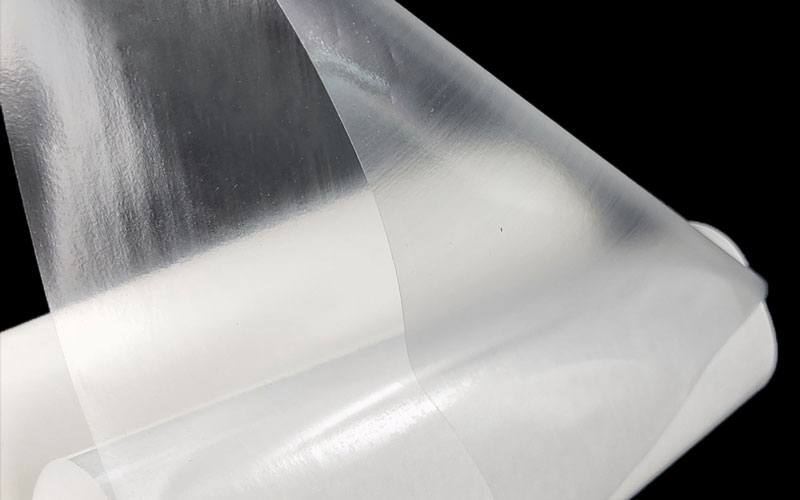
Thermo adhesive film is a heat-activated adhesive material supplied in a thin film form. When exposed to a specified temperature and pressure for an appropriate period, the adhesive softens or melts, wets the target surfaces, and forms a bond as it cools and solidifies.
Unlike conventional liquid adhesives, thermo adhesive film offers a relatively controlled adhesive layer and can help reduce problems associated with liquid application, such as uneven coating, excessive adhesive penetration, and unwanted residue. Its film structure also supports more consistent material placement during automated or semi-automated garment production.
Depending on the formulation, thermo adhesive film can be manufactured from different thermoplastic polymers, including polyurethane (TPU), copolyamide, and copolyester. Each material offers different characteristics in terms of flexibility, adhesion, temperature resistance, and washing durability.
For clothing applications, flexibility and softness are particularly important. The bonded area should maintain the garment’s intended drape and stretch while providing sufficient adhesion during wearing, washing, and repeated deformation.
Key Applications of Thermo Adhesive Film for Bonding in Clothing
Thermo adhesive film supports various garment assembly processes where manufacturers need a clean appearance, reliable attachment, or reduced dependence on conventional stitching.
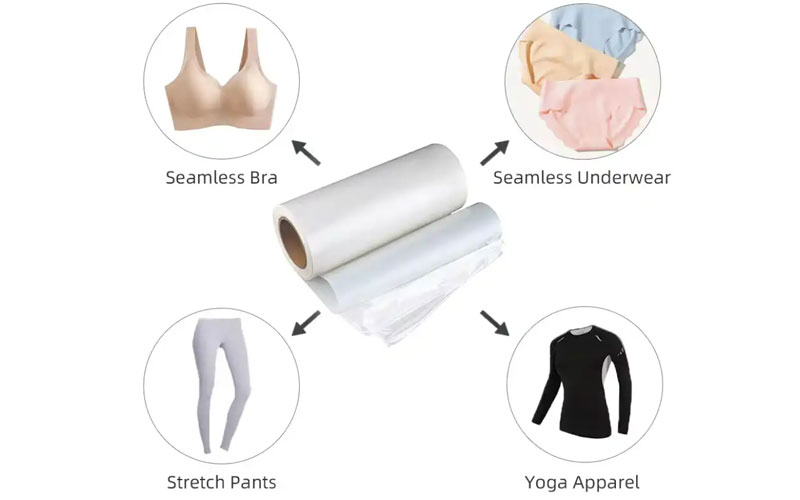
1. Seamless Garment Bonding
Seamless garment production often involves bonding fabric edges or overlapping textile sections to create flatter connections. Thermo adhesive film can help join compatible fabrics while minimizing the thickness associated with traditional stitched seams.
This approach is particularly useful for leggings, yoga pants, sports bras, compression garments, and performance underwear. Reducing seam bulk can improve comfort during movement and help minimize friction against the skin.
The film must be selected according to fabric elasticity and the intended bonding structure. A rigid adhesive layer may restrict stretch, while an unsuitable bonding process may cause the seam to separate during repeated movement.
2. Sportswear and Activewear Assembly
Sportswear requires materials that can withstand stretching, perspiration, frequent washing, and intensive physical activity. Thermo adhesive film can be used to attach panels, reinforce selected areas, and bond functional components in athletic garments.
For example, manufacturers may use adhesive film to join stretch fabrics, secure lightweight overlays, or create smooth transitions between different textile sections. The resulting construction can help maintain a lightweight garment structure without adding unnecessary stitching.
For high-performance applications, manufacturers should evaluate the film’s elasticity, recovery, wash resistance, and compatibility with moisture-management fabrics. These properties help ensure that the bonded areas remain functional throughout the garment’s expected service life.
3. Underwear and Intimate Apparel
Underwear and intimate apparel require soft materials and smooth finishes because these garments remain in direct contact with the skin. Thermo adhesive film can support the bonding of fabric edges, elastic components, and selected decorative or functional elements.
In bras, briefs, and other close-fitting garments, an appropriate adhesive film can help create flatter edges and reduce visible seam lines beneath outer clothing.
However, the adhesive layer should remain sufficiently soft and flexible after cooling. Excessive film thickness or unsuitable bonding conditions can create stiff areas that compromise comfort. Manufacturers should therefore test the bonded construction for softness, elasticity, and repeated-wash performance before mass production.
4. Bonding Labels, Patches, and Decorative Elements
Thermo adhesive film is also useful for attaching labels, logos, patches, and decorative components to garments. Depending on the application, it can provide a clean attachment method without requiring additional sewing.
This is relevant to sportswear branding, fashion apparel, uniforms, and functional clothing. Heat-activated bonding can help position small components accurately and support repeatable production processes.
The correct film depends on the surface properties of both materials. Smooth synthetic fabrics, textured textiles, coated surfaces, and embroidered patches may require different adhesive formulations and application parameters.
5. Functional Outerwear and Garment Reinforcement
In jackets, rainwear, workwear, and other functional garments, thermo adhesive film may be used to attach reinforcement panels, bond compatible textile layers, or support selected seam constructions.
These applications may require additional resistance to moisture, temperature changes, and mechanical stress. Where garments are exposed to demanding environments, manufacturers should verify the adhesive’s performance under conditions representative of actual use.
Thermo adhesive film is not automatically waterproof or suitable for every technical textile. The finished garment’s performance depends on the adhesive formulation, fabric structure, bonding process, and overall construction.
Benefits of Using Thermo Adhesive Film for Bonding
Thermo adhesive film offers several potential advantages for clothing manufacturers when the material is properly matched to the application.
Cleaner garment appearance: Film bonding can produce flat, neat connections with fewer visible stitch lines, supporting the minimalist appearance required by many modern apparel designs.
Improved wearing comfort: Reducing bulky seams may help minimize friction and pressure in close-fitting garments, especially sportswear and underwear.
Consistent adhesive application: A preformed film provides a defined adhesive layer, helping manufacturers control material placement and reduce variation during production.
Compatibility with automated processes: Thermo adhesive film can be integrated into heat-pressing, laminating, and other controlled bonding processes, depending on equipment and garment design.
Flexible construction options: Different film thicknesses, polymer types, and bonding characteristics allow manufacturers to develop solutions for various fabrics and garment structures.
These benefits depend on correct material selection and process control. Adhesive film should be evaluated as part of the complete garment construction rather than as an isolated material.
How to Choose the Right Thermo Adhesive Film for Clothing
Choosing a suitable thermo adhesive film for bonding requires consideration of the fabric, garment function, production equipment, and expected service conditions.
Fabric Compatibility
First, identify the textile materials involved in the bonding process. Polyester, nylon, cotton blends, elastane-containing fabrics, and coated textiles can behave differently under heat and pressure.
Some fabrics may be sensitive to high temperatures, while others have surface treatments that reduce adhesive compatibility. Testing the adhesive against the actual production materials helps identify potential adhesion problems before manufacturing begins.
Adhesive Flexibility and Stretchability
For sportswear, leggings, compression garments, and underwear, the bonded area often needs to stretch with the surrounding fabric. A flexible adhesive film can help maintain garment movement and reduce stress concentration along the bond line.
Manufacturers should evaluate elongation, recovery, and resistance to repeated stretching. The goal is to achieve a balance between sufficient bonding strength and the flexibility required by the garment.
Activation Temperature and Processing Conditions
Each thermo adhesive film has a suitable processing window. Temperature, pressure, and dwell time all influence how effectively the adhesive bonds to the target materials.
Excessive heat can damage sensitive textiles, cause discoloration, or affect elasticity. Insufficient heat or pressure may result in incomplete adhesion. Manufacturers should follow the film supplier’s technical recommendations and validate the settings using their own equipment.
Washing and Durability Requirements
Garments are exposed to different levels of washing, abrasion, perspiration, and mechanical deformation. A film suitable for a decorative label may not meet the requirements of a frequently washed sports garment.
Wash testing, peel testing, and repeated-stretch testing can help assess whether the bonded construction meets the required performance standards.
Common Bonding Problems and How to Prevent Them
Several defects can affect thermo adhesive film applications in garment manufacturing.
Edge lifting: This may result from insufficient bonding temperature, inadequate pressure, contamination, or poor material compatibility. Verify the processing parameters and ensure that fabric surfaces are clean.
Adhesive marks or visible residue: Excessive heat, unsuitable film thickness, or adhesive penetration into the textile can affect appearance. Selecting a suitable film and adjusting pressure and temperature can help reduce these problems.
Bond separation after washing: Inadequate adhesion, unsuitable polymer selection, or poor process control may cause the bond to weaken. Conduct wash and durability tests before approving production.
Reduced fabric stretch: A film that is too rigid or applied over an unsuitable bonding area may restrict movement. Consider more elastic adhesive formulations and optimize the bonded area design.
A systematic testing process allows manufacturers to identify the causes of defects and improve bonding consistency before scaling up production.
Conclusion
Thermo adhesive film for bonding provides garment manufacturers with a versatile solution for creating smooth seams, attaching functional components, and improving the appearance of modern clothing. Its applications range from seamless sportswear and intimate apparel to decorative elements and selected outerwear constructions.
To achieve reliable results, manufacturers should prioritize fabric compatibility, adhesive flexibility, processing conditions, and long-term durability. Working with an experienced thermo adhesive film supplier can also help apparel producers identify suitable materials, optimize bonding parameters, and reduce production defects.
With the right combination of adhesive film and process control, garment manufacturers can develop bonded clothing products that meet requirements for comfort, appearance, production efficiency, and end-use performance.