
Hot melt adhesive film for textile fabric is widely used in modern textile manufacturing because it provides a clean, efficient, and reliable bonding solution without requiring traditional liquid adhesives or complicated sewing processes. From garment production and sportswear manufacturing to footwear, automotive interiors, luggage, and home textiles, this adhesive material helps manufacturers achieve strong fabric bonding, consistent product quality, and improved production efficiency.
As textile products become more diversified, manufacturers increasingly need bonding materials that can meet different requirements for flexibility, washing resistance, temperature resistance, and durability. Hot melt adhesive film offers a practical solution by forming a bonding layer between two materials when heated and pressed. After cooling, the adhesive solidifies and creates a stable connection.
However, selecting the right hot melt adhesive film for textile fabric requires an understanding of adhesive materials, fabric characteristics, application methods, and final product requirements. This guide explains how hot melt adhesive films work, their main advantages, common applications, and important factors to consider when choosing a suitable product.
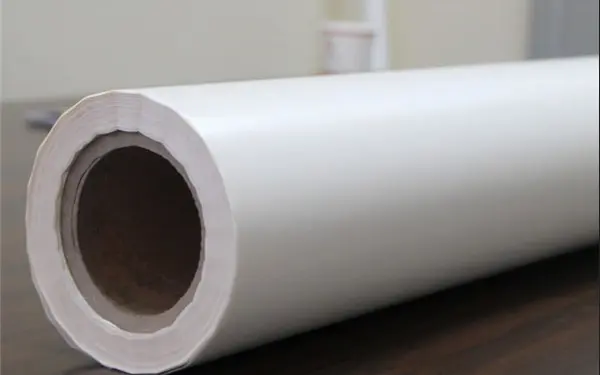
1. What Is Hot Melt Adhesive Film for Textile Fabric?
Hot melt adhesive film for textile fabric is a thermoplastic adhesive material supplied in a thin, solid-film form. Unlike liquid glue, it does not require solvents or water to create a bonding layer. Instead, the film is activated by heat and pressure during the bonding process.
When the adhesive film reaches its specified activation temperature, it softens or melts and becomes capable of flowing into the surface structure of the fabric. Pressure helps the adhesive make contact with the materials being bonded. After cooling, the adhesive solidifies and forms a connection between the textile layers.
Depending on the formulation, hot melt adhesive films can be manufactured using different polymer materials, including:
-
TPU (Thermoplastic Polyurethane): Known for flexibility, elasticity, and good abrasion resistance. It is commonly used in sportswear, footwear, and flexible textile products.
-
PES (Polyester): Provides good adhesion to many synthetic textiles and is frequently used in garment manufacturing and industrial textile applications.
-
PA (Polyamide): Offers good bonding strength and resistance to washing and dry-cleaning conditions when properly formulated.
-
EVA (Ethylene Vinyl Acetate): Provides flexible bonding characteristics and is suitable for selected textile lamination and composite applications.
Each material has different melting characteristics, bonding performance, and environmental resistance. Therefore, the appropriate adhesive should be selected according to the textile substrate and intended application.
2. Key Benefits of Using Hot Melt Adhesive Film for Textile Fabric
The growing use of hot melt adhesive film in textile manufacturing is closely related to its practical production advantages.
2.1 Strong and Consistent Bonding Performance
One important advantage is its ability to create uniform adhesive layers between different textile materials. When the correct film is selected and the application parameters are properly controlled, manufacturers can achieve consistent bonding across large production batches.
This is particularly important for garment components, fabric reinforcement, and laminated textile structures where bonding quality directly affects the finished product.
2.2 Improved Production Efficiency
Traditional fabric bonding methods may involve liquid adhesive preparation, coating, drying, and additional cleaning procedures. Hot melt adhesive film simplifies many of these operations.
Manufacturers can position the film between textile layers, apply heat and pressure, and allow the adhesive to cool. This process can reduce handling steps and support more standardized manufacturing workflows.
2.3 Clean Application Process
Because hot melt adhesive film is supplied in solid form, it avoids many of the handling problems associated with liquid adhesives.
There is no need to manage liquid glue viscosity during normal application, and the film can help reduce adhesive overflow when its thickness, dimensions, and application conditions are properly selected.
This makes it suitable for textile products that require clean surfaces and controlled bonding areas.
2.4 Flexibility and Comfort
For clothing, sportswear, and other wearable products, flexibility is an important consideration.
Certain TPU-based and other flexible adhesive films can maintain good elasticity after bonding. This helps textile components move naturally during wearing and reduces the risk of creating excessively rigid bonding areas.
The final flexibility depends on the adhesive formulation, film thickness, and bonded material combination.
2.5 Potential Washing and Durability Resistance
Textile products are frequently exposed to washing, stretching, friction, and repeated use. A suitable hot melt adhesive film can provide reliable bonding under these conditions.
However, washing resistance is not identical across all adhesive types. Manufacturers should evaluate the adhesive’s resistance to washing temperature, detergents, moisture, and mechanical stress before selecting a material for washable garments.
3. Common Applications of Hot Melt Adhesive Film in Textile Manufacturing
Hot melt adhesive film is used in various textile industries because it can bond different layers without relying entirely on conventional stitching.
3.1 Garment and Apparel Manufacturing
In garment production, hot melt adhesive film is commonly used for bonding collars, cuffs, waistbands, pocket components, and decorative fabric elements.
It can also be used in interlining applications to reinforce specific areas of clothing. By providing controlled adhesion between the outer fabric and supporting material, manufacturers can improve garment shape and structural stability.
For lightweight garments, selecting a thin and flexible adhesive film is particularly important to avoid affecting the original fabric texture.
3.2 Sportswear and Outdoor Clothing
Sportswear often combines different textile materials to achieve breathability, stretch, moisture management, and lightweight construction.
Hot melt adhesive film can be used to bond elastic fabrics, reinforcement panels, logos, reflective components, and functional textile layers.
For outdoor clothing, manufacturers may also need adhesive materials with appropriate resistance to moisture, temperature changes, and repeated deformation.
TPU-based adhesive films are frequently considered for applications where elasticity and flexibility are important.
3.3 Footwear and Textile Accessories
Footwear manufacturing involves bonding different materials, including mesh fabrics, knitted textiles, synthetic leather, and reinforcement components.
Hot melt adhesive film can help connect these layers while maintaining a relatively thin bonding structure. It is also used in selected applications involving shoe uppers, decorative components, and textile reinforcements.
For backpacks, handbags, and other textile accessories, adhesive films can provide additional bonding support around structural areas and decorative elements.
3.4 Automotive Interior Textiles
Automotive interiors require textile materials that can withstand long-term use and changing environmental conditions.
Hot melt adhesive film can be used in selected automotive textile applications, including fabric lamination, interior trim components, acoustic materials, and textile-backed composite structures.
The adhesive must be compatible with the substrate materials and meet the relevant requirements for heat resistance, aging performance, odor, and bonding durability.
3.5 Home Textiles and Decorative Products
Home textile manufacturers also use adhesive films in curtains, upholstery fabrics, decorative panels, and laminated textile products.
For example, adhesive films can bond decorative fabric layers to supporting substrates or connect different materials in composite textile structures.
The main advantage is the ability to create a relatively uniform bonding layer while maintaining the desired appearance and performance of the finished product.
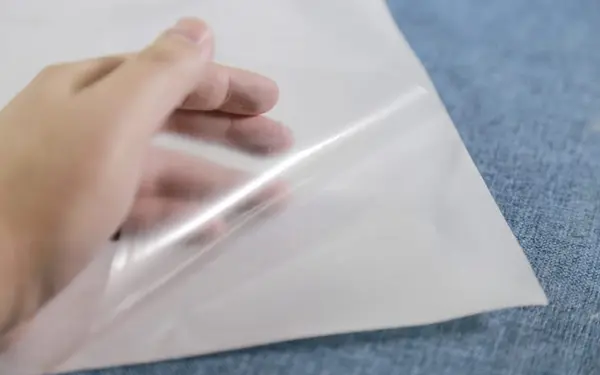
4. How to Choose the Right Hot Melt Adhesive Film for Textile Fabric
Choosing the correct adhesive film is essential for achieving reliable bonding results. Several factors should be evaluated before placing a production order.
4.1 Identify the Fabric Materials
Different textile materials have different surface structures and chemical properties. Polyester, nylon, cotton, spandex, and blended fabrics may require different adhesive formulations.
For example, highly elastic fabrics need an adhesive that can accommodate repeated stretching, while certain synthetic textiles may require a formulation specifically developed for their surface characteristics.
Before selecting a film, identify all materials involved in the bonding process.
4.2 Consider the Required Bonding Strength
Not every textile application requires the same bonding strength.
Decorative elements may need moderate adhesion, while structural components in footwear or automotive interiors may require stronger and more durable bonding.
The adhesive should provide sufficient strength without making the bonded area unnecessarily stiff.
4.3 Check the Activation Temperature
Activation temperature is one of the most important technical parameters.
If the temperature is too low, the adhesive may not melt sufficiently to establish proper contact with the fabric. If the temperature is too high, sensitive textile materials may shrink, discolor, or become damaged.
Manufacturers should select an adhesive film with a suitable processing temperature for their specific fabrics and production equipment.
4.4 Select the Appropriate Film Thickness
Film thickness affects adhesive quantity, bonding performance, flexibility, and the appearance of the finished textile product.
Thin films are often suitable for lightweight garments and applications requiring a soft hand feel. Thicker films may be considered when additional adhesive coverage or stronger bonding support is needed.
The optimal thickness should be determined through practical testing rather than relying on thickness alone.
4.5 Evaluate Washing and Environmental Resistance
For clothing and washable textile products, washing durability is essential.
Manufacturers should consider washing temperature, detergent exposure, drying methods, humidity, and repeated mechanical movement.
For automotive and outdoor applications, additional considerations may include heat aging, moisture resistance, and long-term environmental stability.
5. How to Apply Hot Melt Adhesive Film to Textile Fabric
Although specific processing parameters vary according to adhesive type and textile structure, the general application process involves several steps.
Step 1: Prepare the Fabric
Ensure that the fabric surfaces are clean, dry, and free from oil, dust, and other contaminants. Proper preparation helps improve adhesive contact.
Step 2: Position the Adhesive Film
Cut the film according to the required bonding dimensions and place it between the textile layers. Make sure the film covers the intended bonding area.
Step 3: Apply Heat and Pressure
Use a suitable heat press or textile laminating machine. Adjust the temperature, pressure, and processing time according to the adhesive manufacturer’s technical recommendations.
Step 4: Allow the Adhesive to Cool
After heating and pressing, allow the bonded textile structure to cool sufficiently. The adhesive solidifies during cooling and develops its final bonding characteristics.
Step 5: Inspect Bonding Quality
Check the bonded area for wrinkles, bubbles, incomplete adhesion, adhesive overflow, and other defects. Conduct peel-strength and washing tests when required.
A small-scale trial before mass production is recommended to establish suitable processing conditions.
6. Common Problems When Using Textile Hot Melt Adhesive Film
Even when using a suitable adhesive, incorrect processing conditions can affect the final bonding result.
-
Weak adhesion: This may result from insufficient heating, inadequate pressure, contamination, or an incompatible adhesive formulation.
-
Fabric deformation: Excessive temperature or prolonged heating may damage sensitive textile materials.
-
Bubbles and wrinkles: Uneven pressure, trapped air, or improper film positioning can create surface defects.
-
Poor washing resistance: The adhesive may not be suitable for the intended washing conditions, or the bonding process may be insufficient.
-
Excessive stiffness: An adhesive film that is too thick or rigid can negatively affect fabric flexibility and wearing comfort.
To reduce these problems, manufacturers should evaluate adhesive compatibility and optimize temperature, pressure, and processing time through repeated trials.
7. Conclusion
Hot melt adhesive film for textile fabric provides an efficient and versatile bonding solution for modern textile manufacturing. Its clean application process, consistent bonding performance, and availability in different polymer formulations make it suitable for garments, sportswear, footwear, automotive interiors, and home textile products.
However, successful bonding depends on selecting the correct adhesive chemistry, film thickness, activation temperature, and processing conditions. Different fabrics and end-use environments require different adhesive performance characteristics.
For textile manufacturers, testing the adhesive film with actual production materials is an important step toward achieving reliable bonding quality, improving production efficiency, and maintaining the performance of finished products. By matching adhesive properties with specific manufacturing requirements, businesses can develop more durable and functional textile products.