
In the modern apparel industry, seamless garment technology has become an important manufacturing approach for producing comfortable, lightweight, and functional clothing. Unlike traditional sewing methods, seamless garment production uses heat, pressure, and specialized bonding materials to join fabric components without conventional stitching. This technology is widely applied in sportswear, underwear, shapewear, activewear, and other performance clothing.
A seamless bonding machine plays an essential role in this manufacturing process. It is designed to bond different fabric components using heat and pressure, helping manufacturers create smooth connections without visible stitches. By reducing bulky seams and improving production consistency, this equipment supports the development of modern garments that combine comfort, appearance, and functionality.
Understanding the main functions of a seamless bonding machine can help apparel manufacturers select suitable equipment and improve their production processes.
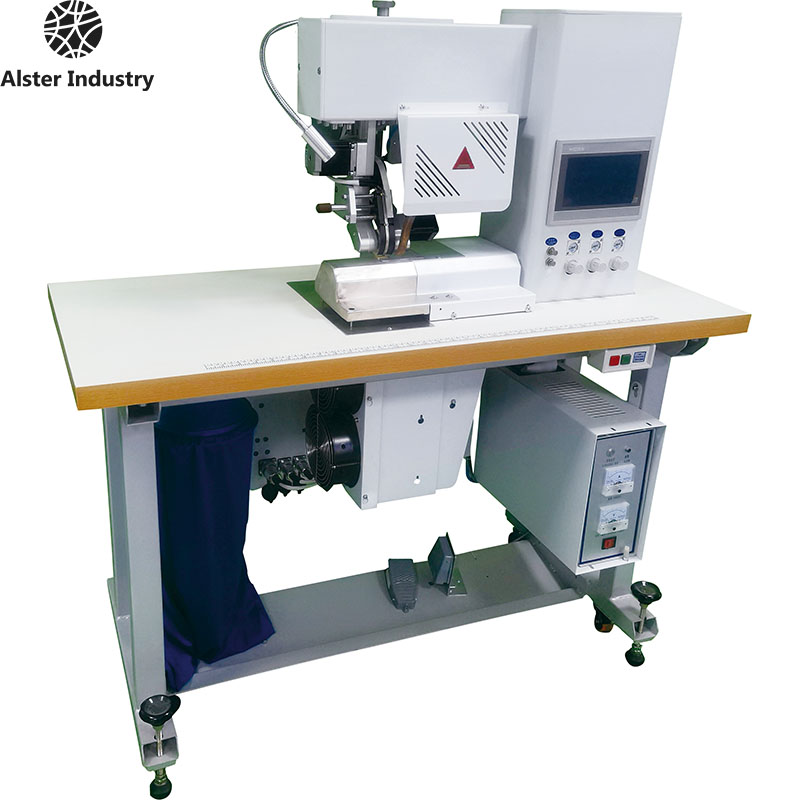
1. Fabric Bonding Without Traditional Stitching
One of the primary functions of a seamless bonding machine is joining fabric materials without relying on conventional sewing threads. Instead of using needles and stitches, the machine applies controlled heat and pressure to activate adhesive films, bonding tapes, or other suitable thermoplastic materials.
During the bonding process, two or more fabric layers are positioned together with an appropriate bonding material. The machine then applies specific temperature, pressure, and processing time to create a stable connection.
This process offers several advantages for garment manufacturing:
- Reduces visible stitching and bulky seam structures.
- Creates smoother contact surfaces against the skin.
- Improves the appearance of finished garments.
- Supports lightweight and flexible garment designs.
- Helps achieve consistent bonding results in repeated production.
This function is particularly valuable for seamless underwear, sports bras, yoga clothing, and compression garments, where comfort and a smooth appearance are important.
2. Heat and Pressure Control
Precise temperature and pressure control are essential functions of a seamless bonding machine. Different fabrics and adhesive materials require different processing conditions. If the temperature is too low, the adhesive may not activate sufficiently. Excessive heat, however, can damage delicate fabrics, cause discoloration, or affect the elasticity of the material.
A professional seamless bonding machine allows operators to adjust important processing parameters according to the production requirements.
These parameters generally include:
- Temperature: Controls the heat applied to activate the bonding material.
- Pressure: Determines how firmly the fabric layers and adhesive are pressed together.
- Bonding time: Controls how long heat and pressure are applied.
- Cooling conditions: Help stabilize the bonded area after the bonding stage, depending on the machine design.
With appropriate parameter settings, manufacturers can achieve more reliable bonding quality while reducing material damage and production defects.
3. Bonding Elastic Fabrics and Stretch Materials
Elasticity is an important requirement in modern seamless apparel. Sportswear, leggings, underwear, and compression clothing often use fabrics containing elastane or other stretch fibers. These materials need to maintain their flexibility after processing.
A seamless bonding machine can be used with compatible elastic fabrics and bonding materials to create connections that accommodate garment movement.
This function is especially useful when manufacturing products that require both structural stability and stretch performance.
For example, in sportswear production, bonded fabric sections must withstand repeated stretching during exercise. In underwear manufacturing, bonded edges need to remain comfortable and flexible during everyday movement.
Choosing compatible adhesives and optimizing temperature, pressure, and bonding time are important for maintaining the original properties of elastic fabrics.
4. Bonding Garment Edges and Hems
Another important application is edge and hem bonding. Traditional garment production often uses folded fabric edges and sewing operations to prevent fraying and create finished hems. However, conventional stitching can produce raised seams that affect comfort and appearance.
A seamless bonding machine can bond folded edges or compatible fabric layers to produce cleaner and flatter garment finishes.
Common applications include:
- Sportswear sleeve openings.
- Leg openings in underwear.
- Waistbands and garment hems.
- Neckline finishing.
- Leggings and yoga pants edges.
- Lightweight activewear components.
Bonded edges can help reduce seam thickness and create a cleaner appearance. For manufacturers producing close-fitting garments, this function can improve the overall wearing experience.
5. Application of Bonding Films and Tapes
Seamless garment production frequently uses specialized adhesive materials, including hot-melt adhesive films, bonding tapes, and thermoplastic polyurethane (TPU) films.
A seamless bonding machine helps apply these materials accurately to designated fabric areas.
Depending on the equipment configuration, it may support different bonding operations, such as attaching adhesive films between fabric layers, applying bonding tapes along garment edges, or reinforcing selected garment sections.
The choice of bonding material depends on fabric composition, elasticity, washing requirements, and the intended application.
For example, TPU-based bonding materials are commonly considered for applications requiring flexibility and durability. However, compatibility testing is necessary because different fabric coatings, finishes, and fiber compositions can affect adhesion performance.
6. Improving Garment Appearance and Wearing Comfort
One major reason apparel manufacturers adopt seamless bonding technology is the demand for garments with smooth surfaces and fewer irritating seams.
Traditional stitching can create raised areas, thread friction, and pressure points, particularly in tight-fitting clothing. Bonded construction can reduce these issues by creating flatter connections between fabric components.
This function is especially relevant to:
- Seamless sports bras.
- Yoga pants and leggings.
- Running and cycling apparel.
- Functional underwear.
- Compression garments.
- Lightweight outdoor clothing.
By reducing seam bulk, manufacturers can develop products with a cleaner appearance and improved comfort. The final result depends on fabric selection, bonding material, machine settings, and garment construction.
7. Supporting Efficient and Consistent Production
In addition to improving garment quality, a seamless bonding machine can help streamline manufacturing operations.
Once suitable processing parameters have been established, operators can repeat the same bonding process across multiple garment components. This helps reduce variations caused by manual stitching and supports more standardized production.
Depending on its automation level and working configuration, the equipment may also help manufacturers:
- Reduce certain traditional sewing operations.
- Improve bonding process consistency.
- Reduce thread consumption in bonded areas.
- Support standardized production procedures.
- Increase manufacturing flexibility for different garment styles.
The actual production efficiency depends on machine speed, working area, operator experience, fabric characteristics, and the complexity of each garment design.
8. Reinforcing High-Stress Garment Areas
Some garment sections experience greater tension and repeated movement than others. Examples include shoulder straps, waistband connections, side panels, and selected structural areas in sportswear.
A seamless bonding machine can be used to apply compatible bonding materials to reinforce these areas and improve the stability of garment construction.
For manufacturers of sports bras, compression clothing, and functional apparel, this capability is particularly useful.
However, bonding strength should be evaluated through appropriate testing, including stretch resistance, washing durability, and repeated-use performance. Not every fabric or garment structure is suitable for adhesive bonding.
Conclusion
A seamless bonding machine is an important piece of equipment for modern seamless garment manufacturing. Its main functions include fabric bonding, temperature and pressure control, elastic material processing, edge finishing, adhesive film application, garment reinforcement, and production consistency improvement.
By replacing selected traditional stitching operations with heat-based bonding processes, manufacturers can create garments with smoother finishes, reduced seam bulk, and improved design flexibility.
For apparel manufacturers planning to expand their seamless clothing production, selecting the right machine requires careful consideration of fabric compatibility, bonding materials, temperature range, pressure adjustment, working dimensions, and production capacity. With suitable equipment and optimized processing conditions, seamless bonding technology can support the development of comfortable, functional, and high-quality garments.