
Seamless garment manufacturing has become an important production method for sportswear, activewear, underwear, compression garments, and functional apparel. By reducing traditional stitching and creating smooth bonded joints, manufacturers can develop lightweight garments with improved comfort, a clean appearance, and fewer bulky seams. However, the quality of the finished product depends heavily on the materials selected for bonding. Choosing the right hot melt adhesive film for seamless garments is essential for achieving reliable adhesion, flexibility, durability, and consistent production results.
For apparel manufacturers, adhesive film selection should not be based on bonding strength alone. Fabric composition, elasticity, garment structure, washing requirements, processing conditions, and production efficiency must all be considered. Understanding these factors helps manufacturers select a suitable bonding solution for different seamless garment applications.
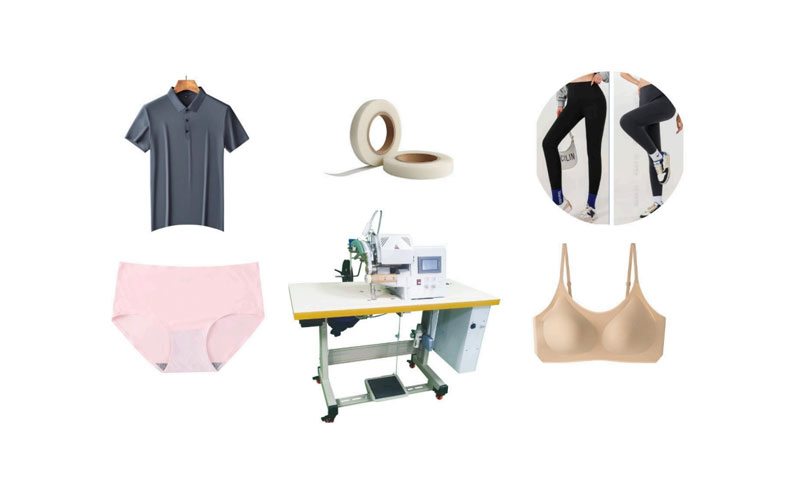
1. Understand the Role of Hot Melt Adhesive Film in Seamless Garments
Hot melt adhesive film is a thermoplastic bonding material that softens when heated and develops adhesion as it cools. Depending on its formulation, it can bond different textile surfaces without requiring conventional liquid adhesives or extensive stitching.
In seamless garment production, adhesive films can be used to join fabric panels, secure folded edges, attach elastic components, reinforce stress areas, and bond decorative or functional elements. They are particularly useful when manufacturers want to reduce seam thickness and improve the appearance of garment edges.
Compared with traditional sewing, adhesive bonding can help create flatter joints and support the development of streamlined garment designs. It can also reduce needle-related fabric damage in applications where punctures may affect the appearance, elasticity, or functional performance of the material.
Nevertheless, adhesive film is not a universal replacement for sewing. The appropriate joining method depends on the garment’s intended use, structural requirements, fabric characteristics, and production process.
2. Identify the Fabric Materials Before Selecting an Adhesive Film
Fabric compatibility is one of the most important considerations when choosing a hot melt adhesive film for seamless garments. Different textile materials have different surface characteristics, heat resistance, elasticity, and affinity for adhesives.
Polyester and Polyester Blends
Polyester is widely used in sportswear, yoga clothing, running apparel, and functional underwear. It offers good dimensional stability and is commonly combined with elastane to provide stretch.
For polyester fabrics, manufacturers should evaluate whether the adhesive film can establish sufficient interfacial adhesion without causing discoloration, surface distortion, or excessive stiffness. The fabric’s finishing agents and surface treatments may also influence bonding performance.
Nylon and Polyamide Fabrics
Nylon fabrics are frequently used in activewear, compression garments, swimwear, and lightweight functional apparel. They may offer softness, abrasion resistance, and flexibility, but their bonding behavior can differ from that of polyester.
An adhesive film suitable for one nylon fabric may not perform equally well on another because of differences in fabric construction, dyes, finishes, and surface treatments. Testing should therefore be conducted using the actual production material rather than relying solely on the generic fiber name.
Stretch Fabrics Containing Elastane
Elastane-containing fabrics are common in leggings, sports bras, compression wear, and fitted underwear. These garments must stretch during movement and recover their original shape without damaging the bonded areas.
The adhesive layer should accommodate the expected deformation of the fabric. An excessively rigid bond may restrict movement, create uncomfortable edges, or cause separation when the garment is repeatedly stretched.
Manufacturers should test bonded samples under realistic extension and recovery conditions to determine whether the film maintains adhesion without significantly reducing fabric flexibility.
3. Match Adhesive Film Properties to Garment Requirements
Different seamless garment applications require different combinations of adhesion, softness, elasticity, and resistance to environmental conditions.
Bonding Strength
Bonding strength determines how effectively the adhesive holds textile components together. However, maximum strength is not always the most appropriate target. An adhesive that creates a very rigid bond may compromise garment comfort or interfere with stretch.
The objective is to achieve sufficient and consistent adhesion for the intended garment structure while preserving the required flexibility.
Flexibility and Elastic Recovery
Sportswear and compression garments experience repeated stretching during wear. The adhesive film should work with the textile structure instead of creating a hard, inflexible area.
Evaluate the bonded joint during stretching, bending, and repeated movement. Pay particular attention to narrow edges, curved panels, and high-stress areas where local deformation may be greater.
Softness and Thin Bond Lines
Seamless apparel is often designed to reduce friction and pressure against the skin. A thick or stiff adhesive layer may create noticeable ridges and reduce the comfort advantages of bonded construction.
Film thickness, adhesive distribution, and bonding pressure should therefore be considered together. A thinner film may help create a low-profile joint, but only if it provides adequate coverage and bonding performance for the selected fabric.
Washing and Heat Resistance
Garments are exposed to repeated laundering, body heat, moisture, and sometimes elevated temperatures during care or use. These conditions may influence adhesive performance over time.
Manufacturers should verify wash durability and thermal stability under the care conditions specified for the finished garment. The appropriate test temperature, detergent, washing cycle, and number of cycles should reflect the product’s actual requirements.
4. Select the Right Film Thickness and Width
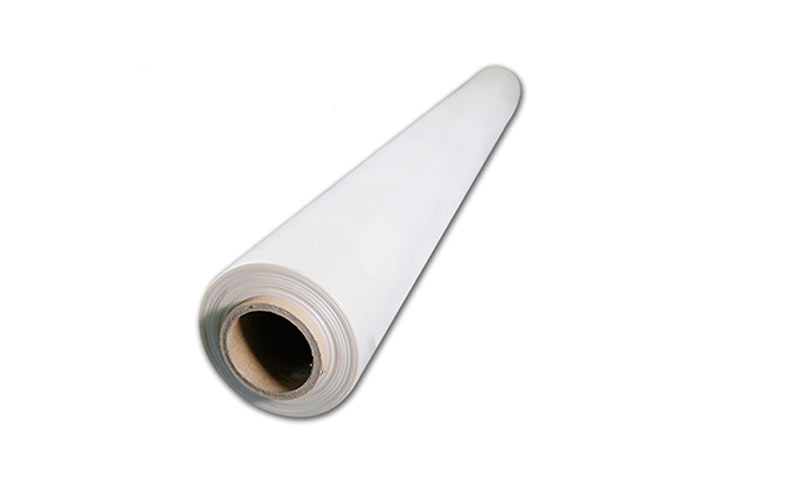
Adhesive film dimensions influence material consumption, seam appearance, and production consistency.
A film that is too narrow may fail to cover the intended bonding area, increasing the risk of edge lifting or localized separation. An excessively wide film may extend beyond the joint, create visible adhesive marks, or increase material costs.
Thickness also requires careful evaluation. Thicker films may provide more adhesive material for certain joint structures, but they can increase seam bulk. Thinner films may be suitable for lightweight apparel, although their performance depends on the substrate, adhesive chemistry, and bonding conditions.
For narrow garment edges, elastic attachments, and precision bonding, manufacturers should confirm the film dimensions against the joint design and cutting tolerance. Consistent film thickness and width can also help improve repeatability during automated or semi-automated production.
5. Optimize Temperature, Pressure, and Bonding Time
Even a well-selected adhesive film may fail when the bonding process is poorly controlled. Heat, pressure, and dwell time influence adhesive activation, wetting, and contact with the textile surface.
Temperature
The bonding temperature must be high enough to activate the adhesive but suitable for the fabric and its finishes. Excessive heat may cause shrinkage, discoloration, deformation, or damage to elastic fibers.
Manufacturers should follow the adhesive supplier’s recommended processing window and confirm the actual temperature at the bonding interface whenever possible. Machine display settings do not always represent the precise temperature experienced by the material.
Pressure
Appropriate pressure helps the softened adhesive contact the fabric surface and establish a consistent bond. Insufficient pressure can produce incomplete contact, while excessive pressure may distort the textile structure or force adhesive beyond the intended bonding area.
Pressure should be adjusted according to the film, fabric thickness, equipment, and joint geometry.
Dwell Time
Dwell time determines how long the materials remain under the specified bonding conditions. A short cycle may not provide enough time for adequate adhesive activation. An unnecessarily long cycle can increase production time and expose sensitive fabrics to excessive heat.
A structured trial should vary one parameter at a time where practical, allowing manufacturers to identify a stable process window rather than relying on trial and error.
6. Consider the End Use of the Seamless Garment
The final application determines which adhesive properties deserve the highest priority.
For yoga wear and running apparel, flexibility, low seam bulk, and resistance to repeated movement may be particularly important. For compression garments, bonded joints must tolerate sustained fabric tension without restricting the intended fit.
For seamless underwear, softness and skin comfort are essential considerations. For swimwear, manufacturers should assess exposure to water, detergents, and any relevant pool or saltwater conditions. For protective or functional garments, additional requirements may include temperature exposure, dimensional stability, or resistance to specific environmental conditions.
These differences make it important to evaluate adhesive film in the context of the complete garment rather than as an isolated raw material.
7. Conduct Practical Testing Before Mass Production
Laboratory testing and pilot production help identify potential bonding problems before large quantities of garments are manufactured.
Useful evaluations include peel-strength testing, repeated stretching, laundering, visual inspection, and assessment of seam flexibility. Depending on the application, manufacturers may also need to examine dimensional changes, edge lifting, adhesive residue, and comfort against the skin.
Testing should include representative fabric colors, thicknesses, finishes, and production batches. A film that performs well on a plain laboratory swatch may behave differently on a finished textile containing dyes, coatings, or moisture-management treatments.
Documenting the bonding temperature, pressure, dwell time, cooling conditions, and test results creates a reference for quality control. This information can help production teams identify process variations and reproduce successful bonding conditions.
8. Work with a Reliable Hot Melt Adhesive Film Manufacturer
A capable adhesive film supplier should help apparel manufacturers evaluate material compatibility, processing conditions, and application requirements. Technical support is especially valuable when developing a new garment, changing textile suppliers, or moving from manual trials to automated production.
Before selecting a supplier, clarify the target fabric composition, expected stretch, garment application, washing requirements, equipment type, and desired film dimensions. Request suitable samples and technical documentation, and confirm whether the supplier can support customized specifications when standard products do not meet the application requirements.
Consistent product quality is also important. Variations in film thickness, adhesive distribution, or thermal behavior may affect bonding stability and production efficiency.
Conclusion
Choosing the right hot melt adhesive film for seamless garments requires a balance of adhesion, flexibility, softness, heat resistance, and processing efficiency. Fabric composition, film dimensions, bonding parameters, and garment end use must be evaluated together to achieve reliable results.
For seamless apparel manufacturers, a systematic selection process that combines material compatibility checks, controlled bonding trials, and application-specific durability testing can reduce production risks and improve finished garment quality.
As a hot melt adhesive film manufacturer, providing application-focused recommendations, consistent material specifications, and responsive technical support can help apparel producers develop dependable bonding processes for sportswear, underwear, compression garments, and other seamless textile products.