
Hot melt film has become an important bonding material for manufacturers looking for clean, efficient, and reliable lamination solutions. It is used across industries such as textiles, footwear, automotive interiors, electronics, medical products, filtration, packaging, and composite manufacturing. Unlike traditional liquid adhesives, hot melt film provides a solid adhesive layer that can be activated by heat and bonded without adding liquid solvents or creating messy application processes.
However, choosing the right hot melt film supplier involves more than comparing prices. Different hot melt films have different polymer compositions, activation temperatures, bonding strengths, flexibility, chemical resistance, and application requirements. A suitable supplier should therefore be able to provide consistent product quality, technical support, customization options, and dependable delivery.
This guide explains the key factors to consider when selecting a hot melt film supplier and how to evaluate products for different industrial applications.
What Is Hot Melt Film?
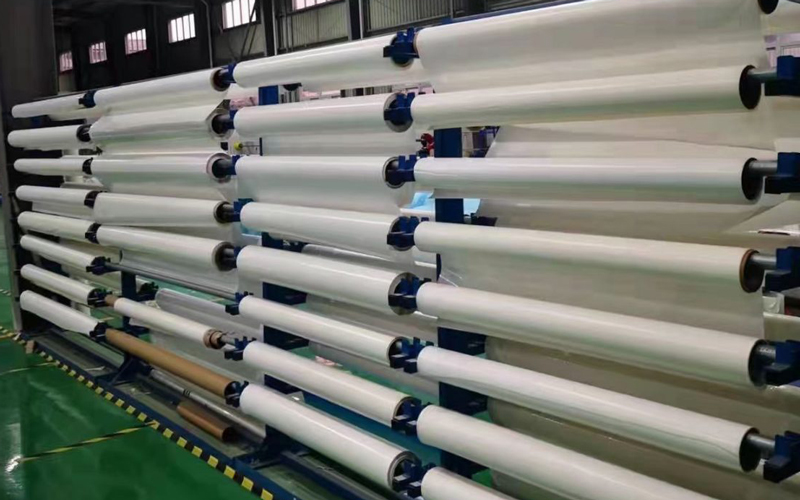
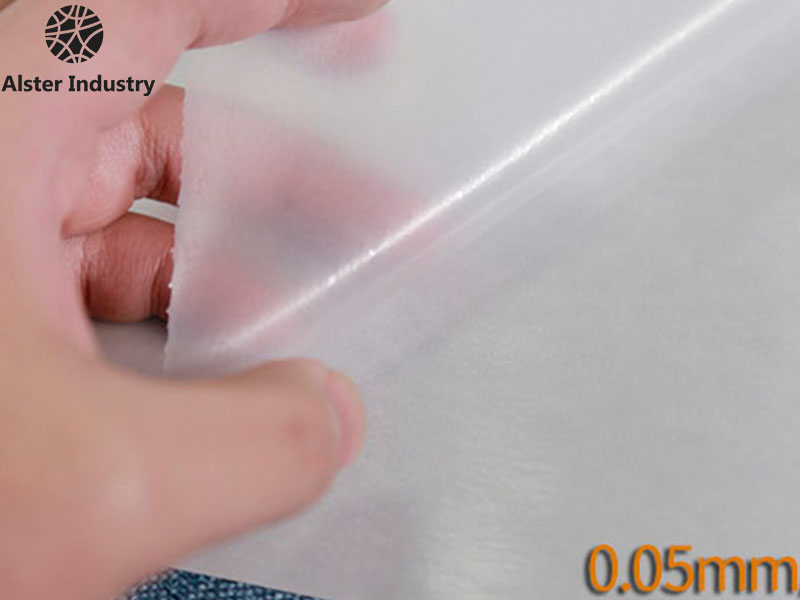
Hot melt film is a thermoplastic adhesive material manufactured into a thin, uniform film. It remains solid under normal conditions and softens or melts when exposed to an appropriate temperature. Once activated, the adhesive flows into the surfaces being joined and forms a strong bond after cooling.
Hot melt adhesive films are commonly produced from different polymer systems, including:
- TPU
- EVA
- PES
- PA
- PO
- Other specialty thermoplastic adhesive formulations
Each material offers different performance characteristics. TPU-based films, for example, can provide excellent flexibility and elasticity, while PA and PES films can be selected when higher temperature resistance or specific chemical performance is required.
Because the film is supplied in a controlled thickness, manufacturers can achieve more consistent adhesive application than with many conventional liquid adhesives.
Why Work With a Professional Hot Melt Film Supplier?
The performance of a bonded product depends heavily on the quality and consistency of the adhesive film. A professional supplier can help manufacturers select the right material instead of simply providing a standard film.
Consistent Film Thickness
Uniform thickness is important for reliable bonding. If the film thickness varies significantly, the amount of adhesive available at different areas of the product can change, potentially affecting bond strength and appearance.
A reliable supplier should have appropriate production and quality-control procedures to maintain consistent film thickness across the roll.
Stable Adhesive Performance
Industrial manufacturers often need thousands or even millions of bonded components. Small variations in adhesive performance can create significant production problems.
A qualified supplier should maintain stable characteristics such as:
- Melting behavior
- Bond strength
- Film thickness
- Flexibility
- Surface appearance
- Adhesion performance
- Processing temperature
Stable production helps manufacturers maintain consistent finished-product quality.
Technical Support
Different substrates require different adhesive solutions. A film that works well on fabric may not provide the same results on plastic, metal, foam, leather, or composite materials.
An experienced supplier can help evaluate:
- Substrate materials
- Required bonding strength
- Activation temperature
- Pressing time
- Pressure requirements
- Flexibility requirements
- Environmental conditions
- Desired film thickness
Technical support can reduce trial-and-error during product development.
Common Types of Hot Melt Adhesive Films
Selecting the right polymer is one of the most important decisions when purchasing hot melt adhesive film.
TPU Hot Melt Film
TPU hot melt film is widely used when flexibility, elasticity, and good adhesion are important. It can be suitable for textiles, footwear, automotive materials, protective products, and flexible composites.
Its advantages may include:
- Good flexibility
- Strong adhesion
- Good elasticity
- Soft hand feel
- Good resistance to repeated flexing
TPU films are available in different hardness levels and performance grades, allowing manufacturers to select products according to their application.
PES Hot Melt Film
PES hot melt film is often selected for applications requiring good heat resistance, chemical resistance, and durable bonding performance.
It can be used in:
- Textiles
- Automotive components
- Industrial fabrics
- Electronics-related applications
- Composite materials
The appropriate PES formulation should be selected according to the required processing temperature and final performance.
PA Hot Melt Film
PA hot melt film can provide strong bonding and good resistance to certain chemicals and elevated temperatures. It is commonly considered for demanding industrial applications where mechanical durability is important.
Depending on the formulation, PA film may be available in different activation temperatures and thicknesses.
EVA Hot Melt Film
EVA-based adhesive films are valued for their relatively easy processing and broad application range. They can be used for textile bonding, packaging-related applications, lamination, and various general-purpose bonding processes.
EVA can be a practical choice when the application does not require the specialized performance of higher-performance adhesive polymers.
PO Hot Melt Film
Polyolefin-based hot melt films can offer useful moisture resistance and adhesion to selected substrates. They may be considered for automotive, textile, composite, and industrial applications.
The exact performance depends on the formulation and the surfaces being bonded.
Applications of Hot Melt Film
A major advantage of hot melt film is its versatility. Different formulations can be developed for different industries.
Textile Lamination
Hot melt film is widely used to laminate textiles and other flexible materials. It can help manufacturers create multi-layer structures without applying liquid adhesive directly to the fabric.
Typical applications include:
- Garment interlinings
- Protective clothing
- Sportswear
- Outdoor fabrics
- Functional textiles
- Textile composites
The adhesive film can provide a clean bonding layer while maintaining the flexibility of the finished textile.
Footwear Manufacturing
In footwear production, adhesive film can be used to bond fabrics, synthetic materials, foam, leather-like materials, and other components.
Flexibility is particularly important because footwear components are exposed to repeated bending and mechanical stress during use.
Automotive Interiors
Hot melt adhesive films can be used in automotive interior manufacturing for bonding fabrics, foam, decorative materials, insulation layers, and other components.
Automotive applications may require specific resistance to temperature fluctuations, humidity, vibration, and aging. Therefore, the adhesive must be selected according to the vehicle component and operating environment.
Electronics
Certain hot melt films can be used for bonding and laminating components in electronics and electrical products. Applications may require precise thickness control, controlled activation temperatures, insulation properties, or strong adhesion to specific substrates.
For electronics applications, manufacturers should work closely with the supplier to confirm the film’s electrical and thermal characteristics.
Medical Products
Specialized adhesive films can be used in selected medical and healthcare products where controlled bonding and clean processing are required.
Depending on the product, requirements may include skin compatibility, flexibility, sterilization resistance, and reliable adhesion. Medical applications require careful material selection and appropriate compliance documentation.
Composite Materials
Hot melt films can also act as bonding layers in composite manufacturing. They may be used to join different layers while maintaining a controlled adhesive distribution.
This can be useful in industries where lightweight and multi-layer structures are important.
How to Choose the Right Hot Melt Film
Before contacting a supplier, manufacturers should clearly define the application requirements.
1. Identify the Substrate
Start by determining exactly what materials need to be bonded.
For example, the bonding requirements for:
- Fabric to fabric
- Fabric to foam
- Plastic to textile
- Metal to fabric
- Film to composite
can be significantly different.
A supplier should recommend the adhesive according to the surface chemistry and structure of the substrates.
2. Determine the Activation Temperature
Different hot melt films require different activation temperatures.
A lower-temperature film may be useful for heat-sensitive materials, while a higher-temperature adhesive may be preferred for applications exposed to elevated temperatures.
The activation temperature should also fit the capabilities of the existing production equipment.
3. Select the Appropriate Thickness
Hot melt films can be produced in different thicknesses. The correct thickness depends on the substrate surface, required bond strength, production process, and desired final appearance.
Thicker film does not automatically mean stronger bonding. In many applications, the correct polymer and processing conditions are more important than simply increasing adhesive thickness.
4. Consider Flexibility
If the final product will bend, stretch, fold, or experience repeated movement, flexibility becomes an important consideration.
For flexible applications, a rigid adhesive may crack or negatively affect the finished product. More elastic adhesive systems may be better suited to applications involving continuous movement.
5. Evaluate Environmental Resistance
Consider the conditions the bonded product will encounter during use.
Important factors may include:
- Moisture
- Heat
- Cold
- Chemicals
- UV exposure
- Repeated washing
- Mechanical stress
- Long-term aging
A professional supplier should be able to provide relevant test data or technical documentation for the selected film.
What to Ask a Hot Melt Film Supplier
Before placing a large order, it is useful to ask the supplier several technical and commercial questions.
Product Questions
Ask about:
- Polymer type
- Available thicknesses
- Film width
- Activation temperature
- Melting range
- Bond strength
- Flexibility
- Color options
- Surface characteristics
- Roll length
Quality Questions
You should also understand how the supplier controls production quality.
Important questions include:
- How is film thickness controlled?
- What testing is performed on each production batch?
- Can the supplier provide technical data sheets?
- Are samples available?
- Can batch-to-batch consistency be guaranteed?
- What quality standards are followed?
These questions help determine whether the supplier can support long-term industrial production rather than only small sample orders.
Customization Options
A major advantage of working directly with an experienced manufacturer or specialized supplier is the possibility of customization.
Depending on production capabilities, hot melt film may be customized in areas such as:
- Thickness
- Width
- Roll length
- Polymer formulation
- Activation temperature
- Color
- Release liner
- Packaging
- Surface characteristics
Custom specifications can be especially valuable for manufacturers with automated production lines or specialized bonding equipment.
For example, a customer may require a narrow film width to fit a specific lamination machine. Another manufacturer may need a particular activation temperature because the substrate cannot withstand excessive heat.
Conclusion
Choosing the right hot melt film supplier requires careful consideration of material type, substrate compatibility, activation temperature, thickness, flexibility, environmental resistance, customization capabilities, and quality consistency.
TPU, PES, PA, EVA, and PO films each offer different performance characteristics, so there is no single adhesive film suitable for every application. Manufacturers should first identify their bonding requirements and then work with a supplier capable of providing appropriate samples, technical documentation, and application support.
For long-term industrial purchasing, the best supplier is not necessarily the one offering the lowest initial price. A supplier that combines stable quality, consistent specifications, customization capabilities, technical expertise, and dependable delivery can provide much greater value over the entire production cycle.
By evaluating both the product and the supplier carefully, manufacturers can select a hot melt adhesive film that provides reliable bonding performance while improving production efficiency and supporting consistent finished-product quality.