When searching for reliable hot melt adhesive film suppliers, manufacturers need to consider more than product prices. Adhesive film quality, bonding performance, material compatibility, production capacity, and technical support all influence the efficiency and reliability of the final manufacturing process. Choosing an experienced supplier is particularly important for businesses that use heat bonding technology in garment manufacturing, footwear production, textile processing, automotive interiors, and other industrial applications.
China has become an important sourcing destination for hot melt adhesive films, offering a wide range of material options, customized specifications, and manufacturing capabilities. However, different suppliers may specialize in different adhesive technologies and application fields. Understanding how these products work and what to evaluate when selecting a manufacturer can help buyers make more informed purchasing decisions.
This article explores the main considerations when working with hot melt adhesive film suppliers in China, including product types, applications, quality standards, customization, and supplier selection.
1. Understanding Hot Melt Adhesive Film
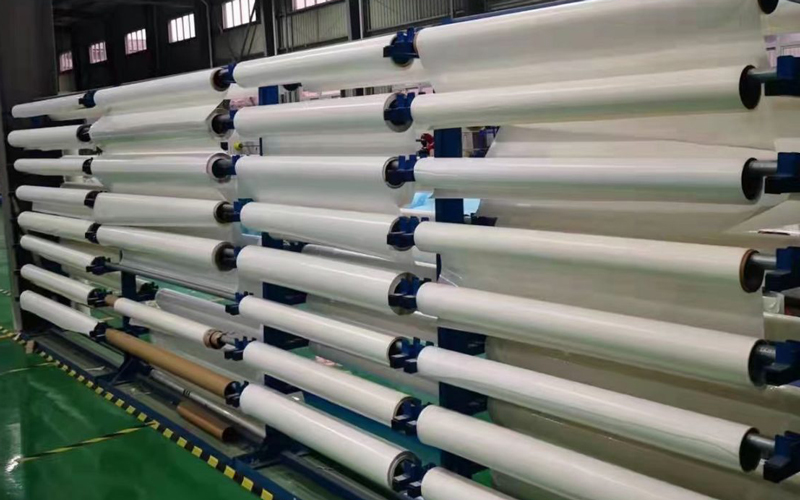
Hot melt adhesive film is a solid adhesive material designed to bond two or more surfaces through heat and pressure. Unlike traditional liquid adhesives, it does not normally require solvents or additional liquid application equipment. The film is placed between the materials, heated until the adhesive softens or melts, and then pressed to create a bonding layer.
After cooling, the adhesive solidifies and forms a stable connection between the bonded surfaces. This process makes hot melt adhesive film suitable for automated and semi-automated production lines where consistent bonding and clean processing are important.
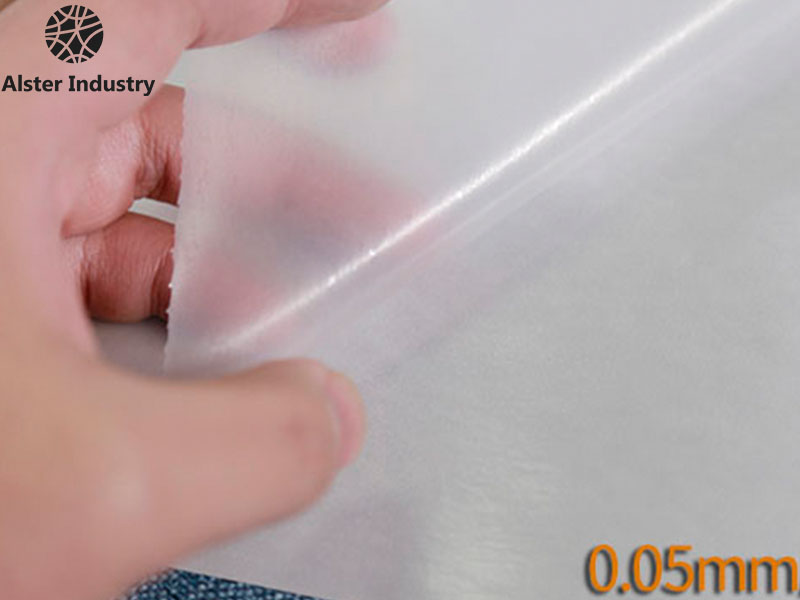
The product is available in different thicknesses, widths, melting temperature ranges, and adhesive formulations. Its performance depends on the polymer composition, processing conditions, and characteristics of the materials being bonded.
For manufacturers, selecting the correct adhesive film is essential because different applications require different levels of flexibility, washing resistance, heat resistance, and bonding strength.
2. Common Types of Hot Melt Adhesive Films
Professional hot melt adhesive film suppliers in China generally provide several material options to meet different industrial requirements.
TPU adhesive film is known for its flexibility, elasticity, and resistance to repeated bending. It is commonly used in garment manufacturing, sportswear, footwear, and textile lamination. Its flexible bonding properties make it suitable for products that need to maintain comfort and movement after bonding.
PES Hot Melt Adhesive Film
PES adhesive film offers good adhesion to various synthetic materials and is often selected for applications requiring relatively strong bonding and thermal stability. It can be used in textile processing, automotive components, and industrial fabric lamination.
Polyamide adhesive film is suitable for applications where strong bonding and relatively good heat resistance are required. Depending on the formulation, it can be used for bonding textiles, leather, synthetic fabrics, and selected industrial materials.
Polyolefin adhesive film is used in applications requiring compatibility with certain plastic materials and other substrates. Its bonding characteristics depend on the specific formulation and the surfaces being joined.
Each type has different processing temperatures, adhesion properties, and application limitations. Buyers should communicate their material combinations and production requirements before selecting a suitable product.
3. Main Applications in Different Industries
The demand for hot melt adhesive film continues to grow because manufacturers are looking for cleaner, more efficient, and more consistent bonding solutions.
Garment and Textile Manufacturing
In the clothing industry, adhesive films are widely used for seamless bonding, fabric lamination, pocket attachment, decorative elements, and reinforcement. They can help reduce traditional sewing operations in selected garment structures while maintaining a smooth appearance.
For seamless clothing, flexibility and wash resistance are particularly important. The adhesive layer must withstand stretching, repeated washing, and daily wear without becoming brittle or separating from the fabric.
Footwear Production
Footwear manufacturers use adhesive films to bond different textile layers, synthetic materials, and selected structural components. Consistent bonding helps improve product appearance and production efficiency.
Automotive Interiors
In automotive manufacturing, adhesive films can be used for bonding interior fabrics, foam materials, decorative textiles, and other compatible components. Heat resistance, durability, and long-term bonding stability are important considerations in this sector.
Home Textiles
Curtains, upholstery fabrics, decorative textiles, and other household products may also use hot melt adhesive films for lamination and component bonding. The appropriate film depends on the fabric structure, required flexibility, and expected service conditions.
4. Why Source from Hot Melt Adhesive Film Suppliers in China?
China offers several advantages for international buyers looking for adhesive film manufacturers.
First, Chinese manufacturers provide a broad selection of adhesive materials and product specifications. Buyers can compare different polymer formulations, thicknesses, widths, and bonding characteristics according to their production requirements.
Second, many factories offer customized production. Instead of purchasing only standard products, customers may be able to request specific dimensions, adhesive performance, release liner options, and packaging arrangements.
Third, China’s established textile, footwear, garment, and industrial manufacturing supply chains create opportunities for cooperation between adhesive material manufacturers and downstream factories. This industrial environment supports product development and practical application testing.
Cost competitiveness is another consideration. However, buyers should evaluate the total value of a product rather than focusing exclusively on its unit price. A low-cost adhesive film that causes bonding failures, production interruptions, or customer complaints may ultimately increase manufacturing expenses.
5. Important Factors When Choosing a Supplier
Not all hot melt adhesive film suppliers offer the same level of technical capability or product consistency. Before placing an order, buyers should evaluate several important factors.
Manufacturing Experience
Look for suppliers with experience in the relevant adhesive film category. A manufacturer familiar with garment bonding may understand fabric compatibility and washing requirements better than a supplier focused exclusively on industrial applications.
Product Specifications
Ask for detailed technical information, including thickness, width, melting point or activation temperature, recommended pressing conditions, and applicable substrate materials. These specifications help determine whether the product is suitable for your production process.
Quality Control
Consistent thickness, uniform adhesive distribution, stable bonding performance, and reliable product packaging are important quality indicators. Buyers should ask about incoming material inspection, production monitoring, and finished-product testing procedures.
Sample Availability
Requesting samples before mass production is a practical way to evaluate product performance. Testing should reflect actual manufacturing conditions rather than relying only on laboratory descriptions.
Customization Capability
If your production process requires non-standard dimensions or specific bonding properties, confirm whether the supplier can accommodate customized requirements. Communication about technical details should take place before production begins.
Communication and Export Experience
For international buyers, clear communication, accurate documentation, reasonable lead times, and reliable export arrangements can make cooperation more efficient.
6. How to Test Hot Melt Adhesive Film Before Bulk Purchasing
Before confirming a large order, buyers should conduct practical bonding tests to verify that the selected adhesive film meets their production requirements.
The following tests are particularly useful:
- Peel Strength Test: Evaluate how firmly the adhesive film connects two materials and whether the bonded surfaces separate under stress.
- Washing Resistance Test: For garment and textile applications, check whether bonding remains stable after repeated washing.
- Heat Resistance Test: Determine whether the adhesive maintains its bonding performance under the temperatures expected during product use.
- Flexibility Test: Check whether the bonded material can bend, stretch, and recover without cracking or delamination.
- Appearance Inspection: Observe whether the adhesive causes visible marks, discoloration, bubbling, or excessive stiffness.
It is also important to test different combinations of temperature, pressure, and pressing time. Even a suitable adhesive film may produce unsatisfactory results if the processing parameters are not properly adjusted.
A professional supplier should be able to provide technical recommendations and assist customers in identifying appropriate processing conditions.
7. Customization and OEM Services from Chinese Suppliers
For manufacturers with specific production requirements, customized adhesive film solutions can provide greater flexibility.
Depending on production capabilities, hot melt adhesive film suppliers may offer customization in several areas:
-
Film thickness and width according to equipment requirements.
-
Different adhesive formulations for specific materials.
-
Customized melting and activation temperature ranges.
-
Roll lengths and packaging specifications.
-
Release paper or protective liner options.
-
Special bonding performance for particular industrial applications.
OEM cooperation is also an option for companies that need consistent product specifications for long-term manufacturing projects.
When discussing customization, buyers should provide detailed information about the substrates, bonding equipment, operating temperatures, and expected performance. Providing fabric samples or material photographs can also help suppliers understand the actual application.
For example, manufacturers producing seamless underwear have different requirements from companies bonding automotive interior materials. The former may prioritize softness, elasticity, and washing resistance, while the latter may place greater emphasis on heat aging and long-term bonding stability.
8. Working with a Reliable Hot Melt Adhesive Film Manufacturer
Finding a supplier is only the first step in establishing a successful sourcing relationship. Long-term cooperation also depends on product consistency, technical communication, delivery arrangements, and after-sales support.
When evaluating potential partners, buyers can review company manufacturing information, product documentation, sample quality, and previous export experience.
It is also helpful to discuss minimum order quantities, production lead times, payment conditions, and shipping arrangements before confirming an order.
Some manufacturers, including Alster, provide hot melt adhesive film solutions for different industrial bonding applications. Buyers should compare available product specifications and request samples to determine whether a particular solution matches their manufacturing requirements.
Rather than selecting a supplier based solely on an attractive quotation, businesses should consider whether the manufacturer can maintain stable quality and support future production needs.
Conclusion
China offers international buyers a wide range of sourcing opportunities for hot melt adhesive films. From TPU films for seamless garments to PES, PA, and PO solutions for different industrial applications, manufacturers can find materials designed for various bonding requirements.
However, selecting the right product requires careful consideration of substrate compatibility, bonding strength, flexibility, temperature resistance, and processing conditions.
By evaluating manufacturing capabilities, requesting samples, conducting practical tests, and maintaining clear technical communication, buyers can identify suitable hot melt adhesive film suppliers in China and establish reliable long-term business relationships.
The most effective sourcing decision is not necessarily the one with the lowest purchase price, but the one that delivers consistent bonding performance, production efficiency, and dependable quality over time.