
The seamless garment industry has developed rapidly as clothing manufacturers seek more comfortable, lightweight, flexible, and aesthetically appealing products. Traditional sewing methods remain important in garment production, but they are not always suitable for modern clothing designs that require smooth surfaces, reduced seams, and improved wearing comfort. As a result, bonding technology has become an increasingly important part of garment manufacturing. A fabric bonding machine plays a key role in this transformation by joining different fabric layers through heat, pressure, and specialized adhesive materials instead of conventional stitching.
From sportswear and underwear to functional clothing and fashion apparel, fabric bonding technology provides manufacturers with more possibilities for product development. Understanding how a fabric bonding machine works, its applications, and its advantages can help garment factories improve production efficiency and meet changing market demands.
1. What Is a Fabric Bonding Machine?
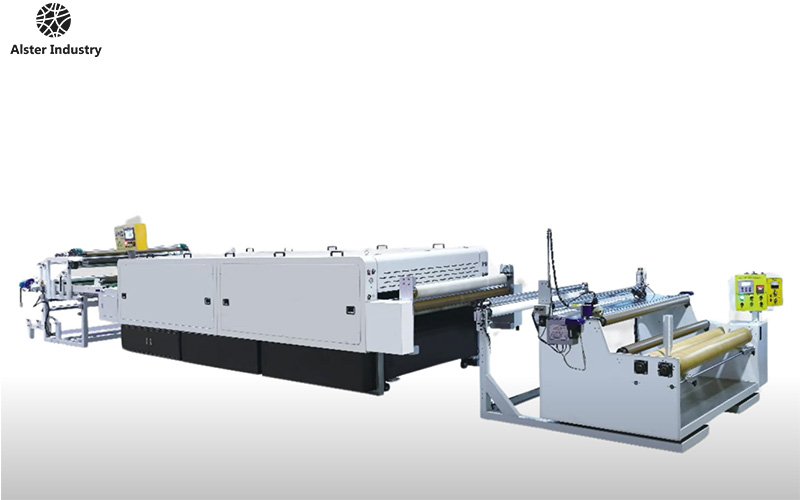
A fabric bonding machine is specialized equipment designed to join two or more layers of textile materials without relying on traditional sewing threads. Depending on the machine design and bonding process, it can use heat, pressure, and thermoplastic adhesive films or bonding tapes to create a stable connection between fabrics.
Unlike conventional sewing machines, which use needles and threads to connect materials, a fabric bonding machine creates a bonded structure with fewer visible seams. This approach is particularly useful for manufacturing seamless garments, where comfort, flexibility, and appearance are important considerations.
Modern bonding equipment can support different textile materials, including polyester, nylon, spandex, elastane blends, and various synthetic fabrics. The appropriate bonding method depends on fabric thickness, elasticity, surface characteristics, adhesive compatibility, and the intended application.
For garment manufacturers, selecting suitable bonding equipment is essential to achieving consistent bonding strength and maintaining the original properties of textile materials.
2. Why Is Fabric Bonding Important in the Seamless Garment Industry?
Seamless garment manufacturing focuses on reducing traditional stitched seams while improving the comfort and appearance of finished clothing. In products such as sports bras, underwear, leggings, compression garments, and athletic shirts, conventional stitching can sometimes create friction, pressure points, or visible seam lines.
Fabric bonding technology offers an alternative solution.
By joining fabric components without conventional stitching, manufacturers can produce smoother garment edges and cleaner transitions between different textile sections. This is particularly valuable in clothing designed for close contact with the skin.
Another important consideration is garment flexibility. Many seamless garments contain elastic materials that need to stretch and recover during movement. Properly designed bonding structures can help maintain the flexibility required for these applications.
In addition, bonding technology allows manufacturers to explore new garment structures that may be difficult to achieve through traditional sewing processes. It supports modern clothing designs with lightweight construction, decorative details, and functional fabric combinations.
3. Main Functions of a Fabric Bonding Machine
A fabric bonding machine performs several important functions in seamless garment production.
Fabric Layer Bonding
The primary function is joining two or more textile layers using suitable adhesive materials and controlled heat and pressure. This process helps create stable connections without conventional stitching.
Bonding Tape Application
Some machines are designed to apply thermoplastic bonding tapes to fabric edges and joining areas. These tapes can help reinforce garment structures while maintaining a smooth appearance.
Edge Sealing
Fabric bonding equipment can be used to seal selected fabric edges, reducing fraying and producing cleaner garment finishes. This function is especially useful for lightweight synthetic textiles.
Decorative and Functional Bonding
Manufacturers can use bonding technology to attach decorative elements, reinforcement materials, and functional textile components. This provides additional design flexibility without adding traditional stitches.
Consistent Heat and Pressure Control
Temperature, pressure, and processing time directly influence bonding quality. Advanced machines provide adjustable operating parameters, helping operators achieve more consistent results across different production batches.
4. Common Applications in Seamless Garment Manufacturing
A fabric bonding machine can be used in various garment production processes, particularly where smooth finishes and reduced stitching are required.
Sportswear and Activewear
Sportswear manufacturers frequently use bonding technology to produce leggings, running shirts, yoga clothing, and compression garments. Bonded seams can reduce friction during physical activities while creating a streamlined appearance.
For garments made with highly elastic fabrics, appropriate adhesive selection and bonding conditions are essential to prevent separation during repeated stretching.
Seamless Underwear
Underwear requires a comfortable structure because it remains in direct contact with the skin for extended periods. Fabric bonding machines can help manufacturers create smooth waistbands, leg openings, and joining areas with fewer traditional stitches.
Sports Bras
Sports bras often combine several fabric layers to provide support, elasticity, and comfort. Bonding equipment can help attach selected components and reinforce specific areas without creating excessive stitching.
Functional and Outdoor Clothing
Water-resistant jackets, lightweight outdoor apparel, and technical clothing may incorporate bonded fabric structures. Depending on the adhesive system and construction, bonding can help improve seam appearance and support functional performance.
Fashion and Casual Apparel
In addition to performance clothing, bonding technology is also used in fashion garments. It can create clean edges, attach decorative fabric sections, and produce modern designs that require minimal visible stitching.
5. Advantages of Using a Fabric Bonding Machine
One of the biggest advantages of a fabric bonding machine is its ability to improve garment appearance. Bonded connections can create smooth, clean finishes that are difficult to achieve with conventional sewing techniques.
Comfort is another important benefit. Reducing bulky seams and exposed stitching can minimize skin irritation, particularly in sportswear and underwear.
Production efficiency can also improve when bonding processes are properly integrated into garment manufacturing. Automated feeding, controlled heating, and repeatable pressure settings can reduce certain manual operations and help standardize production quality.
Furthermore, bonding technology provides greater flexibility in garment design. Manufacturers can experiment with different fabric combinations, reinforcement structures, and decorative elements.
However, bonding does not completely replace sewing. Some garment structures still require stitching for mechanical strength or construction reasons. In many factories, combining sewing and bonding technologies provides the most practical manufacturing solution.
6. Important Factors When Choosing a Fabric Bonding Machine
Choosing the right fabric bonding machine requires careful consideration of production requirements.
- Fabric Compatibility: Different fabrics respond differently to heat and pressure. Manufacturers should confirm that the machine can process their commonly used textile materials without causing shrinkage, discoloration, or deformation.
- Temperature Control: Accurate temperature adjustment is important because excessive heat may damage sensitive fabrics, while insufficient heat can result in weak bonding.
- Pressure Adjustment: Appropriate pressure helps ensure consistent contact between the adhesive and fabric surfaces. Adjustable pressure settings are useful when processing materials with different thicknesses.
- Production Efficiency: Garment factories should evaluate working speed, feeding methods, automation level, and continuous operating capabilities according to their production volumes.
- Bonding Quality: Stable bonding strength, flexibility, washing resistance, and durability should be considered when evaluating machine performance.
- Maintenance and Technical Support: Equipment reliability, spare parts availability, operator training, and after-sales service also influence long-term production costs.
7. How to Improve Bonding Quality in Garment Production
Even with suitable equipment, achieving consistent bonding results requires proper process management.
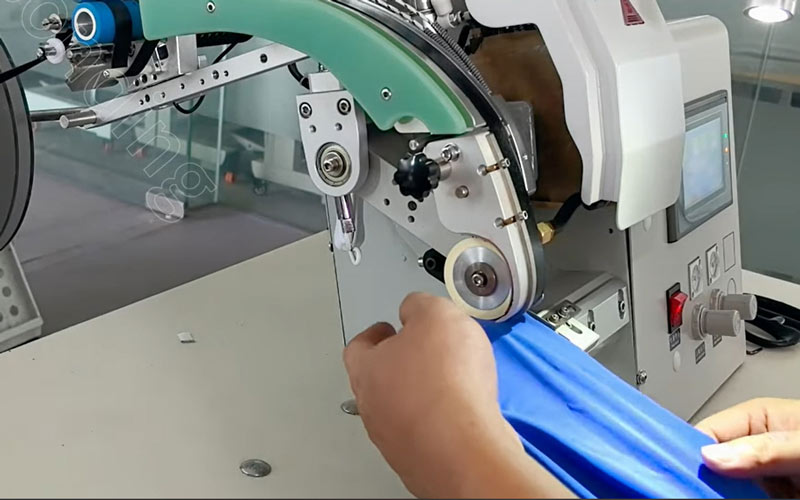
First, manufacturers should select adhesive materials that are compatible with the fabrics being processed. Thermoplastic adhesive films and tapes are commonly used in garment bonding, but their activation temperatures and bonding characteristics can vary.
Second, fabric surfaces should be clean and dry before processing. Dust, oil, moisture, and other contaminants may interfere with adhesive contact and reduce bonding strength.
Third, operators should establish appropriate temperature, pressure, and processing time through practical testing. These parameters should be adjusted according to fabric composition, thickness, and adhesive specifications.
Finally, manufacturers should conduct quality inspections after bonding. Stretching tests, washing tests, and repeated-use evaluations can help identify potential problems such as edge lifting, adhesive failure, or fabric deformation.
Regular equipment maintenance is equally important. Checking heating components, pressure systems, feeding mechanisms, and temperature sensors helps maintain stable machine performance.
8. The Future of Fabric Bonding Technology
As the apparel industry continues to move toward lightweight construction, functional materials, and improved wearing comfort, demand for fabric bonding technology is expected to remain relevant.
Future fabric bonding machines are likely to place greater emphasis on automation, intelligent temperature control, production consistency, and energy efficiency. These improvements can help garment manufacturers reduce material waste, improve processing accuracy, and manage increasingly diverse product requirements.
Another important development is the growing integration of bonding processes with other seamless garment technologies. Laser cutting, ultrasonic processing, heat transfer, and automated fabric handling can work alongside bonding equipment to create more efficient production workflows.
For garment factories serving sportswear, underwear, and technical apparel markets, investing in suitable bonding equipment can support product innovation and strengthen manufacturing capabilities.
Conclusion
A fabric bonding machine is an important piece of equipment in modern seamless garment manufacturing. By combining controlled heat, pressure, and suitable adhesive materials, it enables manufacturers to create smooth fabric connections, improve garment appearance, and develop more comfortable clothing products.
From sportswear and underwear to functional apparel and fashion garments, fabric bonding technology offers practical solutions for different textile applications. By selecting suitable equipment, optimizing processing parameters, and maintaining strict quality control, garment manufacturers can achieve more consistent production results and respond more effectively to the evolving requirements of the seamless garment industry.