
With the growing demand for comfortable, lightweight, and functional apparel, garment manufacturers are increasingly adopting advanced bonding technologies to improve production quality. Traditional sewing remains widely used in the clothing industry, but visible stitches, bulky seams, and friction points can affect the appearance and comfort of certain garments. For sportswear, underwear, shapewear, and outdoor clothing, seamless bonding technology offers additional manufacturing possibilities.
Choosing suitable garment bonding equipment allows manufacturers to improve bonding consistency, reduce certain sewing operations, and develop garments with smoother construction. Different technologies, including hot press, ultrasonic, and hot air bonding, can meet different production requirements.
As a professional textile machinery supplier, Alster®️ provides various equipment options for garment bonding and seamless production. This article explores the main machine types, their technical characteristics, application scenarios, and important considerations when selecting equipment for your factory.
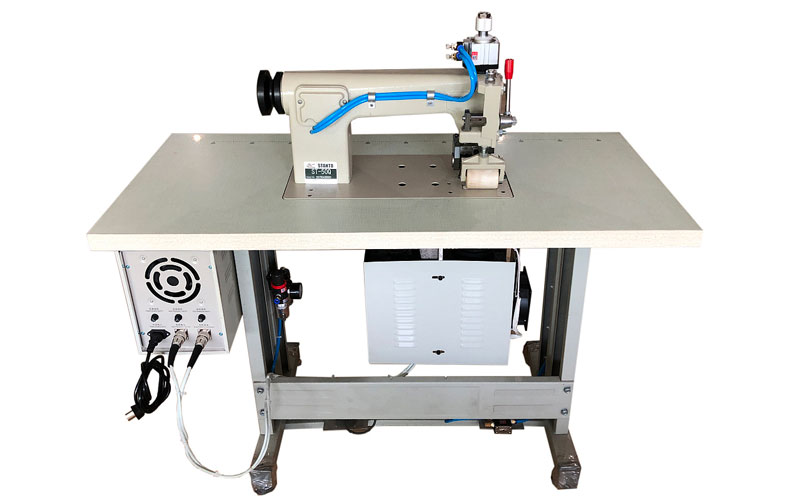
1. Different Types of Garment Bonding Equipment
Different garment structures require different bonding methods. Selecting the appropriate machine depends on fabric composition, bonding materials, production volume, and the expected performance of the finished garment.
1.1 Hot Press Bonding Machine
A hot press bonding machine uses controlled heat and pressure to join fabric layers or attach functional components. During operation, heat activates the adhesive film, bonding tape, or other compatible materials, while pressure helps establish a stable connection.
This equipment is commonly used for attaching elastic bands, decorative elements, reinforcement materials, and other garment components.
Main features include:
- Adjustable temperature and pressure settings.
- Consistent heating conditions for different production requirements.
- Compatibility with various heat-activated bonding materials.
- Suitable for localized bonding and garment component assembly.
- Relatively straightforward operation and process control.
Hot press machines are particularly useful for underwear, sportswear, lingerie, and other apparel requiring neat bonding details.
1.2 Ultrasonic Garment Bonding Machine
Ultrasonic garment bonding machines use high-frequency mechanical vibrations to generate localized heat at the contact area between compatible thermoplastic materials. This technology can join fabric layers or perform cutting and bonding operations without conventional needle stitching.
It is particularly suitable for synthetic fabrics and textile structures containing thermoplastic fibers.
Key advantages include:
- Fast bonding and processing speeds.
- Reduced dependence on conventional sewing threads.
- Smooth bonding edges and neat product appearance.
- Precise processing for selected fabric structures.
- Potential improvements in production efficiency.
Ultrasonic bonding is widely considered for sportswear, underwear, nonwoven textiles, and selected technical textile products. Material compatibility and processing parameters should be evaluated before mass production.
1.3 Hot Air Seamless Bonding Machine
Hot air seamless bonding machines use a controlled stream of heated air to activate thermoplastic adhesive films or bonding tapes between fabric layers. Pressure rollers then apply force to create a continuous bonded area.
This method is suitable for garment applications requiring flexible, low-profile, or waterproof bonded joints.
Important features include:
- Adjustable hot air temperature.
- Controlled bonding speed.
- Uniform heat distribution across the working area.
- Continuous processing capabilities.
- Compatibility with suitable adhesive tapes and textile materials.
Hot air bonding machines are commonly used for sportswear, outdoor clothing, waterproof garments, and functional apparel.
1.4 Seamless Garment Production Machines
Seamless garment production machines are designed to manufacture garments with minimal conventional seams or integrated textile structures. Depending on the equipment configuration, they may incorporate specialized knitting technologies, fabric processing, and bonding operations.
These machines are particularly relevant to underwear, activewear, and compression garments, where a close fit and reduced seam irritation are important.
It is important to distinguish seamless knitting from garment bonding. Some products require specialized knitting equipment, while others achieve seamless-looking construction through bonding and finishing technologies.
2. How to Choose Suitable Garment Bonding Equipment
Selecting the right machine requires consideration of the entire manufacturing process rather than simply comparing equipment prices or production speeds.
Fabric Compatibility
Different fabrics respond differently to heat, pressure, and ultrasonic energy. Polyester, nylon, elastane blends, and other synthetic materials may be suitable for specific bonding processes. Natural fibers and coated fabrics require additional testing to determine whether the selected technology is appropriate.
Bonding Technology
Choose hot press, ultrasonic, or hot air bonding according to the garment structure and required results. For example, hot air machines are suitable for continuous tape bonding, while hot press machines are useful for localized bonding operations.
Temperature and Pressure Control
Accurate temperature and pressure adjustments are essential for achieving stable bonding results. Excessive heat may damage sensitive fabrics, while insufficient heat or pressure can result in weak bonding.
Production Speed
Production capacity should match the manufacturer’s order volume and workflow. Continuous bonding equipment may be more appropriate for large-scale production, whereas specialized press machines can accommodate smaller or customized operations.
Machine Configuration
Consider working width, roller structure, heating system, control interface, power requirements, and safety features. These factors influence installation, operation, and long-term production efficiency.
3. Applications of Garment Bonding Equipment
Garment bonding machinery supports a wide range of apparel manufacturing processes. Its applications are particularly relevant to products where smooth construction, flexibility, and lightweight performance are important.
3.1 Sportswear and Activewear
Sportswear requires flexibility, lightweight construction, and comfortable contact with the skin. Bonding technology can help reduce bulky seams in selected areas, including hems, waistbands, pockets, and panel connections.
It is particularly useful for running apparel, yoga clothing, cycling garments, and compression sportswear. Manufacturers can use appropriate bonding machines to improve garment appearance while maintaining the flexibility required for physical activities.
3.2 Underwear and Lingerie
Underwear manufacturers often prioritize smooth surfaces and reduced friction. Garment bonding equipment can be used to attach elastic components, connect fabric panels, and create flat edges without prominent stitching.
These characteristics are valuable for seamless underwear, bras, and lightweight lingerie. Hot press and ultrasonic technologies can be selected according to the fabric structure and bonding requirements.
3.3 Shapewear and Compression Garments
Shapewear and compression products require stable construction, elasticity, and consistent garment performance. Suitable bonding processes can help join selected fabric components while maintaining a relatively flat profile.
Proper testing is necessary to ensure that bonded areas retain sufficient strength and flexibility during repeated stretching and everyday use.
3.4 Waterproof and Outdoor Clothing
Outdoor apparel frequently requires bonded seams to help prevent water penetration. Hot air bonding machines can apply specialized seam tapes over stitched or joined areas to improve water resistance.
Typical applications include rainwear, hiking jackets, protective clothing, and waterproof sports apparel. The bonding temperature, tape specifications, and processing speed must be matched to the fabric to achieve reliable results.
3.5 Medical and Functional Textiles
Selected medical garments and functional textile products benefit from smooth construction and controlled joining processes. Bonding technology can be used in certain compression products, support garments, and specialized textile assemblies, subject to applicable material and product requirements.
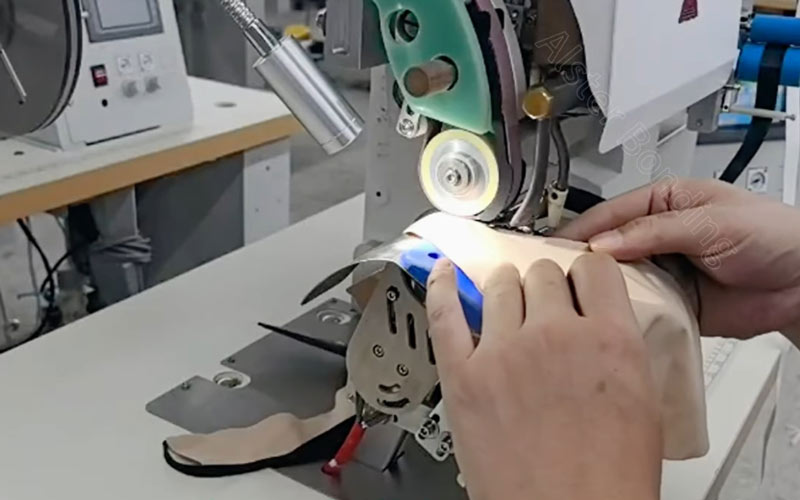
4. Advantages of Using Professional Garment Bonding Equipment
Investing in appropriate bonding machinery can bring several benefits to garment manufacturers.
Improved Product Appearance
Bonding technology produces flatter joining areas and can reduce visible stitching, supporting the clean appearance of modern apparel.
Enhanced Wearing Comfort
Reducing raised seams and thread contact may help minimize friction and irritation, especially in garments worn close to the skin.
Flexible Design Possibilities
Manufacturers can develop different garment structures, decorative details, and functional components using suitable bonding materials and machine configurations.
Improved Production Efficiency
Automated temperature, pressure, and speed controls help standardize processing conditions and reduce certain repetitive manual operations.
Consistent Manufacturing Quality
Properly configured equipment helps maintain stable bonding parameters across production batches, supporting more predictable manufacturing results.
Actual performance depends on fabric selection, adhesive compatibility, machine settings, operator skills, and quality control procedures.
5. Why Choose Alster®️ as Your Garment Bonding Equipment Manufacturer?
Choosing a reliable garment bonding equipment manufacturer is important for establishing an efficient and stable apparel production process. Different garment materials and product structures require different bonding solutions, making equipment selection and technical support essential.
Alster®️ provides a range of textile and garment processing machinery, including hot press machines, ultrasonic machines, hot air seamless bonding machines, and other specialized equipment.
Our focus includes the following aspects:
- Multiple Equipment Options: Different machine types are available for various garment bonding and textile processing requirements.
- Application-Oriented Solutions: Equipment selection can be based on fabric characteristics, garment designs, and production objectives.
- Process Flexibility: Adjustable operating parameters support different bonding materials and processing conditions.
- Industrial Production Needs: Machinery is designed to support garment manufacturers seeking improved processing efficiency and consistent product quality.
- Technical Communication: Customers can discuss their application requirements to identify suitable equipment configurations.
Whether you manufacture sportswear, underwear, shapewear, or functional apparel, selecting the right machinery is an important step toward improving production capabilities.
6. Frequently Asked Questions About Garment Bonding Equipment
Q1: What materials can garment bonding equipment process?
Material compatibility depends on the machine and bonding method. Polyester, nylon, elastane blends, and other synthetic textiles are commonly considered for bonding applications. Fabric samples should be tested before mass production.
Q2: What is the difference between hot air and ultrasonic bonding?
Hot air bonding uses heated air to activate adhesive materials, usually followed by pressure from rollers. Ultrasonic bonding uses high-frequency vibrations to generate localized heat and join compatible materials. Their applications and material requirements are different.
Q3: Can bonded garments completely replace traditional sewing?
Not in every application. Bonding is suitable for selected garment components and structures, but some areas still require stitching to achieve the necessary strength, elasticity, or construction performance. Many manufacturers combine bonding and sewing technologies.
Q4: How can I select suitable equipment for my factory?
Consider your fabric types, garment designs, bonding requirements, production capacity, and available installation space. Providing fabric samples and application details to the equipment manufacturer can help determine an appropriate solution.
Conclusion
Garment bonding technology is becoming an important part of modern apparel manufacturing, particularly in sportswear, underwear, shapewear, and functional clothing. By reducing dependence on conventional stitching in selected applications, it helps manufacturers develop garments with smoother construction, improved comfort, and greater design flexibility.
As a garment bonding equipment manufacturer, Alster®️ offers different machinery options to support diverse textile processing requirements. Contact our team to discuss your production needs and explore suitable bonding equipment for your garment manufacturing business.