
In today’s rapidly advancing textile, garment, packaging, and industrial automation sectors, ultrasonic technology has become one of the most dependable methods for bonding, sealing, cutting, and processing materials. As more manufacturers upgrade from traditional heat-based or chemical-based processes to cleaner, safer, and more efficient ultrasonic systems, the choice of a reliable ultrasonic machine manufacturer has become a critical decision for any production-oriented business.
Working with the right manufacturer determines not only the performance of your equipment, but also your long-term production stability, cost efficiency, and competitive advantages. In this blog article, we will explore what ultrasonic machines are, why they are increasingly popular across multiple industries, and how to evaluate and choose a trustworthy manufacturer. We will also highlight typical machines such as ultrasonic tape applying machines, ultrasonic cutting machines, ultrasonic lace machines, and their applications in modern manufacturing.
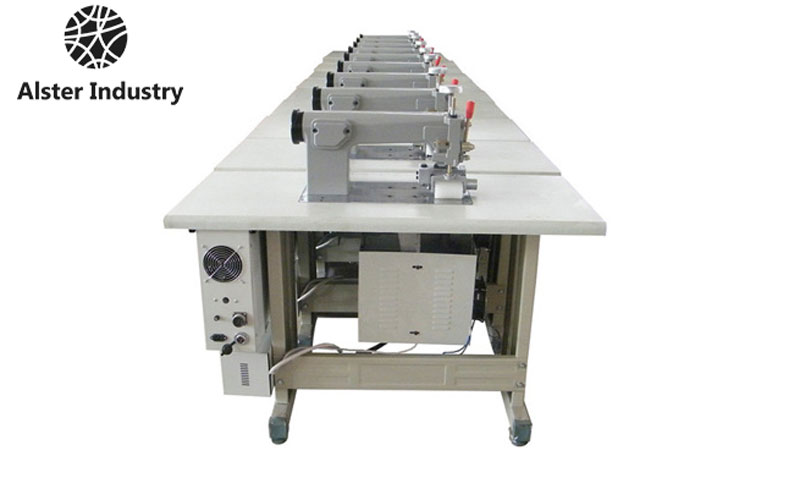
1. Why Ultrasonic Technology Has Become Essential in Modern Manufacturing
Ultrasonic processing relies on high-frequency mechanical vibrations—typically between 20 kHz and 40 kHz—to generate friction, heat, or motion at a microscopic level. Instead of applying heat externally or using chemical adhesives, ultrasonic machines produce localized energy precisely where needed. This makes the process cleaner, stronger, and more efficient.
1.1 Key Advantages of Ultrasonic Processing
Here are the primary benefits that make ultrasonic equipment so widely used today:
● No Need for Glue, Thread, or Chemical Adhesives
Ultrasonic bonding eliminates consumables such as glue or stitching thread. This not only lowers costs but also ensures stronger, cleaner bonds with improved durability.
● Clean, Precise, and Fray-Free Finishes
Whether cutting, embossing, sealing, or welding, ultrasonic machines deliver perfect edges without distortion or fraying—critical for delicate or technical fabrics.
● High Speed and High Productivity
Ultrasonic processing is extremely fast, making it ideal for mass production environments in apparel, packaging, medical products, and industrial filtration.
● Eco-Friendly and Safe
Since ultrasonic systems produce heat only at the molecular level, they do not generate smoke, harmful gases, or excessive heat. This contributes to a safer and greener production environment.
● Consistent and Repeatable Results
Unlike manual or thermal processes, ultrasonic equipment ensures stable output and high-quality consistency across every production batch.
Because of these benefits, the demand for a reliable ultrasonic machine manufacturer is higher than ever, especially in sectors such as seamless garments, lingerie, medical PPE, automotive interiors, filtration materials, packaging, and nonwoven processing.
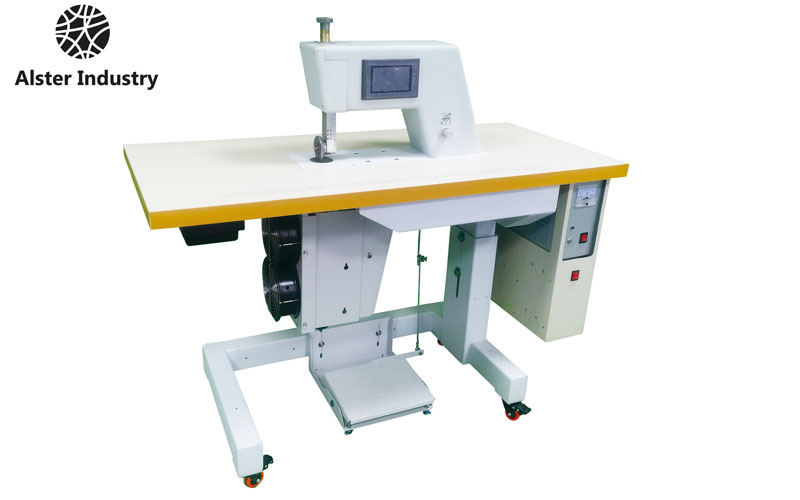
2. Common Types of Ultrasonic Machines Provided by Leading Manufacturers
A professional manufacturer typically produces a wide range of ultrasonic equipment designed for different production needs. Below are some of the most popular ultrasonic machines used in textile and seamless garment manufacturing—areas where precision and clean finishing are extremely important.
2.1 Ultrasonic Tape Applying Machine (Example: AT-301)
Ultrasonic tape bonding machines apply tapes, elastics, or decorative trims onto fabrics using ultrasonic vibration and pressure. They are widely used to produce:
- Seamless sportswear
- Underwear and lingerie
- Waterproof outdoor apparel
- Laser-cut and bonded fashion apparel
- Compression clothing and athletic leggings
Because they need no adhesives, these machines ensure strong, clean bonds without damaging sensitive fabrics.
Example:
The AT-301 Ultrasonic Tape Applying Machine from Alster uses advanced ultrasonic bonding to apply tape efficiently and precisely, helping manufacturers achieve stronger seams and improved product performance.
2.2 Ultrasonic Cutting Machine (Example: AT-303)
Ultrasonic cutting machines use high-frequency vibration to cut fabrics or technical materials cleanly. Unlike laser cutting, ultrasonic cutting does not burn or discolor fabrics, making it ideal for:
- Delicate fabrics
- Multi-layer textiles
- Composite materials
- Nonwoven fabrics
- Embroidery and decorative cutting
Example:
The AT-303 Ultrasonic Cutting Machine offers fray-free, accurate cuts even for difficult fabrics, ensuring high precision for fashion design, lingerie, and sportswear production.
2.3 Ultrasonic Lace Machine (Example: AT-304)
These machines create decorative lace edges, patterns, and embossing on various fabrics. They are used in:
- Lingerie
- Bridal fashion
- Children’s wear
- Home textiles
- Decorative accessories
Ultrasonic lace machines create beautiful, clean patterns without fraying—making them essential for high-end textiles.
Example:
The AT-304 Ultrasonic Lace Machine creates elegant lace effects through vibration and pressure, eliminating the need for thread and increasing design flexibility.
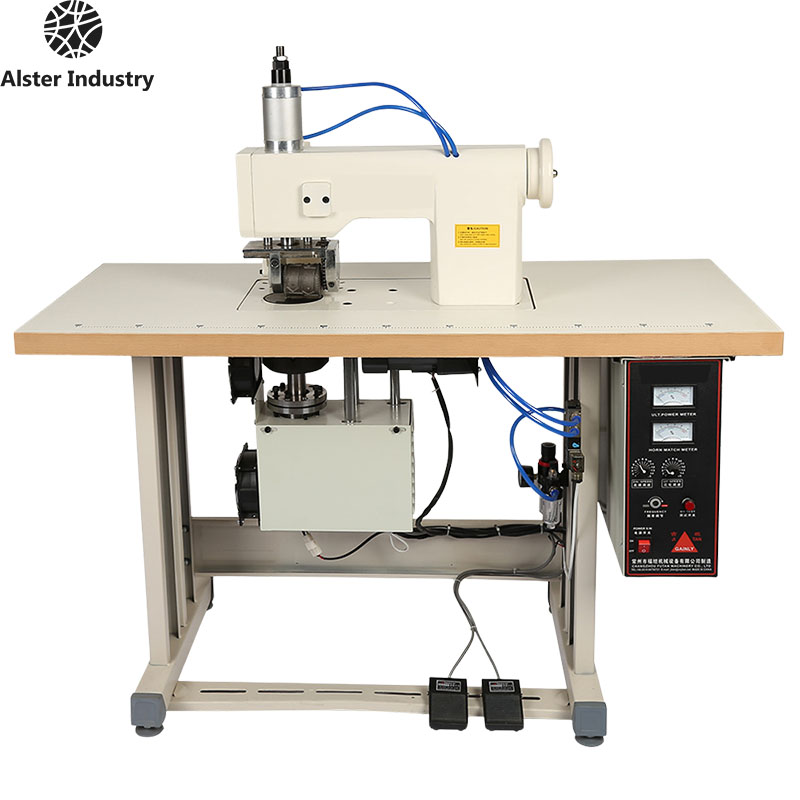
3. What Makes a Reliable Ultrasonic Machine Manufacturer?
With more companies entering the ultrasonic equipment industry, choosing the right manufacturer is no longer just about the machine itself—it’s about long-term value, service, engineering expertise, and production stability. Below are the critical factors that define a trustworthy ultrasonic machine supplier.
3.1 Engineering Strength and R&D Capabilities
Ultrasonic technology is highly specialized. A professional manufacturer must have:
- Experienced mechanical engineers
- Ultrasonic welding and vibration specialists
- Electrical and control system engineers
- Industrial design teams
Manufacturers with strong R&D capabilities can develop more stable, precise, and efficient machines, improving your production efficiency and reducing maintenance needs.
3.2 Quality of Ultrasonic Components
The heart of any ultrasonic machine is the ultrasonic transducer, booster, and horn. Their quality directly affects:
- Bonding strength
- Cutting precision
- Machine stability
- Production speed
- Noise and vibration levels
Choose a manufacturer that uses high-grade titanium horns, well-balanced boosters, and stable transducers designed for long working hours.
3.3 Material Compatibility and Application Knowledge
A reliable manufacturer should understand the behavior of different materials:
- Nylon
- Spandex
- Polyester
- Cotton blends
- TPU films
- Nonwoven fabrics
- Technical textiles
Their experience ensures that your machine is precisely tuned for your materials, preventing burning, over-melting, fabric damage, or weak seams.
3.4 Customization Capability
Many industries need customized solutions. A strong ultrasonic machine provider should offer:
- Customized machine widths and working tables
- Different horn designs
- Variable frequency systems
- Special rollers and patterns
- Custom cutting shapes
- Tailored tape bonding functions
Customization ensures your production line runs exactly how you need it.
3.5 Comprehensive After-Sales Support
Even the best ultrasonic machine needs maintenance and tuning. A professional manufacturer must provide:
- Remote technical support
- Video guidance
- On-site installation assistance (if needed)
- Spare parts availability
- Machine calibration services
- Operator training
This ensures stable production and minimal downtime.
3.6 Real Industry Experience and Case Studies
Check whether the manufacturer has experience serving:
- Garment factories
- Textile mills
- PPE and mask production lines
- Automotive interior suppliers
- Filtration material manufacturers
- Packaging and sealing industries
A manufacturer with experience in your field will deliver machines that meet your exact production requirements.
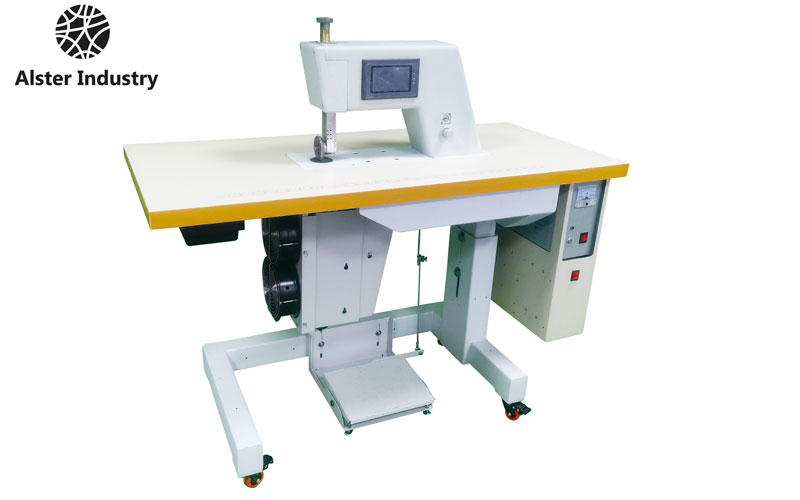
4. Applications of Ultrasonic Machines Across Multiple Industries
A good ultrasonic machine manufacturer typically serves many industrial sectors. Here are the major industries using ultrasonic solutions today:
4.1 Apparel and Textiles
Ultrasonic bonding and cutting are essential for:
- Seamless clothing
- Sportswear and yoga wear
- Lingerie and underwear
- Waterproof jackets
- Elastic bands and trims
- Shoe materials
- Fashion accessories
The clean, smooth edges and strong bonding make ultrasonic machines indispensable for high-quality garment production.
4.2 Medical and Hygiene Products
Demand for ultrasonic machines surged in recent years due to their importance in producing:
- Disposable masks
- Medical gowns
- Isolation clothing
- Surgical fabrics
- Filter materials
- Nonwoven hygiene products
Ultrasonic sealing provides sterile, secure seams without chemicals.
4.3 Automotive Industry
Ultrasonic bonding is widely used in:
- Car interiors
- Dashboard components
- Door panels
- Air filters
- Seat covers
- Acoustic insulation materials
The automotive sector values ultrasonic technology for its clean finish and reliable bonding performance.
4.4 Packaging and Industrial Sealing
Ultrasonic welding is preferred for:
- Food packaging
- Plastic bags
- Blister packaging
- Liquid packaging
- Heavy-duty protective bags
It improves sealing speed and prevents leaks.
4.5 Filtration and Environmental Products
Ultrasonic machines help produce:
- HEPA filters
- Water filters
- Air purification materials
- Industrial filter bags
Precise sealing ensures consistent filtration performance.
5. How to Choose the Best Ultrasonic Machine Manufacturer for Your Business
To ensure you make the right choice, here is a step-by-step selection guide:
Step 1: Identify Your Production Needs Clearly
Determine which processes you require:
- Bonding
- Sealing
- Cutting
- Embossing
- Patterning
- Tape applying
- Lace making
Different needs require different machines and horn designs.
Step 2: Check the Manufacturer’s Experience
Select companies with at least 5–10 years of industry experience, especially those specializing in the textile or garment sector.
Step 3: Evaluate Machine Quality and Components
Inspect:
- Transducer quality
- Horn (Sonotrode) material
- Cutter sharpness
- Roller patterns
- Machine stability
- Control system precision
High-quality manufacturers use top-grade components and provide long life cycles.
Step 4: Request Testing with Your Materials
A reliable manufacturer can test your materials and show real bonding or cutting results before purchase.
Step 5: Compare Customization Options
Choose a manufacturer that supports:
- Pattern customization
- Special ultrasonic rollers
- Frequency adjustments
- Fabric-specific calibration
- Integration into your existing production line
Step 6: Review After-Sales Support System
Check whether the manufacturer provides:
- Training
- Spare parts guarantee
- Quick response services
- Maintenance guidance
Step 7: Evaluate Cost-Performance Ratio
The cheapest option is not always the best. Instead, look at long-term stability, maintenance cost, and energy savings.
6. The Role of a Professional Ultrasonic Machine Manufacturer in Industry Upgrading
As global manufacturing moves toward automation, intelligent systems, and eco-friendly processes, ultrasonic machine manufacturers are playing a key role in supporting this transformation.
-
Reducing waste and environmental impact
Ultrasonic bonding uses no chemicals, making it ideal for eco-friendly production.
-
Improving precision and product quality
High-frequency vibration provides fine control for advanced textile and industrial applications.
-
Enabling seamless and comfortable garment design
Seamless clothing is a major trend worldwide, and ultrasonic equipment is at the heart of this movement.
-
Supporting automation
Modern ultrasonic machines can be integrated into robotic systems, conveyors, and smart production lines.
-
Enhancing production speed
Ultrasonic processes are significantly faster than traditional thermal or mechanical methods, improving overall efficiency.
7. Conclusion: Partnering with the Right Ultrasonic Machine Manufacturer
Choosing the right ultrasonic machine manufacturer is one of the most important decisions for companies in garment, textile, packaging, automotive, filtration, and hygiene product industries. A professional manufacturer not only provides high-performance machines but also ensures stable production, reduced defects, and long-term cost savings.
Whether your business needs ultrasonic tape applying machines like the AT-301, precision cutting machines like the AT-303, or decorative lace machines like the AT-304, working with an experienced manufacturer ensures that your products meet global standards of quality and performance.
If you need further help with product descriptions, SEO TDK, category pages, or comparison content between ultrasonic machines, feel free to ask!