
Ultrasonic cutting technology has transformed the garment industry, offering precise, clean, and efficient cutting solutions for various fabric types. Specifically designed for seamless garment production, the Ultrasonic Cutting Machine stands out as an essential tool for modern textile manufacturing. This machine utilizes high-frequency ultrasonic vibrations to cut, weld, and seal fabric without the need for traditional methods like sewing or adhesives.
In this blog post, we will explore the key features, technical specifications, and benefits of the Ultrasonic Cutting Machine for Seamless Garment, including its various applications, operational advantages, and how it ensures the seamless production of high-quality garments.
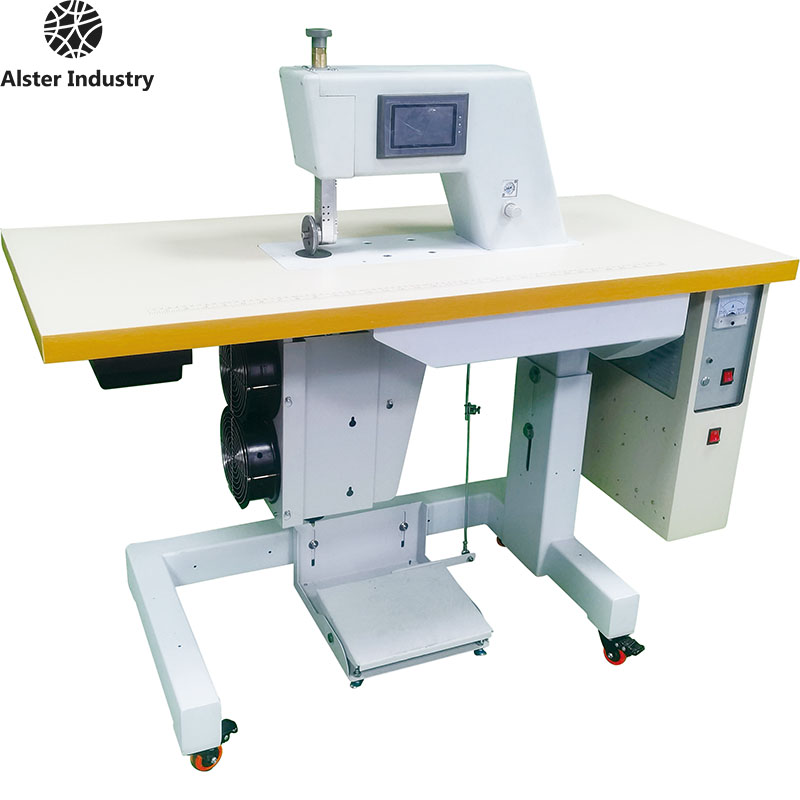
What is an Ultrasonic Cutting Machine?
An Ultrasonic Cutting Machine uses ultrasonic waves (high-frequency sound waves) to cut through fabric or material. It is a type of ultrasonic machine for seamless garment. This technology operates at a frequency of 20 kHz, which generates intense, high-frequency vibrations that cause the cutting tool’s tip to oscillate rapidly. These vibrations generate heat that precisely cuts through the fabric without fraying the edges, providing a clean cut, making it ideal for delicate or difficult-to-cut materials like synthetic fabrics, nonwoven materials, and even plastic films.
When applied to the garment industry, the ultrasonic cutting process is highly effective in producing seamless garments, where traditional stitching is unnecessary. The machine’s ability to cut, trim, seal, and weld fabric simultaneously offers efficiency, speed, and reduced labor costs.
Key Features of the Ultrasonic Cutting Machine for Seamless Garment
The AT-303 Ultrasonic Cutting Machine is designed to offer a wide range of functionalities for garment manufacturers. Below are its key features:
1. Fault Detection
The ultrasonic cutting machine is equipped with an advanced fault detection system. This system allows real-time monitoring of the machine’s performance. If a malfunction occurs, such as irregular ultrasonic wave emissions or electrical issues, the machine will immediately alert the operator, ensuring that production is not halted and potential damage is prevented.
2. Temperature Difference Alarm
An integrated temperature difference alarm is a vital safety feature. When the machine detects an abnormal rise or drop in temperature, which could lead to overheating or improper functioning, it triggers an alarm. This helps to maintain the machine’s performance and prolong its lifespan by preventing thermal damage.
3. High-Temperature Protection
High-temperature protection is another essential safety measure in the Ultrasonic Cutting Machine. This feature automatically shuts down the system if the machine reaches an excessive temperature threshold. It ensures that the machine operates within the recommended temperature limits, preventing overheating and potential damage to the sensitive ultrasonic components.
4. Trimming and Deburring
The ultrasonic cutting machine is ideal for trimming and deburring edges of fabric. Whether it’s raw edges, burrs, or unwanted excess material, the machine can provide a clean, finished look without the need for manual labor. The high-frequency vibrations precisely trim edges, offering a seamless and professional finish for garments.
5. Stamping and Heat Sealing
In addition to cutting, the ultrasonic machine can perform stamping and heat sealing tasks. This allows the production of seamless garments without the need for traditional methods like sewing or stitching. The high-frequency energy can seal the fabric edges, preventing unraveling and improving the garment’s durability.
6. Stereotyping
Stereotyping refers to the ability of the ultrasonic cutting machine to shape the fabric into specific forms or designs. Whether for creating custom prints or ensuring consistency in the shape of garment pieces, this feature enhances the machine’s versatility.
Technical Specifications
To better understand the capabilities of the AT-303 Ultrasonic Cutting Machine, let’s look at the technical specifications that define its operational performance:
- Speed: Adjustable from 0 to 5 meters per minute. This tunable speed allows for flexibility depending on the material being processed and the desired cutting speed.
- Working Pressure: Operates at 0.5 MPa (5 bar) pressure. This pressure range ensures stable operation across various fabric types.
- Cutting Width: Adjustable cutting width from 0 to 15 mm, with a standard size of 10 mm.
- Input Power: Powered by single-phase 220V electrical input, suitable for most industrial applications.
- Maximum Power: The machine operates at a maximum power of 1200W, which is more than enough to handle tough and thick materials.
- Frequency: The 20 kHz frequency ensures precise and efficient cutting, which is ideal for high-frequency welding and trimming tasks.
These specifications ensure that the Ultrasonic Cutting Machine delivers powerful, reliable, and fast performance for garment manufacturers.
Advantages of Using the Ultrasonic Cutting Machine for Seamless Garment Production
1. Enhanced Precision
Ultrasonic cutting technology provides a higher level of precision compared to traditional cutting methods. The ultrasonic waves allow for the clean and exact cutting of fabric with minimal material wastage. This makes it especially beneficial for high-end garment production, where precision and quality are paramount.
2. No Fraying or Threading
One of the biggest advantages of the Ultrasonic Cutting Machine is its ability to cut fabric without causing fraying or unraveling of threads. Traditional cutting methods like scissors or rotary cutters can leave the edges of the fabric susceptible to damage. With ultrasonic cutting, the fabric is sealed as it is cut, preventing fraying and ensuring clean, durable edges.
3. Faster Production
The speed of the ultrasonic cutting process helps to accelerate production times. Since the machine operates at a continuous, high-speed rate, garment manufacturers can meet tight deadlines and increase output without compromising quality.
4. Versatility
The ultrasonic cutting machine is highly versatile and can be used on a variety of materials such as synthetic fabrics, nonwoven materials, plastic films, and even thin metals. This flexibility makes it a valuable tool in various industries beyond textiles, including packaging, automotive, and medical devices.
5. Reduced Labor Costs
Ultrasonic cutting eliminates the need for additional labor, such as sewing or bonding workers. The automation of cutting, sealing, and trimming significantly reduces the need for manual labor, saving time and costs. It also reduces human error, leading to more consistent and higher-quality output.
6. Environmentally Friendly
Since ultrasonic cutting does not require traditional cutting blades or solvents, it generates less waste and avoids the use of chemical adhesives. This makes it a more eco-friendly solution compared to traditional garment manufacturing techniques.
7. Improved Durability
The heat sealing and welding capabilities of the ultrasonic machine result in strong, durable joints and edges. This is crucial for garments that require strength and longevity, especially in sportswear, activewear, and other high-performance clothing.
Applications of the Ultrasonic Cutting Machine
The Ultrasonic Cutting Machine is especially useful in seamless garment production, but its applications extend across various industries and functions:
- Seamless Garments: Used to cut and seal fabric pieces for seamless garment production, including sportswear, underwear, activewear, and other types of seamless clothing.
- Nonwoven Materials: Ideal for cutting nonwoven materials used in medical textiles, hygiene products, and filters.
- Packaging Industry: Used for cutting plastic films and laminates in packaging applications.
- Automotive Industry: Suitable for cutting synthetic fabrics and other materials used in the automotive interior, including seat covers and headliners.
- Medical and Hygiene Products: Ultrasonic cutting can be applied to the production of medical textiles, such as wound dressings, surgical gowns, and face masks.
Conclusion
The Ultrasonic Cutting Machine for Seamless Garment production is a breakthrough technology that has greatly advanced the textile industry. Its ability to cut, trim, seal, and weld fabric with precision and efficiency makes it an invaluable asset for garment manufacturers. With its advanced features, such as fault detection, temperature alarms, and high-temperature protection, it ensures smooth and safe operations. By improving production speed, reducing waste, and enhancing garment durability, ultrasonic cutting technology is shaping the future of garment manufacturing.
For companies looking to streamline their operations, reduce costs, and improve garment quality, adopting the AT-303 Ultrasonic Cutting Machine is a smart investment for long-term success.