
Introduction
TPU film for fabric has become a critical functional material in modern textile engineering, enabling advanced bonding, waterproofing, elasticity enhancement, and seamless garment construction. As global demand increases for high-performance textiles in sportswear, outdoor gear, medical textiles, automotive interiors, and fashion apparel, thermoplastic polyurethane (TPU) film has emerged as one of the most versatile and reliable solutions for fabric lamination and functional finishing.
Unlike traditional stitching or coating methods, TPU film for fabric provides a clean, durable, and flexible bonding layer that maintains the softness of textiles while significantly improving mechanical and environmental resistance. Its ability to combine elasticity, transparency, abrasion resistance, and chemical stability makes it indispensable in next-generation textile manufacturing.
This article provides a comprehensive technical and commercial overview of TPU film for fabric, including its structure, properties, processing methods, application scenarios, advantages, and selection guidelines for industrial use.

What Is TPU Film for Fabric?
TPU film for fabric refers to a thin thermoplastic polyurethane sheet designed for heat-activated bonding to textile surfaces. It is produced by extruding TPU resin into film form, which can then be laminated onto fabrics using heat pressing, high-frequency welding, or hot-melt bonding systems.
Key Material Characteristics
- Thermoplastic elastomer structure
- High elasticity and rebound performance
- Excellent abrasion resistance
- Strong adhesion to textile fibers
- Transparent or semi-transparent appearance
- Resistant to oil, grease, and many solvents
TPU film for fabric is widely used as an intermediate adhesive layer in garment manufacturing and industrial textile processing.
How TPU Film for Fabric Works
The bonding mechanism of TPU film for fabric relies on thermal activation. When exposed to a specific temperature range, the TPU layer softens and becomes adhesive without losing its structural integrity.
Bonding Process Overview
- Heating Stage
- TPU film is heated to its activation temperature (typically 90°C–160°C depending on formulation).
- Melting Activation
- The surface of the TPU film becomes tacky and flows slightly into fabric fibers.
- Pressure Lamination
- Under controlled pressure, the film penetrates textile pores and forms mechanical interlocking.
- Cooling and Solidification
- The TPU layer solidifies upon cooling, creating a durable and flexible bond.
This process eliminates the need for traditional sewing in many applications, enabling seamless garment construction.
Types of TPU Film for Fabric
Different industrial applications require different formulations of TPU film for fabric. The main types include:
1. Polyester-Based TPU Film
- High mechanical strength
- Excellent oil resistance
- Suitable for industrial textiles and outdoor garments
2. Polyether-Based TPU Film
- Superior hydrolysis resistance
- Better low-temperature flexibility
- Commonly used in sportswear and waterproof clothing
3. Hot Melt Adhesive TPU Film
- Designed specifically for bonding fabrics
- Strong initial tack and permanent adhesion
- Widely used in garment lamination
4. Elastic TPU Film
- High stretch recovery
- Ideal for compression garments and activewear
- Maintains elasticity after repeated washing
Key Properties of TPU Film for Fabric
The popularity of TPU film for fabric is driven by its unique physical and chemical properties.
1. High Elasticity
TPU film can stretch up to 300–700% depending on formulation, making it suitable for stretchable garments.
2. Strong Adhesion
It forms strong bonds with:
- Polyester fabrics
- Nylon textiles
- Cotton blends
- Synthetic performance materials
3. Waterproof Performance
TPU film creates a continuous barrier that prevents water penetration while maintaining breathability when micro-perforated.
4. Temperature Resistance
- Stable in -40°C to 120°C environments
- Maintains flexibility in cold climates
5. Abrasion and Tear Resistance
Ideal for high-wear applications such as:
- Outdoor jackets
- Workwear
- Tactical clothing
Applications of TPU Film for Fabric
TPU film for fabric is widely used across multiple industries due to its versatility.
1. Seamless Garment Manufacturing
One of the most important applications is in seamless bonding technology.
- Eliminates needle holes
- Improves waterproof performance
- Enhances garment aesthetics
2. Sportswear and Activewear
TPU film is widely used in:
- Yoga clothing
- Running apparel
- Compression wear
- Cycling gear
It provides stretchability and moisture resistance.
3. Outdoor and Waterproof Clothing
Used in jackets, raincoats, and hiking apparel:
- Windproof layers
- Waterproof sealing
- Breathable membrane bonding
4. Medical Textiles
TPU film for fabric is used in:
- Surgical gowns
- Protective clothing
- Medical bed covers
It provides hygiene, barrier protection, and flexibility.
5. Automotive Interiors
Applications include:
- Seat covers
- Door panels
- Interior lamination fabrics
6. Fashion and Design Industry
Designers use TPU film for:
- 3D fabric shaping
- Decorative bonding
- Transparent design effects
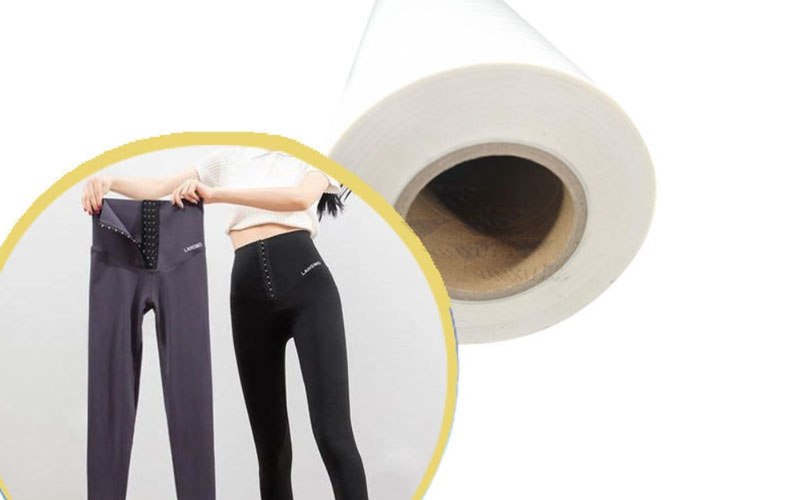
TPU Film for Fabric in Seamless Technology
Seamless garment production is one of the fastest-growing applications of TPU film for fabric.
Advantages of Seamless Bonding
- No visible stitching lines
- Improved comfort
- Reduced friction against skin
- Enhanced durability
Manufacturing Techniques
- Heat press bonding
- High-frequency welding
- Laser cutting + TPU lamination
This technology is widely adopted in premium sportswear brands.
Advantages of TPU Film for Fabric
1. Improved Durability
TPU film significantly enhances fabric lifespan compared to stitched seams.
2. Enhanced Comfort
Without stitching, garments become smoother and more comfortable.
3. Lightweight Construction
TPU film reduces the need for heavy threads or adhesives.
4. Waterproof and Airproof Capabilities
Provides superior sealing performance for outdoor applications.
5. Design Flexibility
Allows:
- Invisible bonding
- Complex shapes
- Multi-layer construction
TPU Film for Fabric vs Other Materials
TPU vs PVC Film
- TPU is more flexible and eco-friendly
- PVC is cheaper but less durable
- TPU has better cold resistance
TPU vs EVA Film
- TPU offers higher elasticity
- EVA is softer but weaker in mechanical strength
TPU vs PU Coating
- TPU film provides more consistent thickness
- PU coating may degrade faster over time
Processing Methods for TPU Film for Fabric
1. Heat Press Lamination
Most common method used in garment factories.
- Temperature: 100°C–160°C
- Pressure: Medium to high
- Time: 10–30 seconds
2. High-Frequency Welding
Used for industrial waterproof garments and tarpaulins.
3. Vacuum Lamination
Ensures uniform bonding for high-end textile products.
4. Automatic Seam Bonding Machines
Used in large-scale production lines for sportswear.
Selection Guide for TPU Film for Fabric
When choosing TPU film for fabric, several factors must be considered:
1. Fabric Type
- Polyester → polyester-based TPU
- Nylon → polyether-based TPU
2. Application Environment
- Outdoor use requires UV resistance
- Medical use requires antibacterial properties
3. Elasticity Requirements
High-stretch garments require elastic TPU formulations.
4. Thickness Selection
- 0.02–0.05 mm: lightweight garments
- 0.05–0.2 mm: industrial textiles
5. Adhesion Strength
Must match fabric density and surface texture.
Common Problems and Solutions
1. Weak Bonding
Cause:
- Low temperature
- Insufficient pressure
Solution:
- Increase heat press settings
- Extend pressing time
2. Bubble Formation
Cause:
- Moisture in fabric
Solution:
- Pre-dry fabric before lamination
3. Delamination After Washing
Cause:
- Incorrect TPU formulation
Solution:
- Use hydrolysis-resistant TPU film for fabric
Environmental and Sustainability Aspects
Modern TPU film for fabric is increasingly aligned with sustainable manufacturing goals.
Eco-Friendly Features
- Solvent-free production
- Recyclable thermoplastic structure
- Reduced textile waste
Industry Trend
Brands are shifting toward:
- PVC-free materials
- Low-carbon textile bonding solutions
- Circular textile systems
TPU film supports all these sustainability directions.
Market Trends of TPU Film for Fabric
The global demand for TPU film for fabric is growing rapidly due to several factors:
1. Expansion of Sportswear Industry
Athleisure and performance apparel drive large-scale TPU adoption.
2. Growth of Seamless Technology
Manufacturers are replacing stitching with adhesive film bonding.
3. Increasing Demand for Waterproof Textiles
Outdoor lifestyle trends boost TPU film usage.
4. Innovation in Smart Textiles
TPU film is being integrated with:
- Conductive fabrics
- Sensor textiles
- Wearable electronics
Future Outlook
The future of TPU film for fabric is expected to focus on:
- Ultra-thin TPU membranes
- High-breathability structures
- Bio-based TPU materials
- Smart functional coatings
- AI-controlled textile lamination systems
As textile manufacturing becomes more automated and performance-driven, TPU film will remain a core material in advanced fabric engineering.
Conclusion
TPU film for fabric is a highly advanced adhesive and functional material that plays a crucial role in modern textile production. Its combination of flexibility, durability, waterproof performance, and eco-friendly properties makes it an essential component in sportswear, outdoor apparel, medical textiles, and industrial applications.
With continuous innovation in material science and garment manufacturing technology, TPU film for fabric will continue to expand its influence across global textile industries, offering manufacturers superior performance and designers greater creative freedom.