
In the modern textile and garment industry, innovation and efficiency are crucial for maintaining competitiveness. Among the latest technological advancements, the ultrasonic lace sewing machine—also referred to as the ultrasonic lace machine—has become an essential tool for manufacturers, designers, and textile processors. This advanced equipment uses ultrasonic vibrations to perform precise, needleless sewing, trimming, embossing, and bonding on various materials. The machine not only enhances production efficiency but also adds value and aesthetic appeal to fabrics, making it widely used in clothing, home textiles, non-woven products, and other fields.
In this article, we will explore the main functions, working principle, applications, advantages, and cost considerations of the ultrasonic lace sewing machine, helping you understand why it has become a vital tool in modern textile manufacturing.
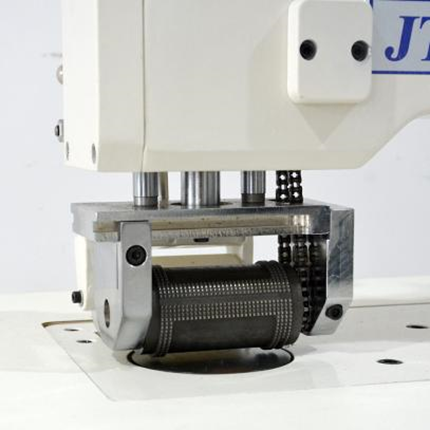
What Is an Ultrasonic Lace Sewing Machine?
An ultrasonic lace sewing machine is specialized equipment that utilizes high-frequency ultrasonic vibrations to bond fabrics without the use of traditional needles or threads. It is capable of performing various operations such as trimming, deburring, embossing, heat sealing, punching, and bonding multiple layers of material. Some manufacturers also refer to it as an ultrasonic lace cutting machine due to its precise cutting and edge-processing capabilities.
The machine is particularly suitable for chemical fiber materials, non-woven fabrics, synthetic fibers, and thin plastics, making it versatile across multiple textile and industrial applications. By replacing conventional sewing methods, the ultrasonic lace machine enables manufacturers to produce high-quality, durable, and visually appealing textiles efficiently.
Main Functions of Ultrasonic Lace Sewing Machine
The ultrasonic lace sewing machine comes with a range of functions designed to improve production speed, precision, and product quality. The following are the primary functions that define this machine’s capabilities:
1. Seamless Stitching
One of the most significant advantages of an ultrasonic lace machine is its ability to achieve seamless splicing of materials. Unlike traditional sewing methods, it does not rely on needles and threads. Instead, it uses high-frequency vibrations to bond fabrics together at a molecular level. This results in:
- No stitch breakage
- Long-lasting bonds
- Smooth and uniform seams
This function is especially useful in high-end clothing, lingerie, and decorative textiles, where appearance and durability are paramount.
2. Embossing
Embossing is another critical function of the ultrasonic lace sewing machine. Through a combination of ultrasonic vibrations and embossing molds, the machine can create three-dimensional, delicate, and highly detailed patterns on fabrics. The embossing process provides:
- Unique textures and intricate designs
- Enhanced aesthetic appeal
- Added product value for premium textiles
Embossed lace is commonly used in garments, home textiles like curtains and tablecloths, and high-quality non-woven products.
3. Edge Trimming and Edge Sealing
Traditional lace or fabric edges often require separate processes for trimming and finishing. The ultrasonic lace sewing machine can complete edge trimming and sealing in one step. The high-frequency vibrations allow the machine to:
- Smooth out rough edges
- Prevent fraying
- Save time on subsequent processing
This dual-function capability ensures the final products are neat, professional, and visually appealing.
4. Punching and Perforation
The ultrasonic lace machine can accurately punch holes in fabrics and materials of various thicknesses. This function is crucial for producing patterns or functional perforations in textiles, including:
- Lace with decorative holes
- Non-woven products with controlled ventilation
- Technical textiles for industrial applications
The precision of ultrasonic punching ensures uniform hole sizes and clean edges, which are difficult to achieve with traditional cutting tools.
5. Multi-Layer Compounding and Bonding
Ultrasonic machines can bond multiple layers of material using heat and pressure generated by high-frequency vibrations. This compounding function is essential for:
- Composite fabrics used in automotive interiors
- Filter materials for medical or industrial applications
- Laminated or layered textiles
By bonding layers without adhesives, the machine preserves material integrity and maintains flexibility and durability.
6. Trimming and Deburring
Deburring and trimming are critical steps in textile processing, especially for high-end garments and decorative fabrics. The ultrasonic lace sewing machine can remove excess material while simultaneously smoothing edges, resulting in:
- Clean, professional finishes
- Reduced manual labor
- Less material waste
This function is particularly valuable in mass production, where consistency and efficiency are crucial.
7. Heat Sealing
Heat sealing is another vital capability of the ultrasonic lace machine, allowing manufacturers to join materials like PVC, PET, and other thin plastics. The machine uses ultrasonic energy to create precise seals without damaging the material. Benefits include:
- Strong, long-lasting seals
- Reduced dependency on adhesives or threads
- Cleaner and more environmentally friendly production
8. Stereotype and Pattern Formation
The ultrasonic lace sewing machine can form patterns and textures on fabrics, creating consistent, high-quality designs. This capability is essential in producing:
- Decorative lace
- Patterned synthetic fabrics
- Custom designs for home textiles and garments
Ultrasonic embossing and patterning provide an elegant and professional finish that traditional sewing methods cannot replicate easily.
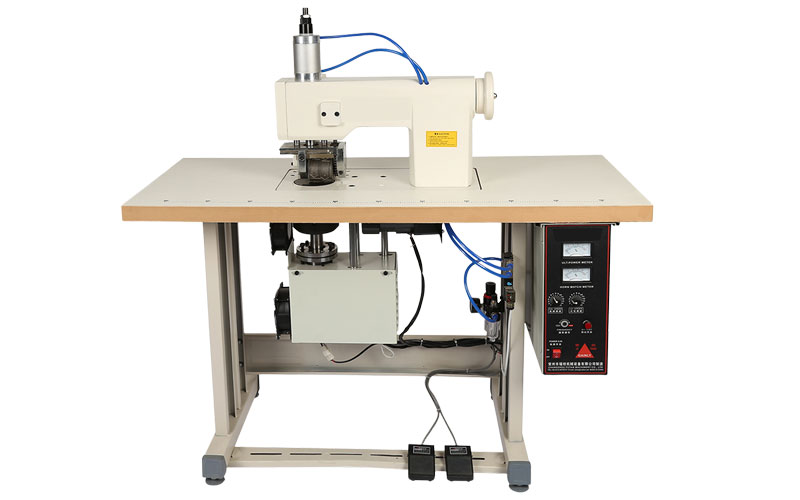
Working Principle of Ultrasonic Lace Sewing Machine
Understanding the working principle of the ultrasonic lace sewing machine helps explain why it is so effective. The machine operates based on high-frequency ultrasonic vibration and hot-melt technology. The process involves three key steps:
1. Ultrasonic Vibration
The ultrasonic generator converts electrical energy into high-frequency mechanical vibrations, typically in the range of 20 kHz to 40 kHz. These vibrations are transmitted to the material through a welding head or horn, creating localized heat and pressure.
2. Hot-Melt Effect
The ultrasonic vibrations generate heat at a microscopic level, softening chemical fiber materials. When combined with pressure, the softened materials fuse together without requiring thread, glue, or needles. This ensures:
- Seamless bonds
- Minimal material distortion
- Strong adhesion
3. Pressing and Cutting
The welding head can also press, trim, and emboss the material simultaneously. By adjusting parameters like pressure, speed, and vibration amplitude, manufacturers can achieve precise cutting lines, smooth edges, and uniform patterns.
Suitable Materials for Ultrasonic Lace Machines
The ultrasonic lace sewing machine is highly versatile and can process a wide range of textile and non-textile materials:
- Chemical fiber materials: Polyester, nylon, polypropylene, and other synthetic fibers.
- Non-woven fabrics: Masks, surgical gowns, and other medical or industrial materials.
- Synthetic fiber fabrics: Spandex, nylon, and other high-elasticity materials used in sportswear and swimwear.
- Thin plastics: PVC, PET, and other thermoplastics for bags and packaging.
- Composite materials: Multi-layer fabrics for automotive, medical, and filtration products.
- Blended fabrics: Cotton-linen blends and other natural fiber fabrics combined with synthetics.
Applications of Ultrasonic Lace Sewing Machines
Due to its versatility, the ultrasonic lace machine finds applications across multiple industries:
- Clothing Industry: Seamless stitching, lace embellishment, and multi-layer fabric bonding for high-quality garments.
- Home Textiles: Decorative lace patterns, embossed designs, and durable edges for curtains, tablecloths, and pillowcases.
- Non-Woven Products: Masks, protective clothing, and industrial non-woven materials.
- Medical Supplies: Surgical gowns, filters, and other laminated or multi-layer materials.
- Automotive Interiors: Multi-layer bonding and embossed patterns in seat covers, mats, and interior fabrics.
- Packaging Industry: Heat sealing and edge trimming of thin plastic films and bags.
- Sportswear and Swimwear: Seamless joining of elastic fabrics like spandex and nylon.
Advantages and Features of Ultrasonic Lace Machines
The ultrasonic lace sewing machine offers numerous advantages that make it indispensable for modern textile production:
- High Efficiency and Environmental Protection
No needles, threads, or glue are required, reducing material costs and environmental pollution. - High Processing Precision
Ultrasonic heat pressing allows precise control of temperature and pressure, producing delicate and uniform lace patterns. - Easy Operation
High automation enables operators to use the machine after minimal training. - Wide Applications
Suitable for textiles, non-woven fabrics, chemical fibers, and thin plastics. - No Loss Stitching
Eliminates thread wear and breakage, extending the product’s service life. - Beautiful Appearance
Smooth edges, clean cuts, and intricate embossed patterns enhance product aesthetics.
Cost Considerations of Ultrasonic Lace Sewing Machines
The price of an ultrasonic lace sewing machine depends on several factors:
- Functional configuration
- Production capacity
- Degree of automation
- Technical support and after-sales service
Basic models are suitable for small-scale production, while high-end machines with advanced automation are ideal for mass production and complex processing. Choosing a reliable manufacturer ensures long-term stability, timely technical support, and maintenance services.
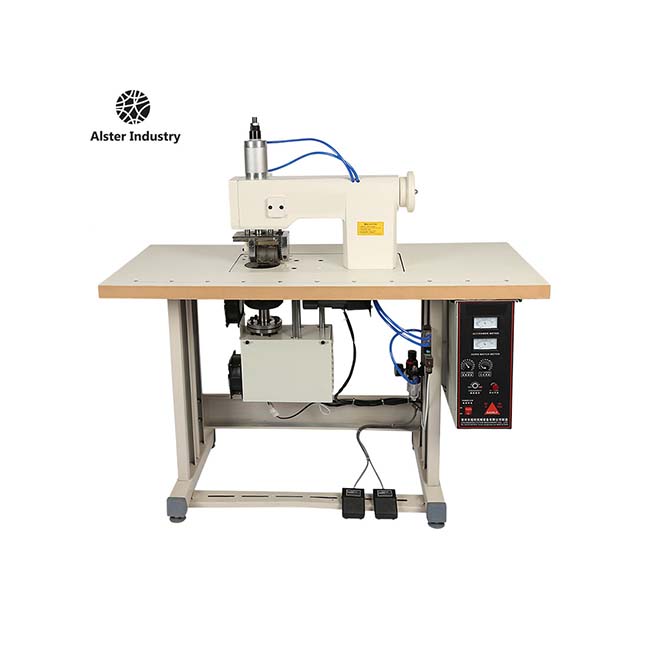
Example: AT-304 Ultrasonic Lace Sewing Machine
Alster produces the AT-304 ultrasonic lace sewing machine, a highly capable model with the following specifications:
| Specifications | Details |
|---|---|
| Speed | 0-20 M/min (adjustable) |
| Pressure | 0.5 MPa |
| Roller Width | 0-95 mm |
| Input Power Supply | Single phase 220V/110V |
| Maximum Power | 2500W |
| Frequency | 20 kHz |
| Packing Size | 126 x 60 x 130 cm |
| Gross Weight | 170 kg |
The AT-304 can create precise lace patterns, trim and seal edges, emboss designs, and bond multi-layer fabrics, making it perfect for high-quality textile production.
Conclusion
The ultrasonic lace sewing machine is a revolutionary tool that has transformed modern textile and garment manufacturing. From seamless stitching and embossing to multi-layer bonding and edge sealing, it offers unmatched precision, efficiency, and versatility. With applications ranging from clothing and home textiles to medical supplies and packaging, the ultrasonic lace machine is a must-have for any manufacturer seeking to enhance product quality, aesthetics, and production efficiency.
If you are looking to improve your textile manufacturing process, increase production speed, and reduce material waste, investing in an ultrasonic lace sewing machine is a strategic choice. With models like the AT-304 and advanced ultrasonic technology, the future of textile production is seamless, precise, and highly decorative.