
The global apparel industry is undergoing a profound transformation driven by automation, precision engineering, and changing consumer demands. At the center of this transformation is the garment machine, a broad category of industrial equipment that supports every stage of apparel production, from fabric preparation to final assembly. In particular, the seamless garment industry has emerged as one of the fastest-growing segments, redefining comfort, functionality, and production efficiency.
Unlike traditional cut-and-sew garments, seamless apparel minimizes or completely eliminates stitched seams. This innovation improves fit, reduces skin irritation, enhances elasticity, and enables advanced performance features such as compression and moisture management. However, producing seamless garments requires highly specialized garment machine systems designed for precision bonding, knitting, molding, and finishing.
This article explores the main application types of garment machine in the seamless garment field, providing a comprehensive overview of how different machines support modern seamless apparel manufacturing. Whether you are a garment factory owner, equipment distributor, or industry professional, understanding these garment machine categories will help you optimize production efficiency and product quality.
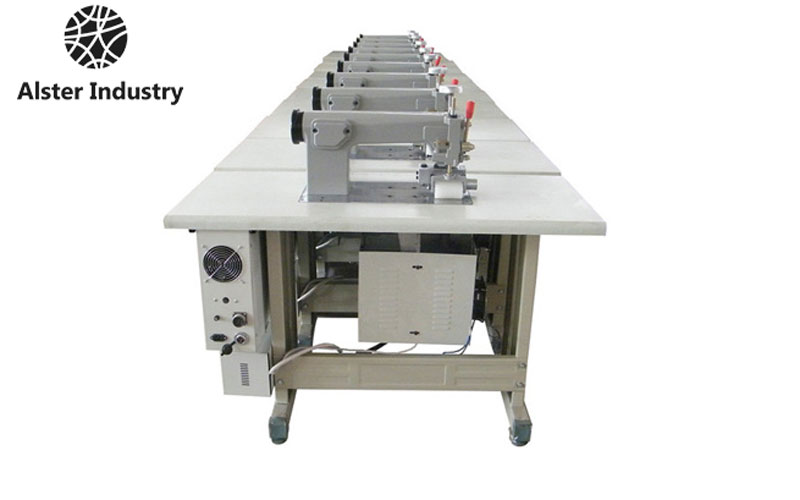
Understanding Seamless Garment Technology
Before exploring specific garment machine applications, it is important to understand what defines seamless garment production. Seamless garments are typically produced using one of the following technologies:
- Circular or flat knitting without side seams
- Heat bonding instead of traditional stitching
- Laser cutting and ultrasonic welding
- 3D molding and shaping
Each of these processes relies heavily on advanced garment machine systems that integrate mechanical precision, thermal control, digital programming, and material compatibility.
1. Seamless Knitting Garment Machine
Application Overview
One of the most fundamental garment machine types in seamless apparel production is the seamless knitting machine. These machines produce garments directly from yarn, eliminating the need for cutting and sewing panels together.
Key Functions
- Producing tubular or body-mapped garments
- Integrating different knit structures in one piece
- Creating zones for compression, ventilation, and elasticity
Common Applications
- Seamless underwear and bras
- Sportswear and activewear
- Yoga clothing and compression garments
- Medical support garments
Advantages in Seamless Production
Seamless knitting garment machine systems significantly reduce material waste, improve production speed, and allow for complex designs that would be difficult to achieve using traditional sewing methods. Advanced digital controls enable rapid style changes and customization, making these machines ideal for both mass production and flexible manufacturing.
2. Seamless Bonding Garment Machine
Application Overview
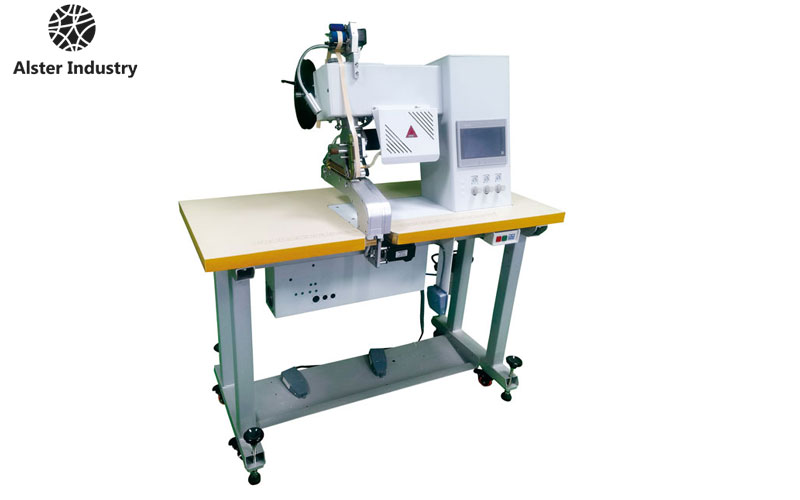
Bonding technology has become a cornerstone of the seamless garment industry. A seamless bonding garment machine replaces traditional needle-and-thread sewing with adhesive films or tapes activated by heat and pressure.
Key Functions
- Bonding fabric panels without stitches
- Attaching elastic bands and waistlines
- Sealing edges for a clean, flat finish
Typical Products
- Seamless bras and underwear
- Shapewear and body-sculpting garments
- Swimwear and performance apparel
Why Bonding Garment Machines Are Essential
Bonding garment machine systems create smooth, flat joints that enhance comfort and aesthetics. They eliminate needle holes, which improves fabric integrity and wash durability. These machines are particularly valuable for lightweight, stretchable, and high-elasticity fabrics commonly used in seamless garments.
3. Ultrasonic Welding Garment Machine
Application Overview
Ultrasonic welding is another important garment machine application in seamless apparel manufacturing. Instead of heat alone, these machines use high-frequency vibrations to fuse fabrics together at a molecular level.
Key Functions
- Welding synthetic and thermoplastic fabrics
- Creating strong, flexible seams without thread
- Decorative embossing and edge sealing
Seamless Apparel Applications
- Sportswear with high stretch requirements
- Waterproof and windproof garments
- Technical underwear and base layers
Benefits for Seamless Garments
Ultrasonic garment machine systems offer fast processing speeds, consistent seam quality, and reduced material distortion. Since no adhesives are required, production is cleaner and more environmentally friendly. The resulting seams are soft, flexible, and ideal for garments worn close to the skin.
4. Laser Cutting Garment Machine
Application Overview
Precision cutting is essential in seamless garment manufacturing, and the laser cutting garment machine has become an industry standard. These machines use focused laser beams to cut fabrics with extreme accuracy.
Key Functions
- High-precision fabric cutting
- Sealing edges to prevent fraying
- Complex pattern cutting without physical blades
Typical Uses
- Cutting seamless underwear components
- Preparing bonded panels
- Creating decorative cutouts
Importance in Seamless Apparel
Laser cutting garment machine systems ensure clean edges that integrate perfectly with bonding or welding processes. They reduce material waste, improve consistency, and support high-speed automated production lines.
5. Heat Press Garment Machine
Application Overview
The heat press garment machine plays a vital role in activating adhesives, shaping garments, and applying functional elements. While commonly associated with printing, heat press machines are equally critical in seamless apparel manufacturing.
Key Functions
- Activating bonding films and tapes
- Applying logos and functional labels
- Thermoforming fabric shapes
Seamless Garment Applications
- Seamless underwear waistbands
- Sportswear logos and branding
- Reinforcement patches
Advantages in Production
Heat press garment machine systems provide precise temperature, pressure, and time control, ensuring stable bonding quality. They are widely used in combination with bonding and laser cutting machines to complete seamless garment assembly.
6. 3D Molding Garment Machine
Application Overview
Three-dimensional molding is a defining feature of modern seamless garments, especially bras and shapewear. A 3D molding garment machine shapes fabric using heat and pressure over customized molds.
Key Functions
- Creating cup shapes and contours
- Enhancing garment fit and support
- Eliminating seams in molded areas
Common Products
- Seamless bras and sports bras
- Shapewear and compression tops
- Body-contouring apparel
Why 3D Molding Matters
This garment machine application enables ergonomic designs that adapt to the human body. Molded seamless garments offer superior comfort, natural shaping, and long-term durability without stitched seams.
7. Automatic Elastic Attaching Garment Machine
Application Overview
Elastic components are essential in seamless garments, and specialized automatic elastic attaching garment machine systems are used to integrate elastic bands smoothly and consistently.
Key Functions
- Feeding and positioning elastic bands
- Bonding or welding elastic without sewing
- Maintaining uniform tension
Seamless Garment Applications
- Waistbands in seamless underwear
- Bra underbands
- Leg openings in shapewear
Production Advantages
These garment machine systems improve efficiency, reduce labor dependency, and ensure consistent elasticity and appearance across large production volumes.
8. Digital Printing Garment Machine
Application Overview
Customization and aesthetics are increasingly important in seamless apparel. Digital printing garment machine technology allows manufacturers to apply designs directly onto fabric without affecting stretch or softness.
Key Functions
- High-resolution fabric printing
- On-demand customization
- Color gradients and complex patterns
Seamless Apparel Use Cases
- Fashion seamless wear
- Sports team apparel
- Personalized underwear collections
Value in Seamless Manufacturing
Digital printing garment machine systems integrate seamlessly with knitted or bonded garments, offering design flexibility without compromising fabric performance.
9. Automated Inspection and Finishing Garment Machine
Application Overview
Quality control is critical in seamless garment production. Automated inspection and finishing garment machine systems ensure that finished products meet strict standards.
Key Functions
- Detecting bonding defects or misalignment
- Trimming excess material
- Steam finishing and shaping
Seamless Garment Benefits
These machines reduce defect rates, improve consistency, and enhance the final appearance of seamless garments before packaging.
Future Trends in Garment Machine Development for Seamless Apparel
As the seamless garment market continues to expand, garment machine technology is evolving rapidly. Key trends include:
- Increased automation and AI integration
- Smart garment machine systems with real-time monitoring
- Energy-efficient and eco-friendly equipment
- Modular machines for flexible production lines
Manufacturers who invest in advanced garment machine solutions will be better positioned to meet rising demands for comfort, performance, and sustainability.
Conclusion: Choosing the Right Garment Machine for Seamless Production
The seamless garment industry relies on a diverse range of specialized garment machine systems, each serving a critical function in the production process. From seamless knitting and bonding to laser cutting and 3D molding, these machines enable manufacturers to produce high-quality garments that meet modern consumer expectations.
Understanding the main application types of garment machine in the seamless garment field allows factories to optimize production workflows, reduce costs, and enhance product innovation. As seamless apparel continues to grow in popularity, investing in the right garment machine technology is no longer optional—it is essential for long-term competitiveness.
By strategically selecting and integrating garment machine solutions, manufacturers can achieve higher efficiency, superior comfort, and greater design flexibility in seamless garment production.