
The global lingerie and intimate apparel industry has undergone a significant transformation over the past decade. Consumers increasingly demand garments that are lightweight, comfortable, aesthetically refined, and invisible under clothing. Among these trends, seamless underwear has emerged as a dominant category, combining functionality with elegant design. At the heart of this evolution lies one essential piece of equipment: the lace machine.
A lace machine for seamless underwear is not just a traditional lace-making device. It represents a fusion of advanced textile engineering, precision control, and modern fashion requirements. This article explores the role of lace machines in seamless underwear production, their working principles, types, advantages, and future trends, helping manufacturers understand why investing in the right lace machine is crucial for competitiveness.
1. Understanding the Role of Lace Machines in Seamless Underwear
A lace machine is specialized textile equipment designed to produce lace fabrics with intricate patterns, fine yarn control, and consistent quality. In seamless underwear production, lace machines are engineered to create stretchable, soft, and breathable lace structures that can integrate seamlessly into garments without bulky seams or discomfort.
Unlike traditional cut-and-sew lingerie, seamless underwear relies on circular knitting, bonding, or ultrasonic techniques. Lace machines must therefore produce lace that is:
- Highly elastic
- Skin-friendly
- Lightweight yet durable
- Compatible with seamless bonding or knitting systems
Modern lace machines address these needs through digital pattern control and high-speed operation.
2. Why Lace Is Essential for Seamless Underwear Design
Lace is more than decoration in seamless underwear. It serves both functional and aesthetic purposes, including:
- Enhancing femininity and visual appeal
- Improving breathability in key areas
- Reducing fabric weight while maintaining coverage
- Allowing body-contouring designs
A lace machine for seamless underwear enables designers to produce lace that adapts naturally to body curves without irritating seams. This makes lace not just a style choice, but a structural element in seamless garment design.
3. How a Lace Machine Works
A modern lace machine operates through a complex interaction of yarn feeding, needle movement, and pattern control. While different machine types vary in structure, most lace machines follow these basic principles:
- Yarn Feeding System
Multiple yarn types—such as nylon, spandex, or polyester—are fed into the machine under precise tension control. - Needle and Guide Bar Movement
Needles interlace yarns according to programmed patterns, forming openwork lace structures. - Pattern Programming
Digital control systems allow designers to upload intricate lace patterns, adjusting density, elasticity, and texture. - Fabric Take-Up and Quality Monitoring
The finished lace is continuously collected while sensors monitor consistency and defects.
For seamless underwear, lace machines are optimized for soft edges, uniform elasticity, and high repeat accuracy.
4. Types of Lace Machines Used for Seamless Underwear
Different types of lace machines are used depending on production scale, design complexity, and fabric requirements.
4.1 Raschel Lace Machine
Raschel lace machines are widely used in seamless underwear manufacturing. They offer:
- High elasticity
- Excellent pattern clarity
- Compatibility with spandex yarns
These machines are ideal for producing lace panels that can be bonded or integrated into seamless garments.
4.2 Jacquard Lace Machine
A Jacquard lace machine allows for highly detailed and customizable designs. Features include:
- Individual needle control
- Complex floral or geometric patterns
- High-end aesthetic appeal
This type of lace machine is often used for premium seamless underwear collections.
4.3 Circular Lace Knitting Machine
Circular lace machines are designed to produce tubular lace fabrics, which are especially suitable for:
- Seamless panties
- Bras and shapewear
- Body-hugging garments
They reduce fabric waste and improve production efficiency.
5. Key Features of Lace Machines for Seamless Underwear
When selecting a lace machine for seamless underwear, manufacturers should focus on the following features:
5.1 High Elastic Yarn Compatibility
Seamless underwear requires lace that stretches and recovers without deformation. Advanced lace machines support high-spandex content while maintaining pattern stability.
5.2 Digital Pattern Control
Modern lace machines use computerized systems that allow quick pattern changes, reducing development time and enabling fast response to fashion trends.
5.3 Smooth Fabric Edges
For seamless applications, lace must have clean, smooth edges suitable for bonding or ultrasonic cutting.
5.4 Energy Efficiency and Stability
High-speed lace machines designed for continuous operation help reduce energy consumption and improve production consistency.
6. Advantages of Using Lace Machines in Seamless Underwear Production
Investing in the right lace machine brings significant advantages to underwear manufacturers.
6.1 Enhanced Product Comfort
Lace produced by advanced machines is softer, lighter, and more breathable, ensuring all-day comfort for the wearer.
6.2 Improved Design Flexibility
With programmable lace machines, designers can easily adjust patterns, textures, and elasticity zones to suit different body shapes.
6.3 Higher Production Efficiency
Automated lace machines reduce manual labor and minimize fabric waste, lowering overall production costs.
6.4 Strong Market Differentiation
Unique lace designs help brands stand out in a competitive seamless underwear market.
7. Lace Machine Integration with Seamless Manufacturing Processes
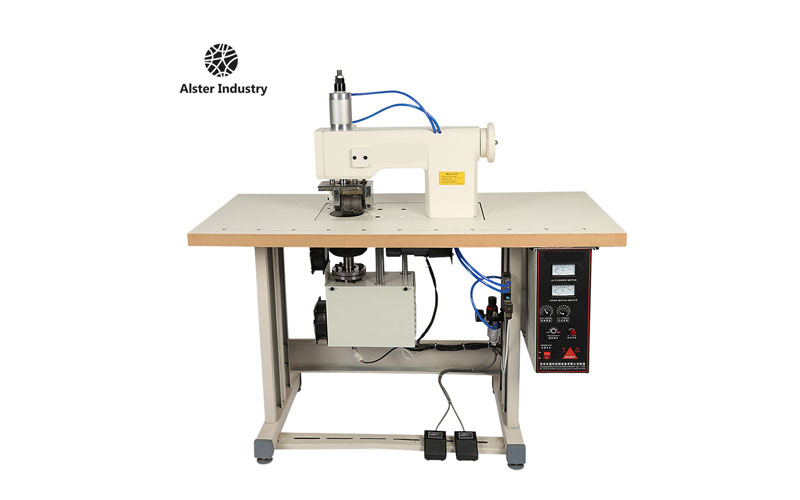
A lace machine for seamless underwear must integrate smoothly with downstream processes such as:
- Hot melt adhesive bonding
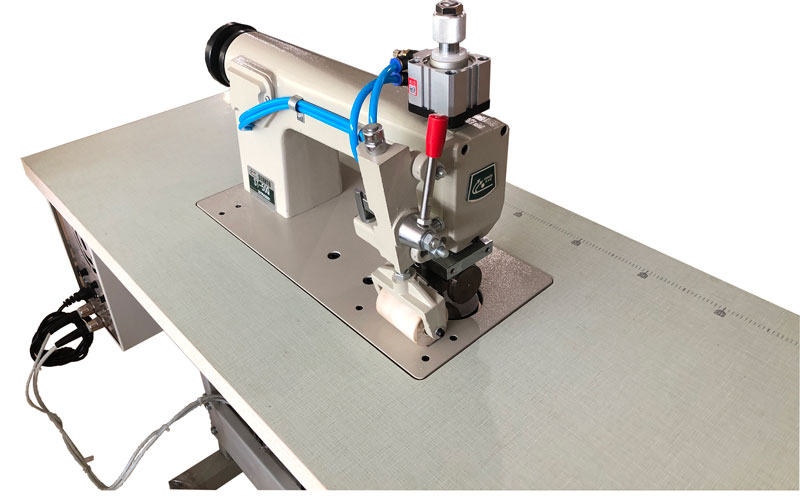
- Ultrasonic welding
- Circular knitting assembly
Proper synchronization ensures consistent garment quality and reduces rework or defects.
8. Materials Commonly Used with Lace Machines
The choice of yarn plays a crucial role in seamless underwear lace quality. Common materials include:
- Nylon for smoothness and durability
- Spandex for elasticity
- Polyester blends for cost control and stability
Modern lace machines can handle multiple yarn combinations to meet different market positioning requirements.
9. Quality Control in Lace Machine Production
High-quality seamless underwear demands strict quality control. Lace machines are equipped with:
- Tension monitoring systems
- Defect detection sensors
- Automated stop functions
These features ensure uniform lace fabric that meets both functional and aesthetic standards.
10. Market Demand for Lace Machines in Seamless Underwear
The global demand for seamless underwear continues to grow, driven by:
- Increased focus on comfort
- Athleisure and bodywear trends
- Rising demand for premium lingerie
As a result, the market for lace machines specifically designed for seamless underwear applications is expanding rapidly.
11. Customization Trends in Lace Machine Technology
Customization is becoming a key competitive factor. Advanced lace machines now support:
- Small-batch production
- Rapid pattern switching
- Brand-exclusive lace designs
This flexibility is especially valuable for brands targeting niche or high-end segments.
12. Sustainability and Lace Machine Innovation
Sustainability is shaping the future of textile machinery. Modern lace machines emphasize:
- Reduced yarn waste
- Energy-efficient motors
- Compatibility with recycled fibers
These innovations help manufacturers align with environmental standards while maintaining performance.
13. Choosing the Right Lace Machine for Your Factory
When selecting a lace machine for seamless underwear, manufacturers should consider:
- Production volume requirements
- Pattern complexity needs
- Integration with existing equipment
- After-sales support and training
A well-chosen lace machine becomes a long-term asset that supports business growth.
14. Maintenance and Longevity of Lace Machines
Proper maintenance ensures stable operation and long service life. Best practices include:
- Regular lubrication
- Scheduled component inspection
- Software updates
High-quality lace machines are designed for durability under continuous operation.
15. Future Trends in Lace Machines for Seamless Underwear
Looking ahead, lace machine development will focus on:
- AI-assisted pattern optimization
- Higher automation levels
- Smart factory integration
These advancements will further enhance efficiency and design innovation in seamless underwear production.
Conclusion
A lace machine for seamless underwear plays a vital role in meeting modern consumer expectations for comfort, aesthetics, and performance. As seamless underwear continues to dominate the lingerie market, the importance of advanced lace machine technology cannot be overstated.
By investing in high-performance lace machines, manufacturers gain greater design freedom, improved production efficiency, and stronger market competitiveness. Whether producing everyday essentials or premium lingerie, the right lace machine is the foundation of successful seamless underwear manufacturing.