
The development of modern garment manufacturing has brought significant changes to the way clothing is designed, produced, and finished. Traditional sewing methods are still widely used, but many manufacturers are now adopting advanced bonding technologies to create lightweight, comfortable, and high-performance apparel. Among these technologies, hot melt bonding has become an important solution for producing seamless garments, functional sportswear, outdoor clothing, underwear, and medical textiles.
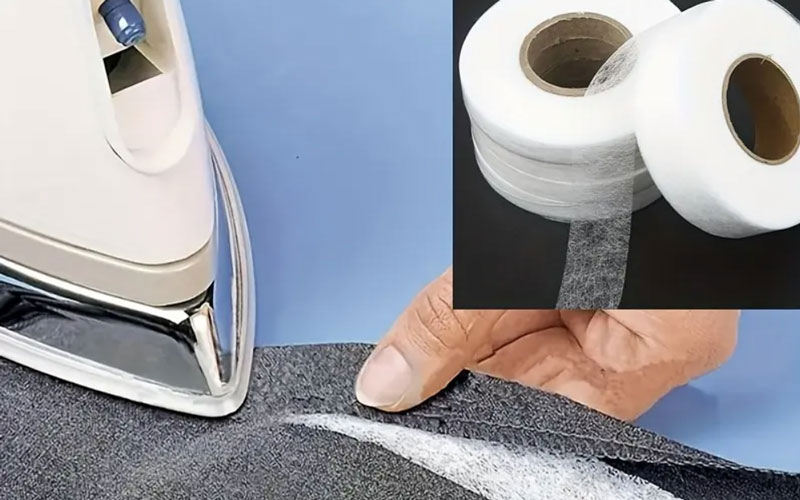
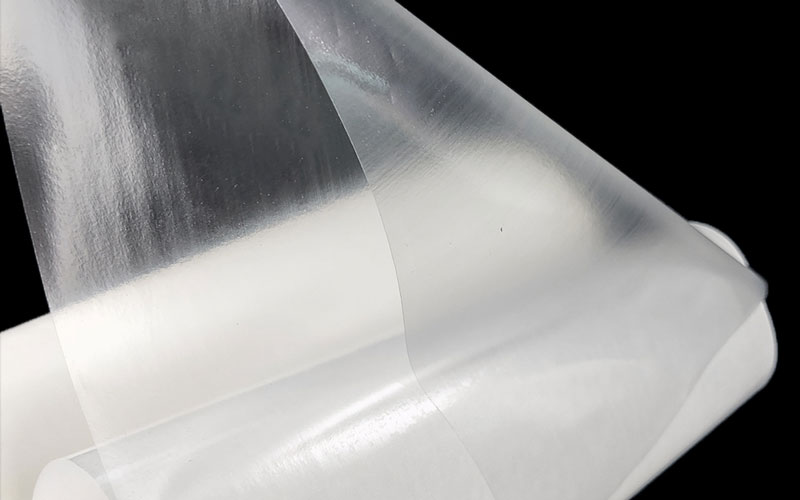
A key material used in this process is hot melt bonding film, which provides a reliable alternative to conventional stitching by creating strong adhesive connections between different fabric layers. This innovative material allows manufacturers to achieve cleaner designs, improved comfort, and enhanced product performance while reducing production complexity.
As consumer demand for seamless clothing continues to grow, garment factories are increasingly searching for efficient bonding solutions that can improve quality and production efficiency. Understanding the characteristics, advantages, applications, and selection factors of bonding films is essential for manufacturers who want to stay competitive in the modern textile industry.
Why Hot Melt Bonding Technology Is Important for Seamless Garments
The seamless garment industry focuses on improving wearing comfort while maintaining durability and functionality. Consumers today expect clothing that feels lighter, fits better, and provides greater freedom of movement. Traditional stitched seams can sometimes create pressure points, irritation, or unnecessary bulk, especially in close-fitting garments.
Hot melt bonding technology addresses these challenges by replacing conventional sewing structures with smooth bonded areas. This allows designers to create garments with fewer visible seams and improved flexibility.
The use of hot melt bonding film enables manufacturers to connect different textile components, including fabric panels, elastic materials, reinforcement areas, and decorative elements. The bonding process creates a clean appearance while maintaining the stretchability required for modern performance apparel.
For sportswear manufacturers, seamless construction is particularly valuable because athletes need clothing that supports movement without causing discomfort. Bonded seams reduce friction and provide better moisture management by minimizing thick stitched areas.
In addition, seamless garment production can improve manufacturing efficiency. Automated bonding equipment can apply adhesive films quickly and consistently, reducing labor requirements and improving production repeatability.
Main Features of Hot Melt Bonding Film for Garment Applications
Different garment applications require different adhesive properties. A high-quality bonding film designed for textiles should provide a combination of adhesion strength, flexibility, durability, and processing stability.
Strong Fabric Adhesion
One of the most important characteristics is reliable bonding strength. The adhesive must create a secure connection between different textile materials while maintaining performance during repeated stretching, washing, and daily use.
Garments experience continuous movement and stress, so the bonded areas must remain stable throughout the product lifespan. Proper adhesion prevents peeling, separation, or deformation during use.
Excellent Flexibility
Clothing materials are designed to move with the human body. Therefore, bonding materials must maintain flexibility after curing. A rigid adhesive layer may reduce comfort and affect garment performance.
Flexible bonding films allow fabrics to maintain their natural elasticity, making them suitable for activewear, fitness clothing, and other products requiring high mobility.
Soft Touch and Comfort
Comfort is one of the main reasons seamless garments have become popular. The adhesive material should create smooth bonded areas without producing uncomfortable hard sections.
A suitable bonding film maintains a soft feel while providing sufficient strength. This characteristic is especially important for garments that come into direct contact with the skin.
Resistance to Washing and Environmental Conditions
Modern garments need to withstand frequent washing and different environmental conditions. Bonding films should maintain stable performance after exposure to water, detergents, temperature changes, and mechanical stress.
For sports and outdoor apparel, resistance to moisture and repeated use is particularly important because these products are often exposed to demanding conditions.
Precise Processing Performance
Manufacturing efficiency depends heavily on the processing characteristics of the adhesive film. The material should melt evenly at the required activation temperature and provide consistent bonding results.
Stable processing helps manufacturers reduce production defects and maintain high-quality standards during mass production.
Applications of Hot Melt Bonding Film in Seamless Garment Manufacturing
The application range of bonding technology continues to expand as garment manufacturers explore new design possibilities. From performance clothing to fashion products, adhesive bonding has become an important manufacturing method.
Sportswear and Activewear
Sportswear is one of the largest application areas for seamless bonding technology. Products such as running apparel, training clothes, cycling garments, and yoga wear require lightweight structures and excellent flexibility.
Bonded seams improve comfort by reducing friction and eliminating bulky stitching areas. They also support modern designs where manufacturers need smooth surfaces and aerodynamic structures.
Compression Garments
Compression clothing requires precise construction because it must provide controlled pressure and close body contact. Traditional stitching may create uneven pressure areas, while bonding technology helps achieve smoother transitions between fabric sections.
The use of adhesive films allows manufacturers to create garments with improved fit, comfort, and appearance.
Functional Underwear
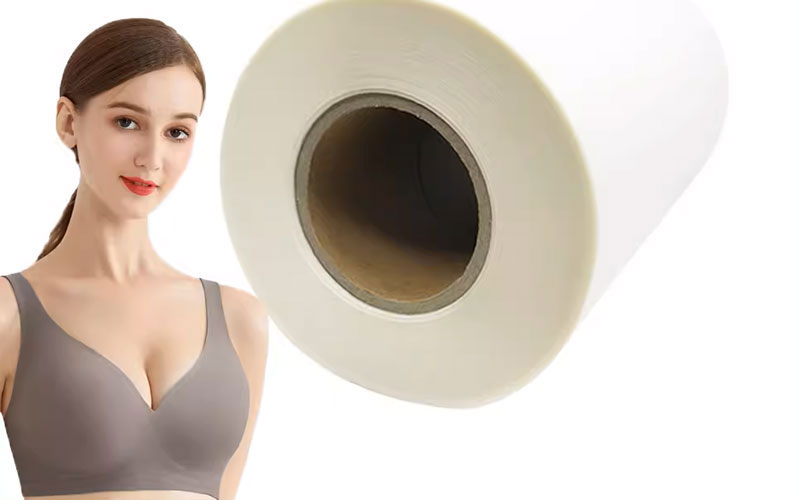
Underwear manufacturers increasingly use bonding technology to produce products with seamless edges and enhanced comfort. Since these garments are worn for extended periods, minimizing irritation and improving softness are critical requirements.
Bonded construction helps create lightweight products with a cleaner appearance and improved wearing experience.
Outdoor and Protective Clothing
Outdoor garments often combine multiple textile layers with different functions, including waterproof fabrics, insulation materials, and reinforcement components.
Bonding films provide a practical method for connecting these materials while maintaining flexibility and reducing unnecessary thickness. This supports the development of lightweight jackets, technical clothing, and specialized apparel.
Additional Applications in Modern Garment Manufacturing
Fashion Garments and Casual Clothing
Although bonding technology was initially popular in functional apparel, it has gradually expanded into fashion and casual garment production. Designers are increasingly exploring clean silhouettes, minimalistic structures, and innovative fabric combinations that are difficult to achieve with traditional sewing methods.
Bonded construction allows fashion manufacturers to create garments with hidden connections, smooth edges, and modern visual effects. This technology supports creative designs while maintaining comfort and durability.
For lightweight jackets, shirts, dresses, and other fashion products, adhesive bonding can help reduce seam thickness and improve overall garment appearance. This is especially valuable for premium clothing where both aesthetics and wearing experience are important.
Medical and Specialty Textiles
Medical garments and specialty textiles often require strict requirements regarding comfort, hygiene, and durability. Bonding technology provides advantages in applications such as compression supports, rehabilitation garments, and protective textile products.
Because bonded seams create smoother surfaces compared with traditional stitching, they can help reduce skin irritation and improve user comfort. The ability to combine different textile layers also allows manufacturers to develop products with specific functional characteristics.
Manufacturing Process of Seamless Garments Using Bonding Film
The production process using adhesive films requires precise control of temperature, pressure, and bonding time. A typical bonding procedure includes several important steps.
Material Preparation
Before bonding begins, manufacturers select suitable fabrics and adhesive materials according to the final garment requirements. Factors such as fabric composition, elasticity, thickness, and intended application must be considered.
Different textile materials have different surface characteristics, so selecting the correct adhesive solution is essential for achieving strong and stable bonding performance.
Film Placement
During production, the bonding film is positioned between the materials that need to be connected. Accurate placement ensures that the adhesive covers the required bonding area without affecting the appearance of the finished garment.
Advanced production lines often use automated positioning systems to improve accuracy and reduce material waste.
Heat Activation and Pressing
After placement, heat and pressure are applied through specialized bonding equipment. The temperature must be carefully controlled to melt the adhesive layer without damaging the fabric.
When the adhesive reaches its activation point, it flows into the textile structure and creates a strong connection. The pressure ensures proper contact between the materials.
Cooling and Final Inspection
After bonding, the garment components are cooled to allow the adhesive layer to solidify. The bonded area is then inspected for strength, appearance, flexibility, and consistency.
Quality inspection helps manufacturers ensure that the finished garments meet performance expectations before entering the market.
Advantages of Using Hot Melt Bonding Film for Seamless Garment Production
The growing popularity of adhesive bonding technology is closely related to the advantages it provides for garment manufacturers.
Improved Product Appearance
One of the biggest benefits of bonding technology is the clean and modern appearance it creates. Traditional stitched seams can sometimes interrupt the visual design of garments, while bonded connections provide a smoother and more refined look.
This advantage is particularly important for brands developing premium sportswear and fashion products where appearance influences consumer purchasing decisions.
Enhanced Wearing Comfort
Comfort is a major factor in modern clothing design. Seamless garments produced with bonding technology reduce friction and pressure points, creating a more comfortable experience for users.
The absence of bulky stitching improves flexibility and allows garments to move naturally with the body.
Lightweight Construction
Reducing garment weight has become an important trend in textile manufacturing. Bonding methods eliminate the need for heavy stitching structures and additional reinforcement layers in many applications.
A lightweight garment provides better mobility and is especially beneficial for sports, travel, and outdoor activities.
Increased Production Efficiency
Compared with traditional sewing processes, bonding technology can simplify certain manufacturing operations. Automated equipment can complete bonding steps quickly and consistently, helping factories improve production efficiency.
Reduced sewing requirements may also lower labor intensity and improve production capacity.
Greater Design Possibilities
Modern clothing designers are constantly looking for new ways to combine materials and create innovative structures. Bonding films allow manufacturers to connect different fabrics, membranes, and elastic components that may be difficult to join through conventional methods.
This flexibility encourages innovation in garment design and supports the development of new textile products.
How to Choose the Right Bonding Film for Seamless Garments
Selecting a suitable adhesive material requires careful consideration of several factors.
Fabric Compatibility
Different fabrics have different surface structures and chemical properties. The bonding material must be compatible with the fabrics being joined to achieve reliable adhesion.
Manufacturers should evaluate the combination of materials, including synthetic fibers, elastic fabrics, coated textiles, and technical fabrics.
Required Performance
The final garment application determines the performance requirements of the bonding solution. Sportswear may require excellent stretch recovery, while outdoor clothing may require stronger resistance to environmental conditions.
Understanding the product requirements helps manufacturers select the most appropriate adhesive characteristics.
Processing Conditions
Every production line has specific equipment settings, including temperature range, pressure level, and bonding speed. The adhesive film should match these processing conditions to ensure stable production.
Testing samples before large-scale manufacturing is recommended to confirm bonding quality.
Long-Term Durability
Garments must maintain their appearance and performance throughout their service life. Therefore, manufacturers should consider durability factors such as washing resistance, repeated stretching, and environmental exposure.
A reliable bonding solution helps reduce product returns and improves customer satisfaction.
Conclusion
The development of seamless garment technology has changed the way modern apparel is manufactured. By replacing traditional stitching methods in selected applications, adhesive bonding provides manufacturers with new possibilities for creating comfortable, lightweight, and high-performance clothing.
Hot melt bonding film has become an important material in this transformation because it offers strong adhesion, flexibility, smooth finishing, and reliable processing performance. From sportswear and compression garments to fashion clothing and specialty textiles, this technology continues to support innovation across the garment industry.
As consumer expectations for comfort and functionality continue to increase, manufacturers need advanced solutions that improve both product quality and production efficiency. Choosing the right bonding material, optimizing processing conditions, and understanding application requirements are essential steps for achieving successful seamless garment production.
For companies looking to develop advanced garment bonding solutions and improve manufacturing capabilities, professional equipment and technology providers such as Alster can provide valuable support for modern textile production needs.