
In today’s manufacturing and industrial sectors, adhesive solutions play a pivotal role in ensuring product integrity, efficiency, and durability. Among these, hot melt adhesive films have emerged as one of the most versatile and reliable options. Whether in the automotive industry, electronics, textiles, or packaging, hot melt adhesive films provide strong bonding, flexibility, and rapid processing. However, the quality and performance of these films are highly dependent on the supplier you choose. In this comprehensive guide, we will explore everything you need to know about selecting a reliable hot melt adhesive film supplier, including key considerations, types of films, applications, and industry insights.
What is a Hot Melt Adhesive Film?
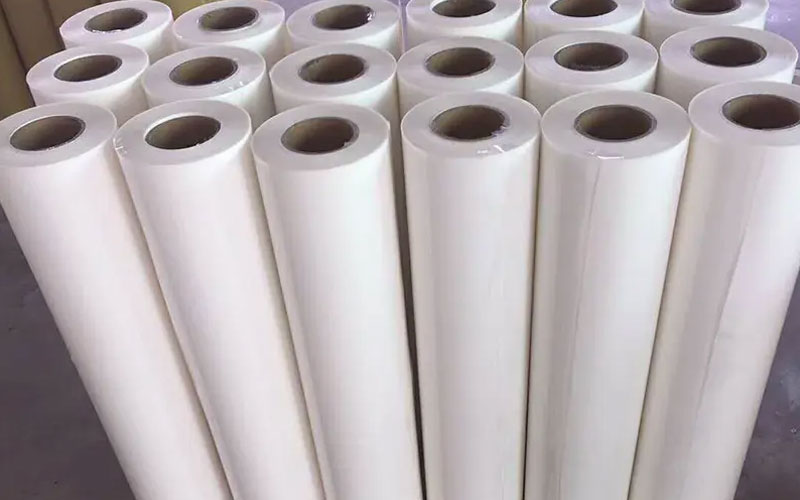
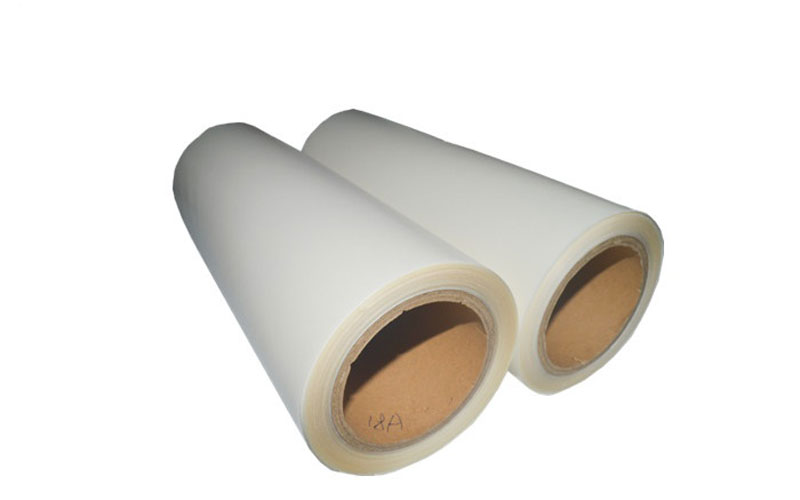
A hot melt adhesive (HMA) film is a solid adhesive product designed to bond materials together when heated. Unlike traditional liquid adhesives, hot melt films are applied in solid form and become tacky or molten upon heating. Once cooled, they create a strong, durable bond. The films are often manufactured from polymers such as ethylene-vinyl acetate (EVA), polyamide (PA), polyurethane (PU), or polyester (PES), each offering unique properties tailored to specific applications.
Key advantages of hot melt adhesive films include:
- Rapid bonding – Films melt quickly, reducing production time.
- Strong adhesion – Offers durable bonds to metals, plastics, textiles, and more.
- Clean application – Minimal mess compared to liquid adhesives.
- Customizable thickness – Suppliers can provide films in various thicknesses to suit specific projects.
- Versatility – Applicable in multiple industries, from automotive interiors to electronic components.
Choosing the right hot melt adhesive film supplier ensures that you receive consistent quality, technical support, and tailored solutions for your production needs.
Key Factors When Choosing a Hot Melt Adhesive Film Supplier
Not all suppliers are created equal. Selecting the wrong partner can lead to inconsistent product quality, delayed deliveries, and even bonding failures. Here are critical factors to consider:
1. Product Quality and Certification
High-quality hot melt adhesive films meet international standards and undergo rigorous testing for adhesion strength, thermal stability, and chemical resistance. Look for suppliers that offer certifications such as ISO 9001, REACH compliance, or RoHS compliance. These certifications demonstrate that the supplier maintains quality control and adheres to environmental and safety regulations.
2. Range of Adhesive Film Types
A versatile supplier should offer multiple types of hot melt adhesive films:
- EVA-based films: Excellent for textiles, packaging, and flexible substrates.
- Polyamide (PA) films: High heat resistance, suitable for automotive and electronics.
- Polyurethane (PU) films: Flexible, elastic, ideal for shoe manufacturing and textiles.
- Polyester (PES) films: Strong adhesion and chemical resistance, suitable for industrial laminates.
By choosing a supplier with a broad product range, you can select the best adhesive film for your specific application.
3. Customization Capabilities
Many industries require adhesive films tailored to their unique processes. A reliable hot melt adhesive film supplier should provide customization options such as:
- Film thickness
- Adhesion strength
- Melting temperature
- Color or transparency
- Width and roll length
This flexibility ensures that your production line operates efficiently and meets product specifications.
4. Technical Support and Expertise
A competent supplier should offer technical support, including guidance on application methods, bonding parameters, and troubleshooting. Industries like automotive or electronics often require precise adhesion, and supplier expertise can significantly improve production efficiency and reduce material waste.
5. Supply Chain Reliability
Consistent supply is critical. Check whether the supplier has robust logistics, inventory management, and the ability to deliver large or repeated orders on time. Delays in adhesive supply can halt production and impact your business reputation.
6. Pricing and Cost-Effectiveness
While quality should never be compromised, cost-effectiveness is equally important. Compare prices across suppliers, considering shipping costs, bulk discounts, and the overall value offered. A reliable supplier balances high-quality adhesive films with competitive pricing.
Common Applications of Hot Melt Adhesive Films
Hot melt adhesive films are used in numerous industries due to their versatile properties. Here are some of the most common applications:
1. Automotive Industry
In automotive manufacturing, hot melt adhesive films are widely used for:
- Interior panel bonding
- Laminating fabrics and foams
- Headliners and seat assembly
- Electronic component encapsulation
The strong adhesion, flexibility, and heat resistance of these films make them ideal for automotive applications, ensuring durability and safety.
2. Electronics and Electrical Components
Electronics manufacturers use hot melt adhesive films for:
- Circuit board lamination
- Battery assembly
- Thermal management
- Protective coating of components
These films provide insulation, moisture resistance, and reliable bonding, which are crucial in high-precision electronic devices.
3. Textiles, Footwear, and Garments
In textiles, footwear, and garment manufacturing, hot melt adhesive films simplify bonding fabrics, leather, and synthetic materials without sewing. Applications include:
- Shoe uppers and linings
- Apparel laminates
- Technical textiles
- Bags and accessories
- Seamless garments and activewear
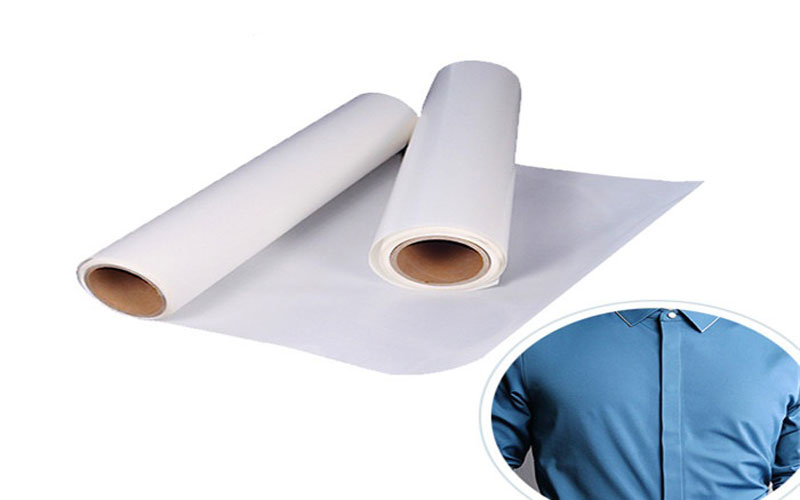
In the clothing industry, especially for seamless garments, hot melt adhesive films are widely used in sportswear, lingerie, and performance apparel. They replace traditional stitching, creating smooth, comfortable, and durable seams. This enhances production efficiency, reduces skin irritation, and maintains flexibility in finished products.
4. Packaging Industry
Hot melt adhesive films offer a clean and fast solution for packaging applications, such as:
- Food packaging lamination
- Carton sealing
- Flexible packaging
- Blister packs
These films ensure reliable sealing, improve shelf life, and reduce the risk of leaks.
5. Furniture and Woodworking
In furniture production, hot melt adhesive films bond veneers, laminates, and decorative surfaces efficiently. They provide:
- Strong adhesion without nails or screws
- Smooth, seamless finishes
- Compatibility with automated lamination machines
This makes them ideal for modern woodworking and interior design applications.
Hot Melt Adhesive Film vs. Other Adhesives
It’s essential to understand how hot melt adhesive films compare to alternative adhesives:
| Feature | Hot Melt Adhesive Film | Liquid Adhesive | Double-Sided Tape |
|---|---|---|---|
| Application Speed | Fast | Moderate | Fast |
| Cleanliness | Clean, minimal mess | Potential for dripping | Clean |
| Bond Strength | High | Variable | Moderate |
| Heat Resistance | High | Moderate | Moderate |
| Customization | Yes | Limited | Limited |
| Cost Efficiency | High in bulk production | Can be costly over time | Limited for industrial scale |
Overall, hot melt adhesive films provide an optimal balance of speed, cleanliness, and performance for industrial applications.
Tips for Working with a Hot Melt Adhesive Film Supplier
To maximize the benefits of working with a hot melt adhesive film supplier, follow these tips:
- Assess Your Requirements: Define the substrate, adhesion strength, and processing conditions before consulting suppliers.
- Request Samples: Always test adhesive films in your production environment to ensure compatibility.
- Ask About Storage Conditions: Some films are sensitive to humidity and temperature. Proper storage ensures consistent performance.
- Check Technical Support: Ensure the supplier provides application guides and troubleshooting support.
- Negotiate Long-Term Agreements: This can secure stable pricing and priority supply for high-volume production.
How to Evaluate a Hot Melt Adhesive Film Supplier Online
The internet has made it easier to find potential suppliers, but evaluation is critical. Consider the following steps:
- Check product catalogs and technical specifications: Ensure the supplier offers the right type of adhesive film.
- Read customer reviews and testimonials: Gain insights into reliability, quality, and service.
- Verify certifications and compliance: ISO, RoHS, and REACH certifications demonstrate credibility.
- Request quotes and compare terms: Evaluate lead times, payment options, and shipping capabilities.
- Communicate directly: Discuss your requirements and gauge their technical expertise and responsiveness.
Future Trends in Hot Melt Adhesive Films
As industries evolve, the demand for advanced adhesive solutions continues to grow. Some notable trends include:
- Eco-Friendly and Biodegradable Adhesive Films: Suppliers are developing sustainable films to reduce environmental impact.
- Enhanced Heat and Chemical Resistance: High-performance adhesives are increasingly required in automotive and electronics applications.
- Integration with Automated Production Lines: Adhesive films designed for robotics and high-speed lamination improve efficiency.
- Customized Functional Properties: Films with UV resistance, electrical insulation, or flame retardancy are gaining traction.
Partnering with a forward-thinking hot melt adhesive film supplier ensures access to cutting-edge solutions and keeps your production competitive.
Conclusion
Choosing the right hot melt adhesive film supplier is crucial for manufacturing efficiency, product quality, and operational success. By considering factors such as product quality, range of adhesive films, customization capabilities, technical support, and supply chain reliability, you can select a supplier that meets your specific needs.
From automotive and electronics to textiles and packaging, hot melt adhesive films provide clean, strong, and versatile bonding solutions that enhance productivity and product performance. As the industry moves towards sustainability, innovation, and automation, partnering with a trusted supplier ensures you stay ahead of the curve.
When searching for a hot melt adhesive film supplier, prioritize quality, expertise, and reliability over cost alone. A strategic partnership not only improves production outcomes but also fosters long-term growth and innovation for your business.